Exploring Optimal Diets: The Role of Animal Foods and Plant-Based Nutrition
1. What Should I Do?
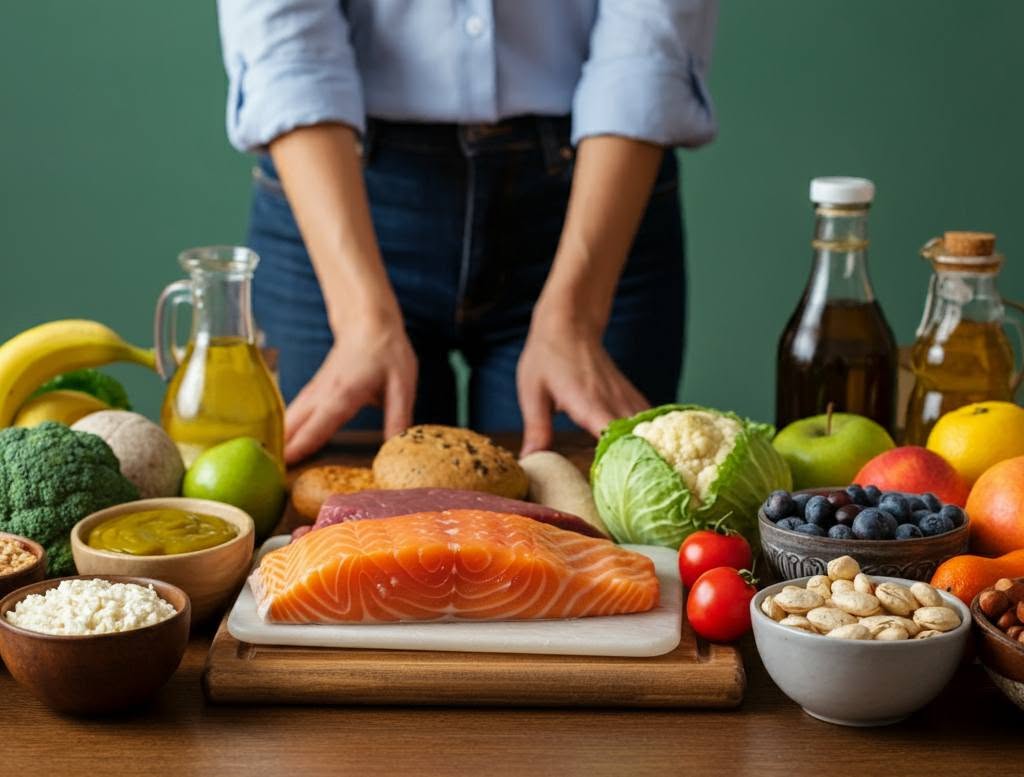
Optimal diets vary from person to person. No scientist can definitively tell you which foods will make you happiest and healthiest.
The Mediterranean diet is widely recommended due to substantial evidence supporting its benefits for the average person.
- Mediterranean diet do’s and don’ts: ↪ Mediterranean diet do's and don'ts
- The Mediterranean Diet's benefits: ↪ NYT explainer: why the Mediterranean diet is good for you
- Mediterranean diet for reversing atherosclerotic plaque: ↪ CORDIOPREV: Mediterranean diet shrank carotid plaque and cut recurrent events about 25%
- Mediterranean diet and reduced frailty in Harvard Nurse’s Study: ↪ Top Mediterranean diet adherence linked to 39% lower frailty in Nurses' Health Study
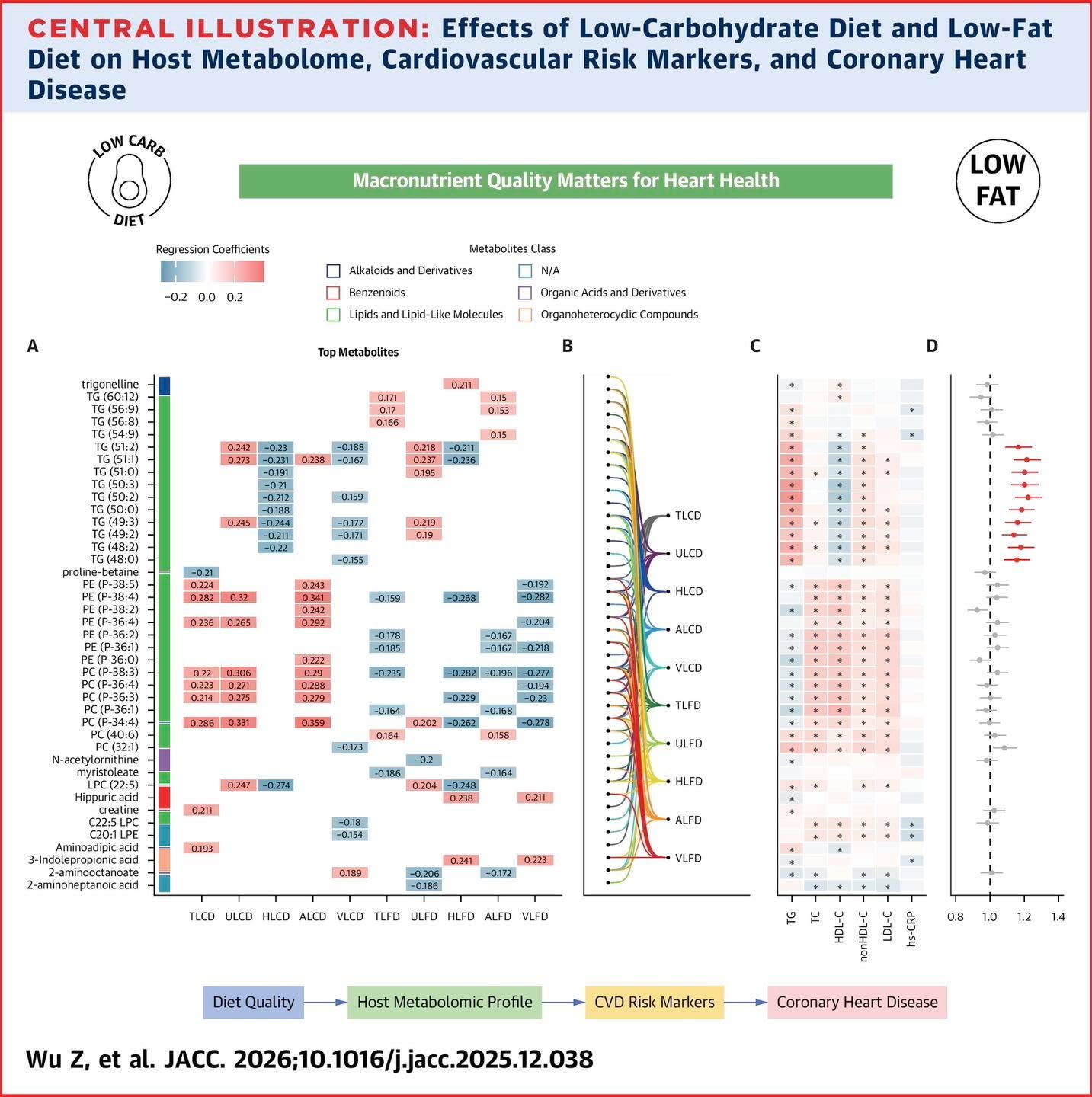
If you find it difficult to adhere to or have specific health issues like insulin resistance, consider exploring lower-carb or low-fat (vegan) options. Some people successfully manage type 2 diabetes with a low-fat vegan diet, while others maintain a healthy weight and energy levels with low-carb diets.
Regardless of your chosen diet, the key to health is monitoring your weight, blood markers, blood pressure, and other indicators, and striving to keep them within optimal ranges. Achieving these optimal levels is probably more important than the specific diet you follow.
2. Dietary Saturated Fat and Cholesterol
For some individuals, consuming saturated fats, especially from fatty animal foods, can lead to a significant increase in cholesterol levels.
3. Dietary Restriction and Lifespan
Research involving animal models indicates that dietary restriction can increase lifespan. This can be achieved through various methods, including calorie restriction or limiting specific food groups like carbohydrates (ketogenic diet) or protein and fat (vegan diet). In humans, calorie restriction shows evidence of lifespan benefits, particularly for those who are overweight or obese. Other dietary approaches also have some scientific support.
- Vegan studies: ↪ Vegan and vegetarian diets: trials showing plaque regression, compared with low carb
- Keto studies: ↪ A balanced look at the ketogenic diet: anti-inflammatory potential and caveats
However, be sure to check out the YT videos of former vegans ("why I'm quitting vegan"). These diets aren't always sustainable or beneficial long-term.
4. Beneficial Compounds in Plants
Plants contain beneficial compounds like polyphenols, antioxidants, and anti-inflammatory agents, often concentrated in their pigments. While excessive intake can be harmful, typical dietary amounts offer hormetic health benefits. The standard American diet (SAD) often lacks these diverse nutrients. Nuts, legumes, and fiber are also known to offer significant health benefits.
5. Arguments For and Against Animal Foods
There is compelling evidence that processed meats (bacon, sausages, hot dogs, and deli meats) are harmful. The World Health Organization classifies processed meat as a Group 1 carcinogen, strongly linking it to cancer, particularly colorectal cancer.
Based on largest studies and meta analyses, animal protein on average has neutral effects on all cause mortality and CVD. This is thought to be mediated by beneficial effects of fish consumption, and marginally negative effects of red meat consumption. The effects are very small, and you might as well ignore them. Alternatively if you're a vegan health doctor, you can build a whole career out of these small correlations.
- Study on dietary protein intake and mortality: ↪ Protein and mortality: BMJ 2020 meta-analysis finds weak links, plant protein favorable