HD-OPM Archive
Hashtags

#calorierestriction

55 posts

Roy Taylor trial: clearing liver and pancreas fat via 8-week low-calorie diet reversed T2D

Sep 01, 2024 · Louis Nervegna ♥ 24 · 💬 22 ↩ 21 Insulin resistance & diabetes

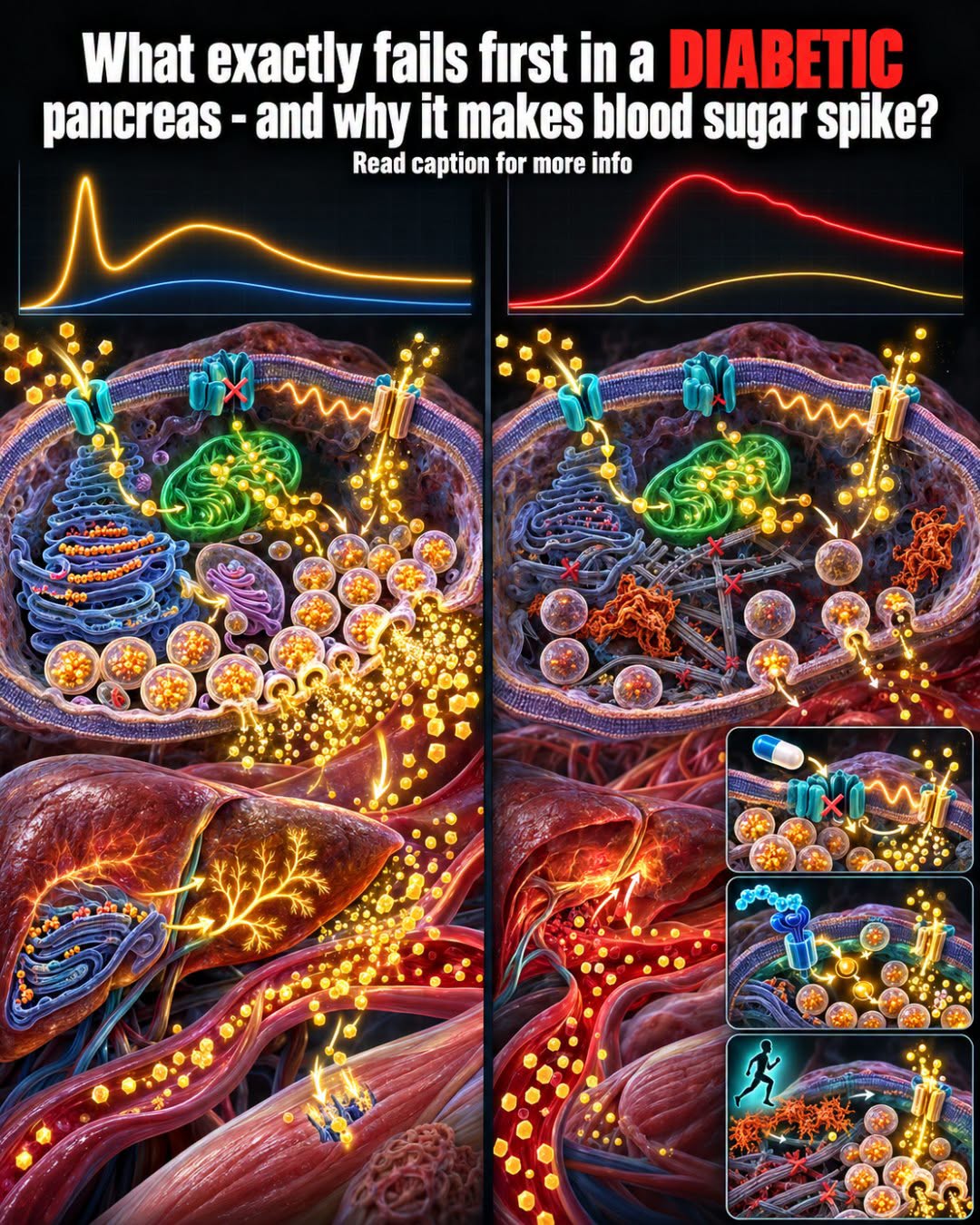
Louis summarizes Roy Taylor's randomized trial in which an 8-week very low calorie liquid diet cleared fat from the liver and pancreas, restoring insulin sensitivity and beta cell function and putting diabetes into remission. Average weight loss needed was about 15 kg (33 lb), followed by a Mediterranean-style maintenance diet. Some patients had a full curative response with pancreas regeneration seen on imaging.

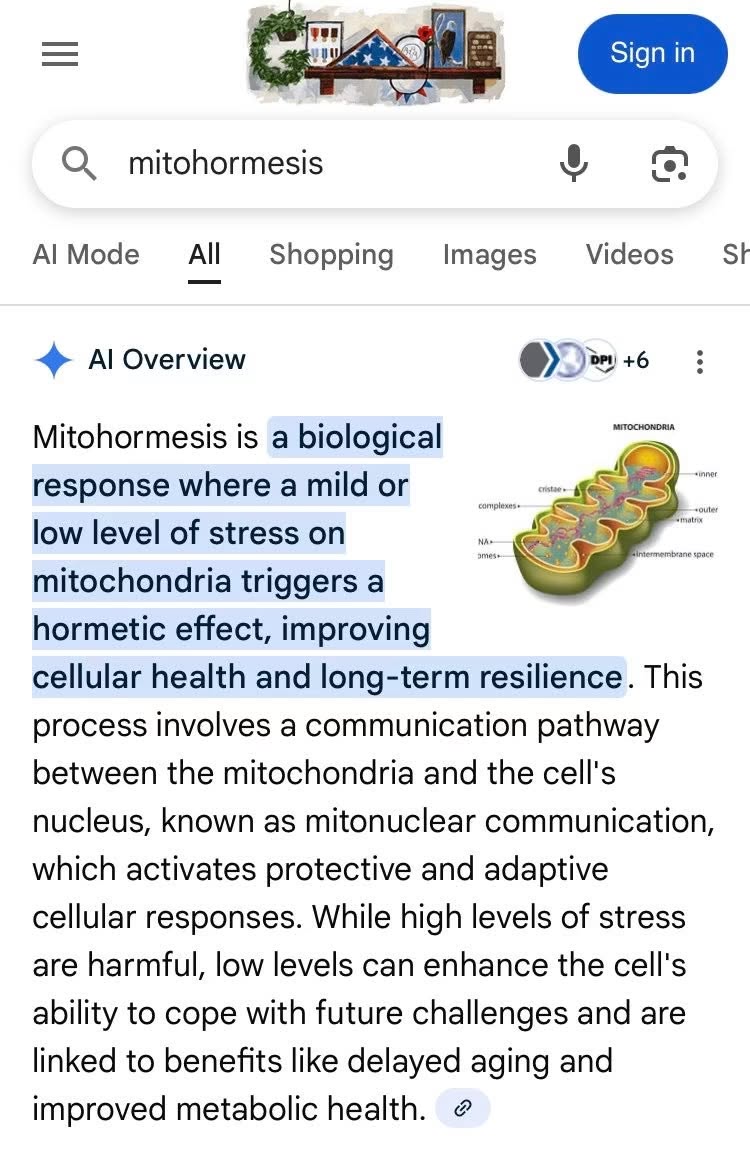
Mild mitochondrial stress from statins is hormetic, not harmful

Nov 17, 2025 · Louis Nervegna ♥ 25 · 💬 11 Statins

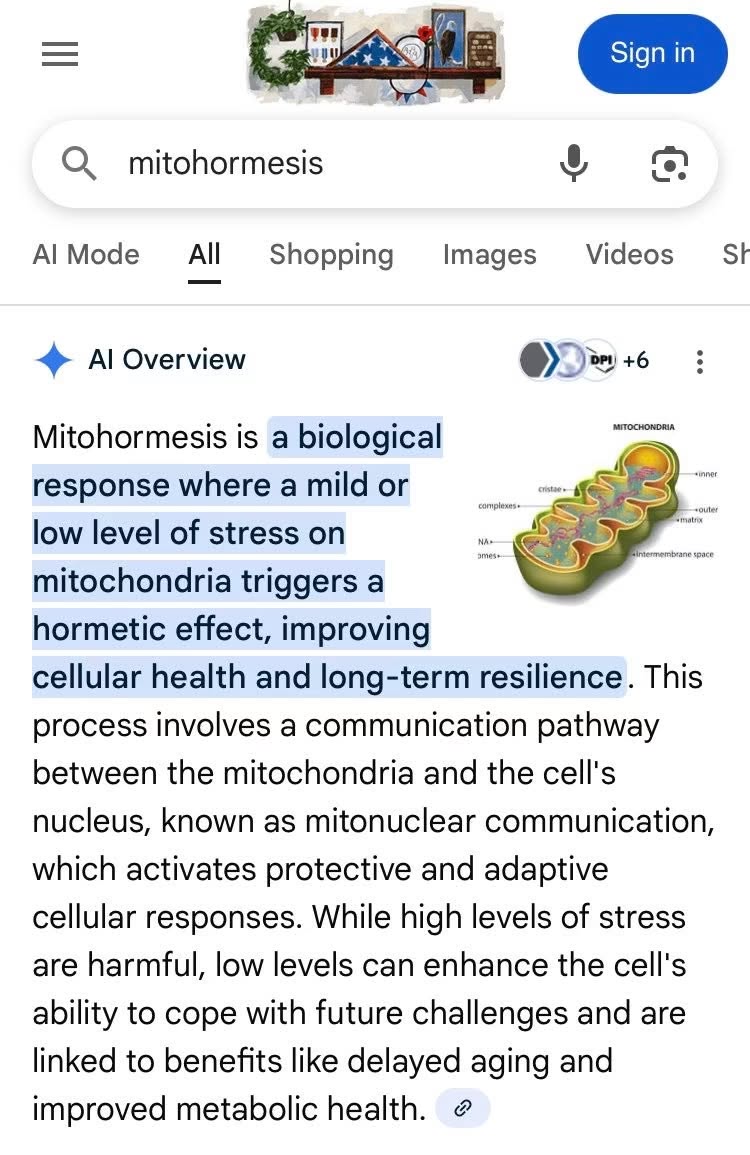
Louis argues that mild mitochondrial toxicity from statins, metformin, exercise and calorie restriction is mitohormesis, which is beneficial at low doses. He says influencer claims that statins damage mitochondria misrepresent this.

Resistance exercise preserves muscle during calorie restriction and GLP-1 weight loss

Mar 16, 2025 · Louis Nervegna ♥ 23 · 💬 8 Exercise & fitness

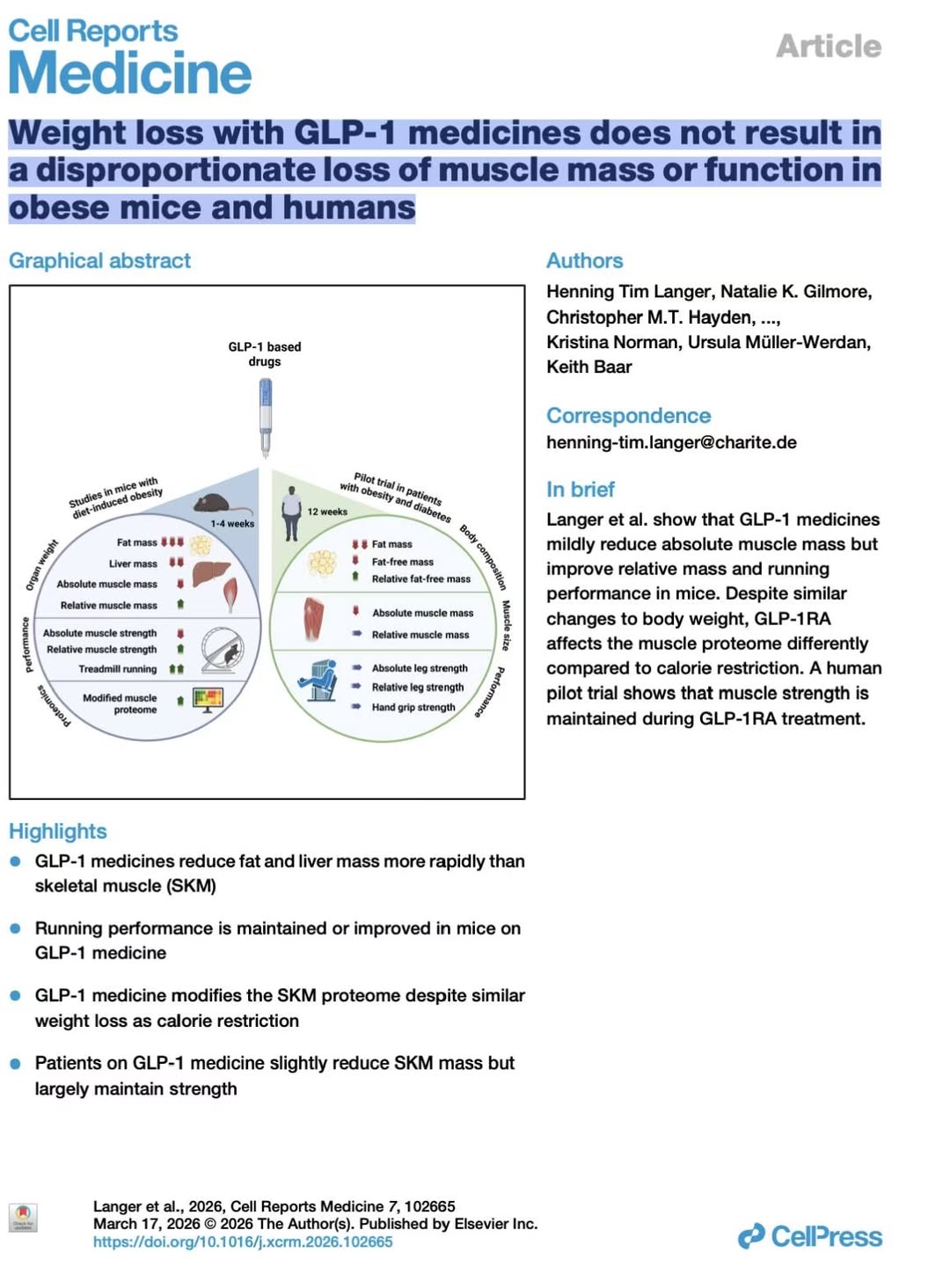
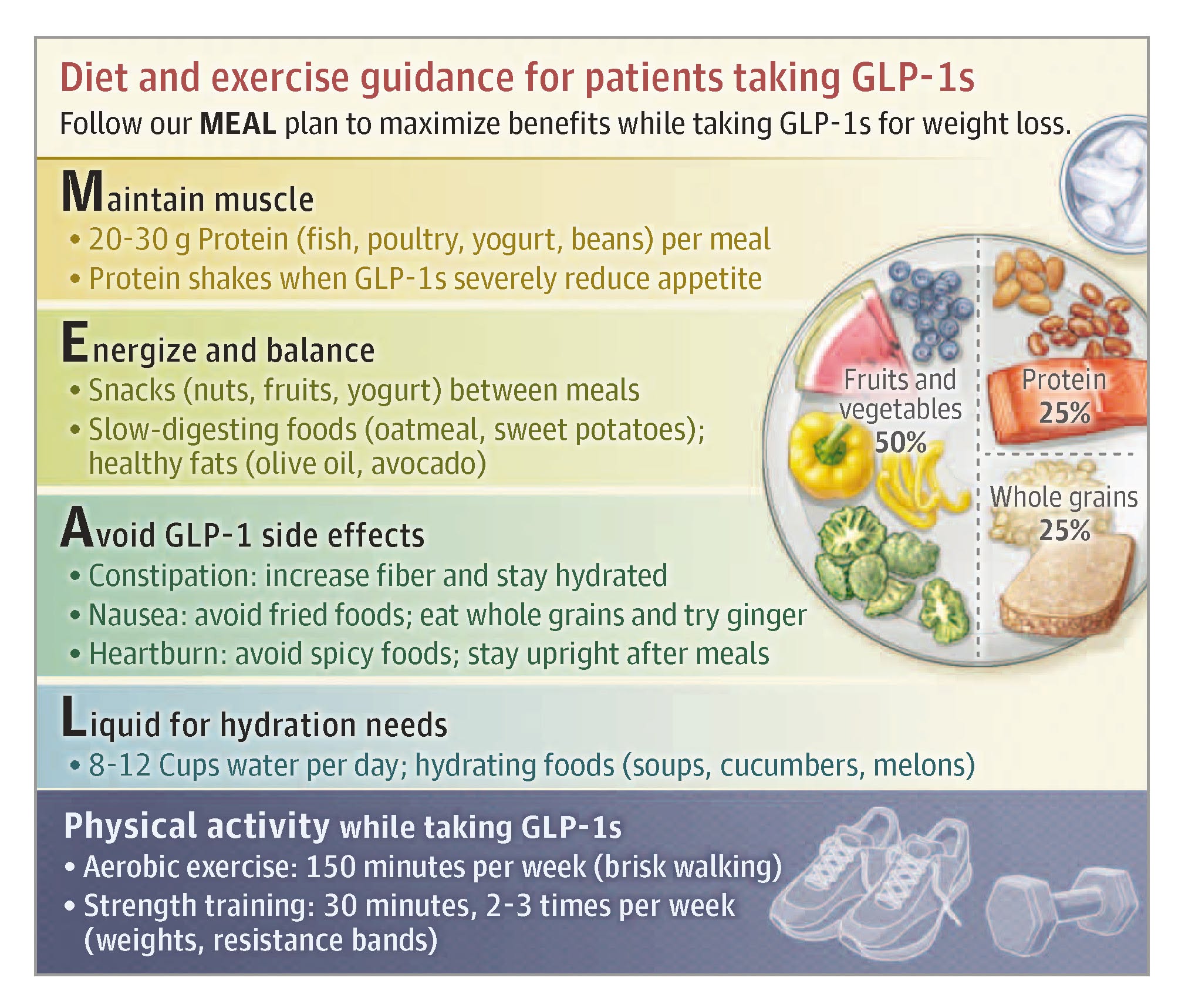
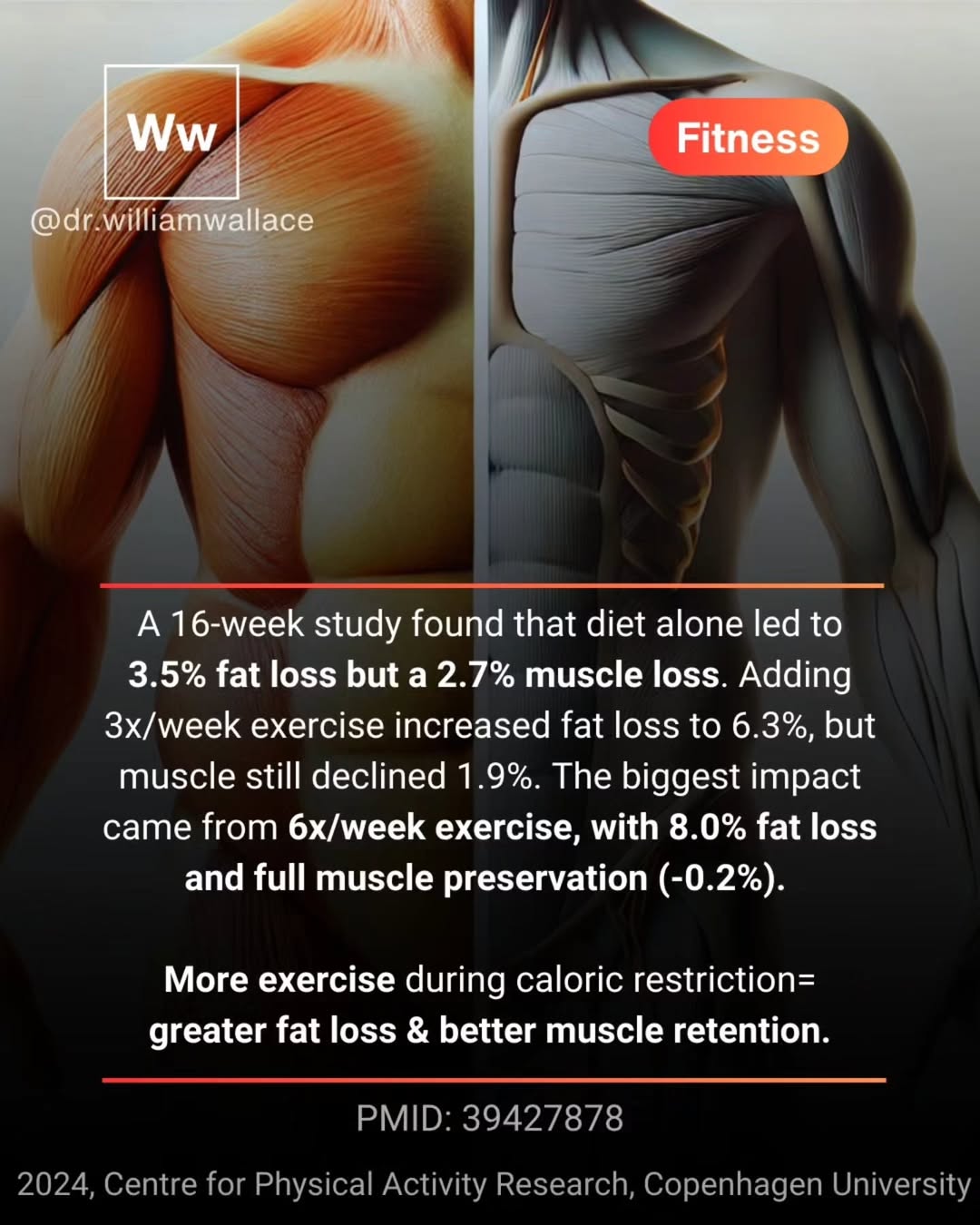
Louis argues that most muscle lost during calorie restriction can be prevented by resistance exercise without raising protein intake, citing over 70 RCTs in which exercise drives nearly all strength gains and extra protein adds only about 5% over 22 weeks. He applies this to GLP-1 drugs, saying their muscle loss comes from calorie restriction rather than a drug side effect. The shared study (16 weeks, 82 people with type 2 diabetes) showed that high-dose exercise with diet fully preserved muscle.

Why the LMHR phenotype happens: starvation-like physiology in lean keto dieters

Jan 25, 2024 · Louis Nervegna ♥ 10 · 💬 11 ↩ 9 Low-carb, keto & carnivore

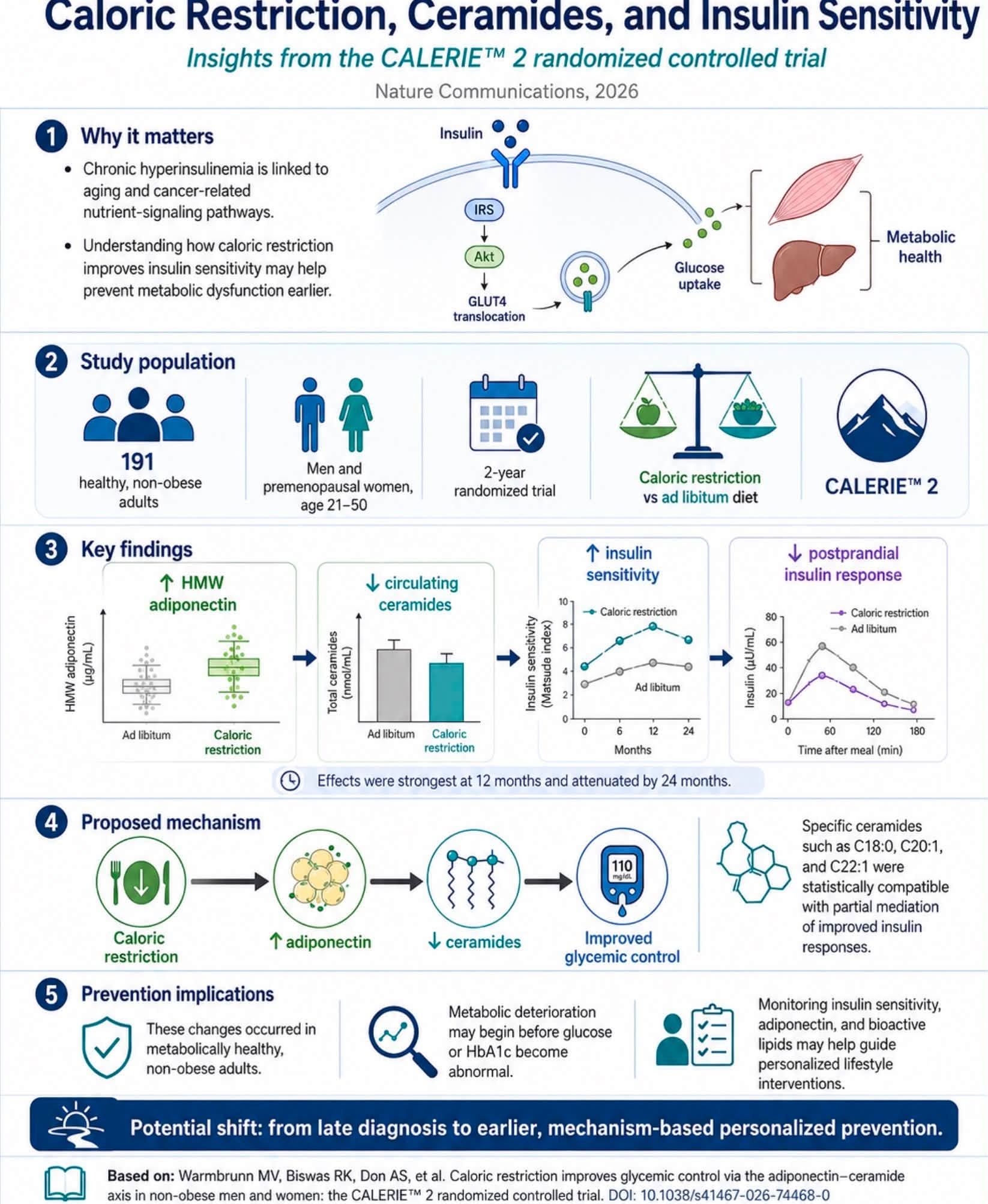
Louis proposes that the lean mass hyper-responder (LMHR) pattern, with extremely high LDL-C on keto/carnivore diets, reflects an ancient starvation response described in calorie-restriction literature. With near-zero body fat and no carbohydrate, the body acts as if starving, raising circulating LDL to deliver fat as fuel, lowering leptin, LDL receptors and thyroid and sex hormones. He links a trial showing fasting raised LDL and ApoB in healthy non-obese people, and cautions that overdoing restriction is the danger. This is a hypothesis, not proof of harm or safety.

Sabatini on diet and mTOR: limit amino acids and insulin; ~18 h fasting may inhibit mTORC1

Dec 09, 2024 · Louis Nervegna ♥ 10 · 💬 11 ↩ 3 Aging & longevity

Louis shares notes on a David Sabatini interview about how diet affects mTOR and autophagy. Sabatini suggests low amino acid or low carbohydrate diets lower mTOR, favors a higher-carbohydrate diet of low-glycemic carbs, and thinks mTORC1 senses total daily insulin. He guesses about 18 hours of fasting inhibits mTORC1, while stressing nobody has all the answers.

Statins create mild mitochondrial stress that triggers protective mitohormesis

Nov 11, 2025 · Louis Nervegna ♥ 13 · 💬 7 ↩ 2 Statins

Louis explains that mild mitochondrial toxicity is not necessarily harmful and can be beneficial through mitohormesis, the mechanism he links to metformin, statins, exercise and calorie restriction. He cites a review proposing mitohormesis as another pleiotropic effect of statins and stresses that dose matters.

Why LMHR happens: starvation-like physiology in very lean people on keto raises LDL

Jul 23, 2024 · Louis Nervegna ♥ 14 · 💬 4 LDL, ApoB & lipid panel

Reposting his earlier explanation, Louis argues that the lean mass hyper-responder phenotype reflects an old starvation response: with near-zero body fat, no carbohydrate and constant ketosis, the body raises circulating LDL to deliver fat as fuel, while lowering thyroid function and sex hormones. He links to a paper showing fasting increases total cholesterol, LDL-C and apoB in healthy nonobese humans.

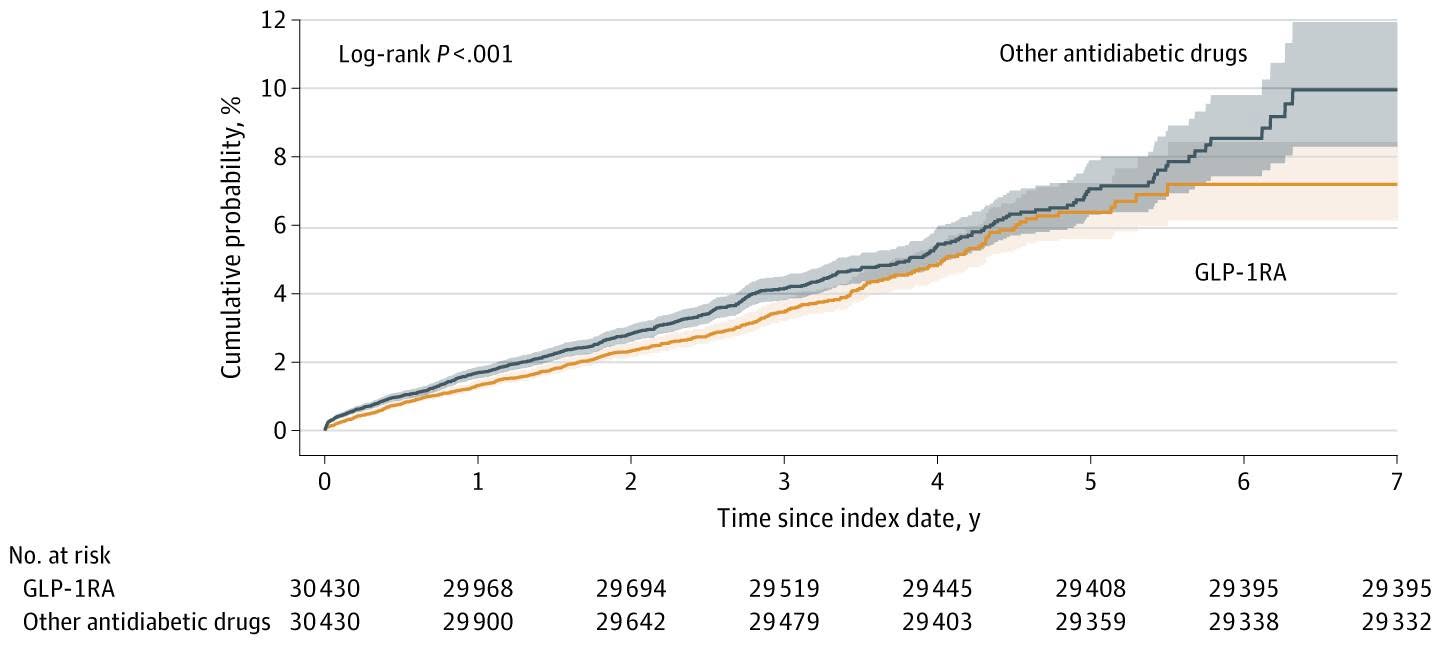
Semaglutide linked to 20-46% lower Alzheimer's-related dementia risk in type 2 diabetes

Jun 30, 2025 · Louis Nervegna ♥ 11 · 💬 4 GLP-1 drugs (semaglutide, tirzepatide)

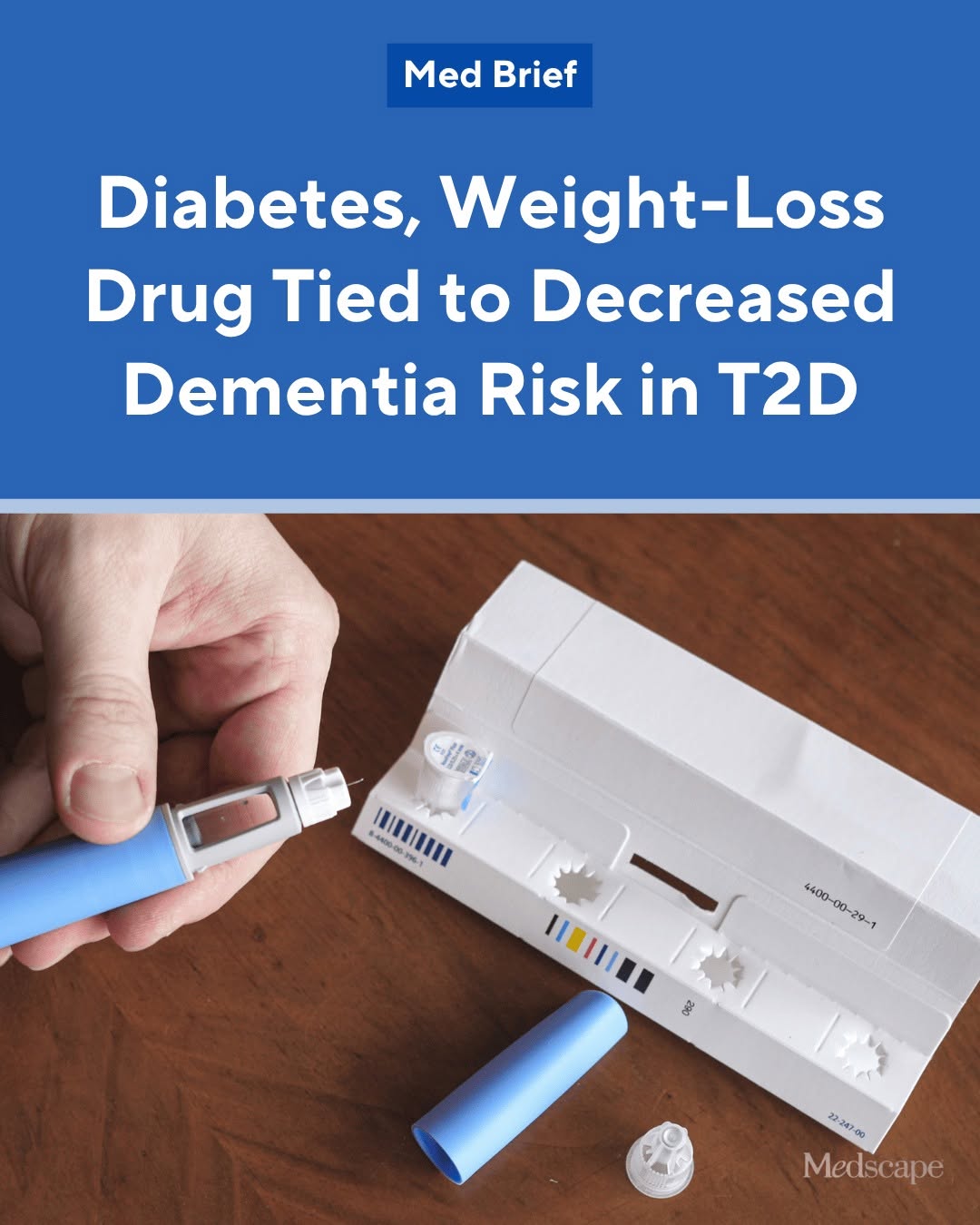
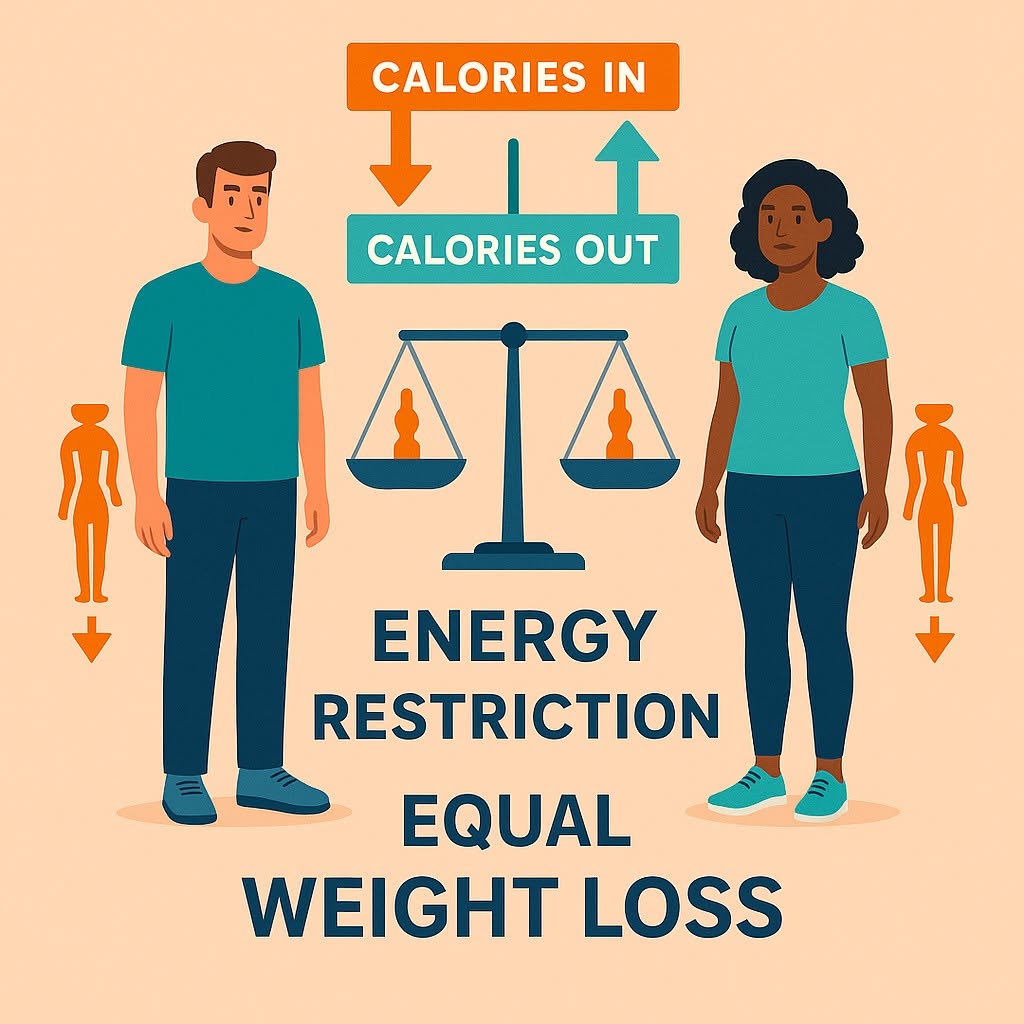
Louis argues the real headline is that calorie restriction is associated with lower dementia risk since GLP-1 drugs act as calorie restriction in a pill. The shared report states semaglutide was associated with a 20-46% reduced risk for AD-related dementia in type 2 diabetes versus other antidiabetic drugs, strongest for vascular dementia.

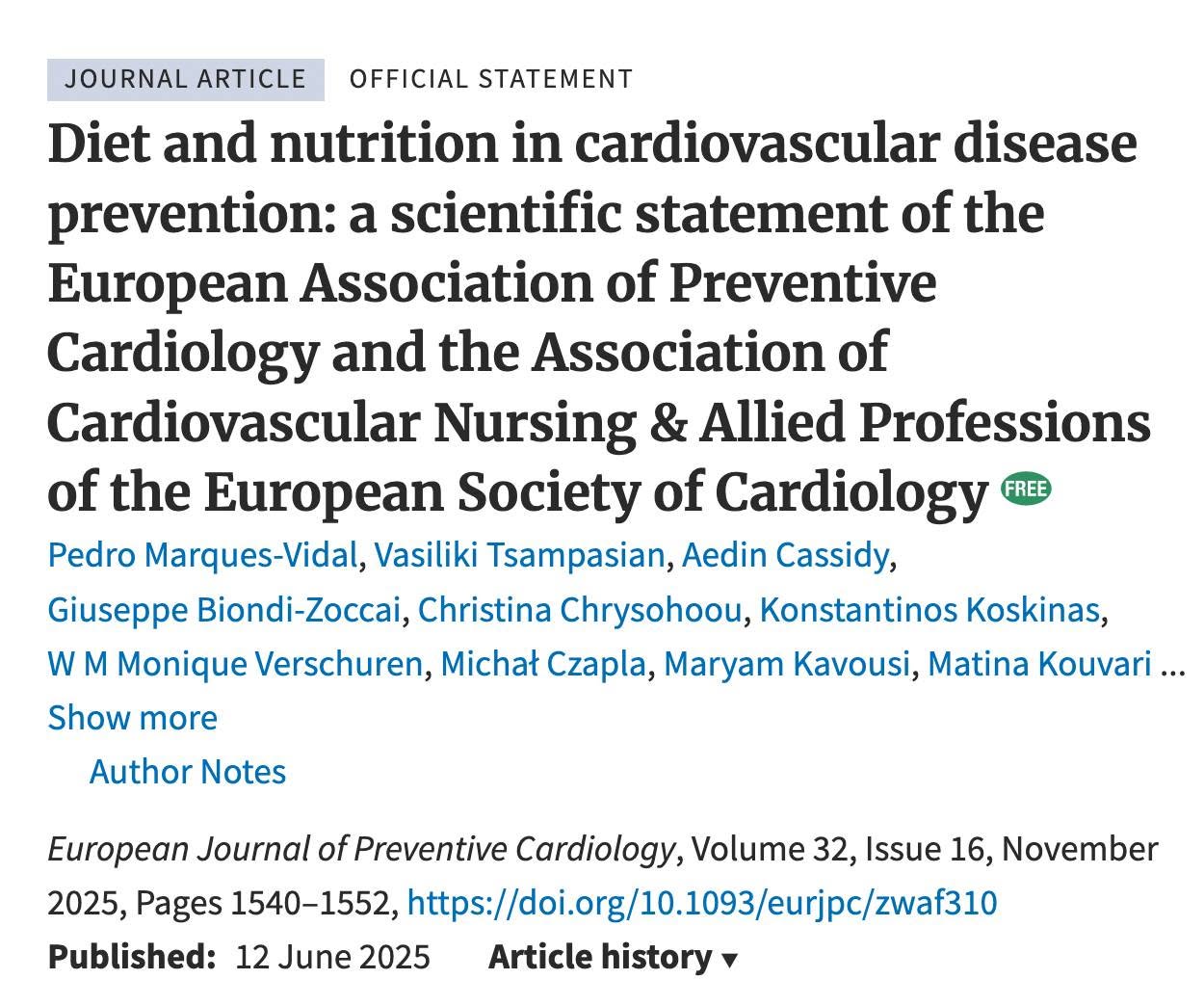
Optimal diets vary: Mediterranean first, with individualized low-carb or low-fat options

Jun 30, 2024 · Gokhan Can ♥ 14 · 💬 2 Mediterranean, DASH, MIND & plant-forward diets

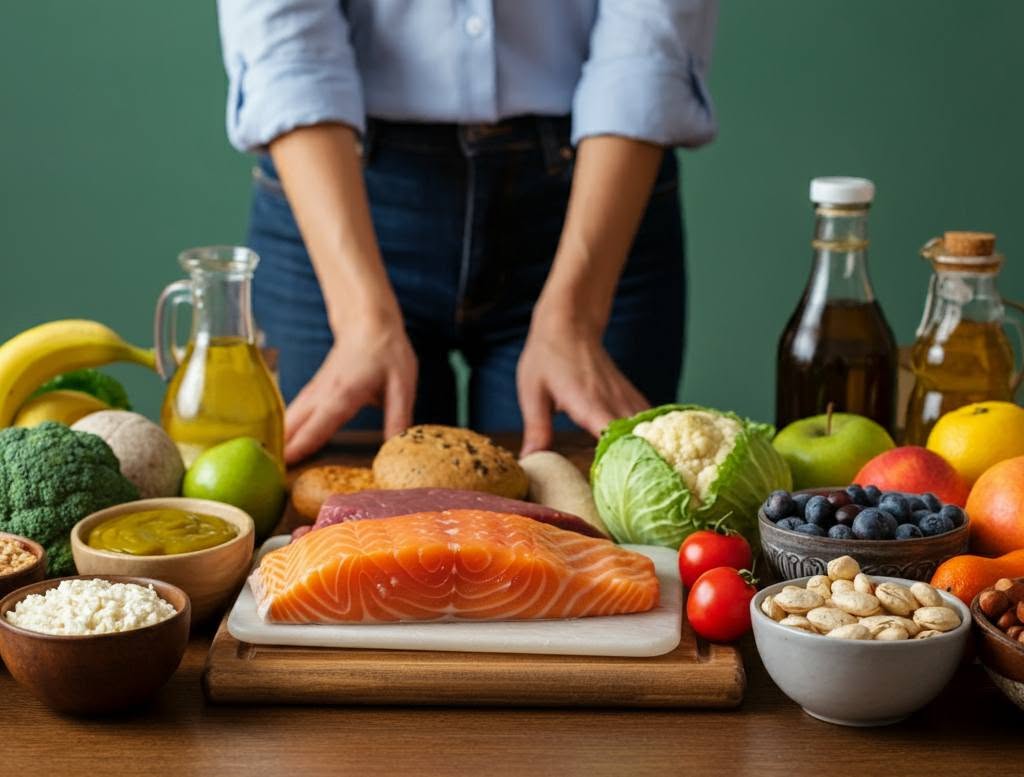
Gokhan says no scientist can tell you the single best diet. The Mediterranean diet has the strongest evidence for average people, while those with insulin resistance may try low-carb or low-fat vegan diets. Dietary saturated fat can raise cholesterol sharply in some people, and monitoring weight, blood markers and blood pressure matters more than the specific diet.

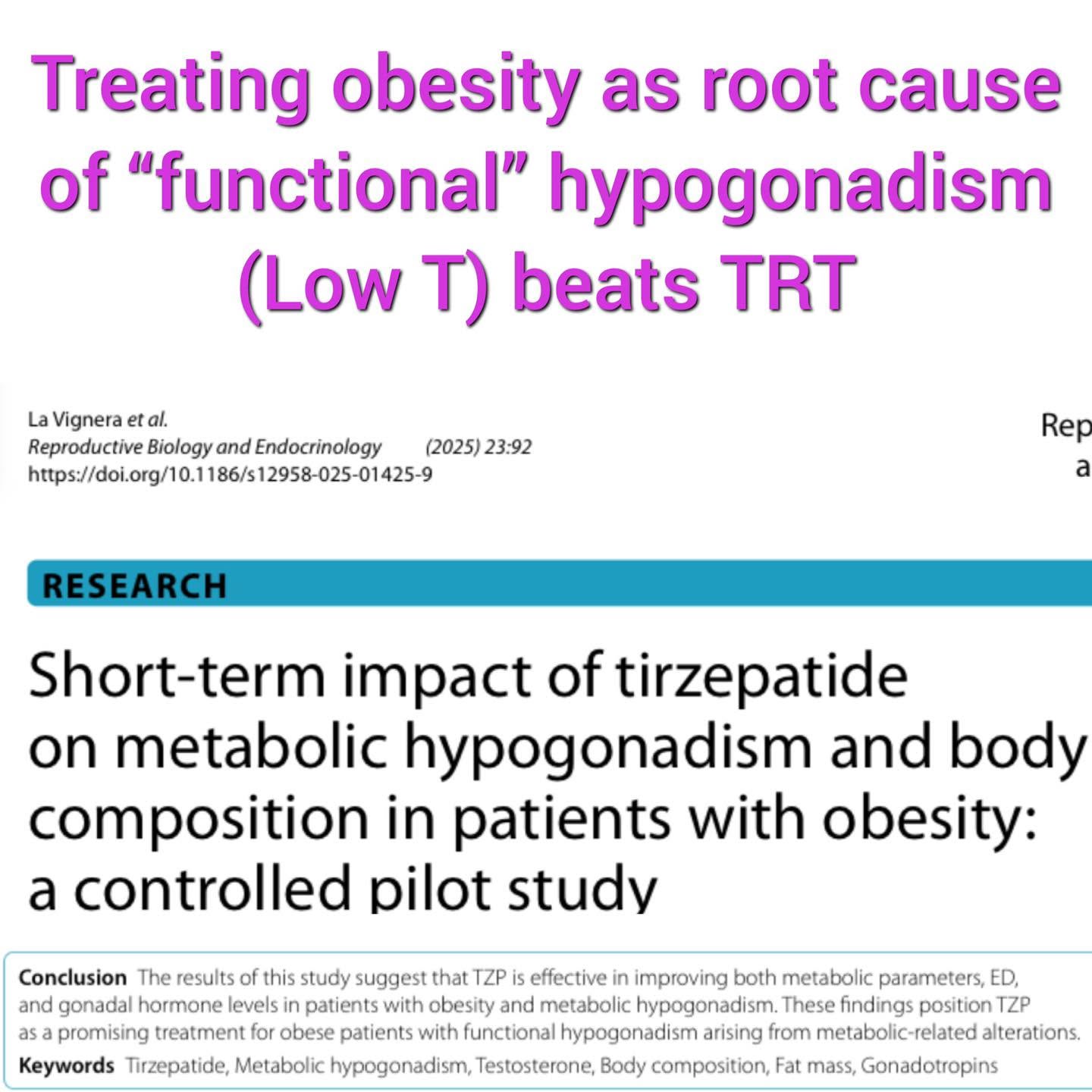
Tirzepatide beat testosterone therapy for raising testosterone in obese men (pilot, n=83)

Jul 19, 2025 · Louis Nervegna ♥ 13 · 💬 1 ↩ 2 GLP-1 drugs (semaglutide, tirzepatide)

Louis argues that low testosterone in middle-aged men is mainly driven by visceral fat and should be treated by fat loss rather than TRT. The shared pilot study in 83 men with obesity found tirzepatide plus lifestyle gave the greatest weight and fat loss and raised testosterone, LH and FSH more than lifestyle alone or TRT.

Review: calorie restriction has downsides, incl. slower wound healing and bone loss

Apr 23, 2025 · Louis Nervegna ♥ 10 · 💬 2 Aging & longevity

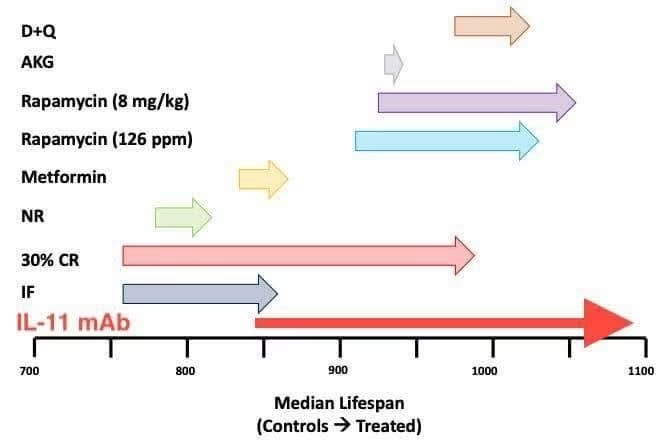
Louis shares a Nature Reviews Endocrinology review of potential adverse effects of calorie restriction, which extends lifespan in many animals but has uncertain effects in humans. It summarizes effects on wound healing, hunger, cold sensitivity, bone health, brain size, cognition, reproduction and infection, mostly from rodent data with some human data.

Video: immunoglobulin G buildup in fat tissue drives insulin resistance and aging

Feb 02, 2025 · Gokhan Can ♥ 19 Insulin resistance & diabetes

Gokhan summarizes a Mike Lustgarten video on research showing IgG accumulates in fat tissue with age and obesity, impairs insulin signaling, promotes inflammation and fibrosis, and is reduced by calorie restriction. Blocking IgG recycling through the FcRn receptor in mice improved metabolic health and extended lifespan. He calls it potentially Nobel-worthy 'if it holds up'.

Diet alone restored pancreas and beta-cell function in a Roy Taylor trial patient

Dec 19, 2025 · Louis Nervegna ♥ 12 Insulin resistance & diabetes

Louis re-shares his post on a patient in Roy Taylor's randomized trial whose advanced type 2 diabetes fully resolved after 2 years, with the pancreas imaging almost back to normal. The intervention was 8 weeks of an 800-calorie meal-replacement diet followed by a normal-calorie Mediterranean diet for maintenance. He argues the liver and pancreas were cleared of fat and that some people get a full curative response, though not everyone.
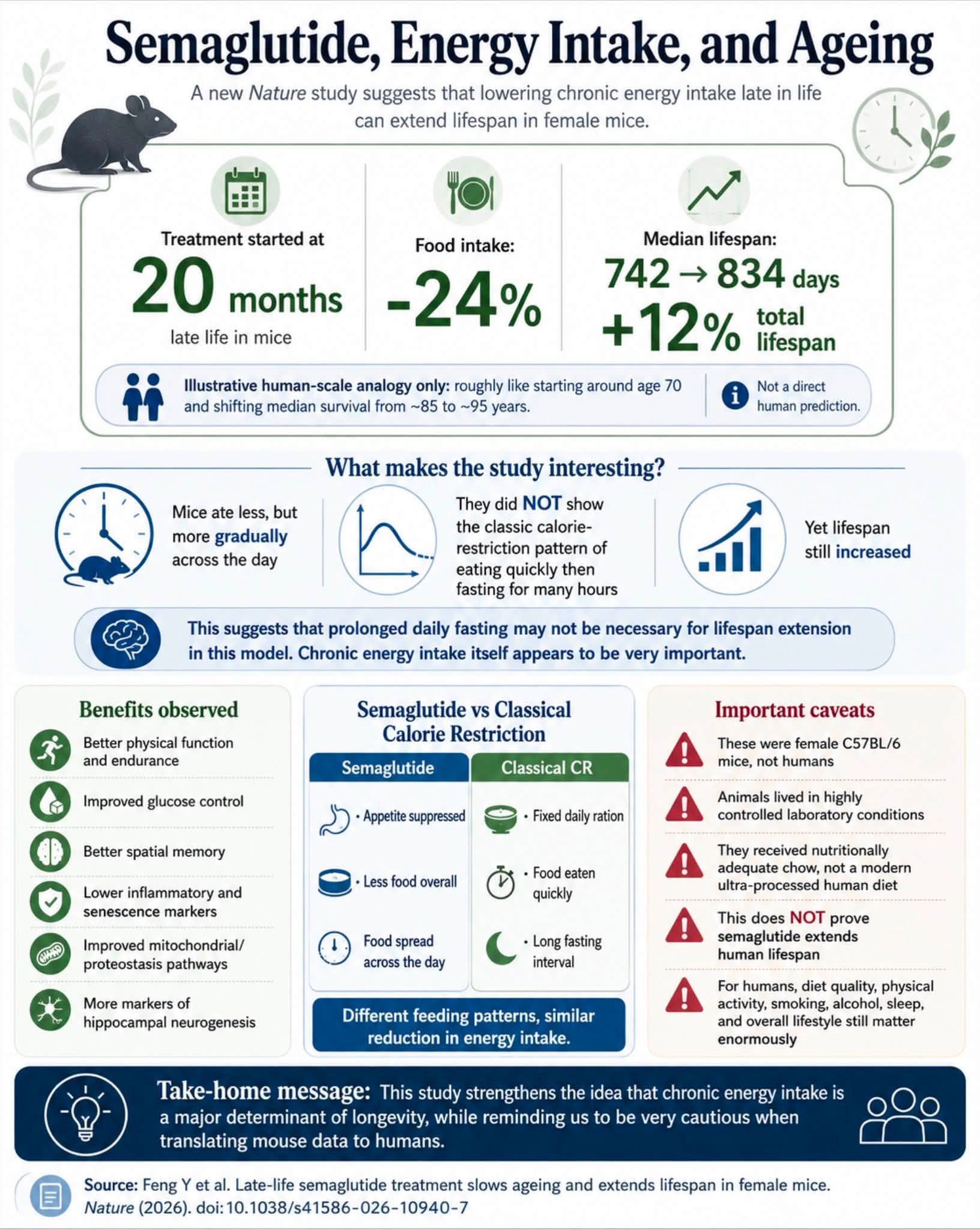
Semaglutide extended lifespan 12% in elderly female mice, hinting GLP-1 slows aging

Oct 29, 2026 · Louis Nervegna ♥ 3 · 💬 3 GLP-1 drugs (semaglutide, tirzepatide)

A Nature study found elderly female mice given semaglutide lived 12 percent longer than controls, regained curiosity and memory, and improved across hallmarks of aging. Louis notes the main mechanism is almost certainly calorie restriction. Researchers suggest slowed aging could explain GLP-1's benefits across heart, kidney, liver and brain conditions.

Yale: taurine loss triggers NLRP3 inflammasome; raising taurine eased inflammaging in mice

Nov 06, 2026 · Louis Nervegna ♥ 7 Inflammation & CRP

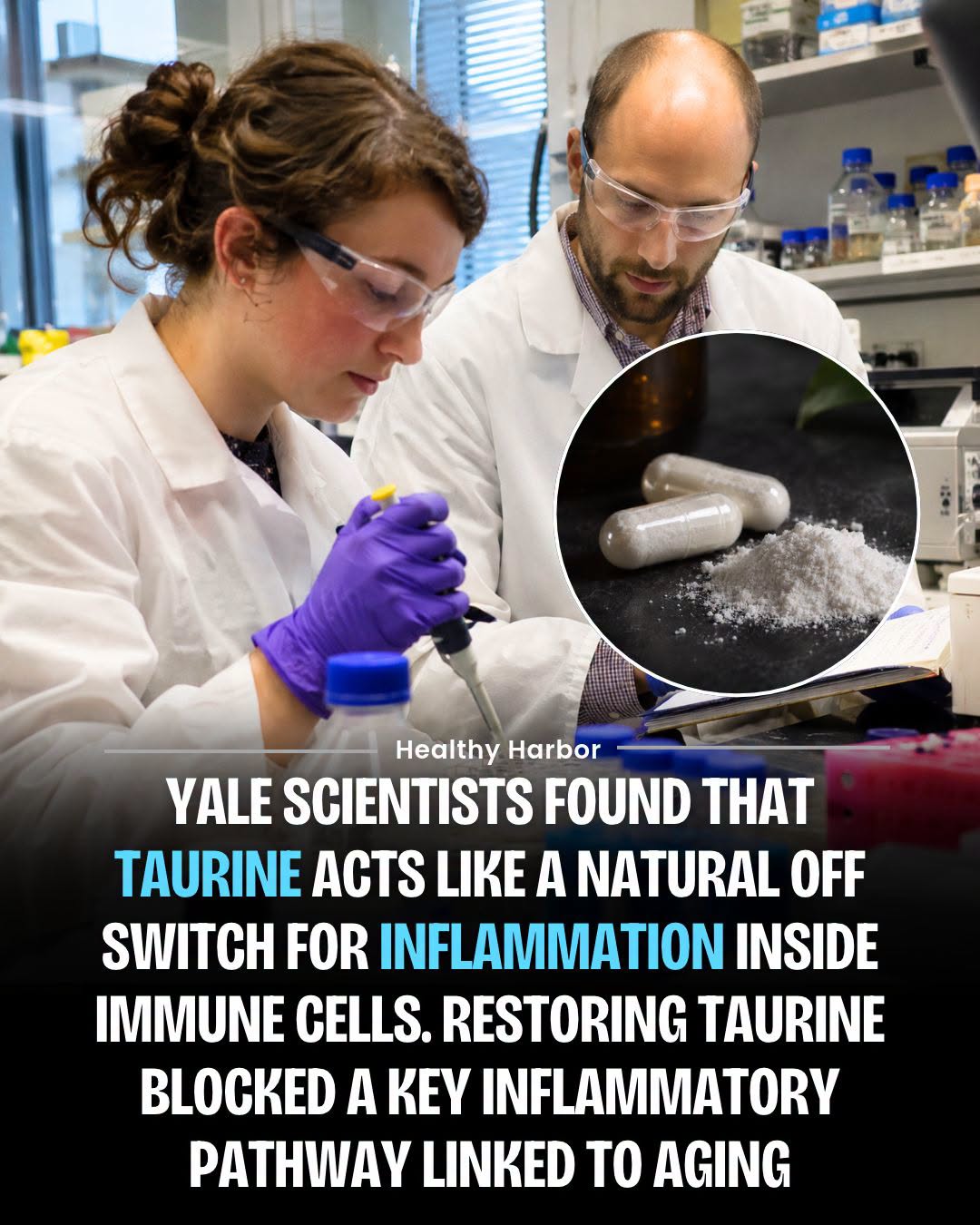
Louis shares a summary of a Yale Cell study showing macrophages release up to 80% of their taurine after inflammatory triggers, which helps activate the NLRP3 inflammasome. Restoring taurine suppressed NLRP3 activation, and raising taurine in older mice improved grip strength, coordination, some glucose measures and inflammatory markers. It is preclinical research.

Semaglutide extended elderly female mouse lifespan 12%; calorie restriction already known

Sep 14, 2026 · Louis Nervegna ♥ 5 GLP-1 drugs (semaglutide, tirzepatide)

A shared Nature study report says elderly female mice on semaglutide lived 12% longer and improved on aging hallmarks, matching or beating caloric restriction on several measures. Louis notes calorie restriction slowing aging in animals is well established. The caveats: inbred female mice, possible muscle loss in older people, and no human data.

Semaglutide REMODEL trial: 40% less albuminuria, and a calorie-restriction interpretation

Oct 01, 2026 · Louis Nervegna ♥ 1 GLP-1 drugs (semaglutide, tirzepatide)

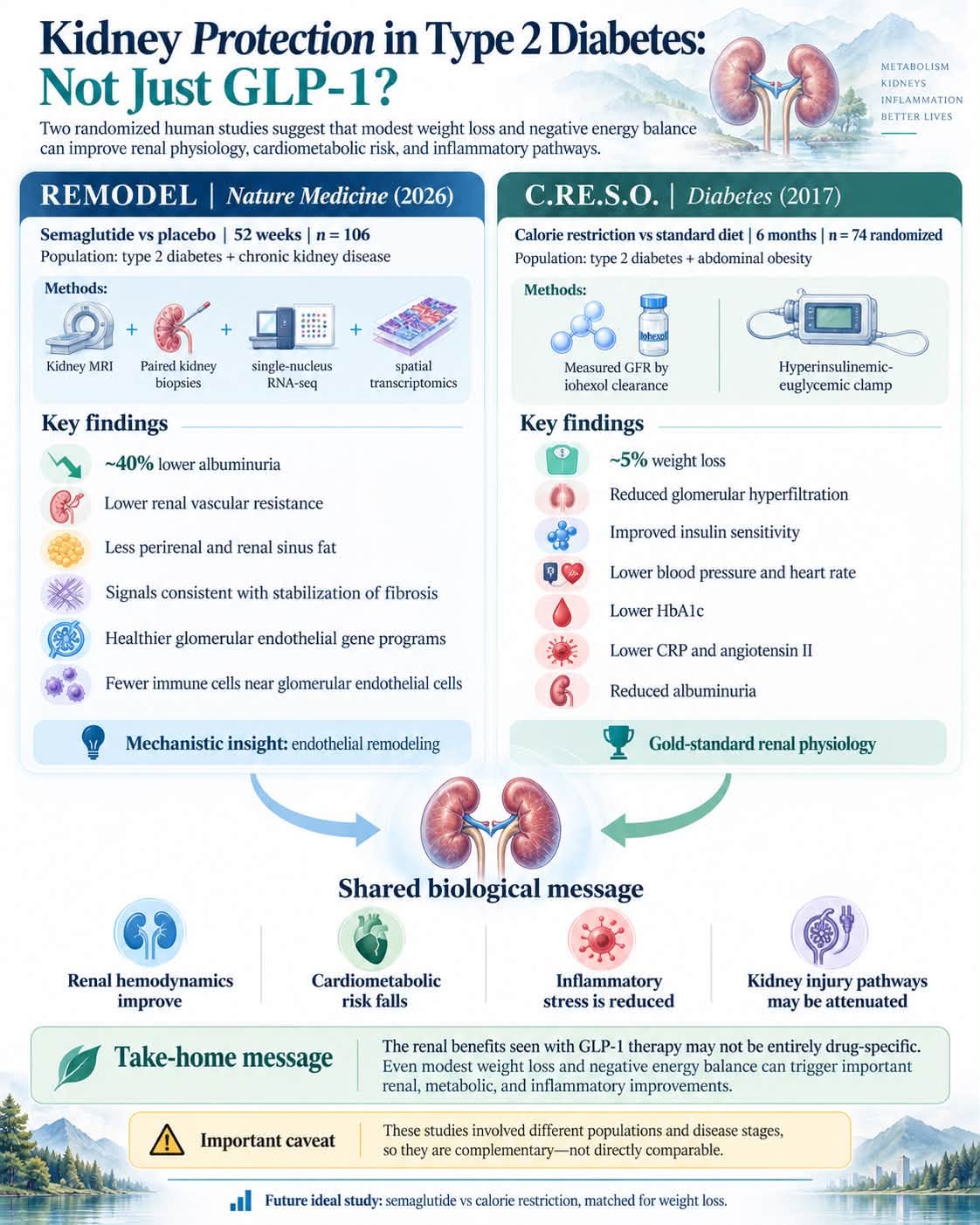
A Nature Medicine mechanistic study (REMODEL) found semaglutide in people with type 2 diabetes and chronic kidney disease cut albuminuria by 40% and reduced kidney and perirenal fat, with biopsy changes in glomerular endothelial cells. The poster argues the kidney benefit stems from negative energy balance rather than anything special about GLP-1 drugs, which simply make calorie restriction easier.