HD-OPM Archive
Topics › Fats & oils (saturated fat, seed oils, omega-6, olive oil)

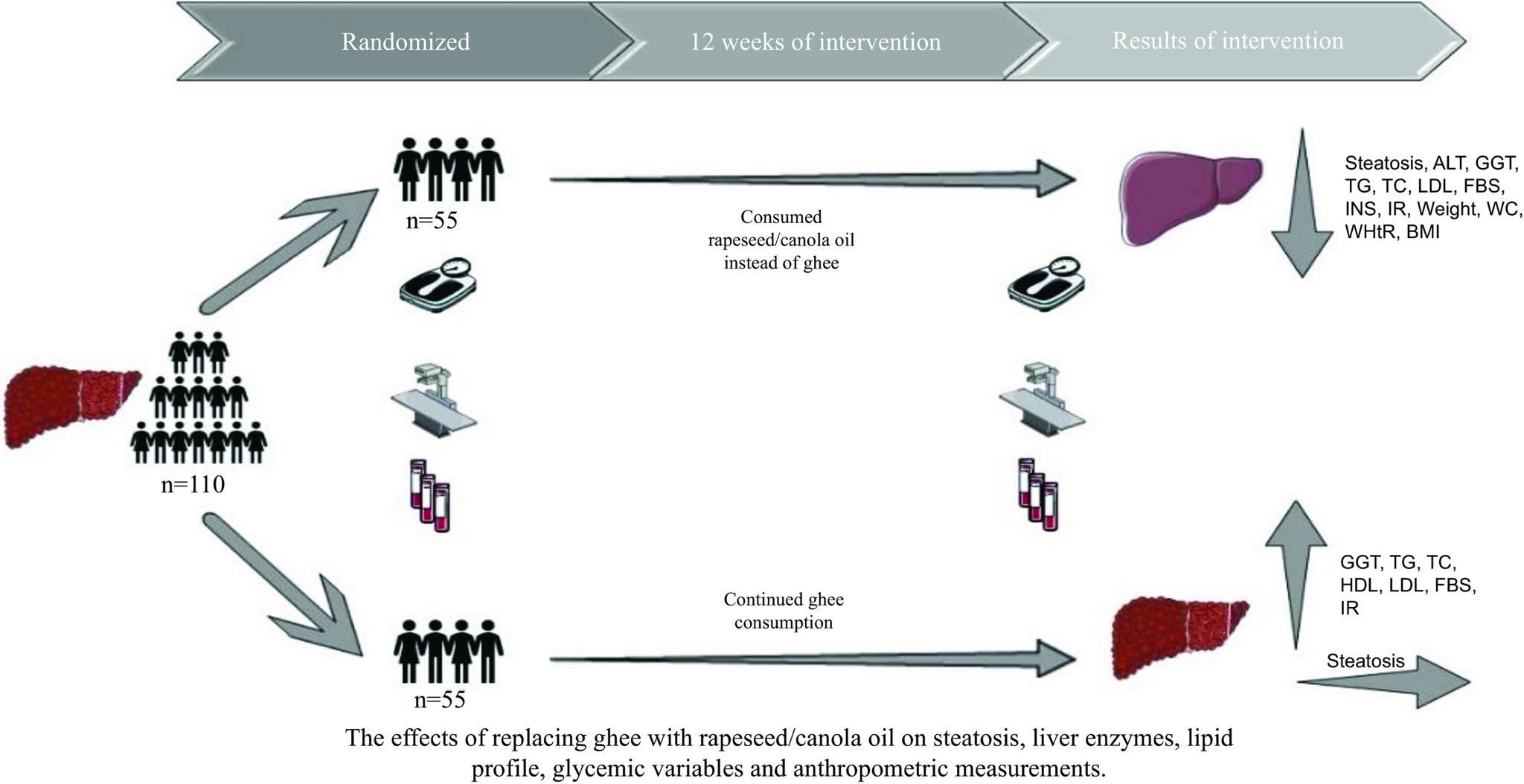
RCT: swapping ghee for rapeseed (canola) oil cut liver fat in 110 NAFLD patients

Louis Nervegna · Mar 24, 2025 · ♥ 10 reactions · 17 comments · original Facebook post
Fats & oils (saturated fat, seed oils, omega-6, olive oil)Weight, visceral & liver fatInsulin resistance & diabetes
↻ This is a repost. The main version (highest ranked) is Swapping ghee for rapeseed (canola) oil cut liver fat and insulin resistance in an RCT · Sep 05, 2025.
AI summary & key facts

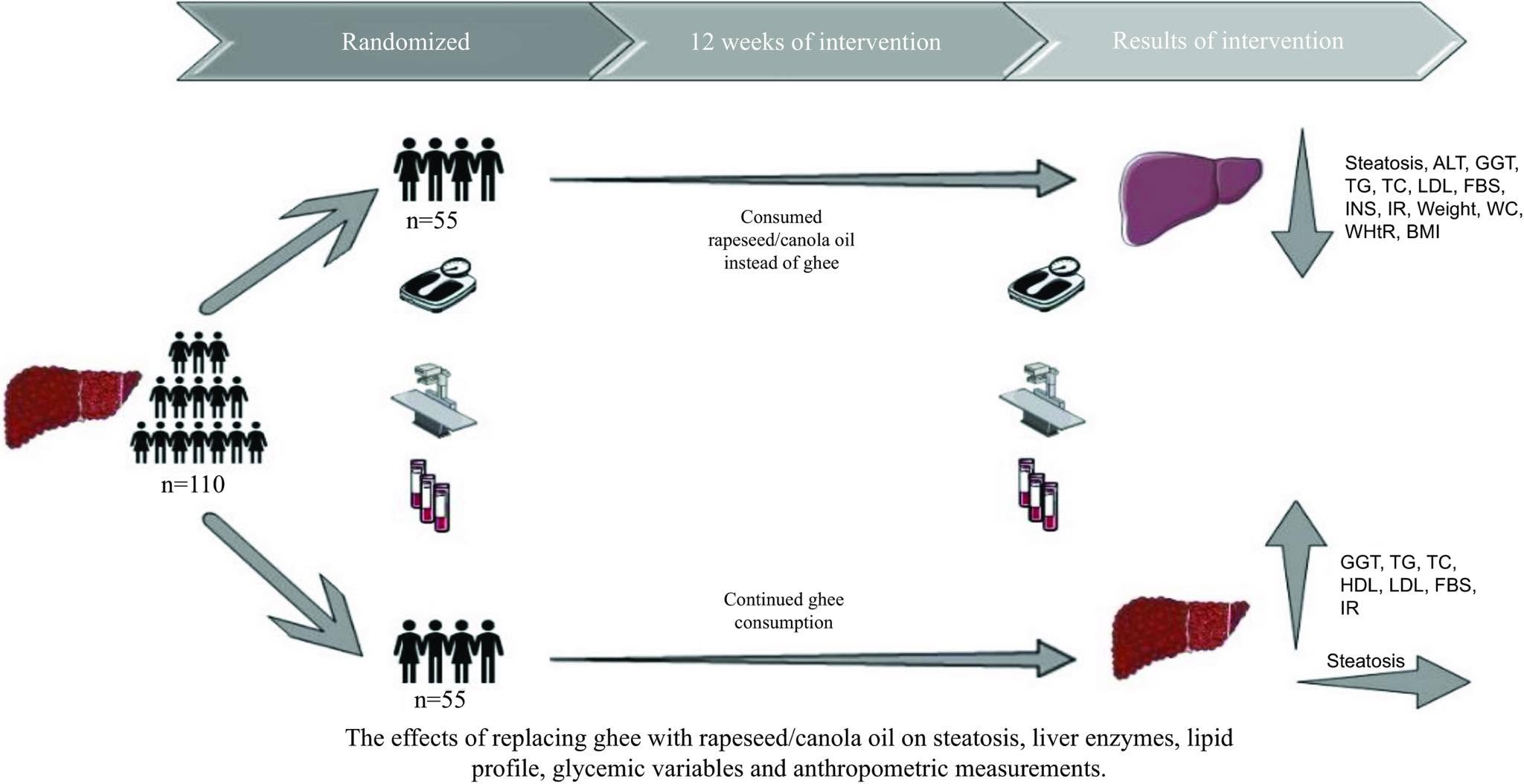
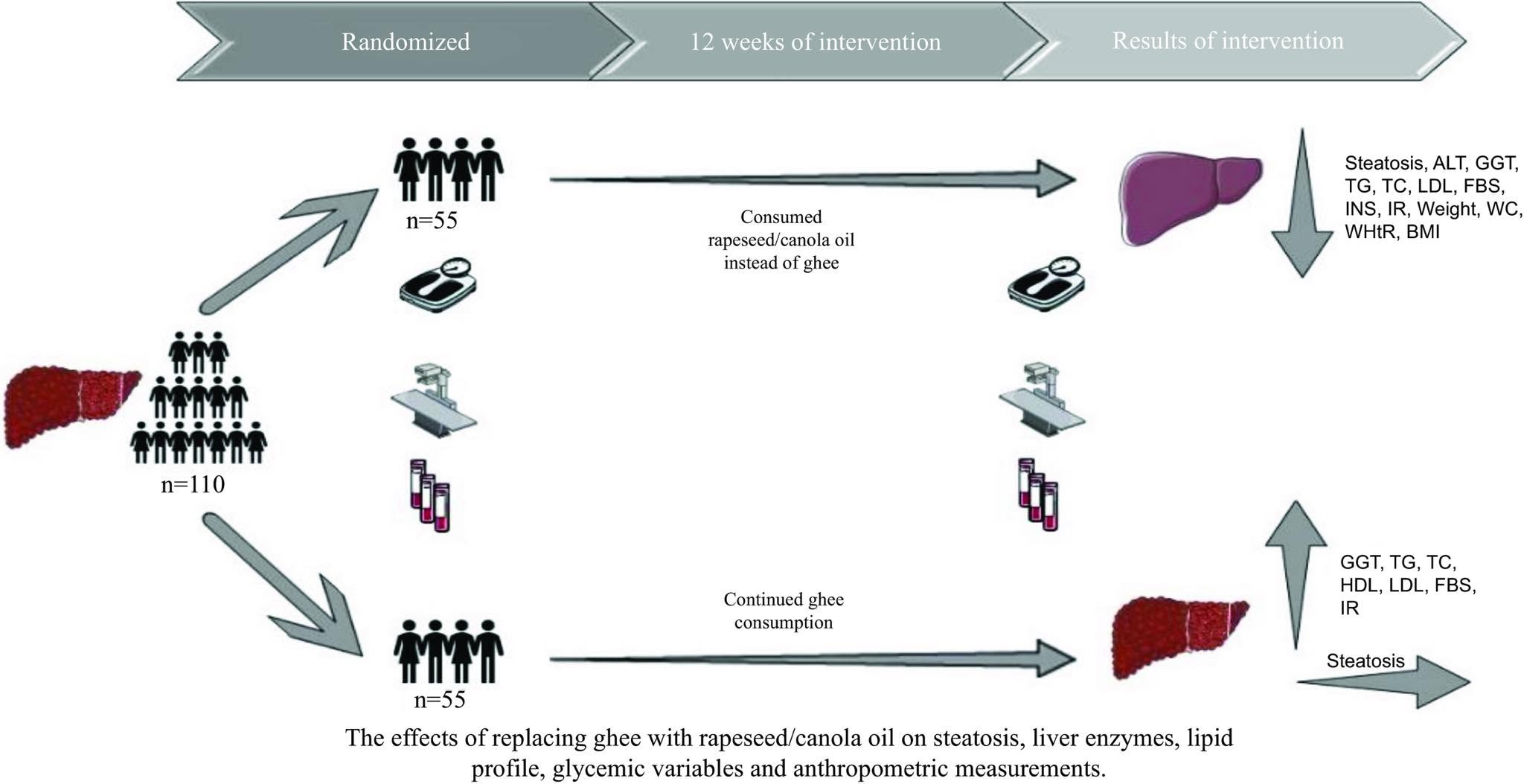
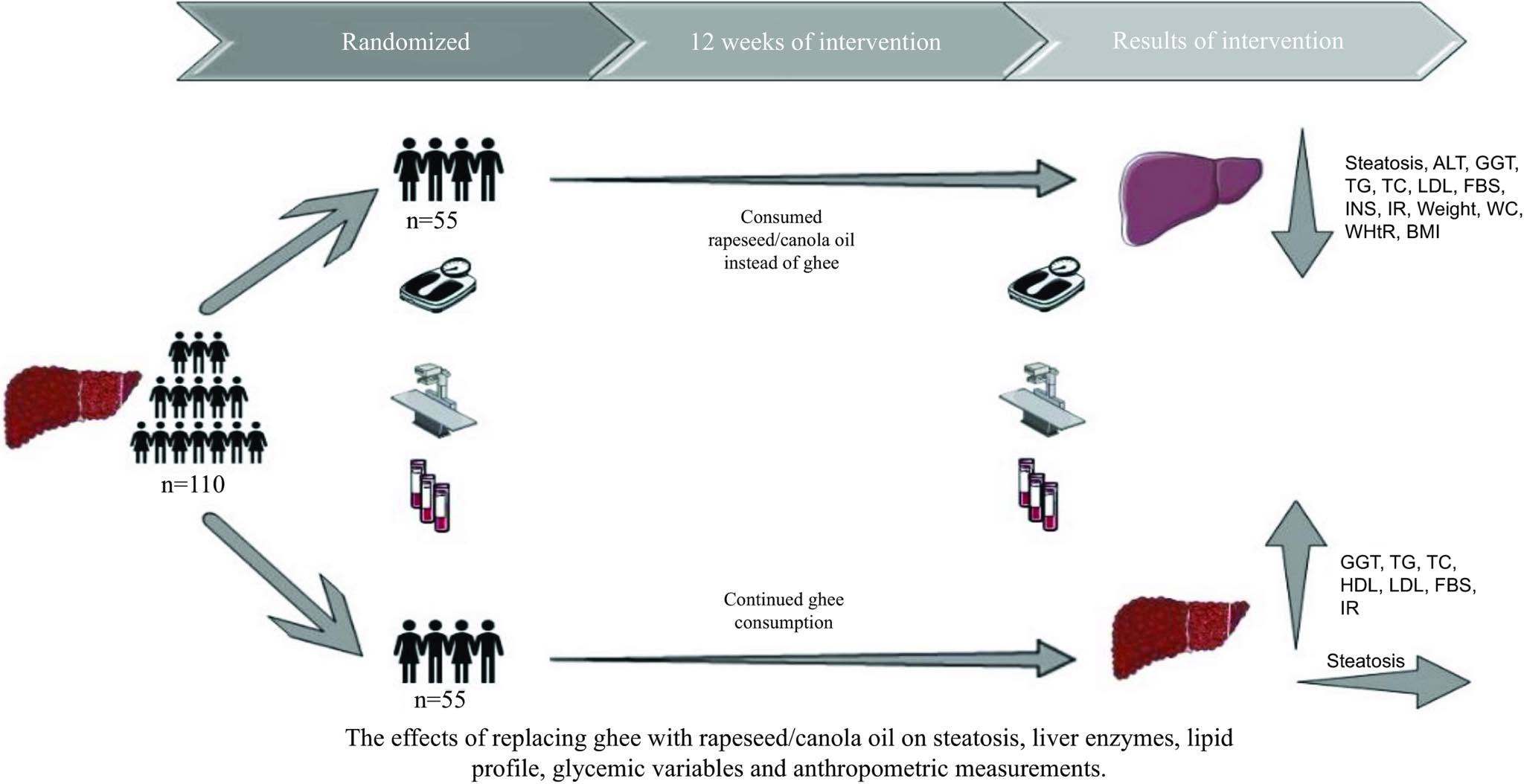
Louis cites a March 2024 randomized trial of 110 patients with non-alcoholic fatty liver disease who replaced ghee with rapeseed oil in the same amount for 12 weeks. The rapeseed group had significantly less liver steatosis than controls and improved liver enzymes, triglycerides, cholesterol, LDL, fasting glucose and insulin. Louis states this occurred without changing calories.

Substituting canola oil for butter reverses fatty liver disease and insulin resistance without even changing calories. This is proven in a well done randomized controlled trial of over 100 people.

↪ Swapping ghee for rapeseed (canola) oil cut liver fat in an RCT of 110 NAFLD patients
Research cited

Canola oil is poison that causes metabolic disease, right?

Oh wait… but when you give it to patients with metabolic syndrome and insulin resistance severe enough to cause fatty liver disease, it removes the fat from their livers and significantly improves virtually every aspect of their condition without reducing calories…

Randomized controlled trial, published March 2024:

The effects of replacing ghee with rapeseed oil on liver steatosis [fattiness of liver] and enzymes, lipid profile, insulin resistance and anthropometric measurements in patients with non-alcoholic fatty liver disease: a randomised controlled clinical trial

Quoted:

“Over 12 weeks, 110 patients (seventy men and forty women; BMI (mean) 28·2 (SD 1·6 kg/m2); mean age 42 (SD 9·6) years), who daily consumed ghee, were assigned to the intervention or control group through random allocation. The intervention group was advised to substitute ghee with rapeseed oil in the same amount. The control group continued the consumption of ghee and was instructed to adhere to a healthy diet. Results showed a significant reduction in the steatosis [fattiness of liver] in the intervention group in comparison with the control group (P < 0·001). However, a significant change in the levels of alanine aminotransferase (–14·4 μg/l), γ-glutamyl transferase (–1·8 μg/l), TAG (–39·7 mg/dl), total cholesterol (–17·2 mg/dl), LDL (–7·5 mg/dl), fasting blood glucose (–7·5 mg/dl), insulin (–3·05 mU/l), Homeostatic Model Assessment for Insulin Resistance (–0·9), Quantitative Insulin-Sensitivity Check Index (+0·01), weight (–4·3 kg), BMI (–0·04 kg/m2), waist (–5·6 cm) and waist:height ratio (–0·04) was seen in the intervention group. The consumption of rapeseed oil instead of ghee caused improvements in liver steatosis and enzymes, glycaemic variables and anthropometric measurements among individuals with NAFLD.”

Paper · Br J Nutr · 2024The effects of replacing ghee with rapeseed oil on liver steatosis and enzymes, lipid profile, insulin resistance and anthropometric measurements in patients with non-alcoholic fatty liver disease: a randomised controlled clinical trialNon-alcoholic fatty liver disease (NAFLD), which is a prevalent hepatic condition worldwide, is expected to develop into the leading reason for end-stage fatty liver in the forthcoming decades. Incorporating rapeseed oil into a balanced diet may be beneficial in improving NAFLD. The goal of this trial was to evaluate the impact of substituting ghee with rapeseed oil on primary outcomes such as fatty liver and liver…cambridge.org

#canolaoilHD #butterHD #fattyliverHD #insulinresistanceHD #metabolicsyndromeHD #liverfatHD #seedoilsHD #omega6diabetesHD #liverfatsummaryHD #omega6liverHD

No photo description available.
← newer: Statin liver injury is rare, about 1 in 1,000, and routine molder: VLDL cholesterol is roughly triglycerides/5 and may be more →