HD-OPM Archive
Hashtags

#liverfat

102 posts

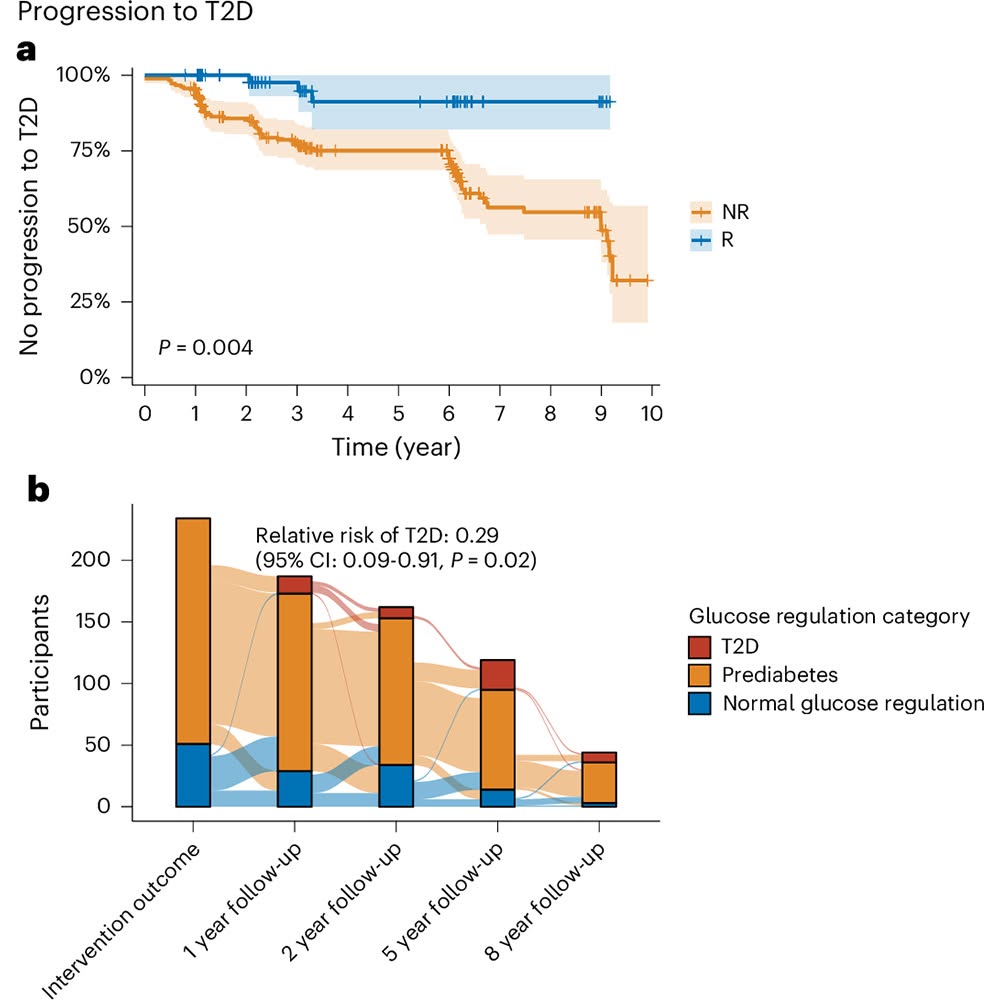
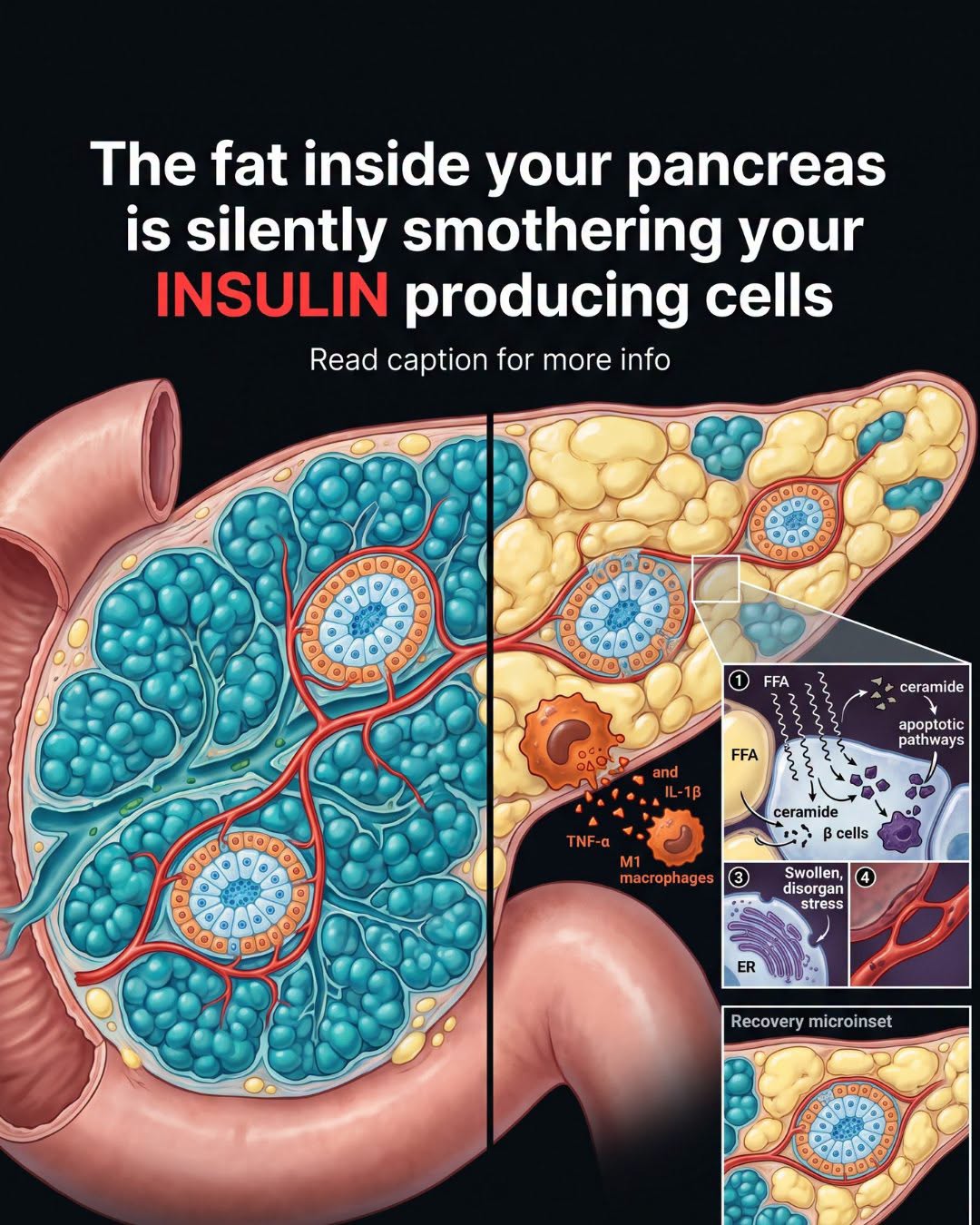
Roy Taylor trial: clearing liver and pancreas fat via 8-week low-calorie diet reversed T2D

Sep 01, 2024 · Louis Nervegna ♥ 24 · 💬 22 ↩ 21 Insulin resistance & diabetes

Louis summarizes Roy Taylor's randomized trial in which an 8-week very low calorie liquid diet cleared fat from the liver and pancreas, restoring insulin sensitivity and beta cell function and putting diabetes into remission. Average weight loss needed was about 15 kg (33 lb), followed by a Mediterranean-style maintenance diet. Some patients had a full curative response with pancreas regeneration seen on imaging.

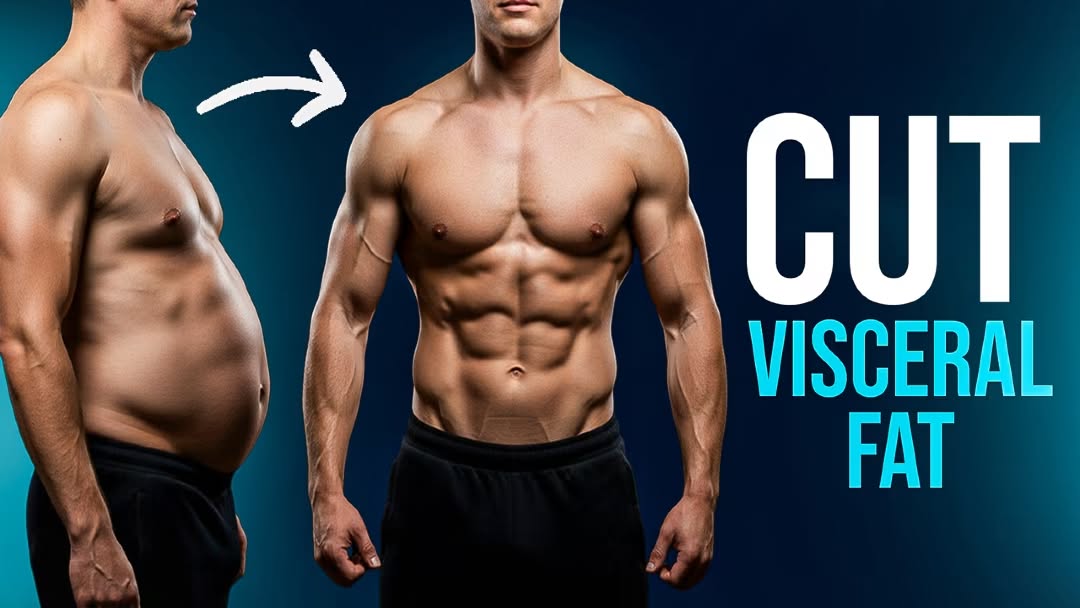
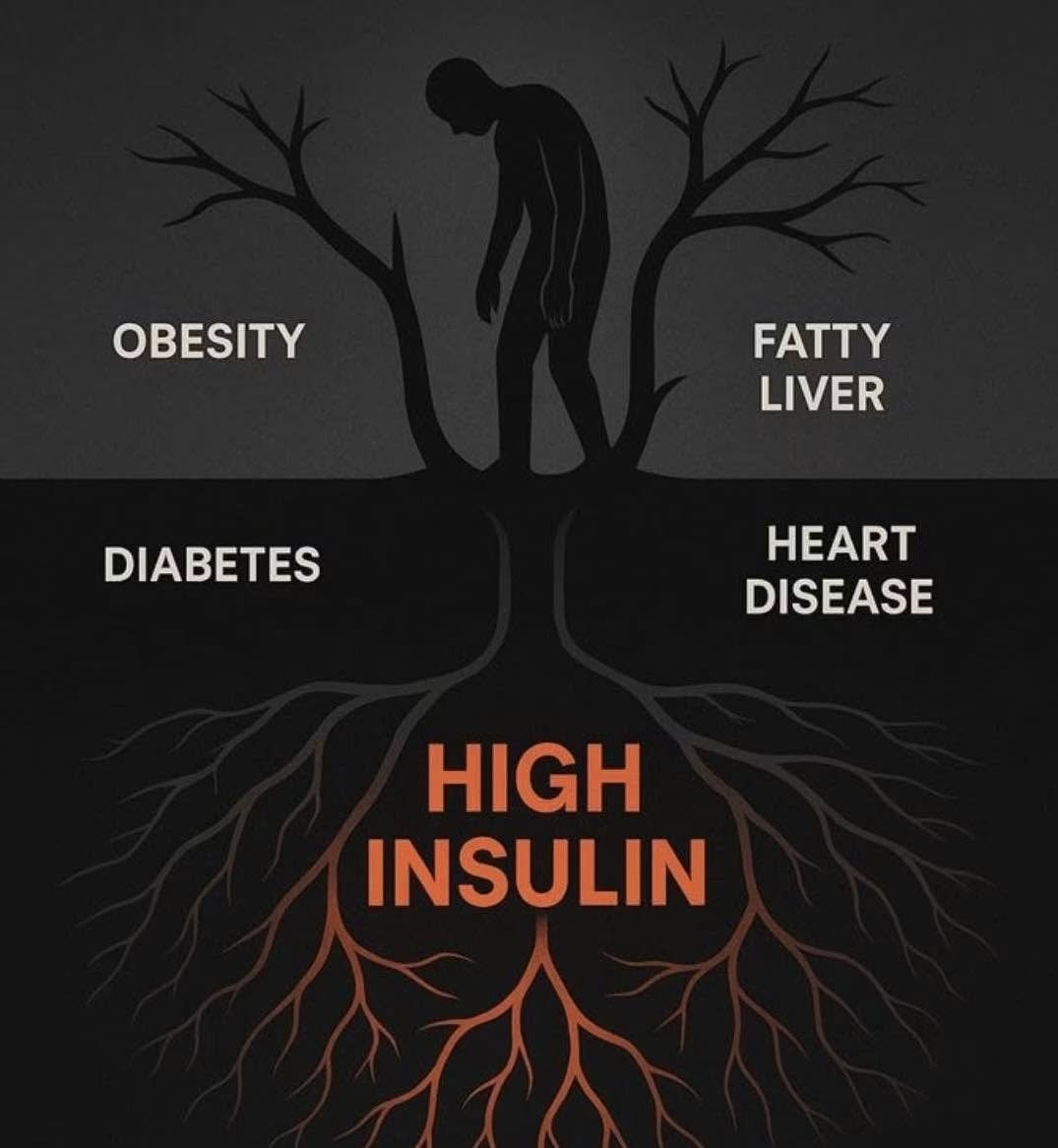
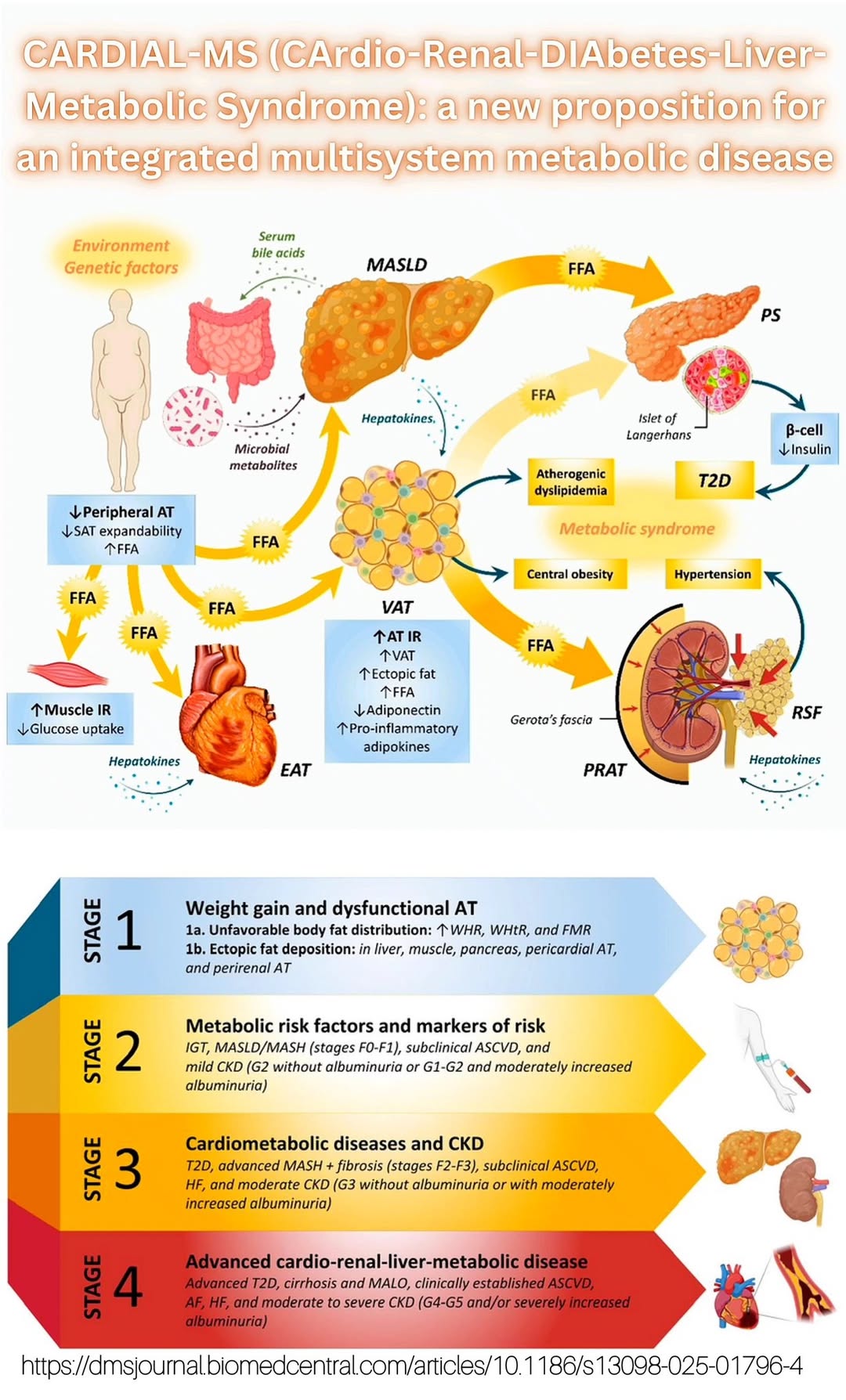
Liver fat is the main driver of insulin resistance, and visceral fat is a visible marker

Sep 24, 2024 · Louis Nervegna ♥ 21 · 💬 25 Insulin resistance & diabetes

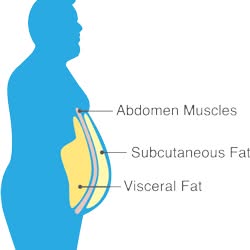
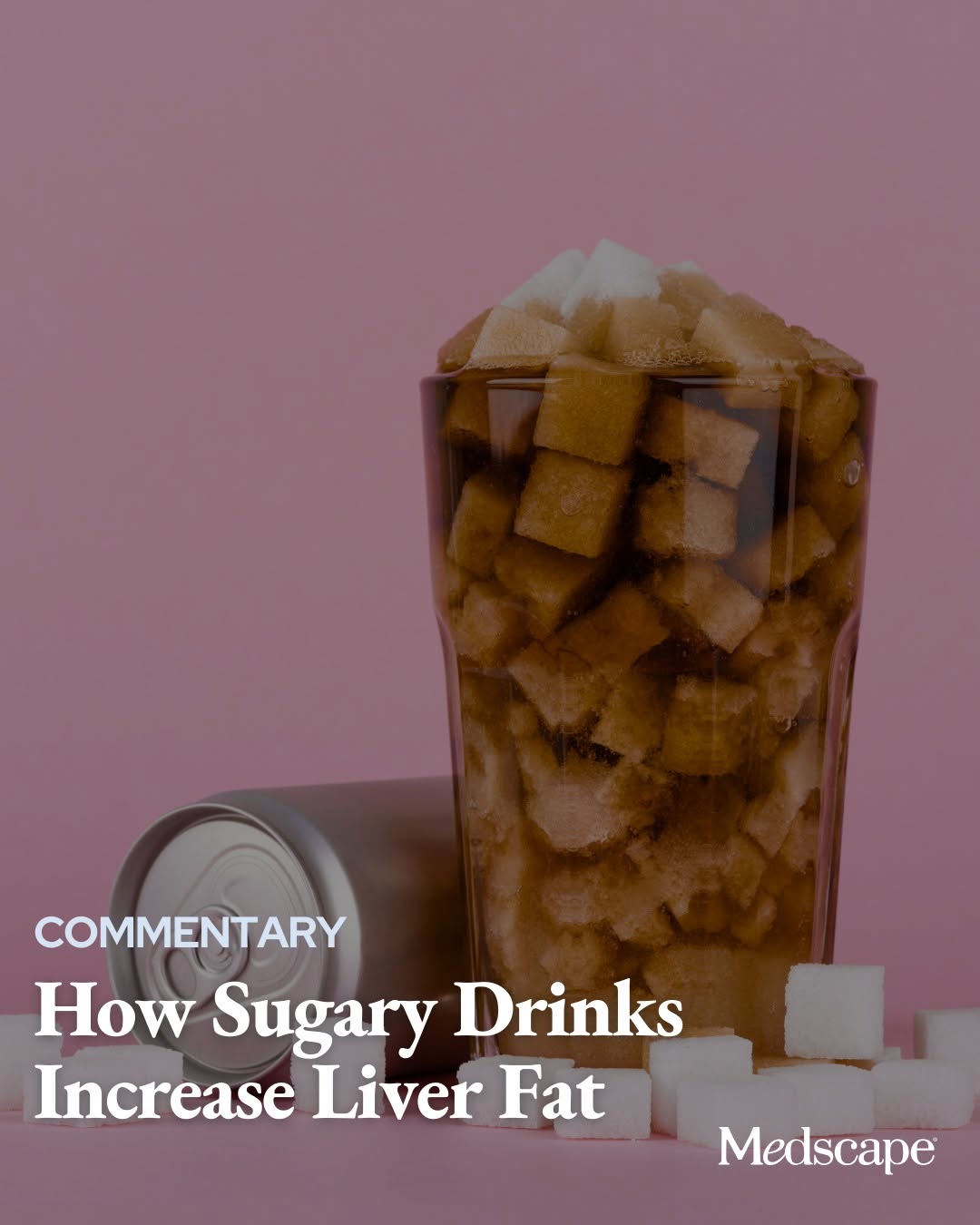
Louis reposts a Harvard diabetologist's explanation that in most people fat stored in the liver is the biggest cause of insulin resistance. Losing liver fat by any means dramatically improves it, and weight loss removes liver fat first. Refined starch and sugar-sweetened drinks raise the odds, though excess calories alone can do it. Visible abdominal visceral fat is a simple proxy.
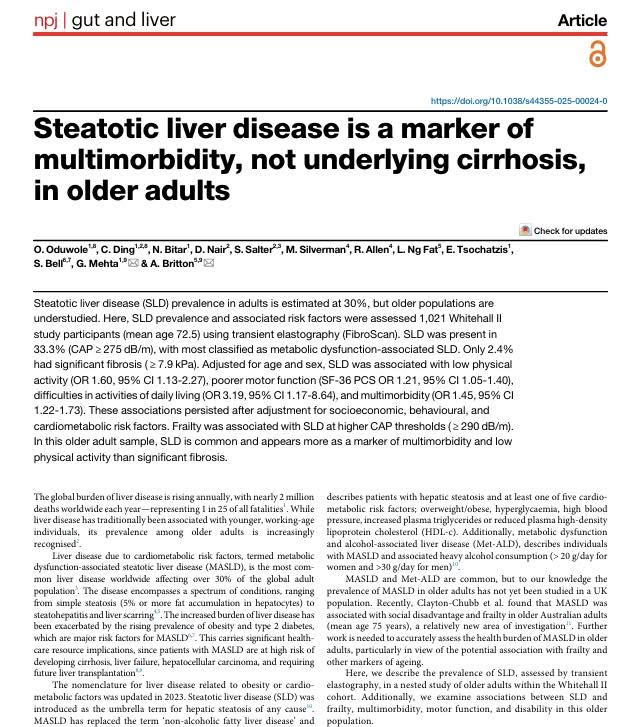
Diabetes researchers cite fat in muscle and liver as the main cause of insulin resistance

Oct 19, 2025 · Louis Nervegna ♥ 23 · 💬 13 Insulin resistance & diabetes

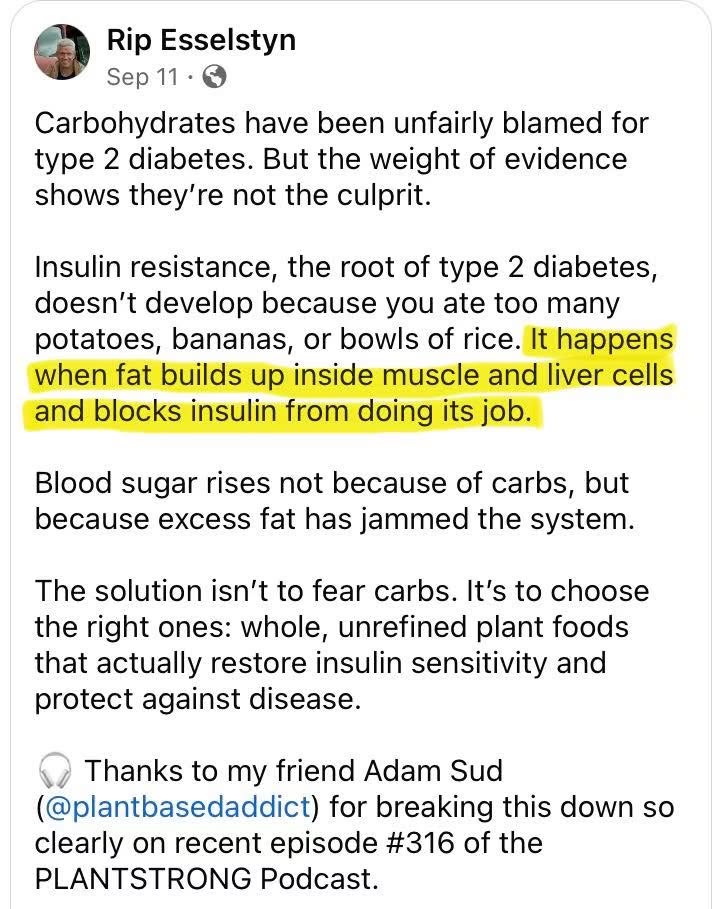
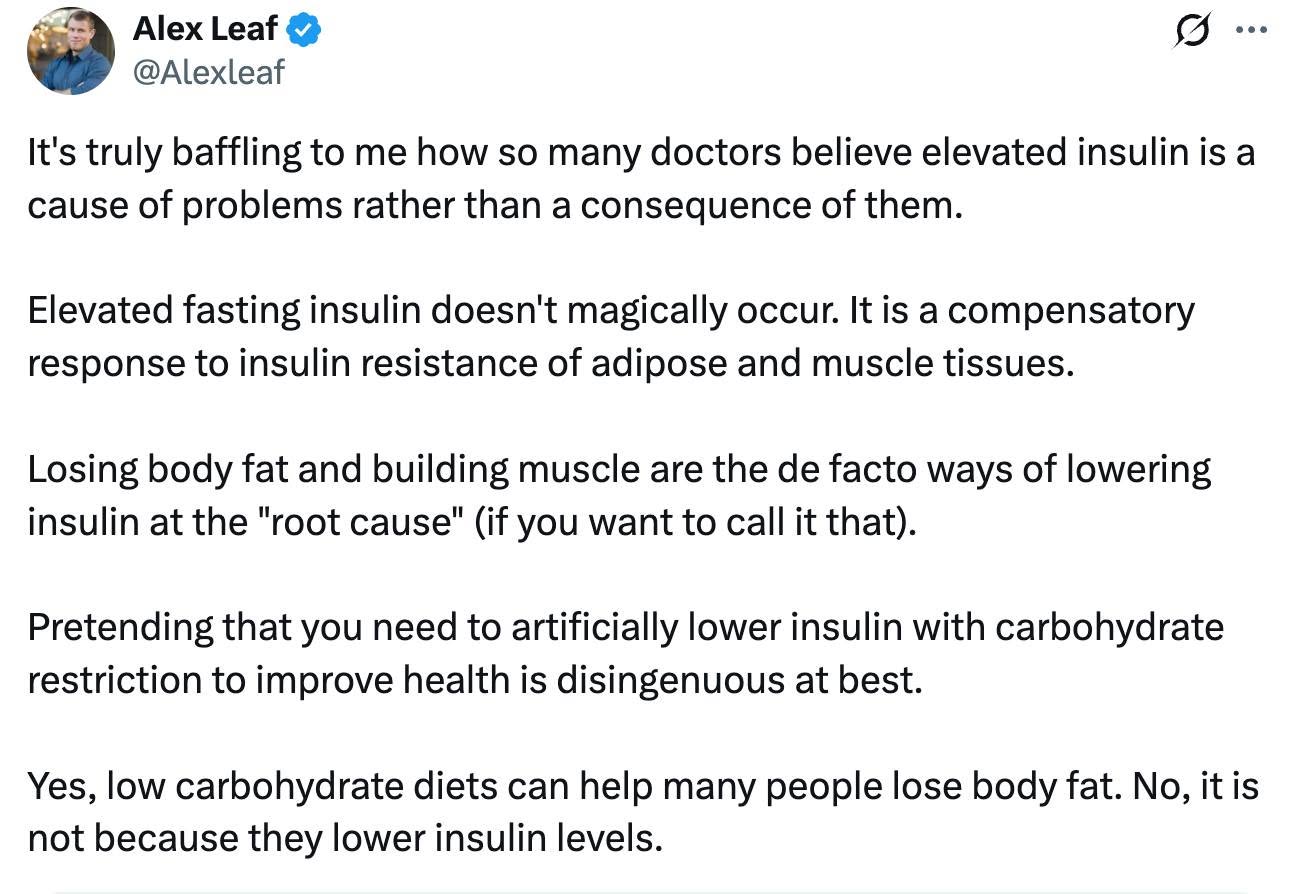
Louis says leading diabetes researchers increasingly agree that fat build-up inside muscle and liver is what causes insulin resistance in most people. Food types can make accumulation easier or harder, but the main cause is overall calorie overconsumption, and very lean people with no ectopic fat rarely develop insulin resistance whatever they eat.
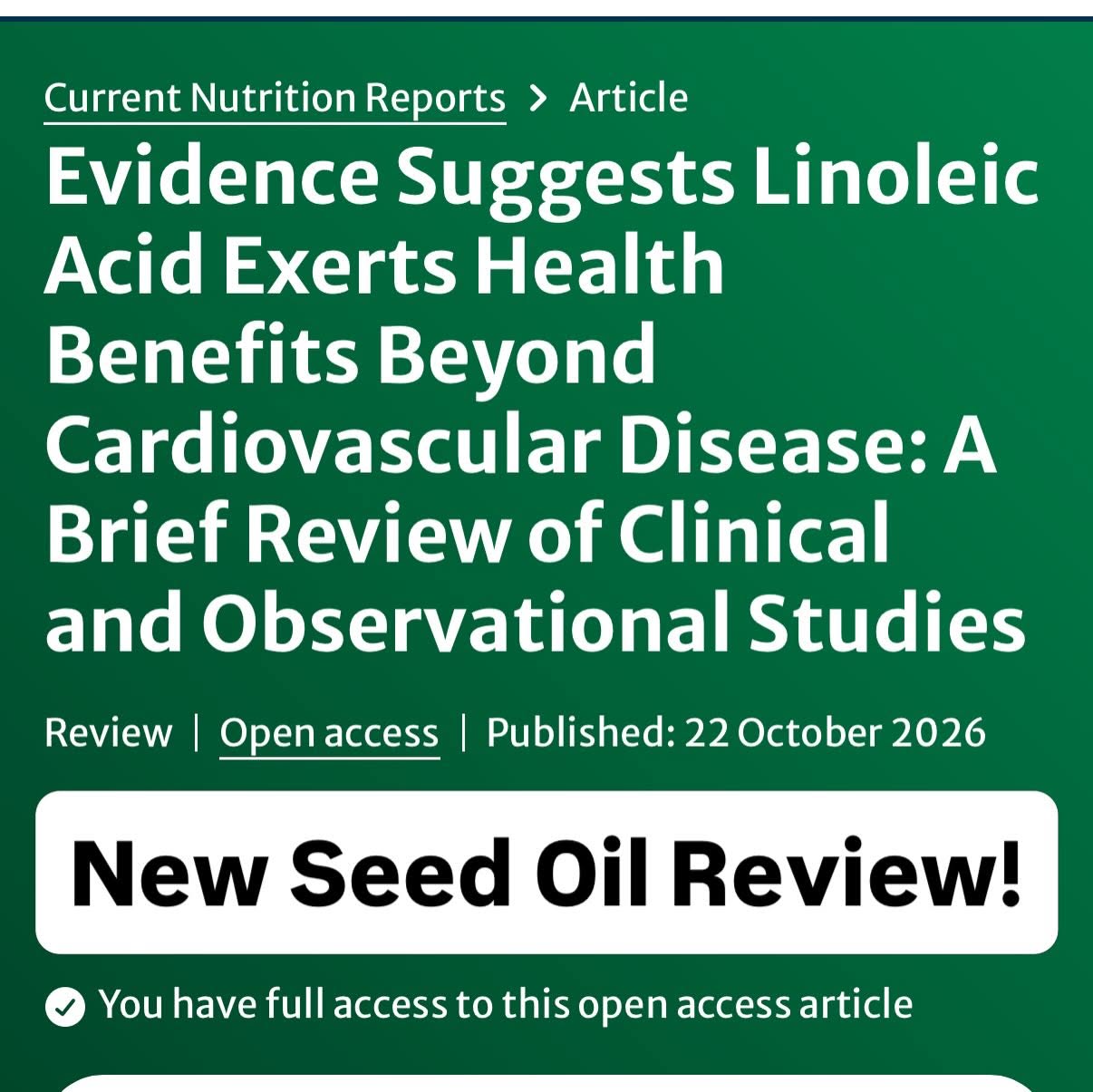
Swapping saturated for polyunsaturated 'seed oil' fats lowered liver fat in an RCT

Dec 18, 2024 · Louis Nervegna ♥ 14 · 💬 13 ↩ 5 Fats & oils (saturated fat, seed oils, omega-6, olive oil)

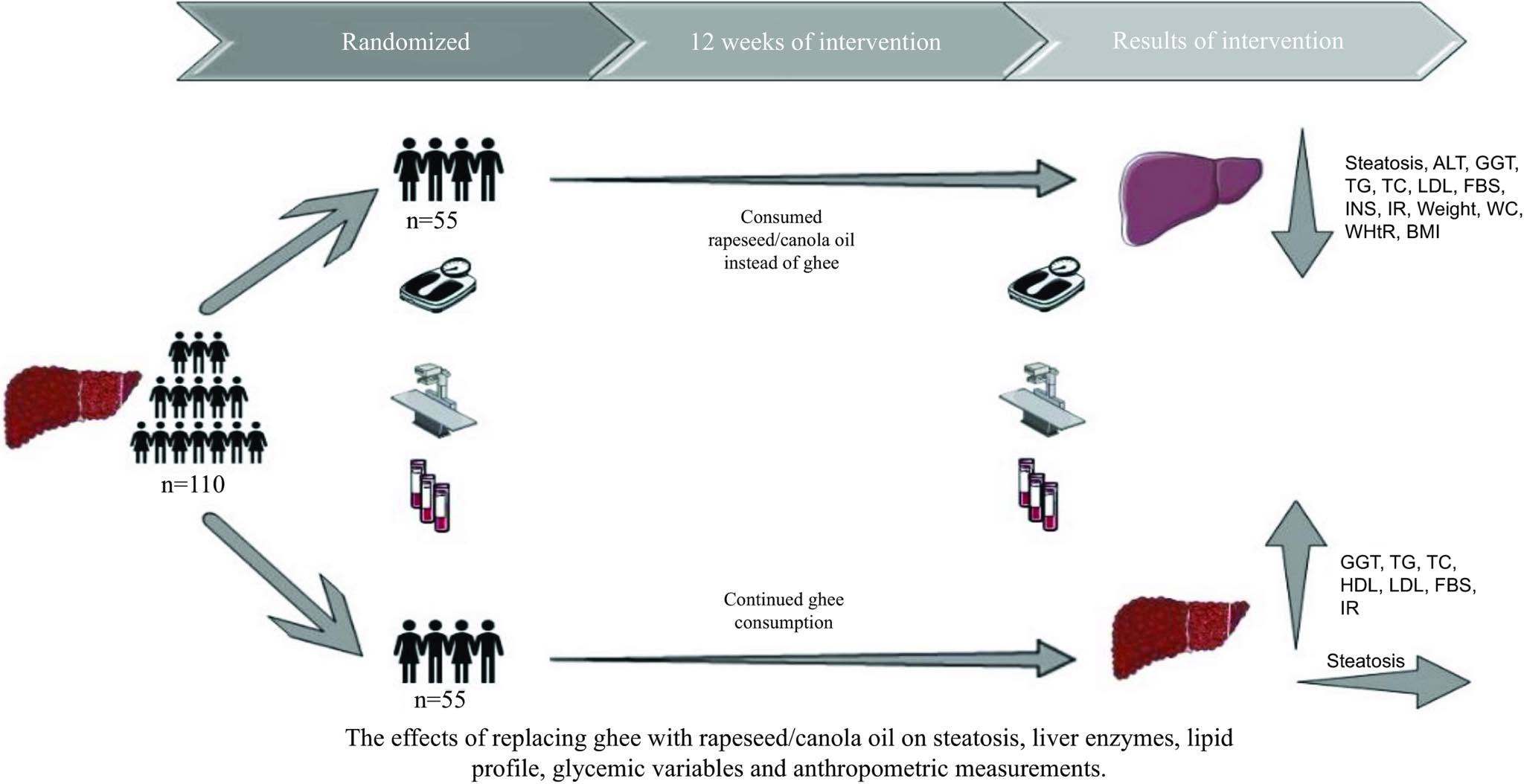
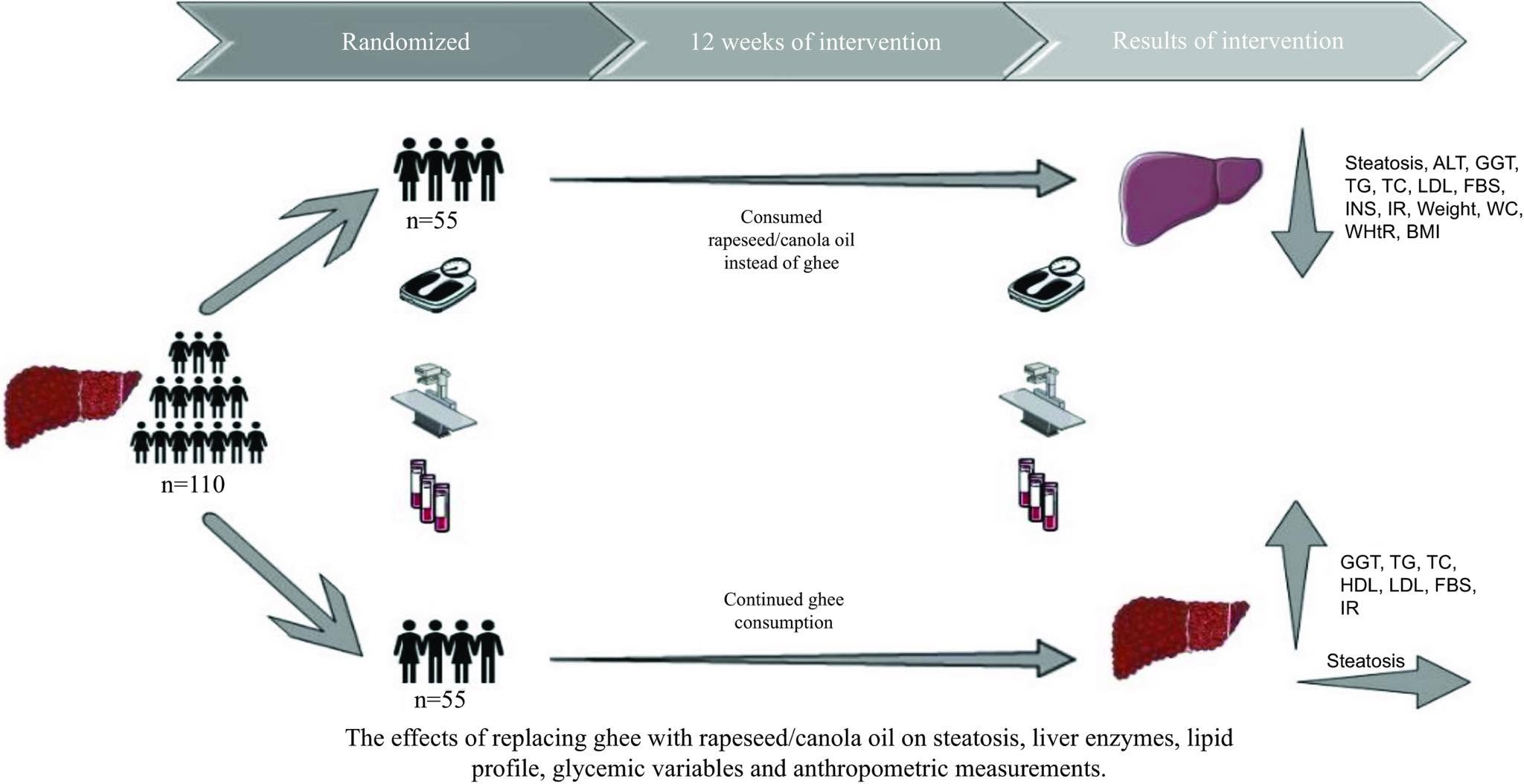
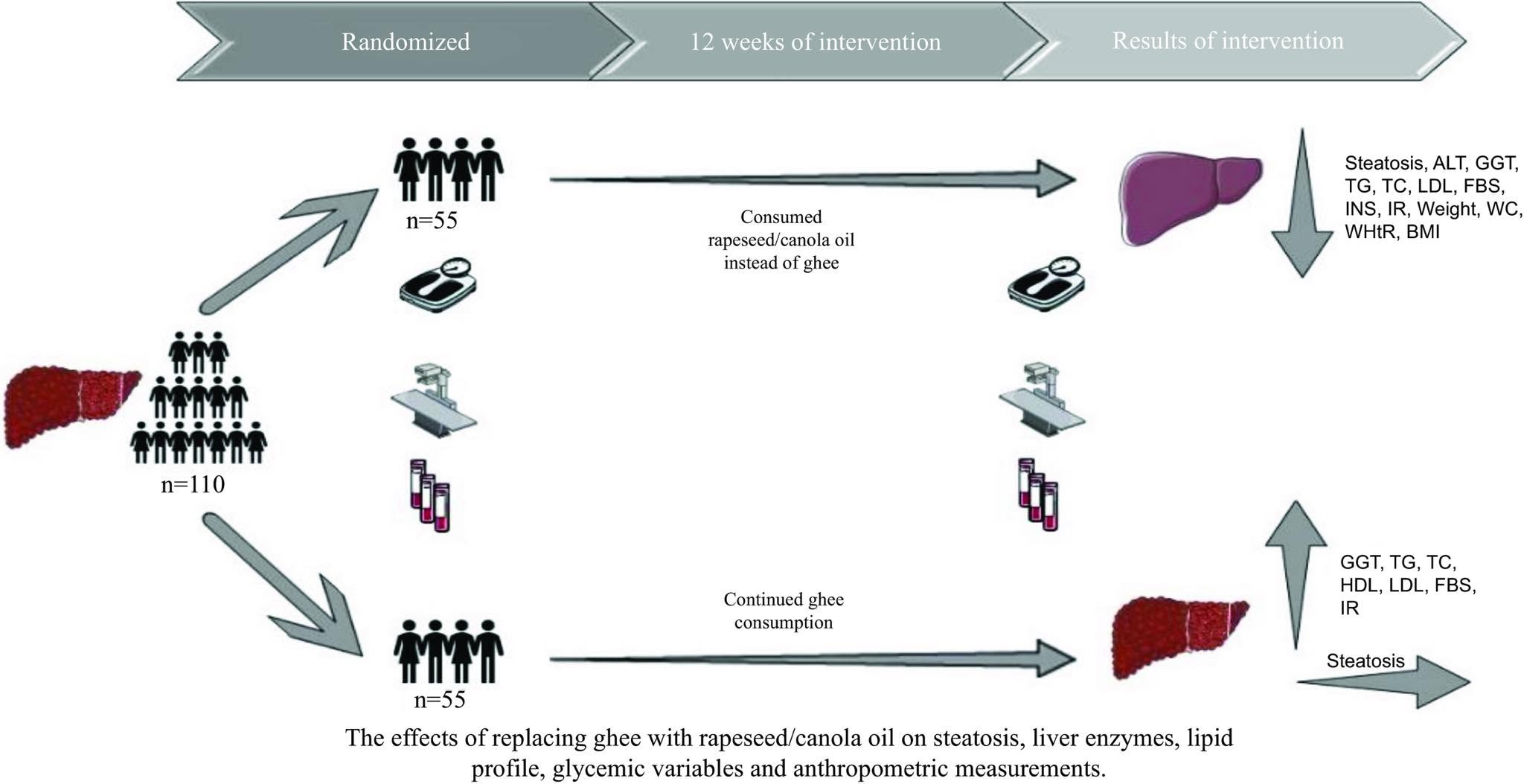
Louis highlights a secondary analysis of a 12-week RCT in NAFLD. Higher dietary and plasma polyunsaturated fat, especially n-6, was associated with larger liver fat loss, while higher saturated fat intake or plasma saturated fat was associated with less reduction in liver stiffness and liver fat. He says multiple well-done studies show this.

Sumo wrestlers stay metabolically healthy because heavy exercise shifts fat under the skin

Mar 09, 2025 · Louis Nervegna ♥ 21 · 💬 9 Weight, visceral & liver fat

Louis explains why sumo wrestlers, despite huge calorie and refined-carbohydrate intake, store little fat in the liver and pancreas and little visceral fat. He attributes this to up to 7 hours of daily exercise, which releases adiponectin and steers fat storage to subcutaneous tissue, a reason exercise protects against metabolic syndrome and diabetes.

Normal fruit intake does not raise liver or visceral fat

Dec 03, 2025 · Louis Nervegna ♥ 16 · 💬 4 Carbs, fiber, sugar & whole grains

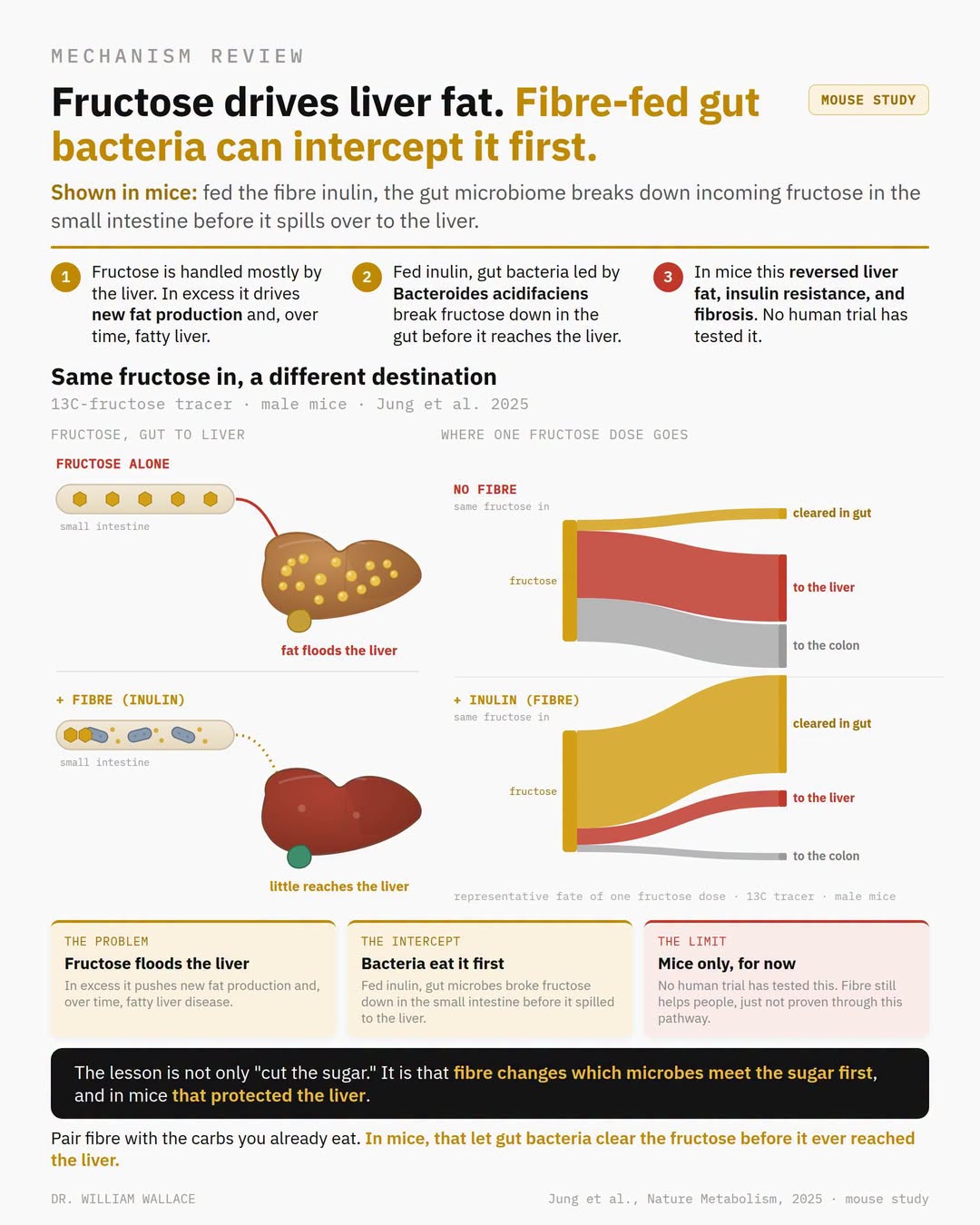
Louis quotes a post arguing that 500 g/day of added fruit for 2 months did not raise MRI liver fat despite nearly tripled fructose intake, and that fructose harms appear in extreme overfeeding studies with fructose-sweetened drinks. In calorie-matched trials, fructose replacing other carbs did not raise liver fat or ALT.

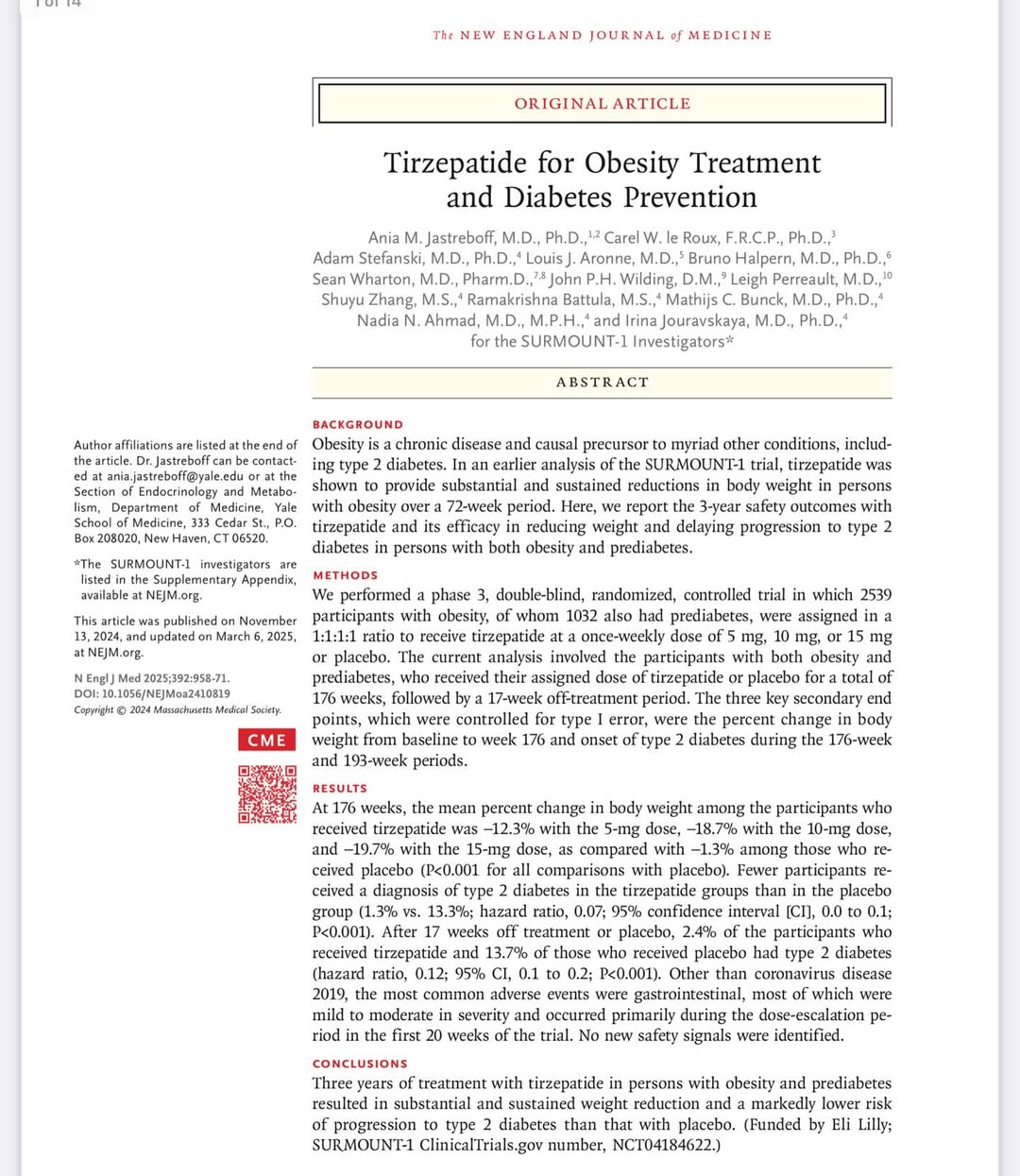
Tirzepatide cut 3-year diabetes incidence to 1.3% vs 13.3% in SURMOUNT-1

Mar 06, 2025 · Louis Nervegna ♥ 12 · 💬 5 GLP-1 drugs (semaglutide, tirzepatide)

Louis shares Luigi Fontana's post on the 3-year SURMOUNT-1 results and adds that weight loss clears fat from liver and pancreas, the main cause of insulin resistance and beta-cell dysfunction, so any diet producing major weight loss can do the same. The shared post also warns about muscle/bone loss and nutrient deficiencies without exercise and good nutrition.

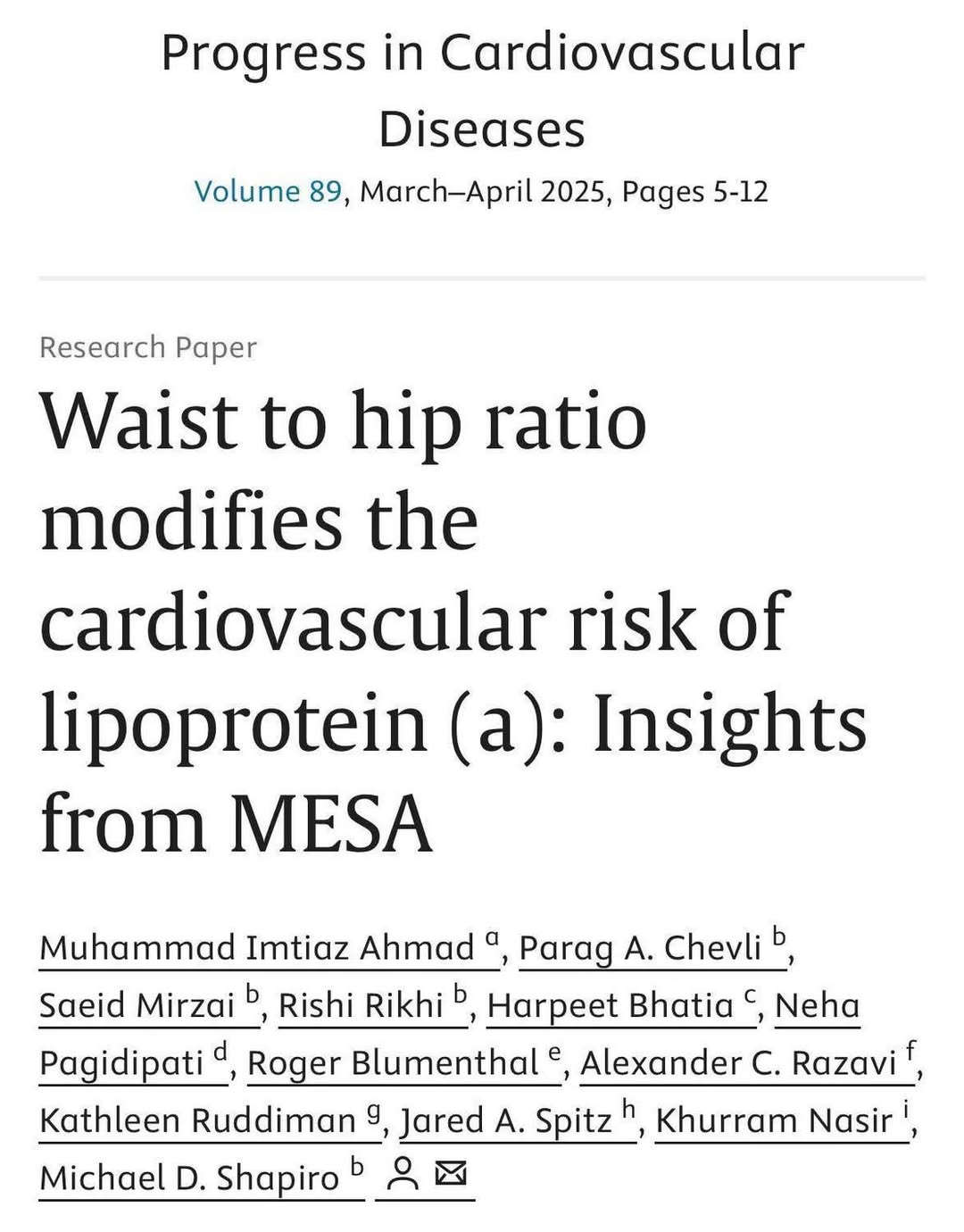
MESA: high Lp(a) raised ASCVD risk 2.34-fold only in people with large waist-to-hip ratio

Oct 18, 2025 · Louis Nervegna ♥ 10 · 💬 5 ↩ 4 Lp(a)

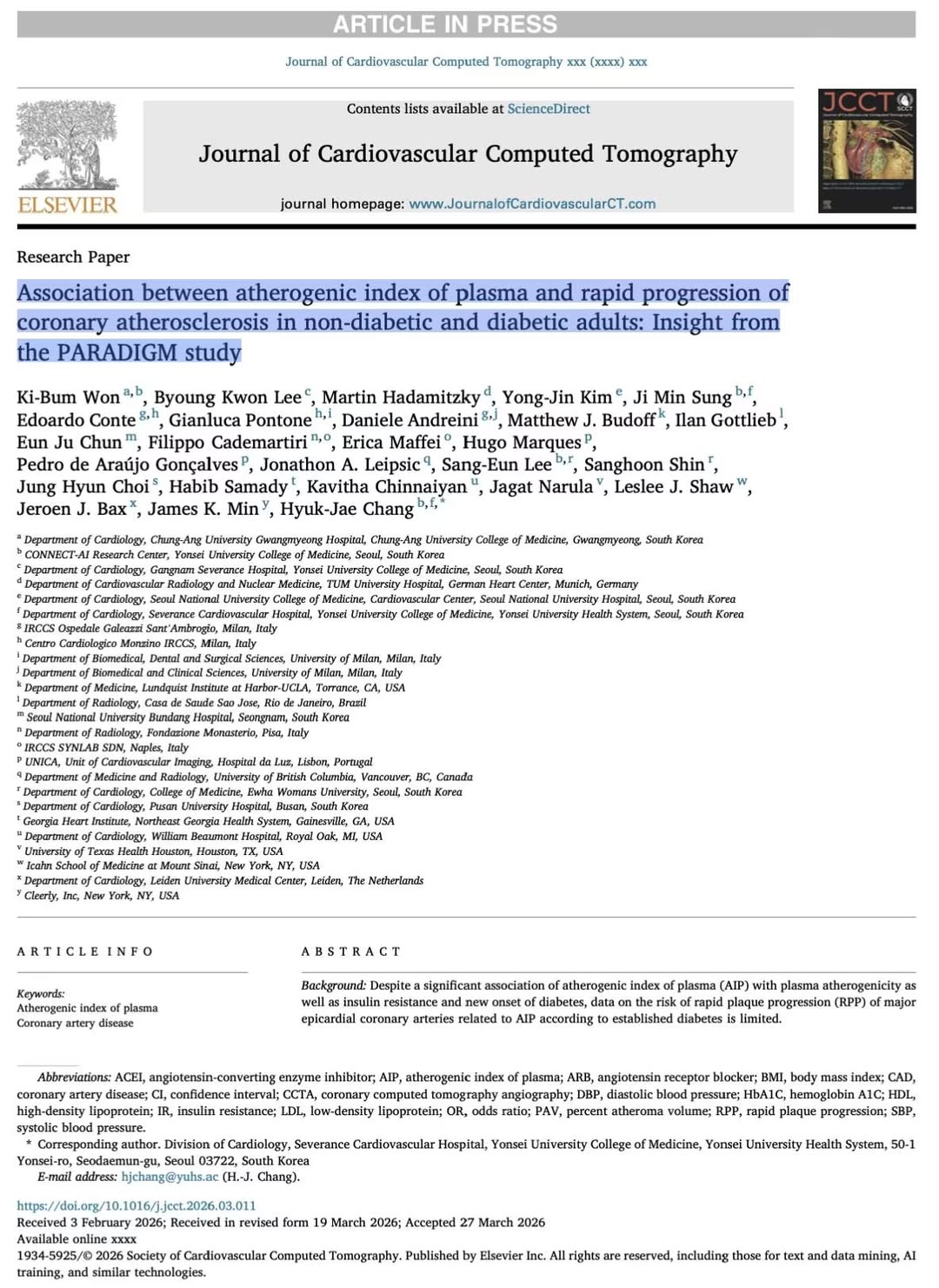
Louis summarizes a MESA cohort analysis in Progress in Cardiovascular Diseases showing waist-to-hip ratio (a visceral-fat and liver-fat proxy) modifies the ASCVD risk of Lp(a), while BMI did not. Lp(a) of 50 mg/dL or more with high WHR carried the excess risk, which mostly vanished when WHR was low. He stresses this is a prospective cohort, so it cannot prove causality, but suggests losing visceral fat is important with high Lp(a).

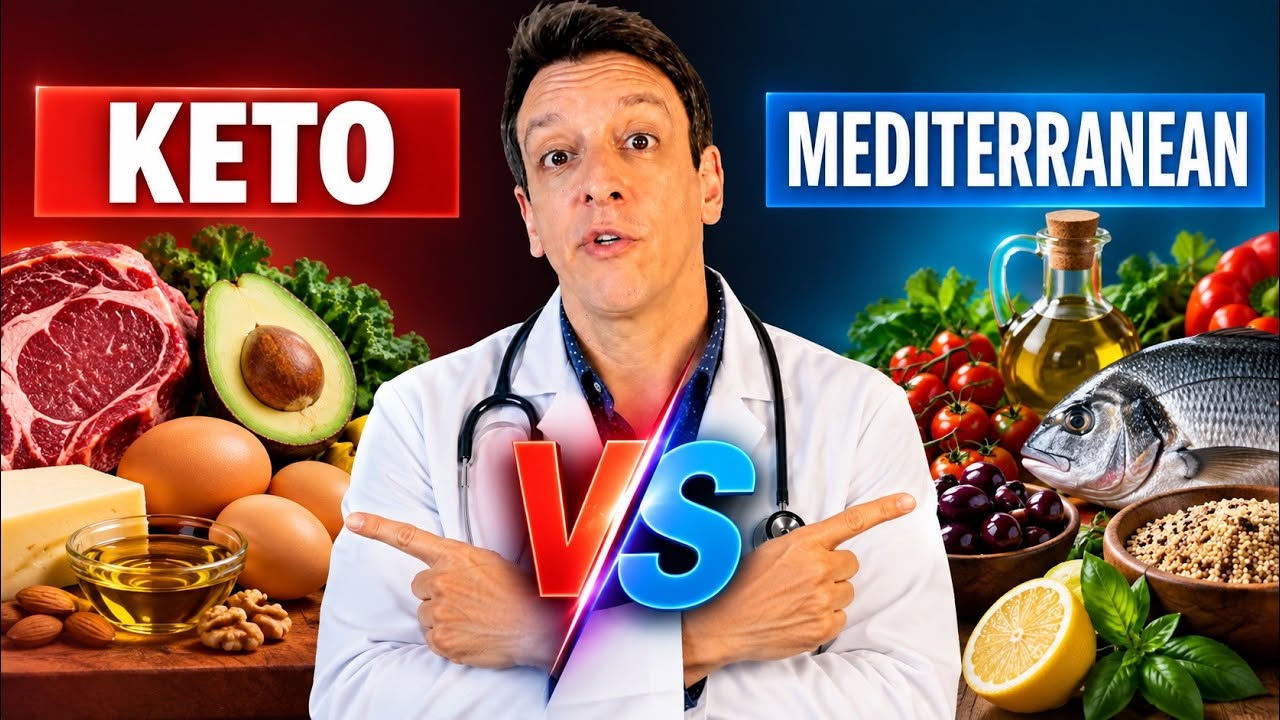
Keto beat Mediterranean and low-fat diets on liver fat and glycemia at equal weight loss

Aug 27, 2026 · Gokhan Can ♥ 6 · 💬 8 ↩ 1 Low-carb, keto & carnivore

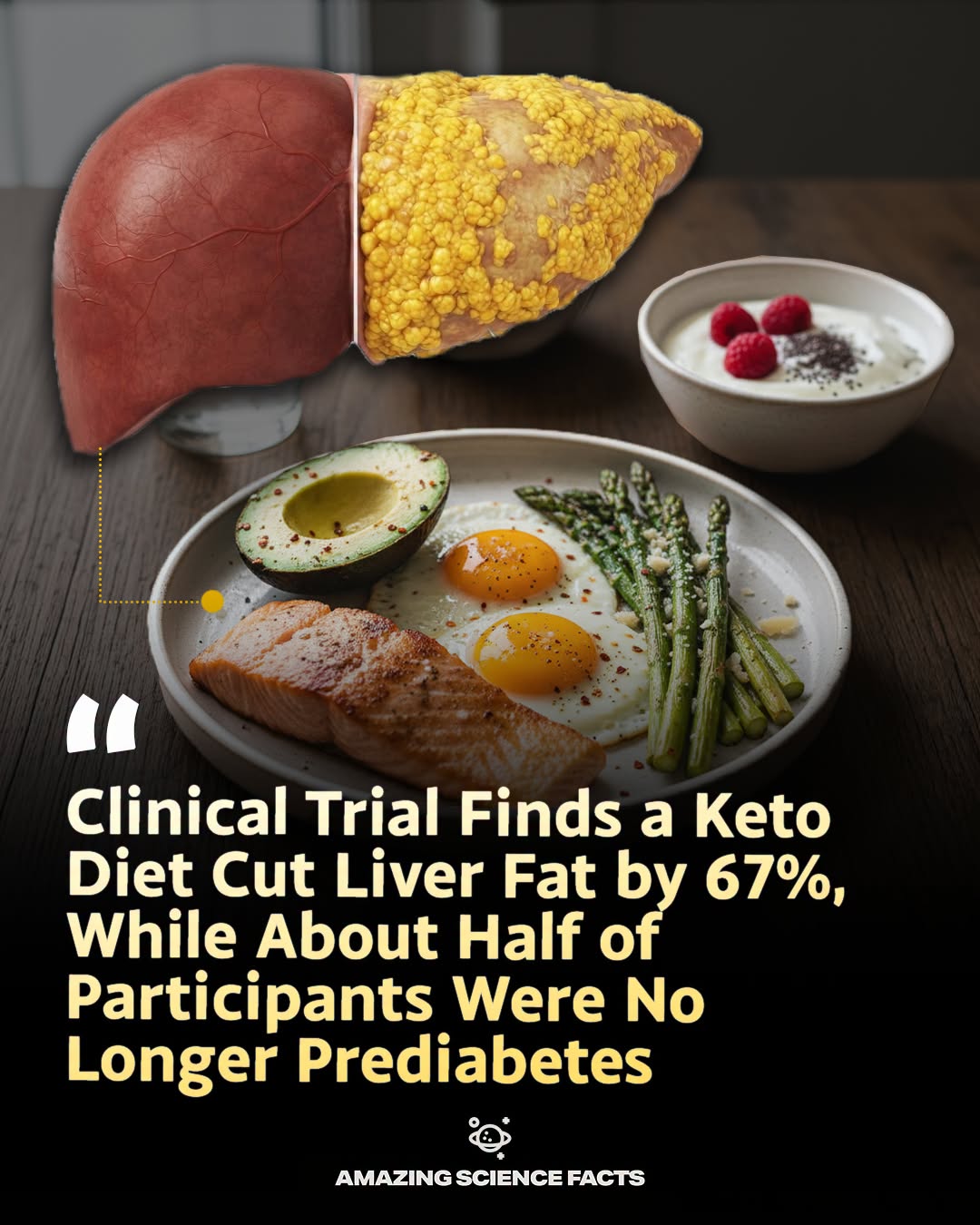
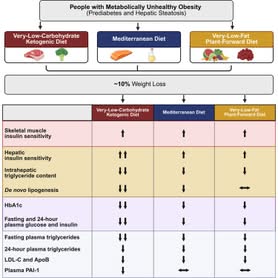
Petersen et al. (Cell Metabolism, 2026) fed 42 adults with obesity, prediabetes and fatty liver all meals in a controlled trial until ~10% weight loss. All diets improved muscle insulin sensitivity and body composition, but the very-low-carb ketogenic diet gave clearly larger improvements in liver metabolic function, intrahepatic fat and glycemic control.

100+ trials: polyunsaturated fat improves glucose and insulin markers, saturated doesn't

Sep 14, 2025 · Louis Nervegna ♥ 7 · 💬 6 ↩ 13 Fats & oils (saturated fat, seed oils, omega-6, olive oil)

Louis summarizes a meta-analysis of randomized feeding trials showing polyunsaturated fat, mostly omega-6 from vegetable oils, lowers fasting glucose and A1C and improves insulin resistance and insulin secretion. Monounsaturated fat did well but less so, and saturated fat showed no appreciable benefit.

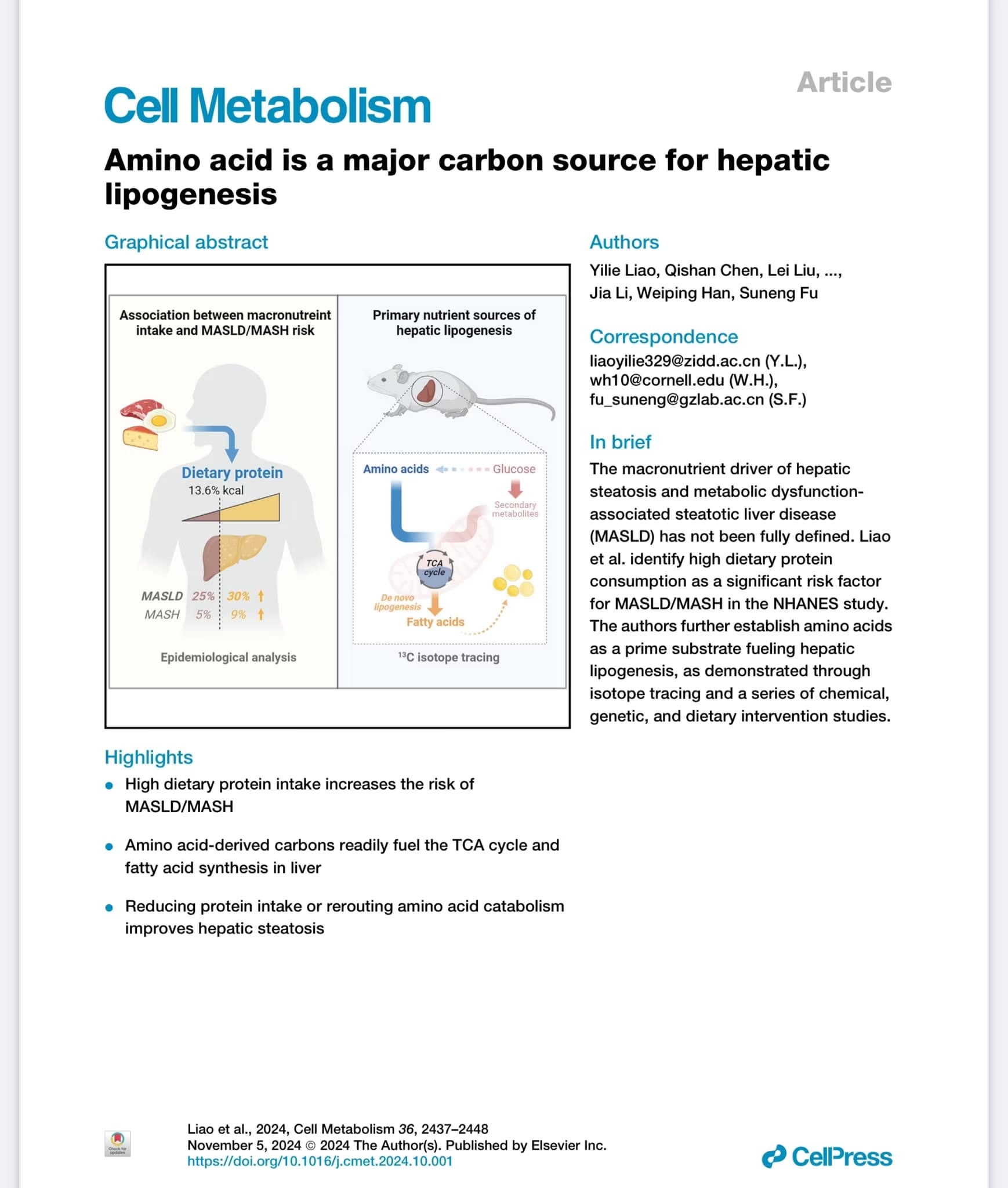
High protein intake linked to MASLD in NHANES; amino acids fuel liver fat synthesis

Dec 02, 2024 · Louis Nervegna ♥ 4 · 💬 7 Weight, visceral & liver fat

Louis shares a Cell Metabolism study suggesting high-quality protein may drive fatty liver. In NHANES (4,693 participants), carbohydrate and total fat were not associated with MASLD, while medium/high protein intake raised MASLD risk about 1.45-fold and high protein doubled MASH risk; low carbohydrate intake was associated with about 2-fold higher MASH progression. Amino acids serve as carbon sources for liver fatty acid synthesis, and mTOR may play a role.

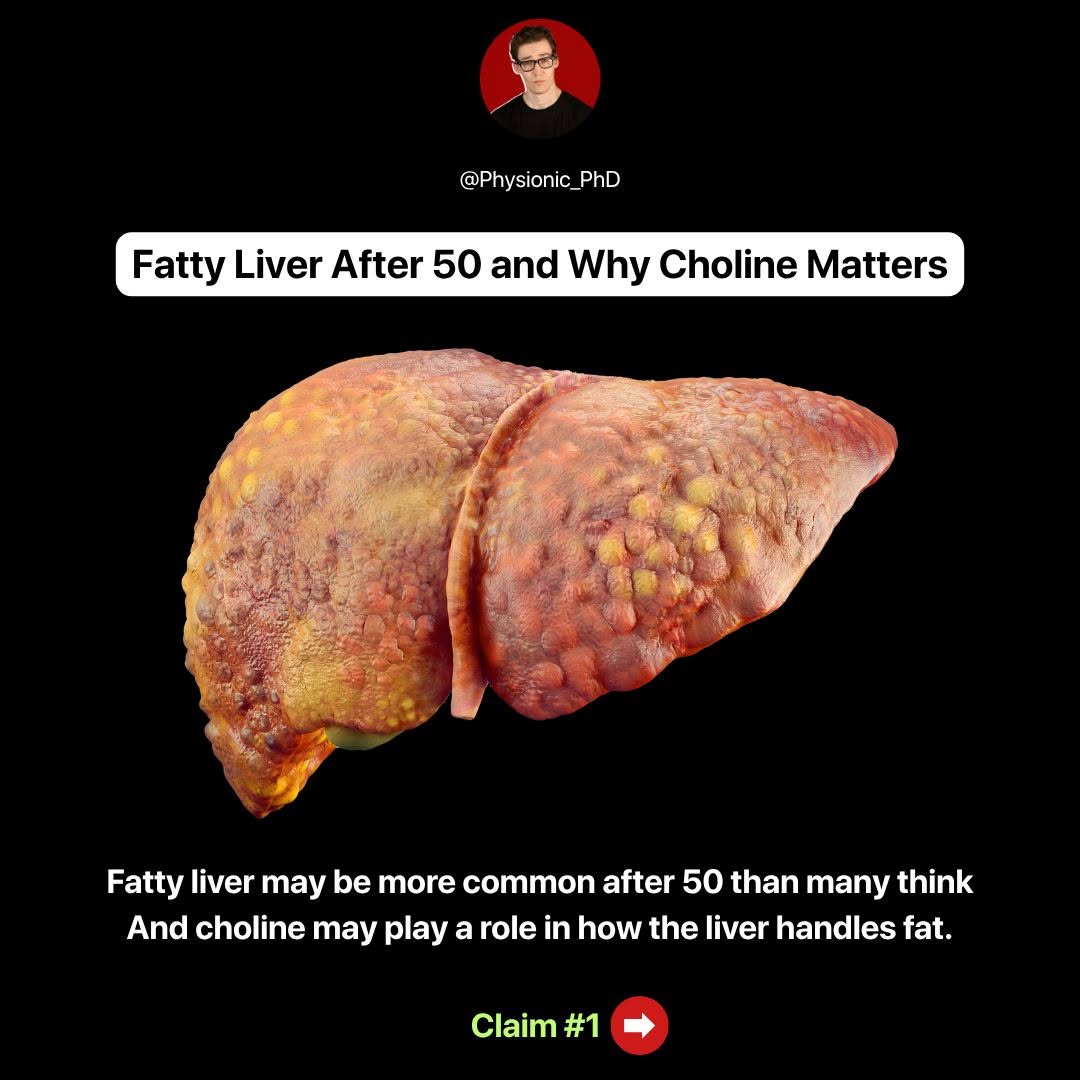
Choline deficiency can cause fat to accumulate in the liver

Sep 06, 2026 · Louis Nervegna ♥ 9 · 💬 4 Weight, visceral & liver fat

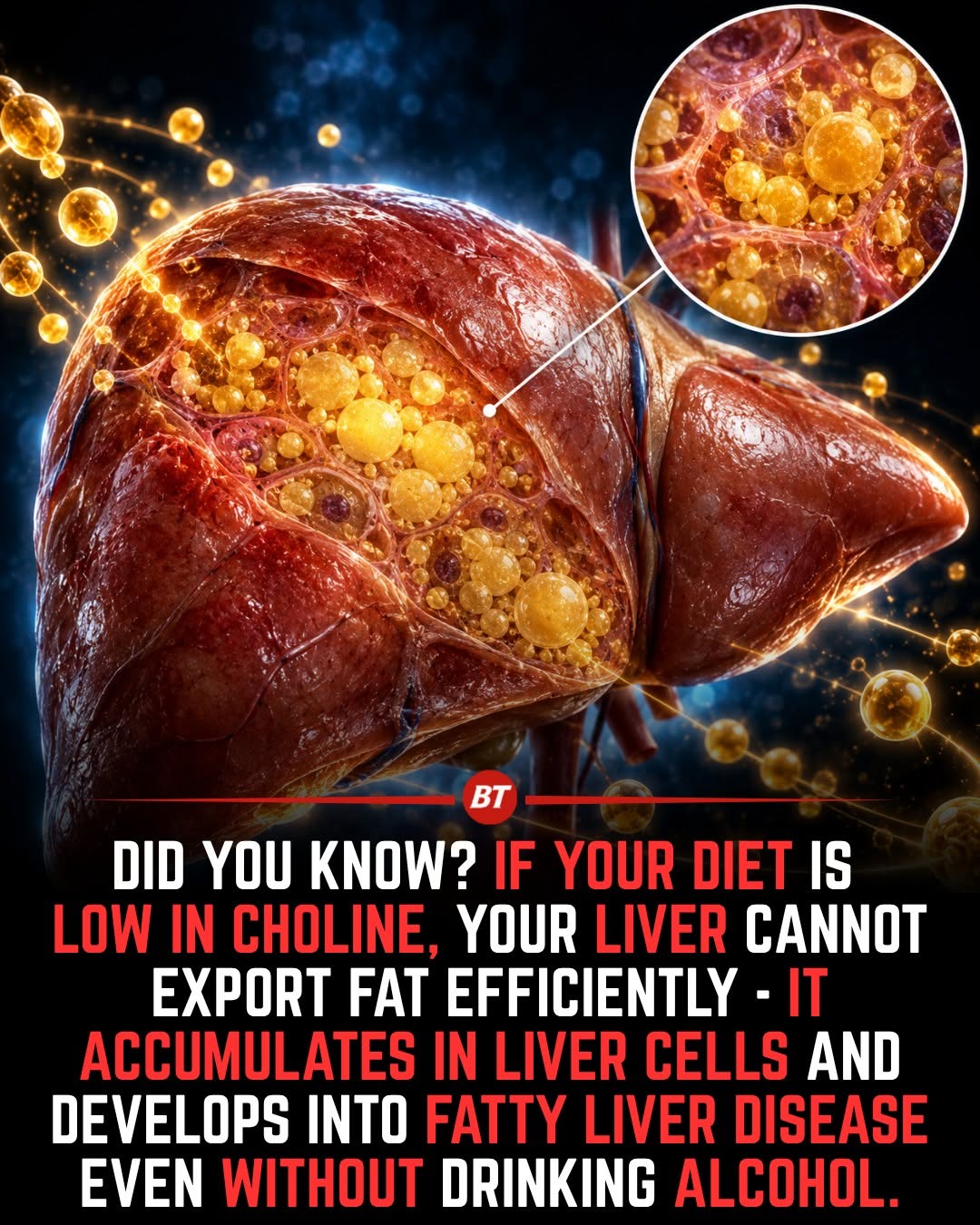
A shared post explains that choline is needed for phosphatidylcholine, which packages and exports liver fat in lipoproteins. Severely inadequate intake can cause liver fat to accumulate in controlled feeding studies and is reversible with adequate choline. Good sources include eggs, liver, meat, fish and soybeans.

Semaglutide improved MASH inflammation and fibrosis in the Phase 3 ESSENCE trial

Jun 08, 2025 · Louis Nervegna ♥ 5 · 💬 4 GLP-1 drugs (semaglutide, tirzepatide)

The post argues that liver and pancreas fat drive diabetes, insulin resistance and metabolic syndrome, and that fat leaves the liver early on a diet, which is why GLP-1 drugs work well in fatty liver disease. The shared summary describes the ESSENCE trial of weekly semaglutide 2.4 mg in biopsy-proven MASH with fibrosis stage 2-3 and lists open questions such as cirrhosis and durability.

100+ feeding trials: polyunsaturated fat improves glucose control, saturated fat does not

Dec 17, 2025 · Louis Nervegna ♥ 7 · 💬 1 Fats & oils (saturated fat, seed oils, omega-6, olive oil)

Louis summarizes the 2016 PLoS Medicine meta-analysis of randomized feeding trials: polyunsaturated fat, mainly omega-6 from vegetable oils, lowered fasting glucose and A1C and improved insulin resistance and secretion, MUFA did well but less so, and saturated fat showed no appreciable benefit. He pairs it with the 20-cohort biomarker study showing a 43% lower diabetes risk with high omega-6.

Diet alone restored pancreas and beta-cell function in a Roy Taylor trial patient

Dec 19, 2025 · Louis Nervegna ♥ 12 Insulin resistance & diabetes

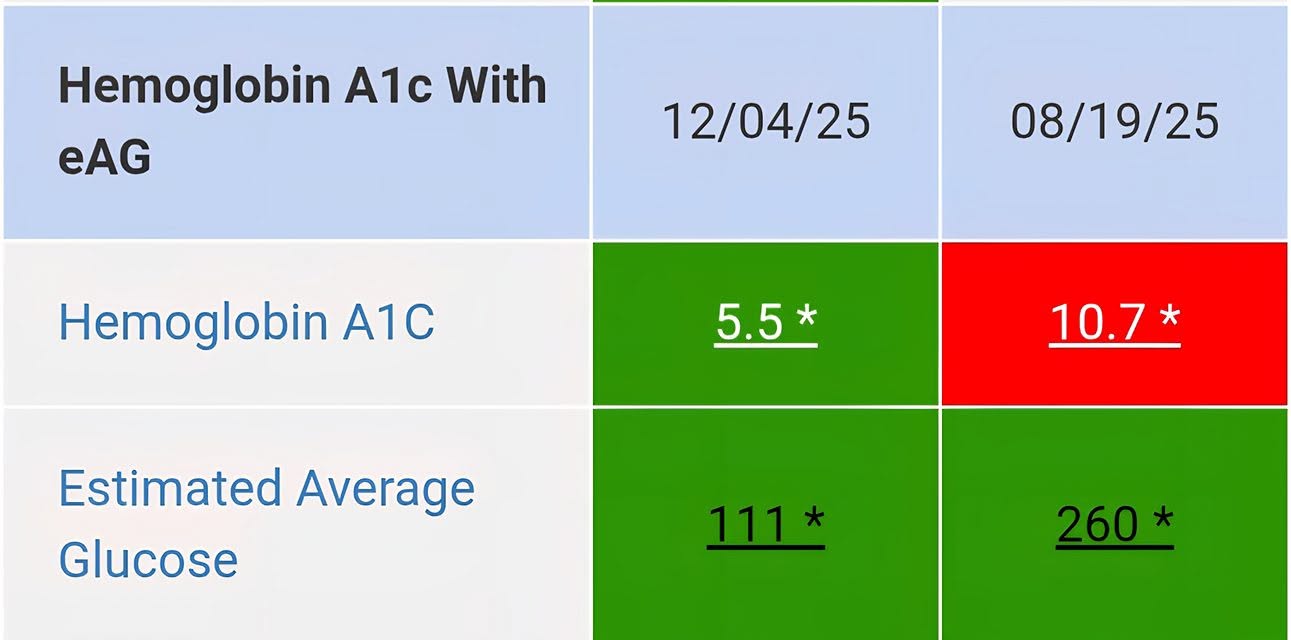
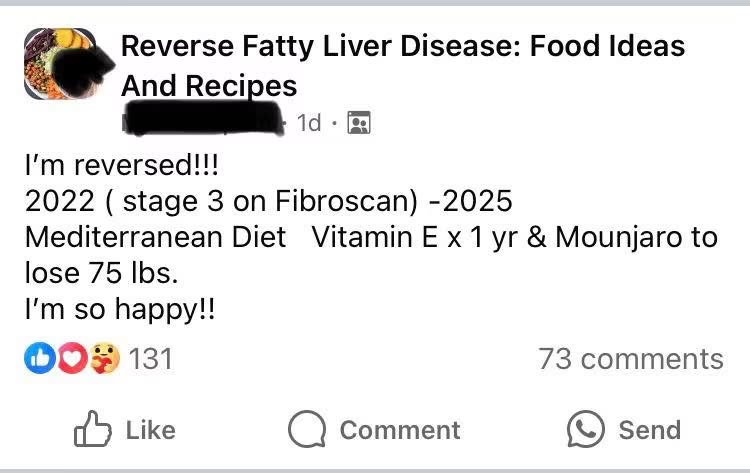
Louis re-shares his post on a patient in Roy Taylor's randomized trial whose advanced type 2 diabetes fully resolved after 2 years, with the pancreas imaging almost back to normal. The intervention was 8 weeks of an 800-calorie meal-replacement diet followed by a normal-calorie Mediterranean diet for maintenance. He argues the liver and pancreas were cleared of fat and that some people get a full curative response, though not everyone.

Swapping saturated fat for polyunsaturated seed oils cut CVD events 29% in strict RCTs

Louis states adipose omega-6 is linked to lower mortality in cohorts, and that RCTs meeting strict criteria (no trans fats, supplied food, 2+ years, biomarker-verified adherence, validated events) show a 29% reduction in heart disease events from replacing saturated fat with polyunsaturated fat. He explains why the Minnesota Coronary Experiment, Sydney Heart Study and Rose Corn Oil Trial fail those criteria.

Why insulin resistance lowers HDL, and why improving insulin sensitivity beats chasing HDL

Mar 21, 2024 · Louis Nervegna ♥ 5 ↩ 10 LDL, ApoB & lipid panel

Louis lists six mechanisms by which insulin resistance lowers HDL: impaired HDL maturation (lower LCAT), reduced apoA-I production, faster HDL catabolism (hepatic lipase, CETP), altered HDL composition and function, higher triglycerides making small dense HDL, and inflammation and oxidative stress. He concludes the best way to raise HDL is improving insulin sensitivity (lose visceral fat, exercise, cut refined starch and sugar), since insulin resistance is causal in heart disease while large RCTs suggest HDL itself is probably not.

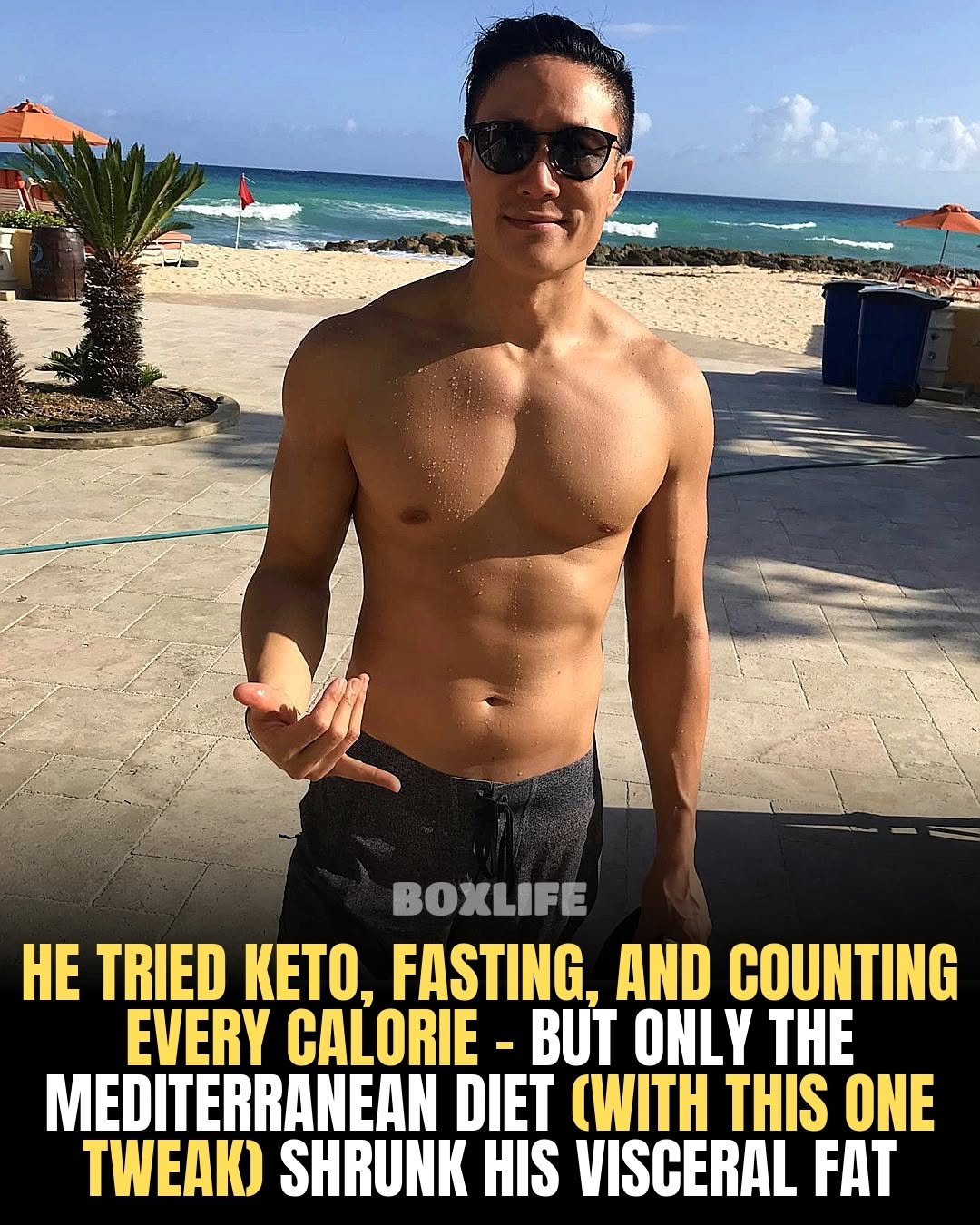
Green Mediterranean diet cut visceral fat about 14% in an 18-month randomized trial

Oct 30, 2026 · Louis Nervegna ♥ 3 Mediterranean, DASH, MIND & plant-forward diets

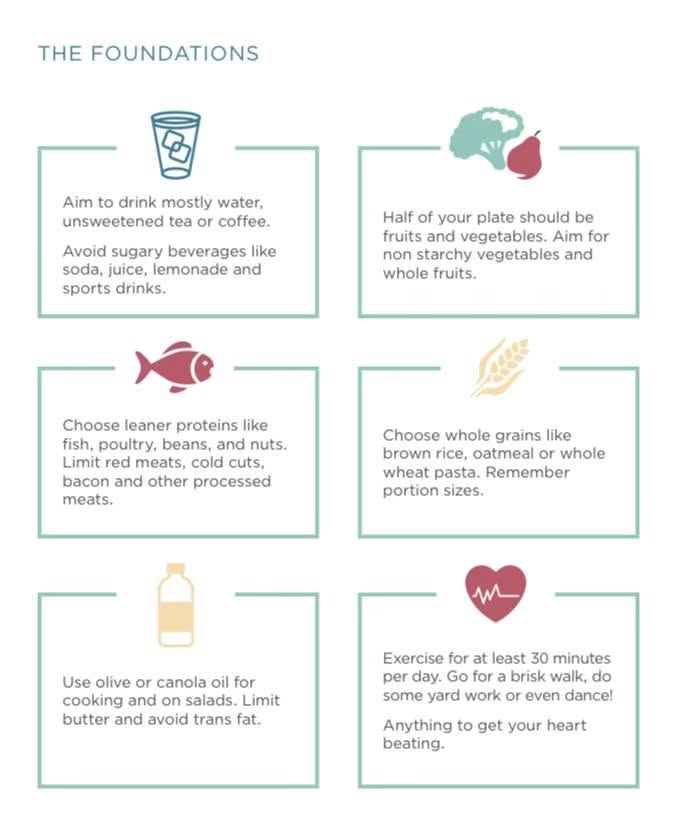
A shared summary of an 18-month RCT comparing a healthy diet, a Mediterranean diet and a Green Mediterranean diet enriched with green tea and Wolffia globosa (mankai duckweed). The Green Mediterranean diet reduced visceral fat by about 14%, the largest effect of the three arms. Visceral fat drives inflammation and metabolic dysfunction.

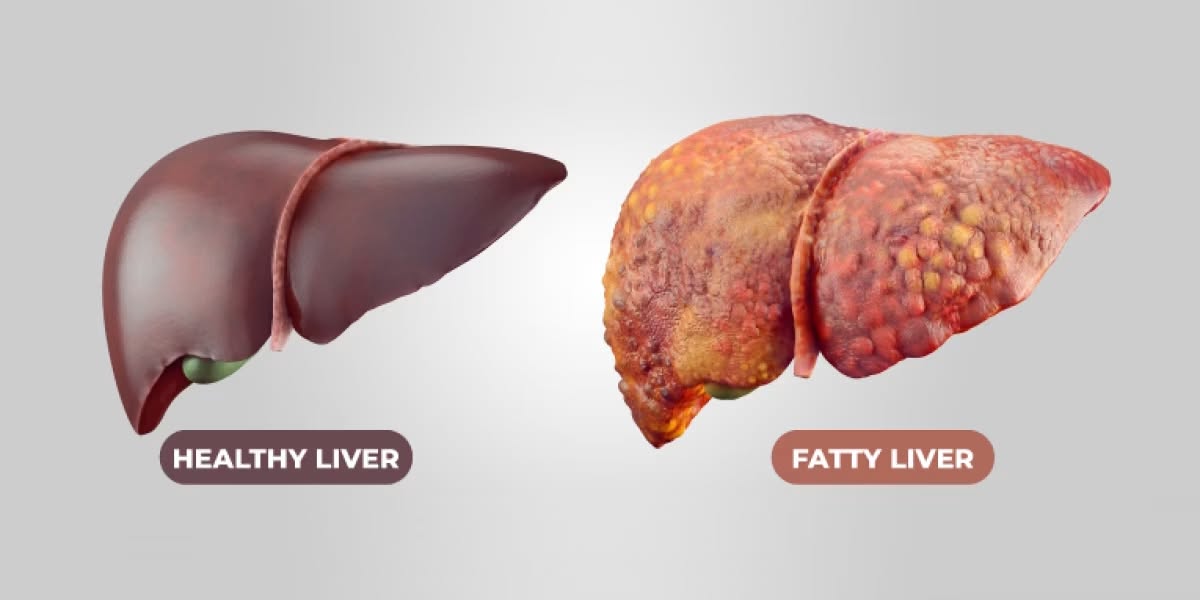
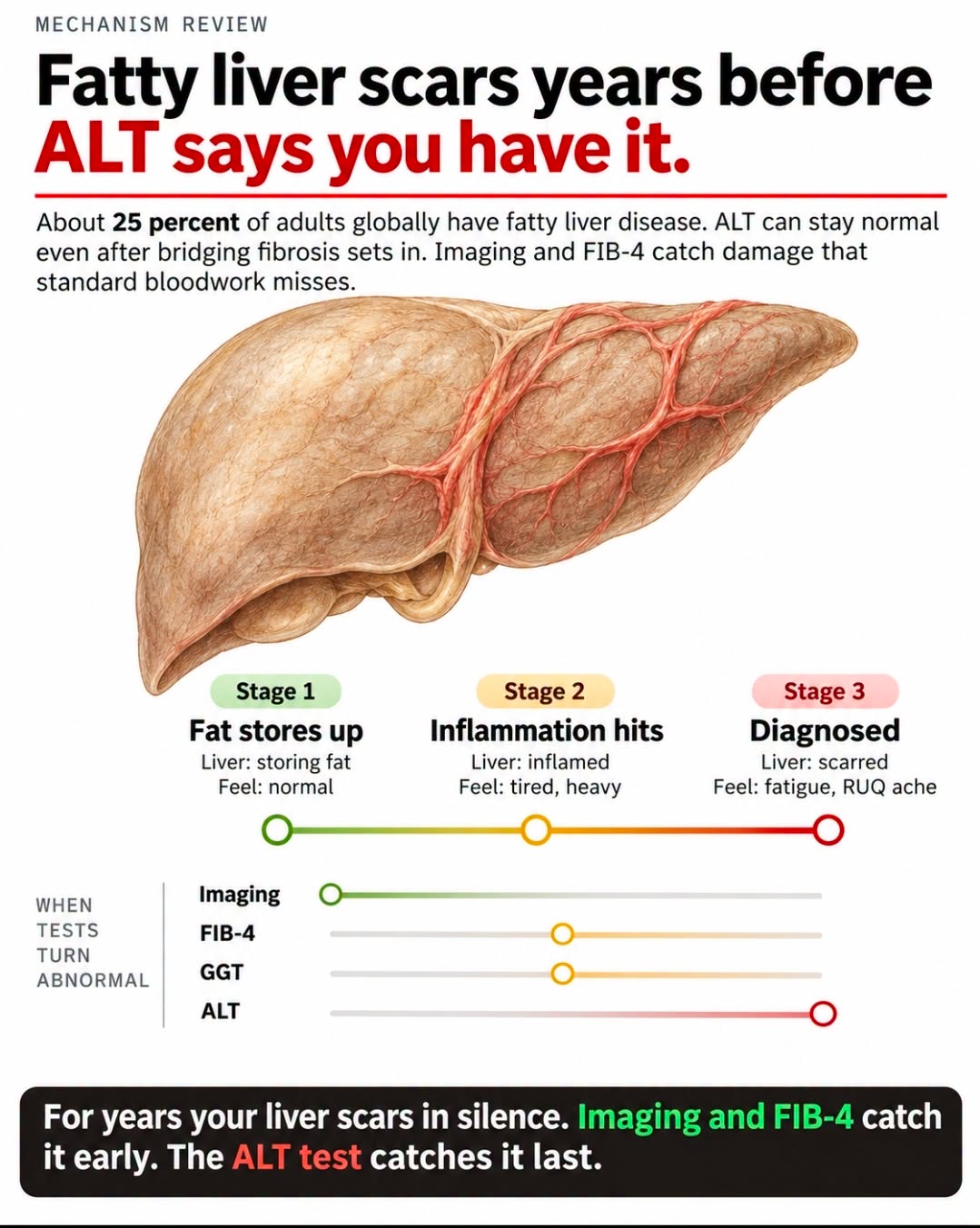
Fatty liver can scar the liver years before ALT rises; 10% weight loss resolves it in 90%

Nov 03, 2026 · Louis Nervegna ♥ 1 Weight, visceral & liver fat

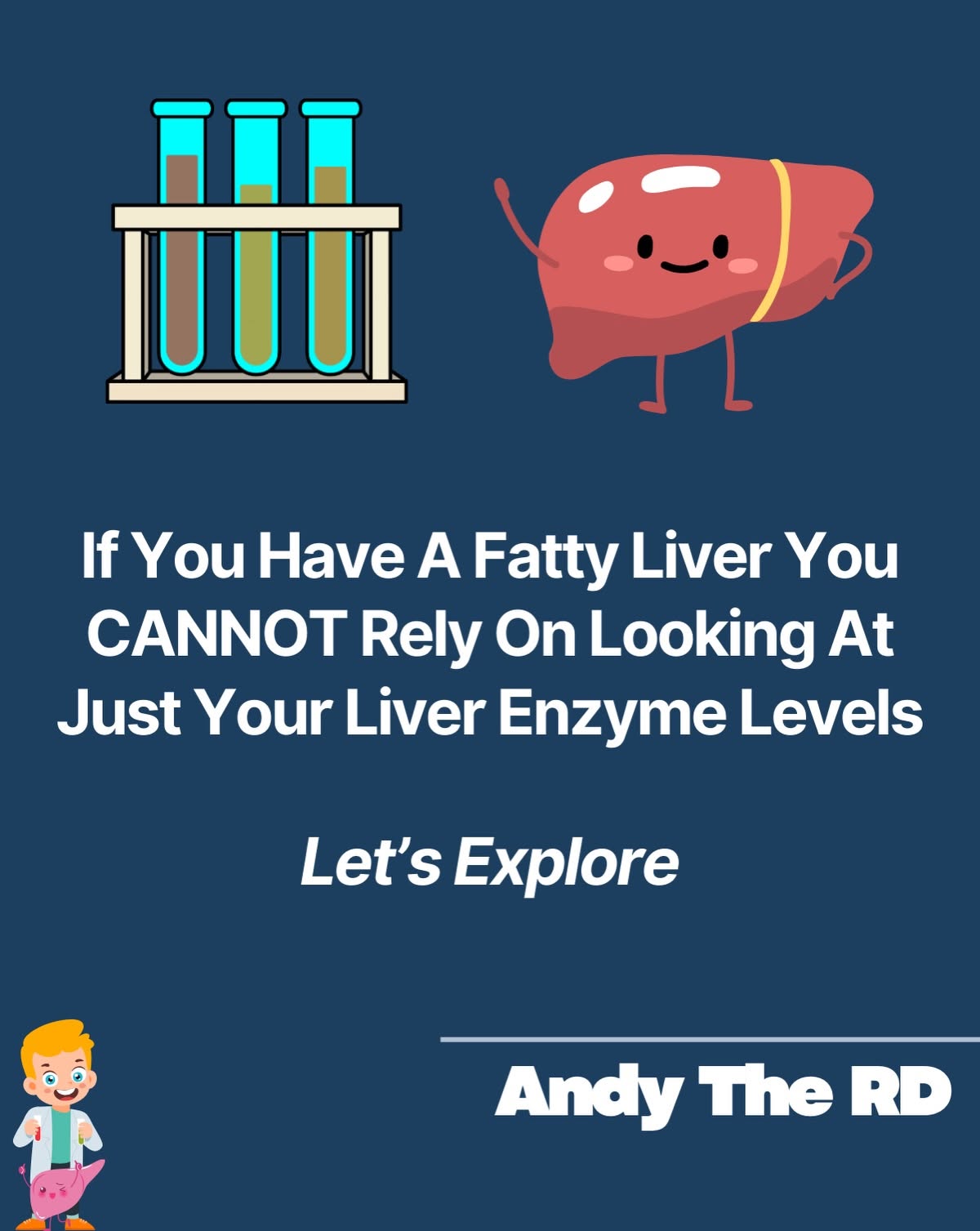
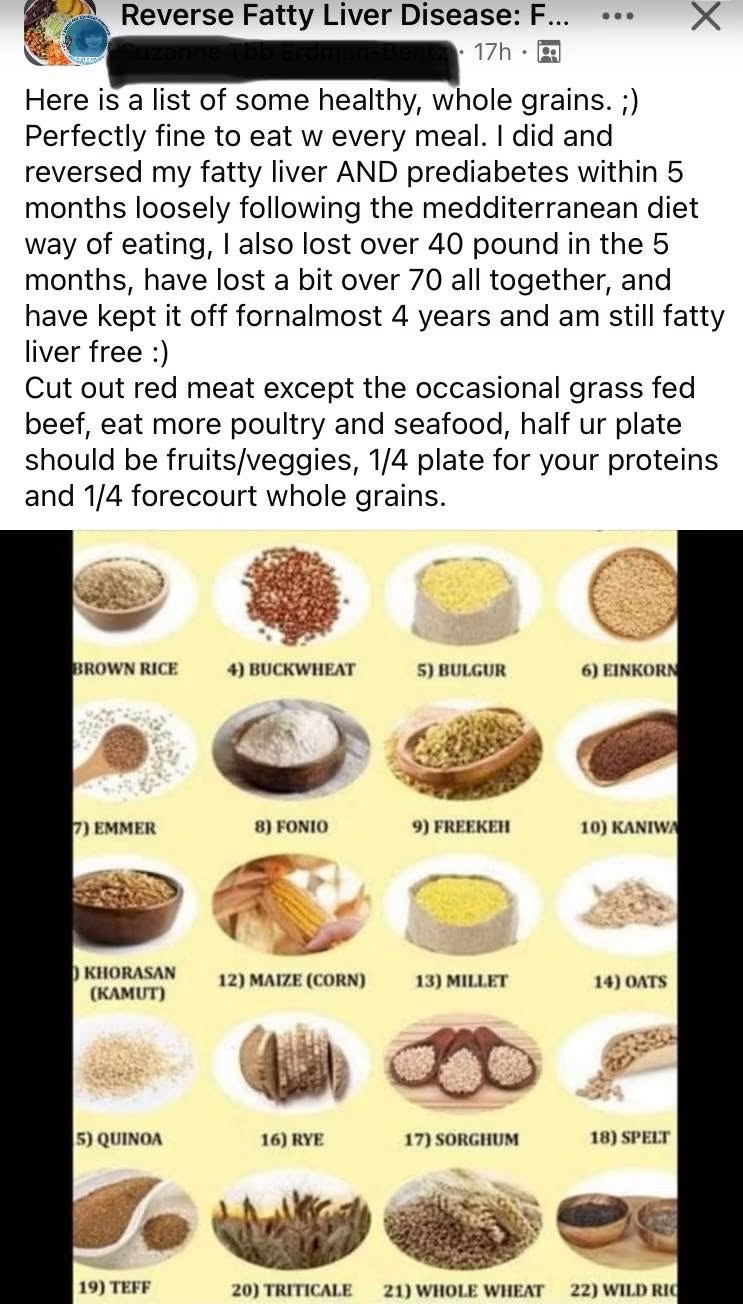
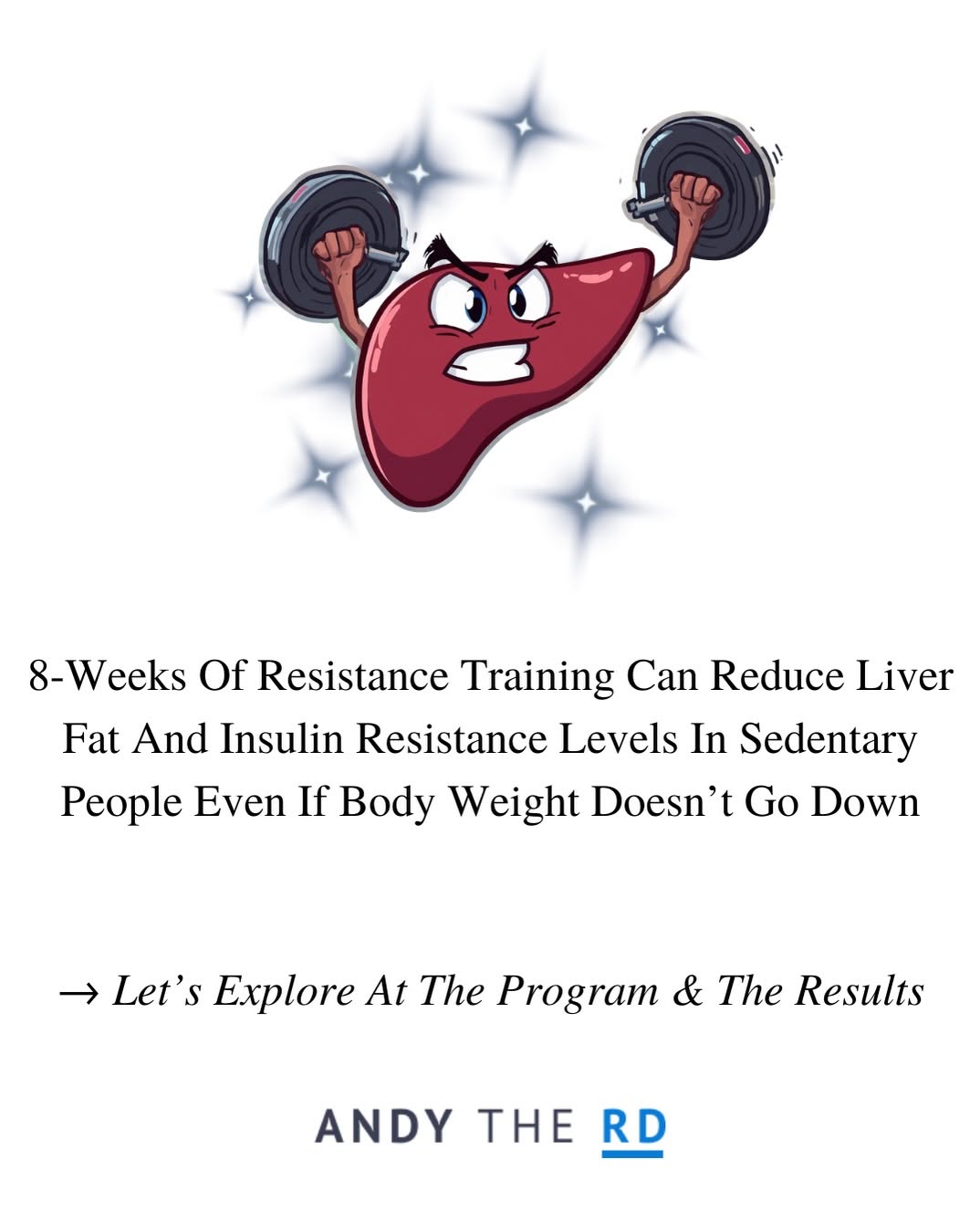
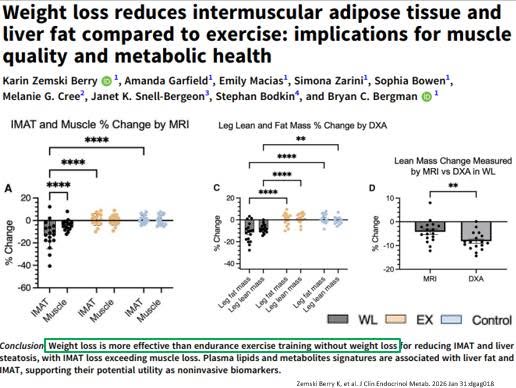
Routine ALT testing can miss advanced fatty liver disease: a Hepatology study biopsied 51 patients with normal ALT and found 12 with bridging fibrosis and 6 with cirrhosis. The post notes selection bias in that sample but says fibrosis behind a normal ALT is well established. Ten percent body weight loss resolved fatty liver in 90 percent and regressed fibrosis in 45 percent, and Mediterranean diet, resistance training and insulin-resistance management reduce liver fat independent of weight.