HD-OPM Archive
Hashtags

#fattyliver

39 posts

Big glucose spikes from oats signal insulin resistance; only losing visceral fat cures it

Mar 01, 2025 · Louis Nervegna ♥ 23 · 💬 8 Insulin resistance & diabetes

Louis argues that large glucose spikes from low-to-moderate GI carbs suggest prediabetes or diabetes, and that cutting carbs only masks the problem unless enough weight is lost to clear liver and pancreas fat. He adds that visceral fat can hide in people with normal BMI, that Asians develop insulin resistance at lower visceral fat levels, and summarizes Roy Taylor's very-low-calorie diet trials.

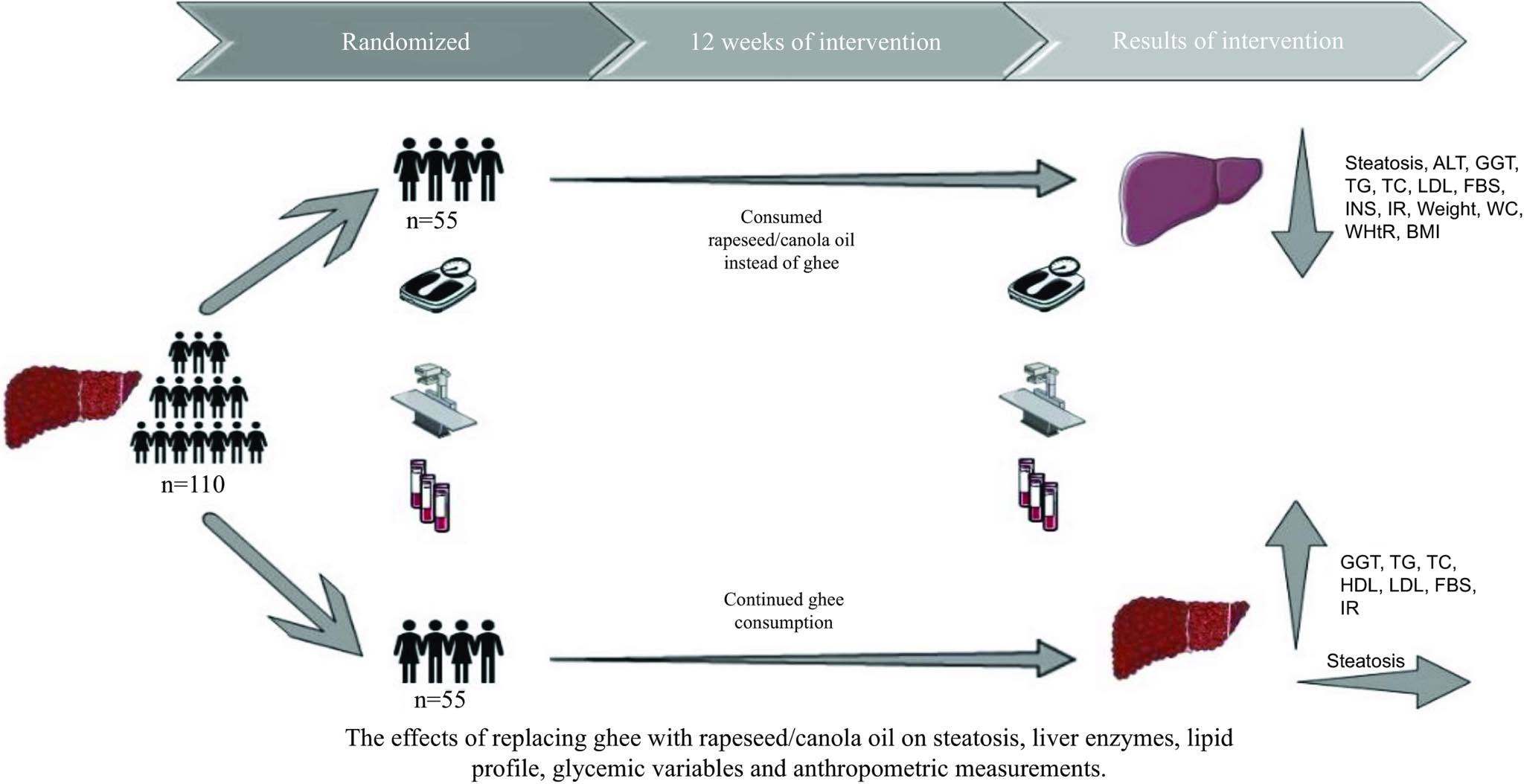
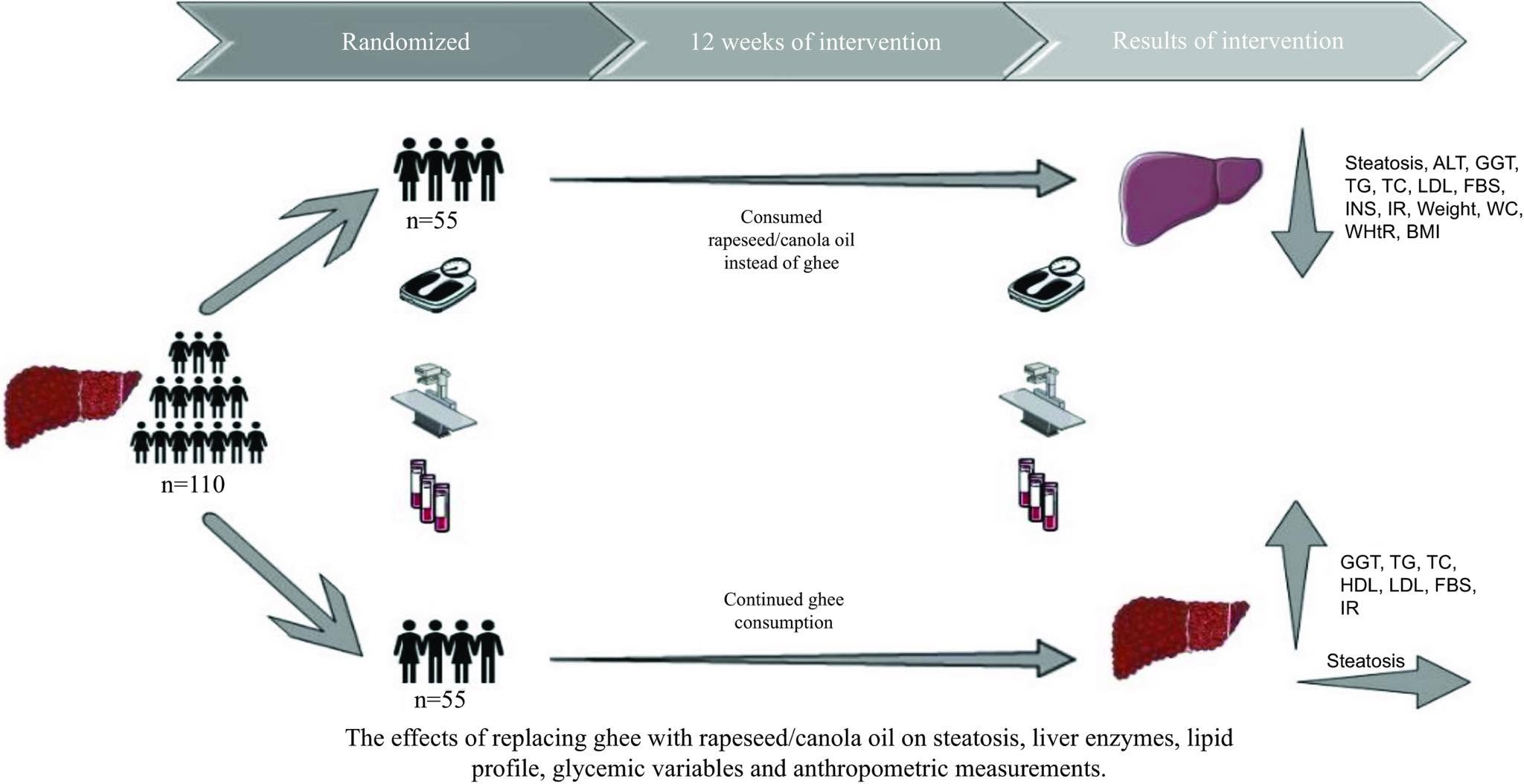
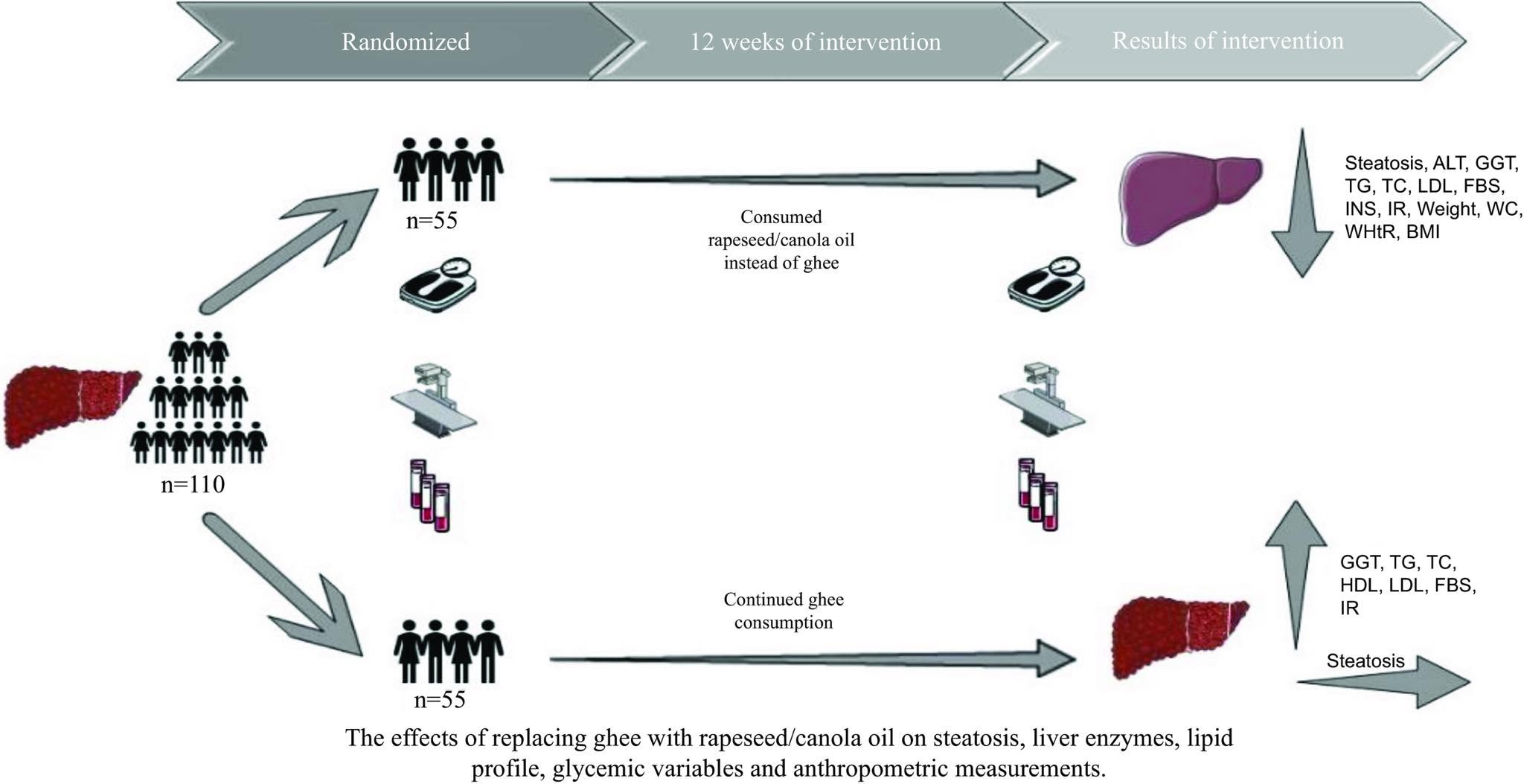
Swapping saturated for polyunsaturated 'seed oil' fats lowered liver fat in an RCT

Dec 18, 2024 · Louis Nervegna ♥ 14 · 💬 13 ↩ 5 Fats & oils (saturated fat, seed oils, omega-6, olive oil)

Louis highlights a secondary analysis of a 12-week RCT in NAFLD. Higher dietary and plasma polyunsaturated fat, especially n-6, was associated with larger liver fat loss, while higher saturated fat intake or plasma saturated fat was associated with less reduction in liver stiffness and liver fat. He says multiple well-done studies show this.

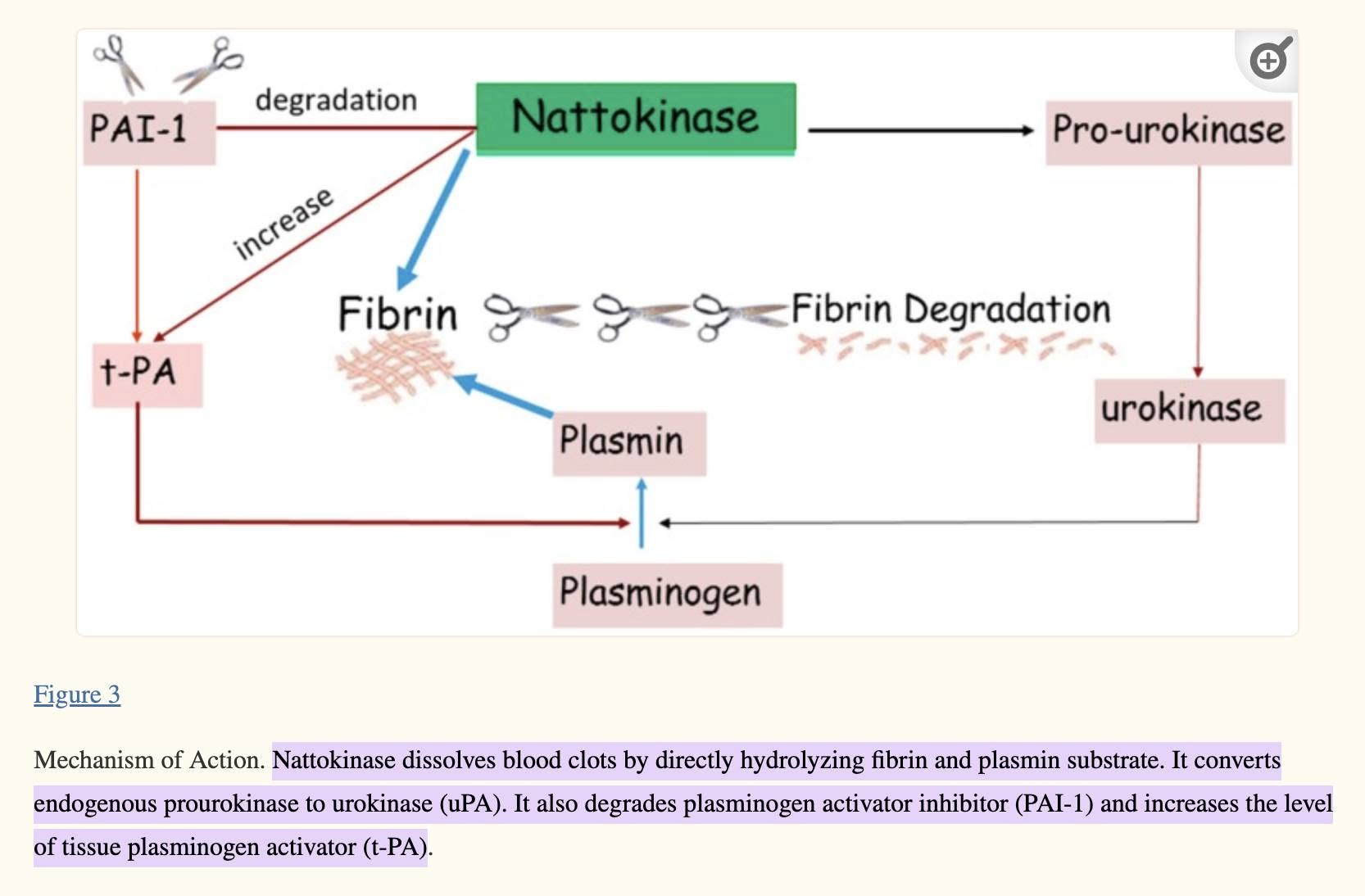
Nattokinase and PAI-1: how it may work and why PAI-1 matters

Dec 03, 2023 · Gokhan Can ♥ 14 · 💬 16 ↩ 2 Supplements & vitamins

Notes that nattokinase appears to act by inhibiting PAI-1, a marker linking thrombosis, inflammation, metabolic disorder and aging. People who genetically make less PAI-1 live about 7 years longer, and PAI-1 inhibition helped fatty liver and dyslipidemia in preclinical work.

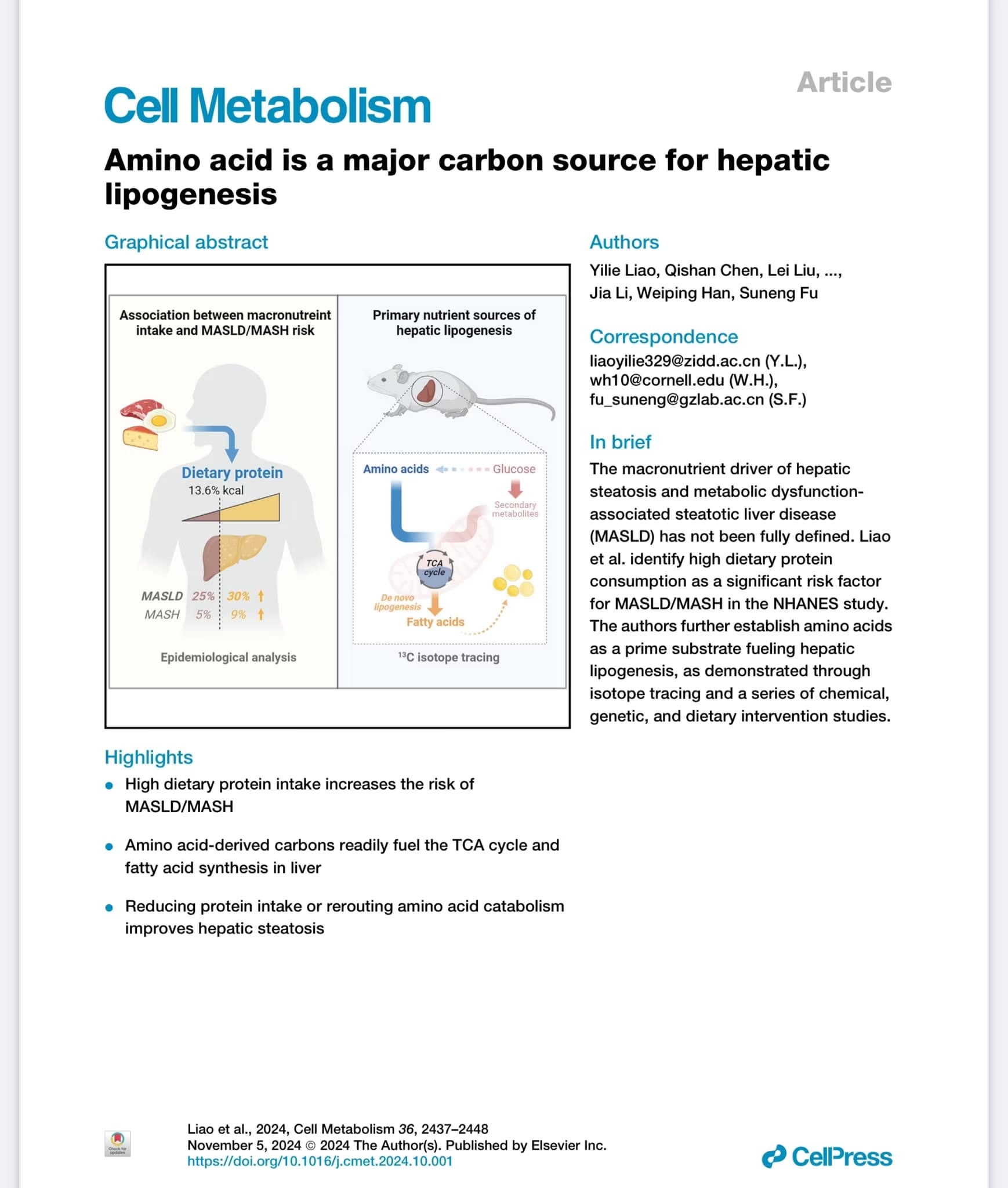
High protein intake linked to MASLD in NHANES; amino acids fuel liver fat synthesis

Dec 02, 2024 · Louis Nervegna ♥ 4 · 💬 7 Weight, visceral & liver fat

Louis shares a Cell Metabolism study suggesting high-quality protein may drive fatty liver. In NHANES (4,693 participants), carbohydrate and total fat were not associated with MASLD, while medium/high protein intake raised MASLD risk about 1.45-fold and high protein doubled MASH risk; low carbohydrate intake was associated with about 2-fold higher MASH progression. Amino acids serve as carbon sources for liver fatty acid synthesis, and mTOR may play a role.

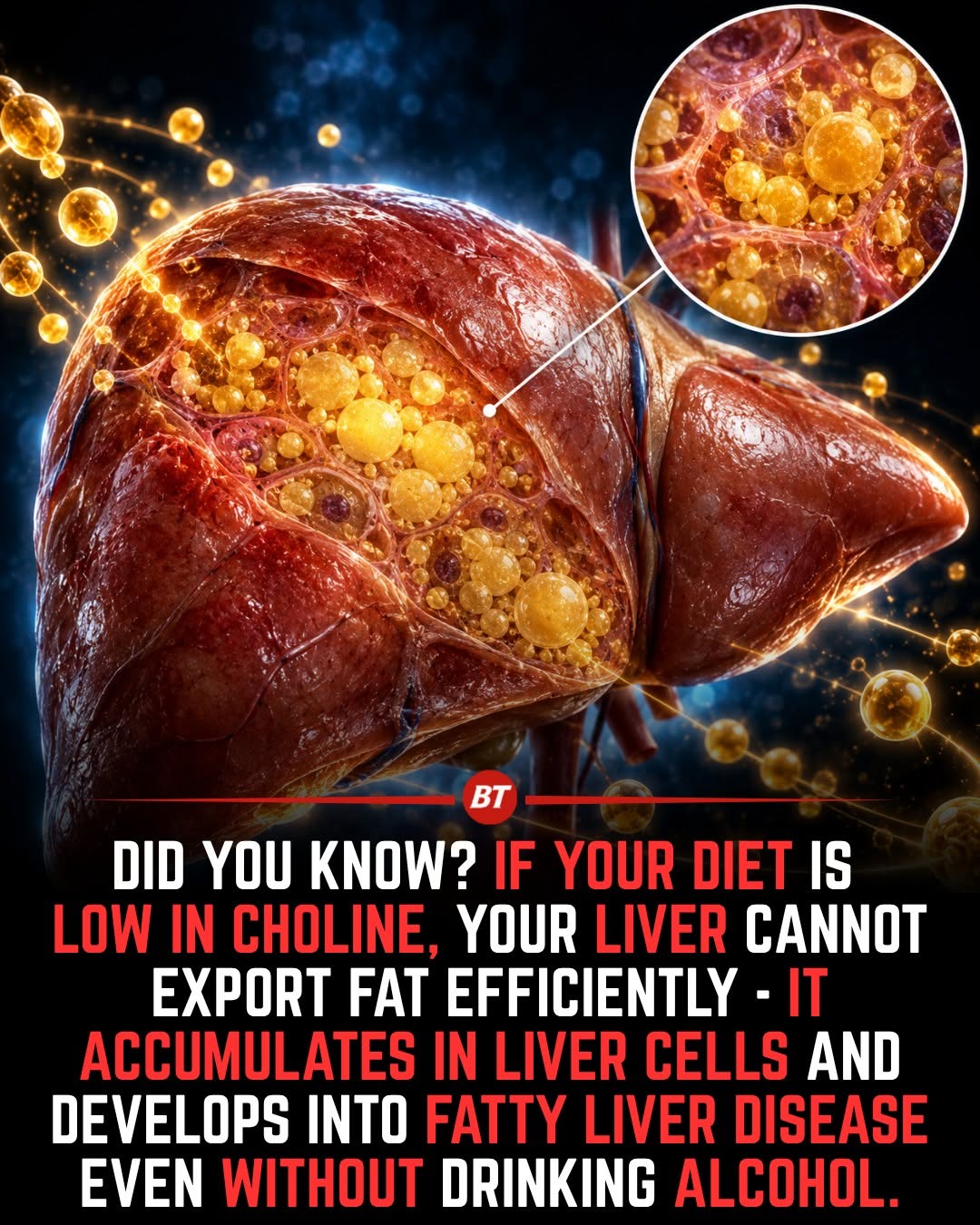
Choline deficiency can cause fat to accumulate in the liver

Sep 06, 2026 · Louis Nervegna ♥ 9 · 💬 4 Weight, visceral & liver fat

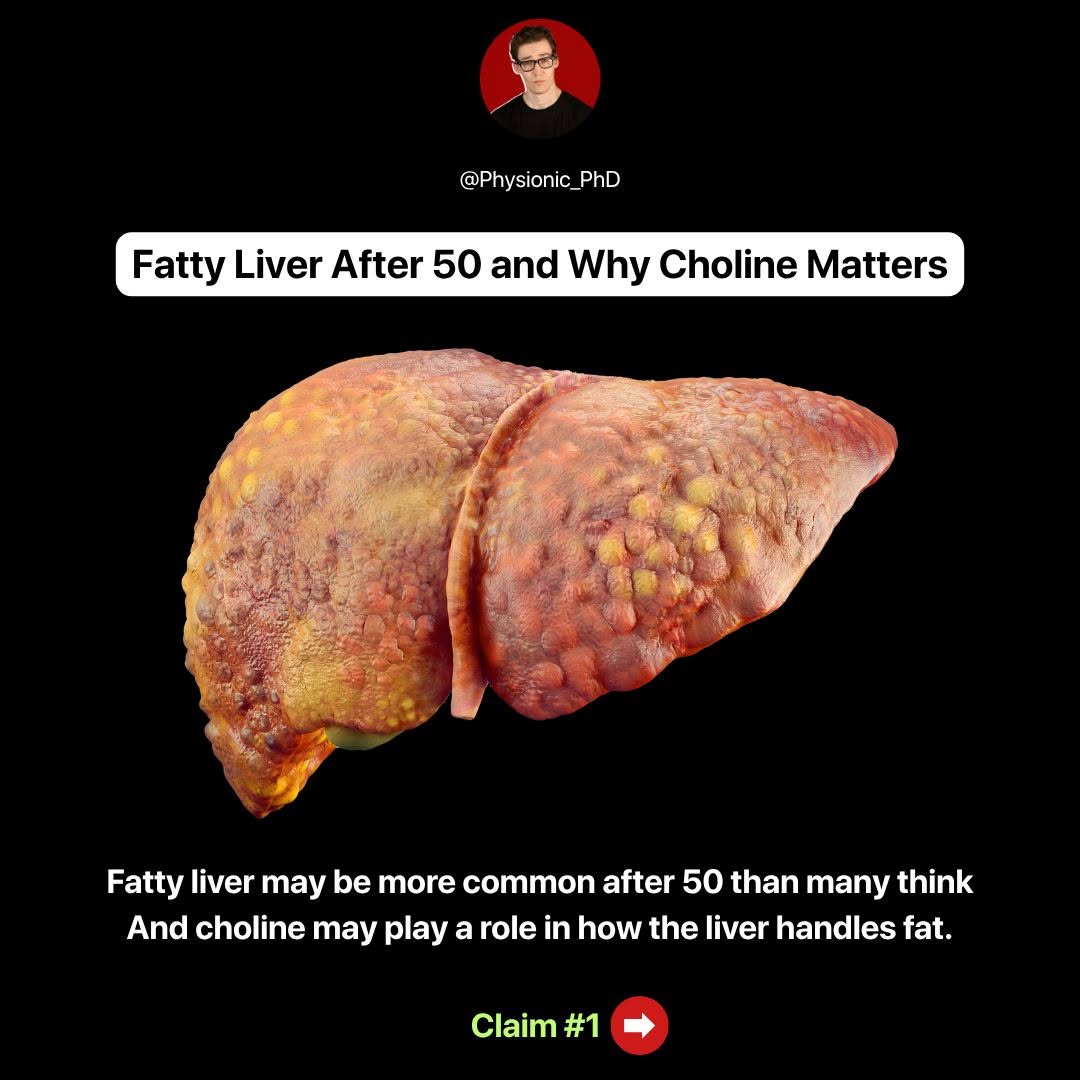
A shared post explains that choline is needed for phosphatidylcholine, which packages and exports liver fat in lipoproteins. Severely inadequate intake can cause liver fat to accumulate in controlled feeding studies and is reversible with adequate choline. Good sources include eggs, liver, meat, fish and soybeans.

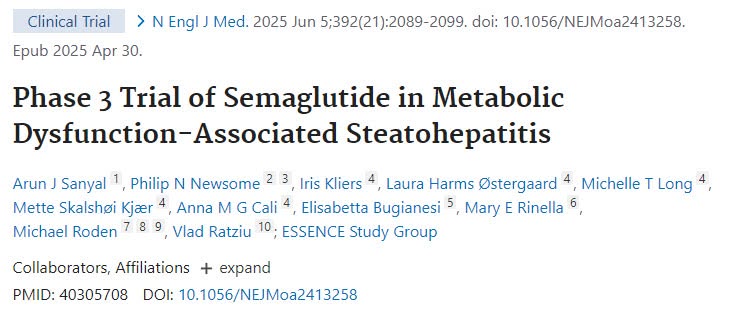
Semaglutide improved MASH inflammation and fibrosis in the Phase 3 ESSENCE trial

Jun 08, 2025 · Louis Nervegna ♥ 5 · 💬 4 GLP-1 drugs (semaglutide, tirzepatide)

The post argues that liver and pancreas fat drive diabetes, insulin resistance and metabolic syndrome, and that fat leaves the liver early on a diet, which is why GLP-1 drugs work well in fatty liver disease. The shared summary describes the ESSENCE trial of weekly semaglutide 2.4 mg in biopsy-proven MASH with fibrosis stage 2-3 and lists open questions such as cirrhosis and durability.

Higher Lp(a) is linearly associated with lower risk of fatty liver in NHANES data

Mar 16, 2025 · Louis Nervegna ♥ 16 · 💬 1 Lp(a)

Louis shares a Scientific Reports cross-sectional analysis of 2,308 NHANES participants finding a significant linear negative association between Lp(a) and NAFLD, suggesting Lp(a) could serve as a biomarker of NAFLD risk. He notes that at this point only the inverse relationship is known, and the headline claim that high Lp(a) might protect against fatty liver is speculative.

Fatty liver can scar the liver years before ALT rises; 10% weight loss resolves it in 90%

Nov 03, 2026 · Louis Nervegna ♥ 1 Weight, visceral & liver fat

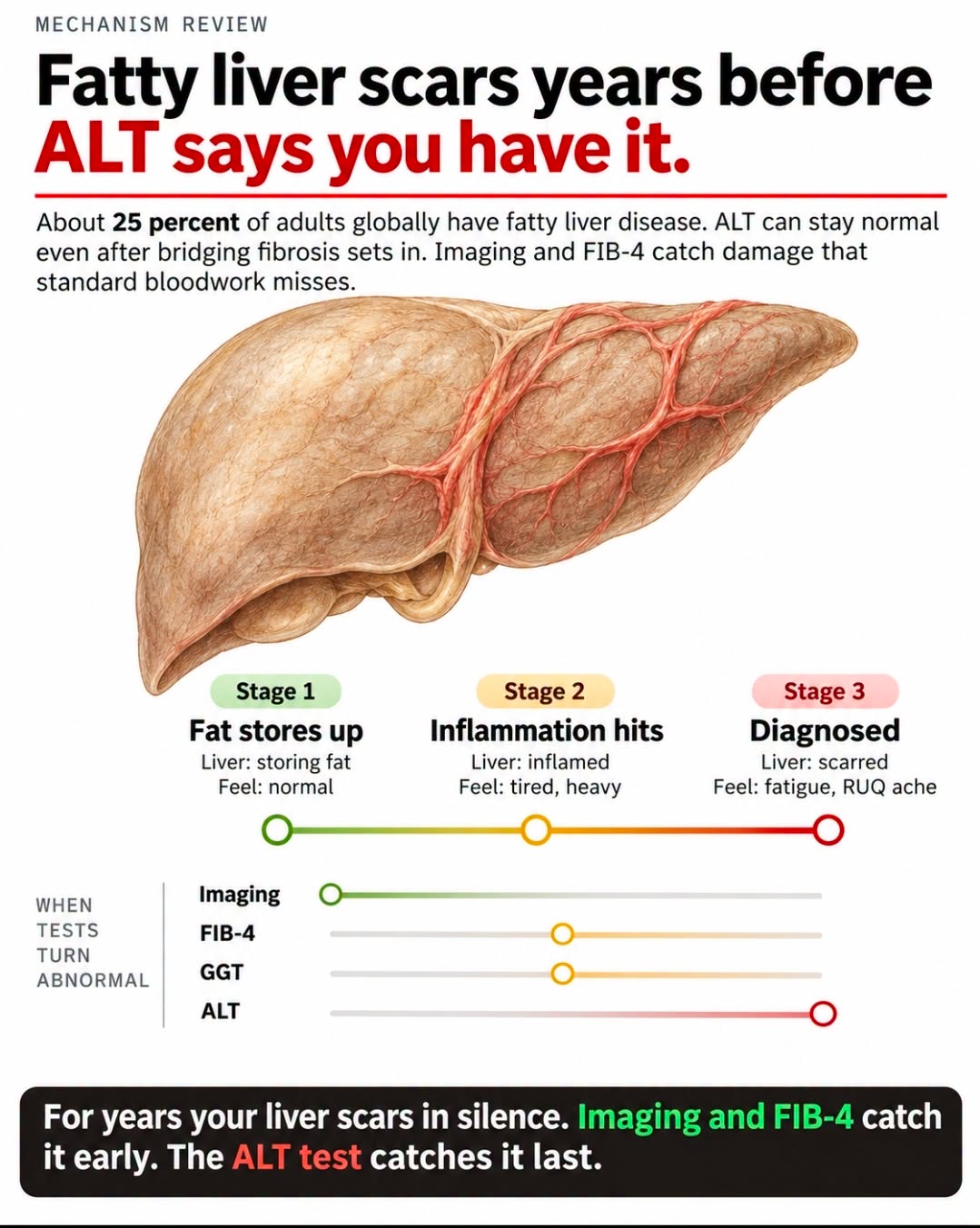
Routine ALT testing can miss advanced fatty liver disease: a Hepatology study biopsied 51 patients with normal ALT and found 12 with bridging fibrosis and 6 with cirrhosis. The post notes selection bias in that sample but says fibrosis behind a normal ALT is well established. Ten percent body weight loss resolved fatty liver in 90 percent and regressed fibrosis in 45 percent, and Mediterranean diet, resistance training and insulin-resistance management reduce liver fat independent of weight.