(no text — see the shared post below)
Low HDL
What can you do about it? And how big a problem is it?
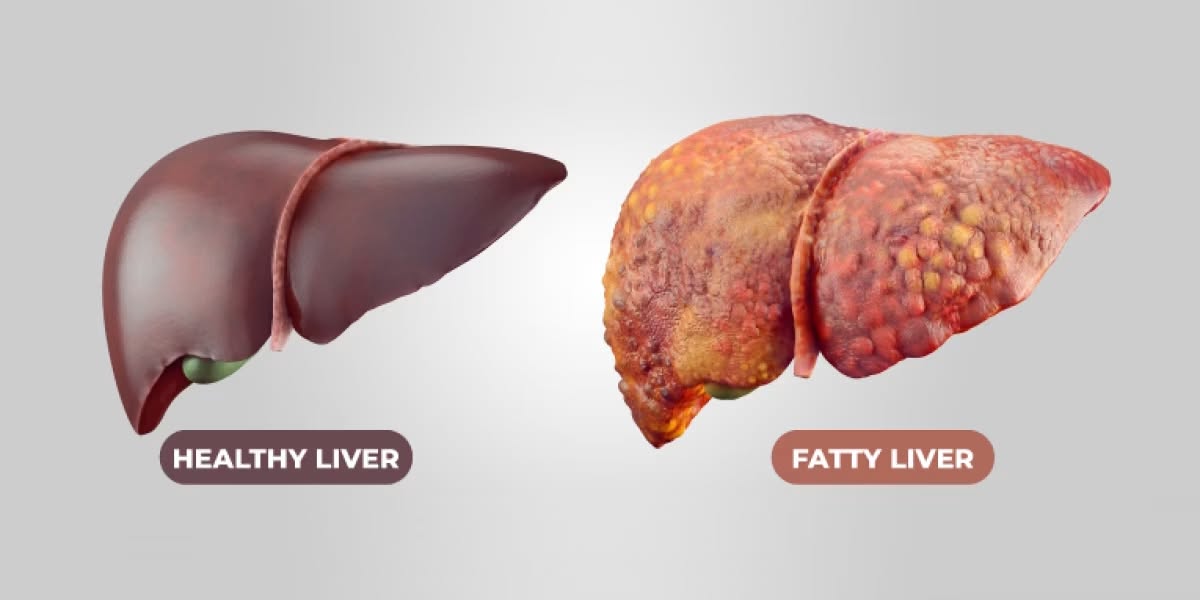
In most people, low HDL is generally caused by insulin resistance and metabolic syndrome. The most effective way to raise it is to lose visceral fat. Excess visceral fat (leading to fat accumulation in the liver) is the main cause of insulin resistance. Generally, anything that improves insulin sensitivity tends to raise HDL.
↪ Liver fat is the biggest driver of insulin resistance in most people, per a Harvard expert
↪ Roy Taylor trial: clearing liver and pancreas fat via 8-week low-calorie diet reversed T2D
↪ Roy Taylor trials: 15 kg weight loss cleared liver and pancreas fat, reversing diabetes
Aside from cutting calories to lose weight, the best thing you can do diet-wise to improve insulin sensitivity is to stop eating refined starch and refined sugar.
↪ Willett: refined starch and sugar (~40% of US calories) drive heart disease and diabetes
↪ Walter Willett: refined sugar and starch, especially sugary drinks, threaten heart health
Replace those calories with fruit, vegetables, and whole grains (eaten as intact as possible), as well as healthy sources of fat and protein like olive oil, nuts, seeds, legumes, fish, yogurt, etc. A traditional Mediterranean diet will naturally improve insulin sensitivity and raise HDL. In particular, replacing refined carbohydrate with healthy fat raises HDL, and this is exactly what the traditional Mediterranean diet does.
↪ Free book 'Eat, Drink, and Be Healthy' recommended for the Mediterranean diet
The type of fat makes a difference. Multiple studies have now shown that replacing saturated fat by unsaturated fat removes fat from the liver and improves insulin sensitivity, even when total calories remain the same.
↪ Replacing ghee with rapeseed oil reduced fatty liver in a 110-patient RCT
↪ Swapping saturated for polyunsaturated 'seed oil' fats lowered liver fat in an RCT
↪ Higher omega-6 (linoleic acid) biomarker levels linked to 43% lower type 2 diabetes risk
↪ Blood omega-6 biomarker cohorts link higher levels to lower heart disease and diabetes
Some people just have genetically low HDL.
If you have good insulin sensitivity and good glycemic control and no record of metabolic syndrome, then you probably have nothing at all to worry about from low HDL. The harm from low HDL only seems to happen because of insulin resistance and poor glycemic control.
We know this because there have now been multiple large randomized controlled trials testing whether raising HDL by itself (without affecting insulin sensitivity) lowers risk for heart attacks and strokes. These trials all failed. There was a perfect track record of high profile failures in these HDL trials. This clearly proves that HDL by itself is not causal in CVD.
↪ HDL and ApoA-I raising therapies repeatedly failed, so HDL is probably not directly causal
What is definitely causal in CVD is metabolic syndrome and insulin resistance. That’s the main thing that you need to worry about if you have low HDL.
↪ Interview: insulin resistance and LDL/ApoB are both independent causes of heart disease
Note that in a minority of cases, very low HDL can be a sign of other health problems. This is something that you should talk to your doctor about if you have very low HDL with no good explanation for why.