The Cardiometabolic Axis of Atherosclerosis: A Comprehensive Analysis of Insulin Resistance, Visceral Adiposity, and Metabolic Syndrome as Drivers of Coronary Plaque Progression
Beyond LDL Cholesterol: Establishing the Clinical Problem of Residual Cardiovascular Risk
##
The modern era of cardiovascular prevention has been overwhelmingly successful due to the validation of the lipid hypothesis, which establishes a causal link between high levels of low-density lipoprotein cholesterol (LDL-C) and the development of atherosclerotic cardiovascular disease (ASCVD). This understanding led to the development of powerful LDL-C-lowering therapies, primarily statins, which have become the cornerstone of cardiovascular risk reduction. Large-scale trials have unequivocally shown that lowering LDL-C dramatically reduces the incidence of major cardiovascular events.
However, despite this monumental success, a significant clinical challenge remains: a large number of patients continue to experience the progression of coronary atherosclerosis and suffer cardiovascular events even after achieving guideline-recommended, often very low, levels of LDL-C. This phenomenon, known as "residual cardiovascular risk," demonstrates that the atherosclerotic process is propelled by factors that extend beyond LDL-C concentration. A landmark pooled analysis by Bayturan et al. (2010), encompassing over 3,400 patients with coronary artery disease (CAD), brought this issue into sharp focus. The study revealed that over 20% of patients exhibited continued plaque progression even after achieving on-treatment LDL-C levels of 70 mg/dL or lower. Crucially, these "progressors" had higher baseline levels of glucose and triglycerides, pointing directly toward the role of underlying metabolic disturbances. This pivotal finding highlighted the urgent necessity to identify and target the non-lipid, metabolic drivers that perpetuate atherosclerosis.
Metabolic Syndrome as a Predictor of Plaque Growth
The metabolic syndrome (MetS) is a clinical construct designed to identify individuals with a cluster of interrelated risk factors—abdominal obesity, elevated triglycerides, low high-density lipoprotein cholesterol (HDL-C), elevated blood pressure, and elevated fasting glucose—that collectively increase the risk for ASCVD and type 2 diabetes. A substantial body of evidence now directly links MetS not just to cardiovascular events, but to the fundamental process of plaque progression itself.
A systematic review of prospective IVUS trials found that the presence of MetS was associated with a significantly greater progression of coronary plaque volume (an increase of +0.51% vs. +0.23% for those without MetS; P=.003). After adjusting for other factors, MetS was independently associated with a 25% greater likelihood of plaque progression (adjusted odds ratio [OR], 1.25). More recent evidence from the large-scale PARADIGM registry confirmed these findings, showing that MetS is an independent predictor of rapid plaque progression (an increase in plaque volume of ≥1.0% per year), with an odds ratio of 1.51. Interestingly, a crucial nuance emerged from the IVUS analysis: when individual components of MetS were analyzed, hypertriglyceridemia and obesity emerged as the primary drivers, suggesting that MetS is a valuable clinical signpost for the underlying pathophysiological processes—particularly insulin resistance—that are the true engines of the disease.
Insulin Resistance: An Independent Engine of Plaque Development and Vulnerability
While MetS groups together key risk factors, a growing consensus identifies insulin resistance (IR) as its central pathogenic core. IR is a condition where the body's cells fail to respond efficiently to insulin, leading to compensatory hyperinsulinemia and a cascade of metabolic derangements. Prospective imaging studies have established IR as a powerful and independent driver of coronary plaque growth.
A pivotal prospective study by An et al. (2012) demonstrated this connection using serial coronary angiography. The study found that individuals in the highest quartile of HOMA-IR experienced significantly greater progression of their coronary lesions (a change in Gensini score of 8.13 vs. 4.65 for those with lower HOMA-IR). Most importantly, multivariate analysis confirmed that a high HOMA-IR was a potent independent predictor for plaque progression, conferring a nearly five-fold increased risk (OR = 4.969). This profound association held true for both diabetic and non-diabetic individuals, proving that IR is a fundamental driver of atherogenesis even before the onset of overt high blood sugar.
Visceral Adiposity: A Depot-Specific Driver of High-Risk Plaque
Abdominal obesity is a cornerstone of the MetS diagnosis, but not all body fat is equally harmful. A critical distinction exists between subcutaneous fat and visceral adipose tissue (VAT), which is deposited deep within the abdominal cavity. A wealth of evidence indicates that VAT is a uniquely metabolically active and pro-inflammatory depot that specifically drives the development of high-risk, vulnerable coronary plaque.
A seminal study by Ohashi et al. (2010) used CCTA to investigate this relationship. The results were striking: after multivariate analysis, increased VAT area was significantly and independently associated with both the presence (OR: 1.68) and the extent (OR: 1.31) of non-calcified coronary plaques (NCPs). In stark contrast, other measures of adiposity like BMI showed no such association. Furthermore, increased VAT was independently associated with key features of plaque vulnerability, suggesting that visceral adiposity actively promotes a more dangerous, rupture-prone plaque phenotype. The proximity of epicardial fat to the coronary arteries allows for an additional, direct paracrine effect, bathing the vessels in inflammatory mediators and intensifying local plaque development.
The Temporal Link: Early Insulin Resistance and the Genesis of Subclinical Atherosclerosis
The strongest argument for a causal relationship comes from long-term observational studies. The Coronary Artery Risk Development in Young Adults (CARDIA) study provides definitive evidence, demonstrating that insulin resistance in young adulthood is a powerful predictor of subclinical atherosclerosis decades later. An analysis of CARDIA participants over a 25-year follow-up period found a clear temporal link. After full adjustment for other risk factors, individuals who followed a trajectory of "moderate" or "high" insulin resistance over 25 years were significantly more likely to have developed coronary artery calcification (CAC) by middle age, with odds ratios of 1.40 for the moderate-IR group and 1.84 for the high-IR group, compared to those who maintained low IR. This dose-response relationship strongly supports a causal role for sustained insulin resistance in the very initiation of the atherosclerotic process.
The Pathophysiological Nexus: Mechanisms of Metabolically-Driven Atherogenesis
The robust clinical evidence linking IR, VAT, and MetS to plaque progression is explained by a multi-pronged assault on the vasculature, orchestrated through four interconnected domains.
- Atherogenic Dyslipidemia: The dyslipidemia of IR is a triad of elevated triglycerides, low HDL-C, and a preponderance of small, dense LDL (sdLDL) particles. This process begins with IR in adipose tissue, leading to an excessive release of fatty acids. The liver responds by overproducing triglyceride-rich VLDL, which remodels LDL into smaller, more atherogenic particles and accelerates the clearance of protective HDL.
- Endothelial Dysfunction: The vascular endothelium is a critical regulator of vascular health. IR directly disrupts this balance by selectively impairing the protective, nitric oxide (NO)-producing insulin signaling pathway, while leaving a pro-atherogenic, growth-promoting pathway intact. This leads to diminished production of protective NO and enhanced production of harmful vasoconstrictors.
- Chronic Inflammation from Visceral Adipose Tissue: VAT is a highly active endocrine organ that, when dysfunctional, becomes a primary source of chronic, low-grade inflammation. It overproduces pro-inflammatory cytokines like TNF-α and IL-6, which act on the vasculature to promote endothelial dysfunction and accelerate every step of the atherosclerotic process.
- The Pro-thrombotic State: The most devastating consequences of atherosclerosis are triggered by the formation of an occlusive thrombus on a ruptured plaque. IR creates a pro-thrombotic state by impairing the body's ability to break down clots (impaired fibrinolysis) and enhancing its tendency to form them (enhanced coagulation).
Clinical Implications: From Risk Stratification to Targeted Therapy
This understanding necessitates a paradigm shift in clinical practice, moving beyond a narrow focus on LDL-C to a comprehensive evaluation of metabolic health.
Risk Assessment:
- Metabolic Syndrome: The harmonized criteria (waist circumference ≥102 cm [40 in] in men or ≥88 cm [35 in] in women, plus two other factors) remain a simple and effective screening tool.
- Insulin Resistance: The HOMA-IR score, calculated from fasting insulin and glucose, provides a validated measure to track the severity of IR, with a score >2.5 often indicating significant resistance.
- Visceral Adiposity: While waist circumference is an accessible surrogate, advanced imaging like CT and MRI provides the gold-standard quantification of the pathogenic VAT depot.
Therapeutic Strategies:
- Lifestyle Interventions: The cornerstone of management is aggressive lifestyle modification aimed at a modest (7-10%) but sustained weight loss. Dietary patterns like the Mediterranean and DASH diets have proven highly effective. Regular physical activity, following guidelines of at least 150 minutes per week of moderate-intensity aerobic activity, is a powerful, independent intervention.
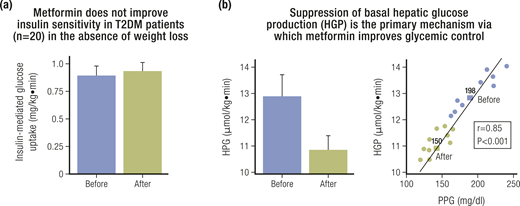
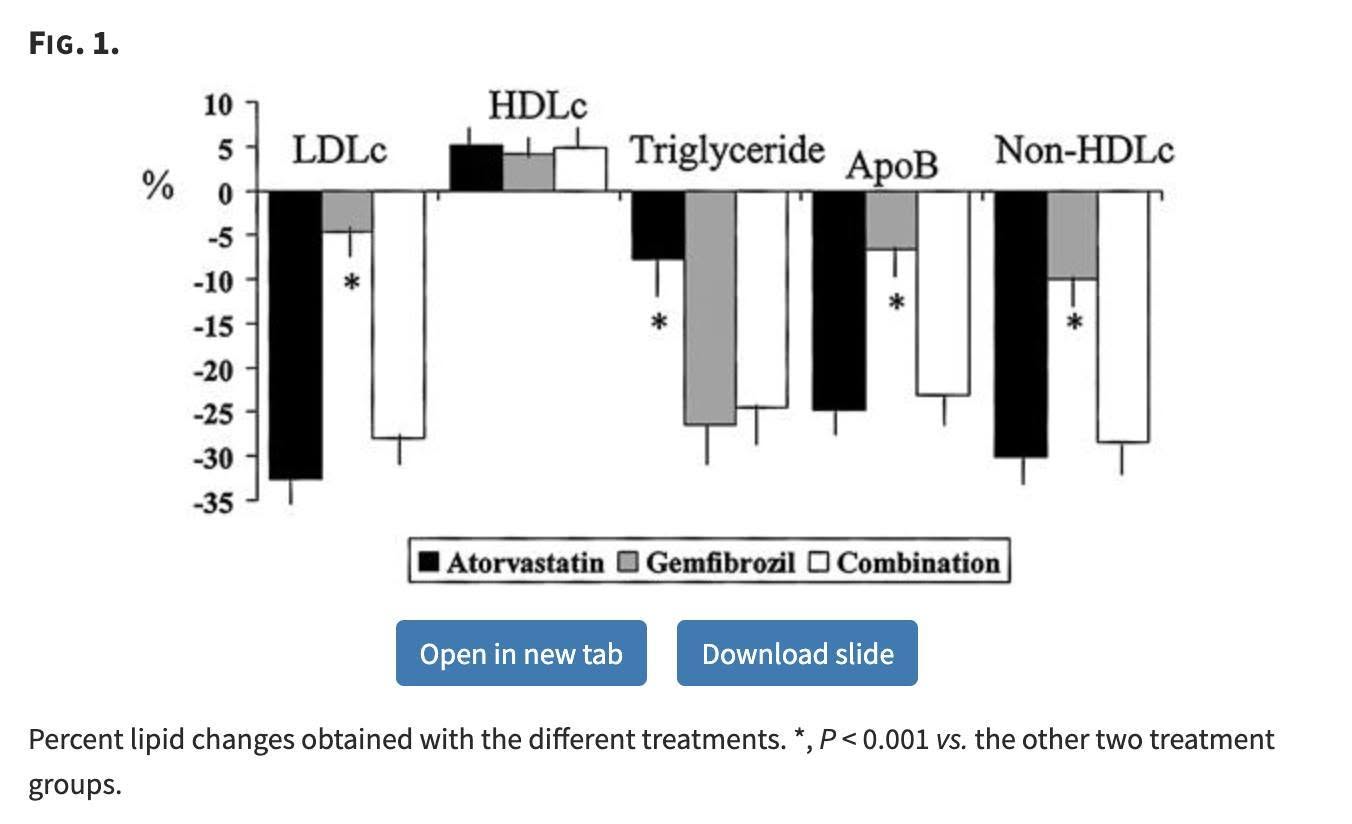
- Pharmacological Approaches: While lifestyle is foundational, drug therapy is often necessary. Metformin improves insulin sensitivity. Statins remain essential for managing LDL-C but are often insufficient in patients with MetS. Fibrates are particularly well-suited to address high triglycerides (often lowering them by 40-60%) and low HDL-C.
A Unified Model and Conclusion
The extensive evidence linking metabolic dysfunction to atherosclerosis does not refute the foundational lipid hypothesis; rather, it provides a deeper, more comprehensive framework. The insulin resistance paradigm subsumes and expands upon the LDL-centric model. IR is the upstream metabolic engine that manufactures the most dangerous atherogenic lipid profile, while simultaneously promoting vascular injury through parallel, lipid-independent pathways. This unified model explains the clinical problem of residual risk: a patient with well-controlled LDL-C can still experience rapid plaque progression because the other pathogenic pathways driven by their underlying IR remain highly active.
The future of effective cardiovascular prevention must be holistic and metabolically informed. It requires clinicians to look beyond the standard lipid panel and actively assess and manage the underlying metabolic health of their patients. This comprehensive approach offers the greatest promise for mitigating the vast burden of residual cardiovascular risk that continues to drive morbidity and mortality worldwide.
This is an AI summary of the papers in the original post: facebook.com/groups/710884327310801/posts/1122844689448094