HD-OPM Archive
Hashtags

#insulin

87 posts

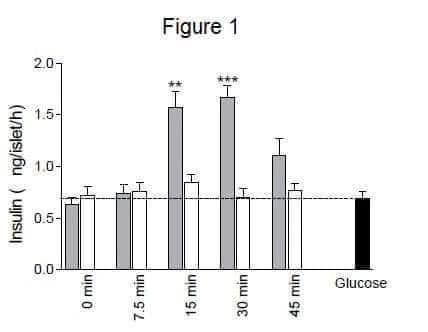
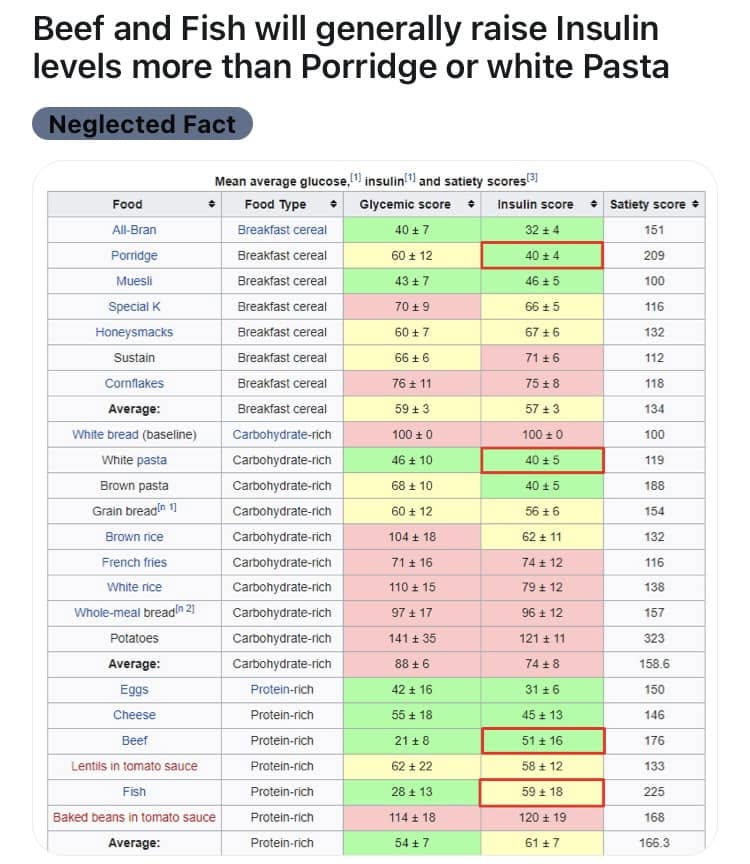
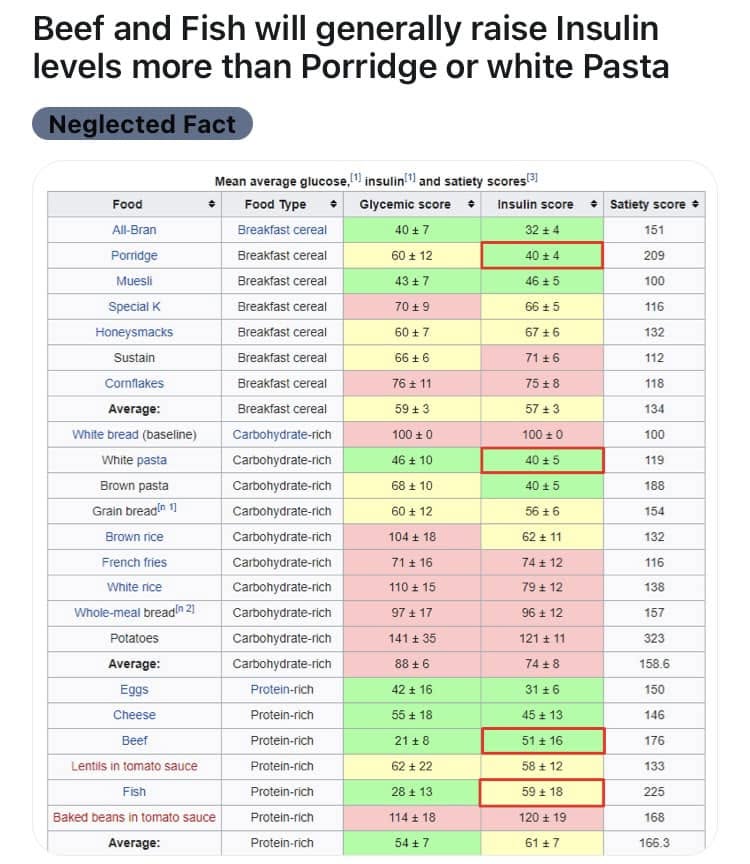
Beef and whey raise insulin more than pasta, oatmeal or glucose: use the insulin index

May 26, 2024 · Louis Nervegna ♥ 23 · 💬 71 ↩ 27 Insulin resistance & diabetes

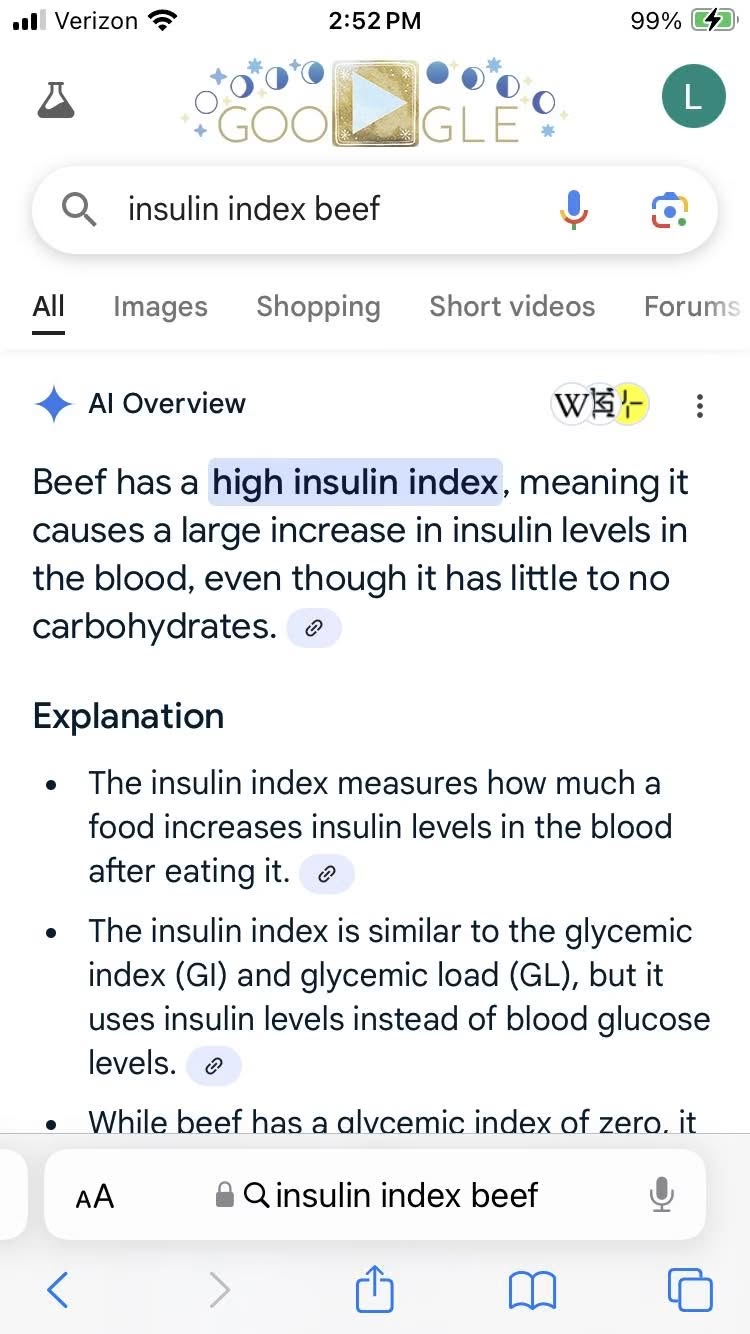
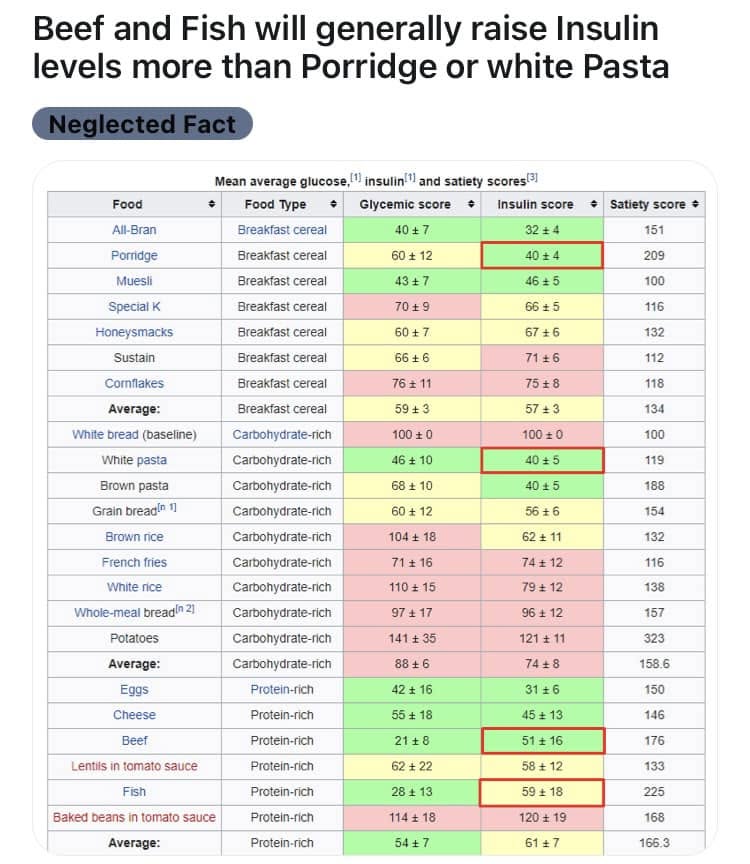
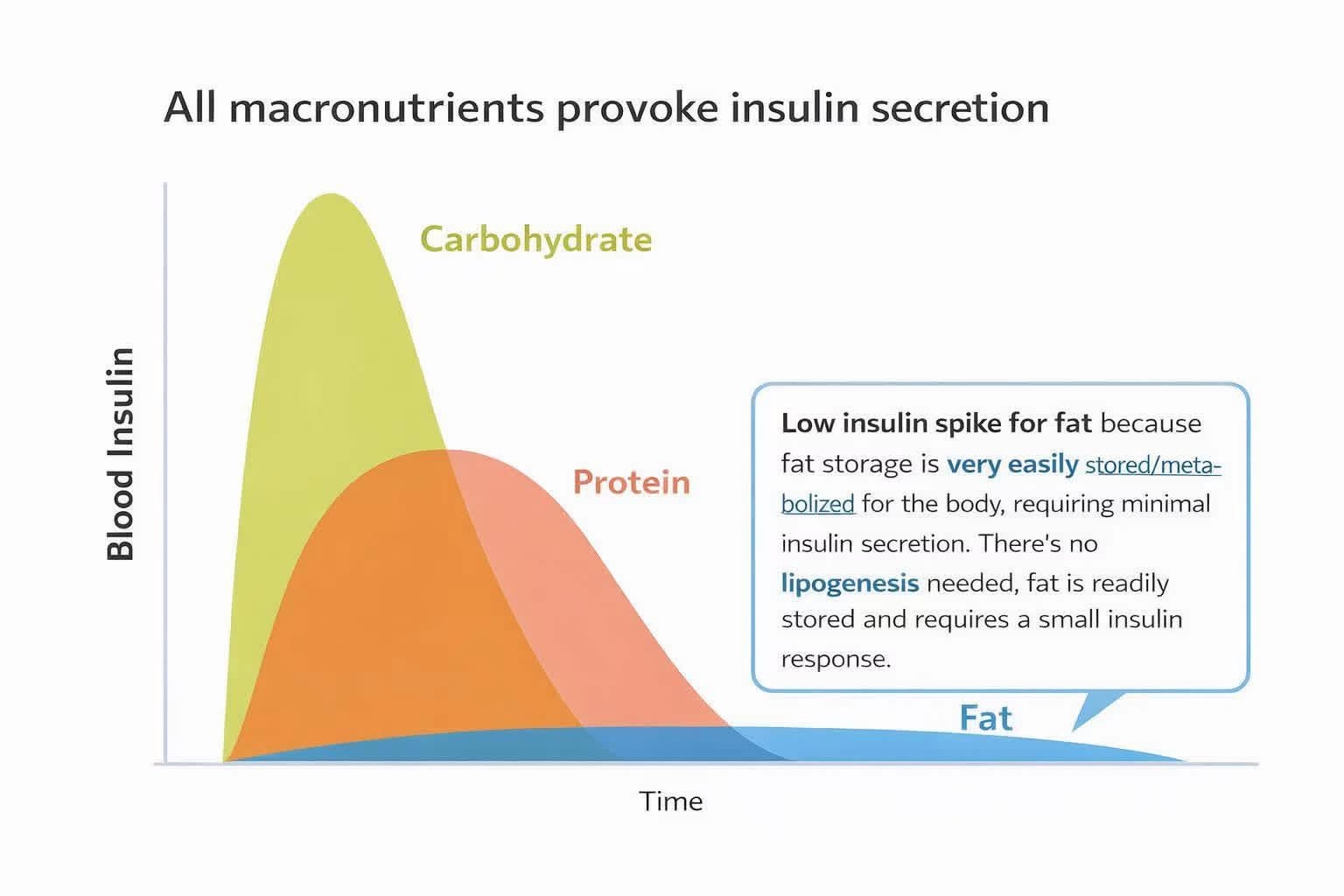
Louis points out that some proteins are more insulinogenic than carbs: beef raised insulin more than equal-calorie white pasta or oatmeal in the 1997 insulin index study, and whey more than glucose or white bread in a 2012 study. He says influencers have misled people about this and recommends learning the insulin index rather than assuming carbs alone drive insulin.
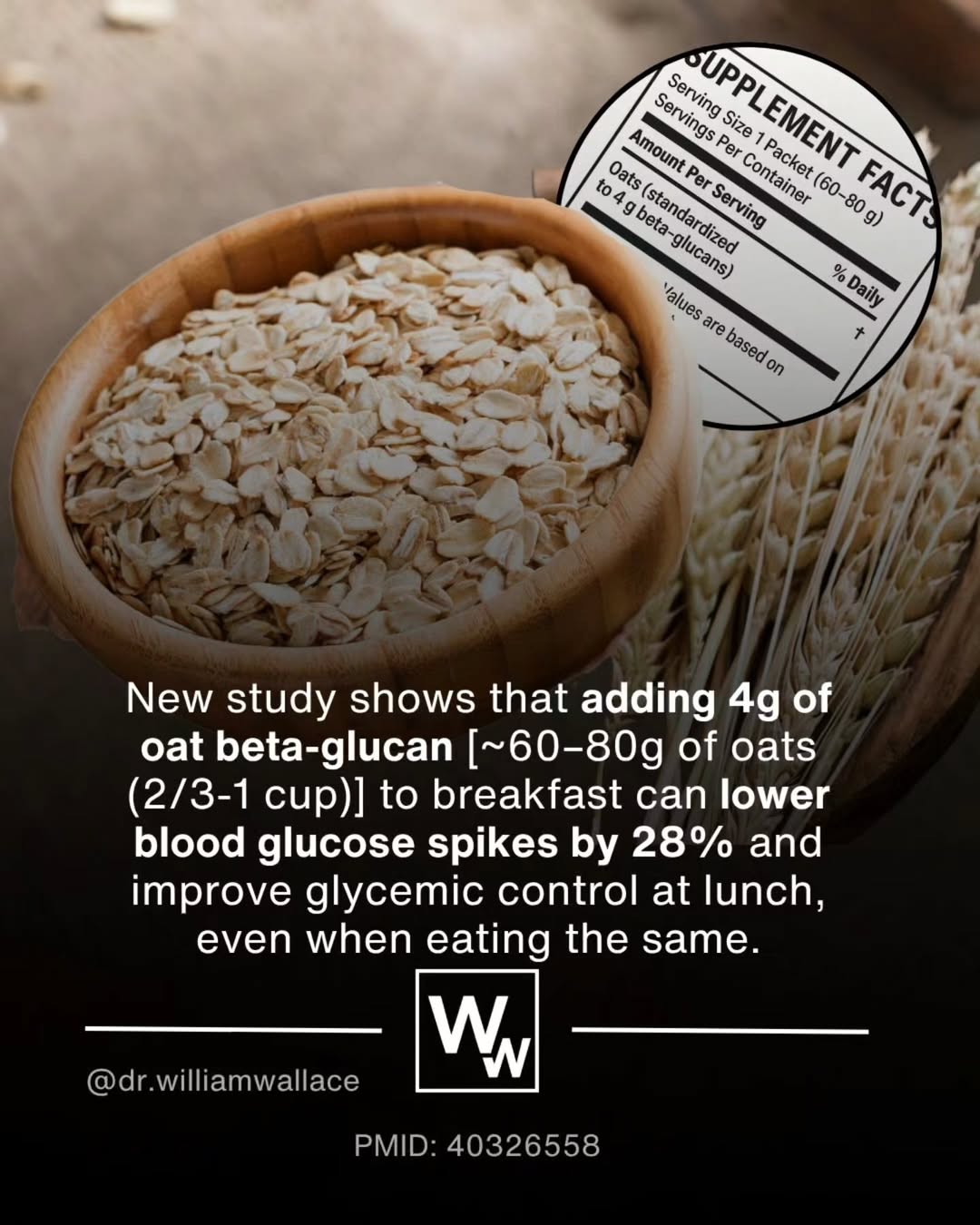
Oat beta-glucan (4 g) cut breakfast glucose peaks 28% and lunch response 24% in small RCT

May 14, 2025 · Louis Nervegna ♥ 30 · 💬 50 ↩ 2 Carbs, fiber, sugar & whole grains

Louis says slow-cooked steel-cut oats are among the heart-healthiest foods and rejects influencer claims that oats are 'the same as eating sugar'. The shared post summarizes a small RCT in 19 healthy adults where oat beta-glucan blunted glucose and insulin responses and carried over to the next meal. About 3/4 to 1 cup of oats supplies ~4 g beta-glucan.

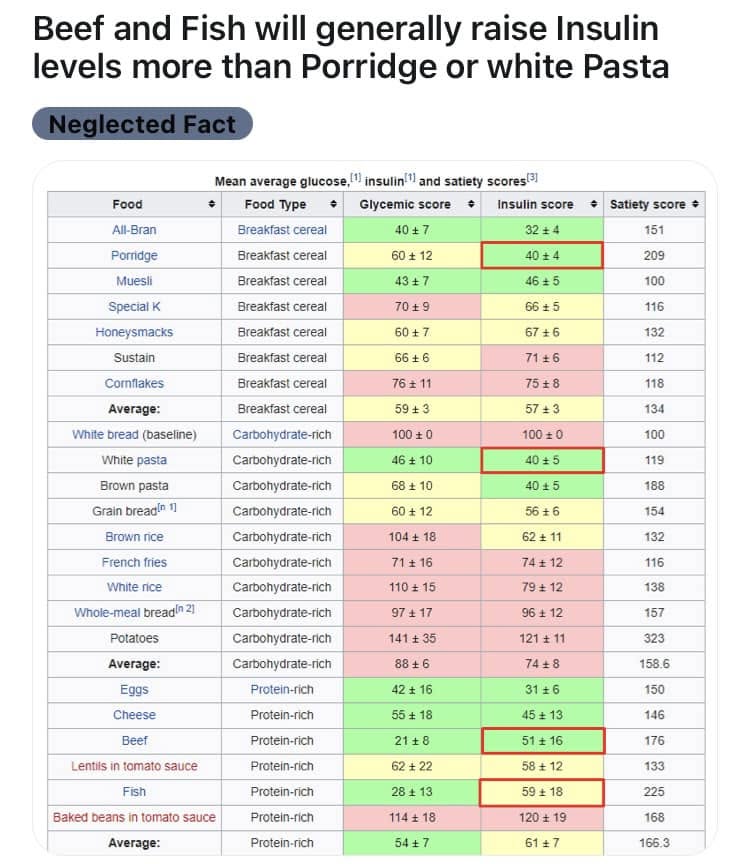
Beef and whey raise insulin more than equal-calorie oatmeal, pasta or bread

May 09, 2025 · Louis Nervegna ♥ 10 · 💬 41 Insulin resistance & diabetes

Louis explains that CGMs measure glucose, not insulin, and that some proteins provoke as much or more insulin than carbohydrates. Citing the 1997 insulin index paper and a 2012 whey study, he shows beef raises insulin more than pasta or oatmeal calorie for calorie, and whey more than glucose or white bread, so swapping protein for carbs may raise post-meal insulin.

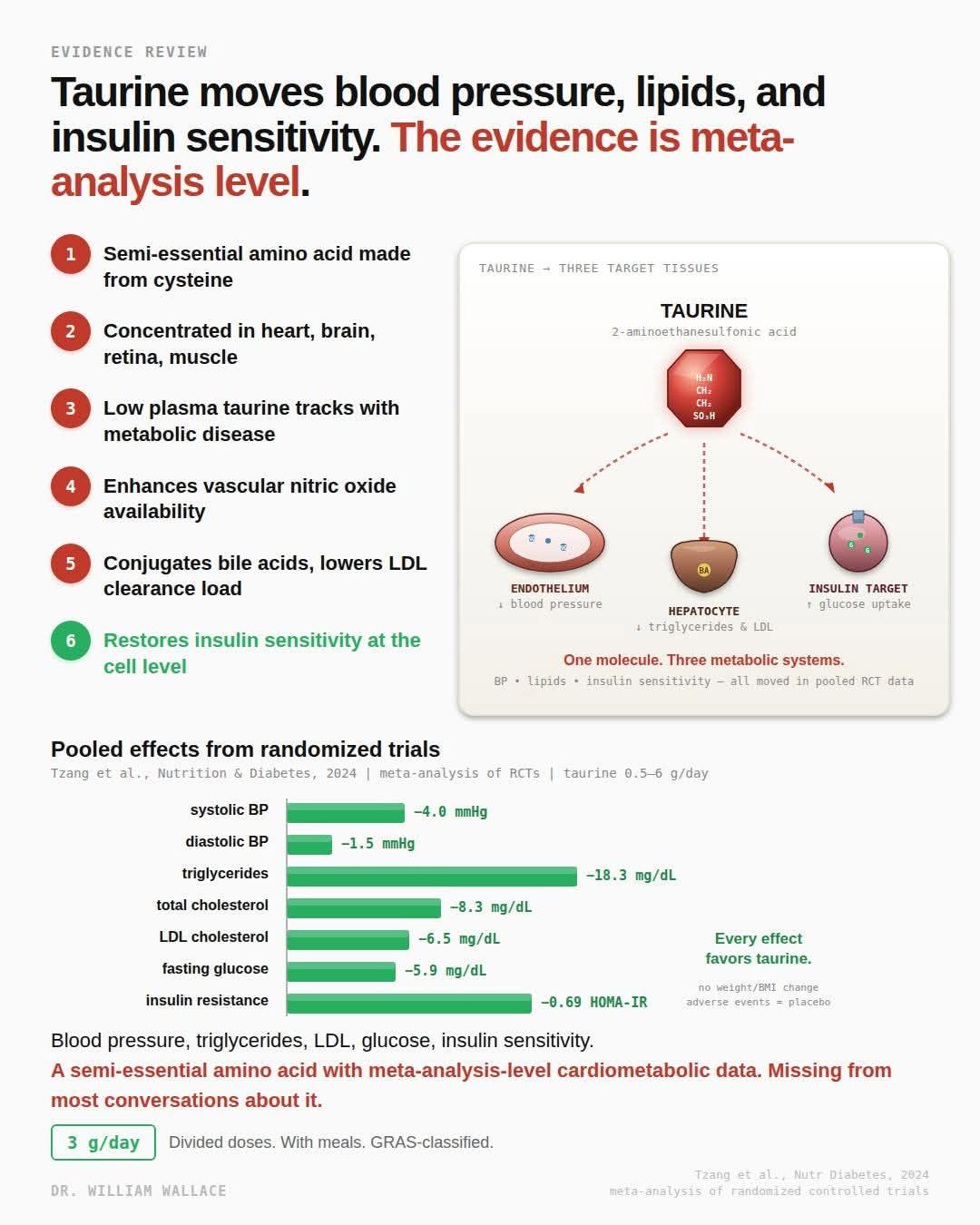
Taurine and cardiovascular disease: anti-inflammatory and vascular effects

Jan 27, 2024 · Gokhan Can ♥ 21 · 💬 26 ↩ 2 Supplements & vitamins

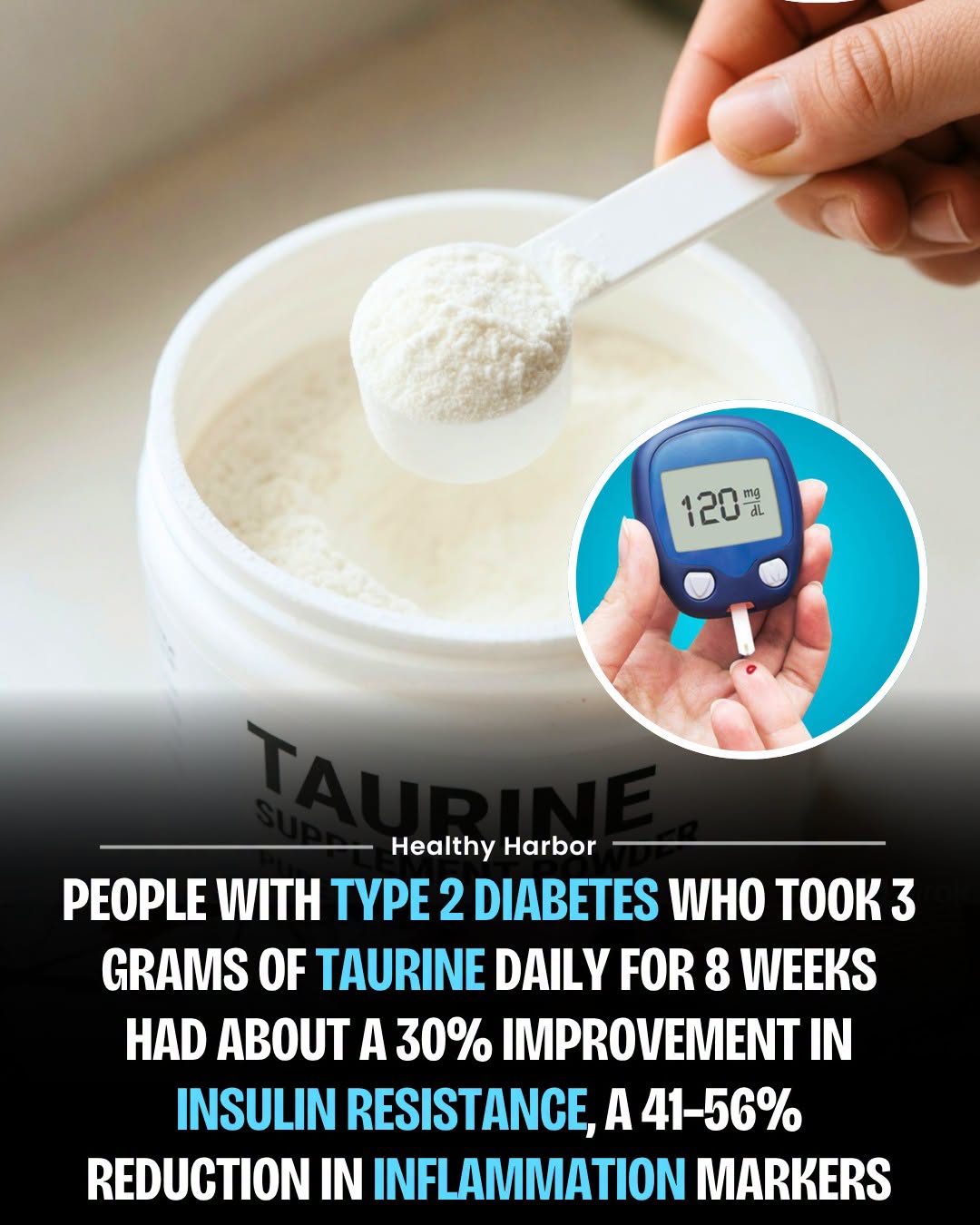
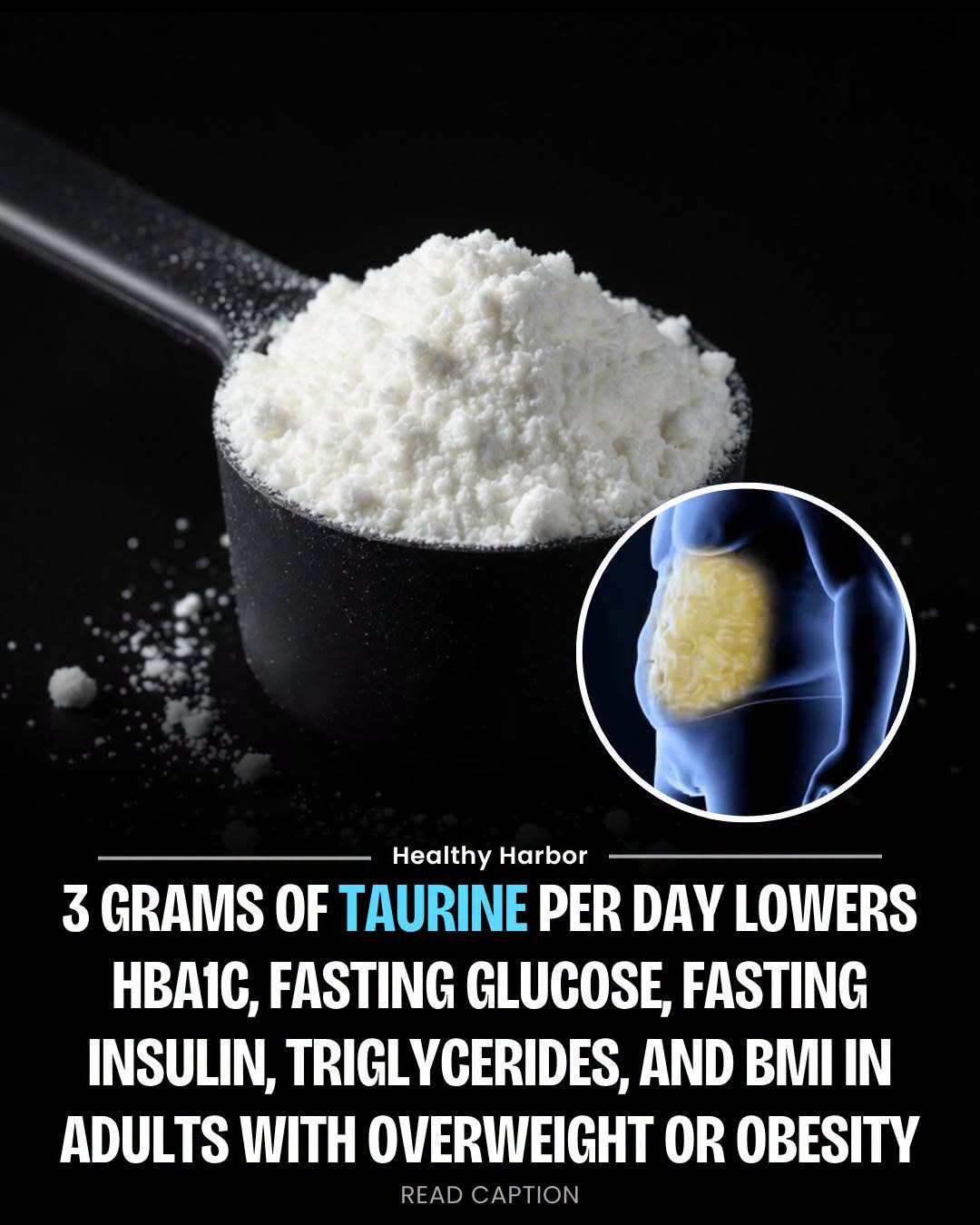
A long evidence summary on taurine: deficiency causes cardiomyopathy in cats and in humans with transporter defects, higher taurine intake correlates with lower coronary disease, and animal studies show reduced atherosclerosis and vessel relaxation. The author is considering a supplement against chronic inflammation; most evidence cited is animal or observational.

Insulin stimulates liver cholesterol production, linking insulin resistance to high LDL

Jun 25, 2024 · Louis Nervegna ♥ 17 · 💬 22 LDL, ApoB & lipid panel

The post explains that insulin signals the liver to make more cholesterol by keeping HMG-CoA reductase active, one reason insulin resistance and metabolic syndrome go with high cholesterol. It argues protein, especially animal protein, also raises insulin, partly offset by glucagon, and that swapping animal for plant protein lowers cholesterol beyond saturated fat and fiber effects. Much of the protein argument is the poster's inference.

High insulin/IGF-1 tied to cancer, diabetes; Laron syndrome and low-IGF-1 mice live longer

May 13, 2025 · Louis Nervegna ♥ 23 · 💬 13 Aging & longevity

Louis praises a video on height, insulin/IGF-1 and longevity and lays out his argument: diet (refined starch/sugar and excess animal protein) is the main driver of IGF-1, and low IGF-1 is linked to lower cancer and diabetes risk. He cites Laron syndrome, with no documented cancer deaths, little diabetes and less heart disease and Alzheimer's, and a long-lived low-IGF-1 mouse. Claims come from the post and videos, not named papers.

Big glucose spikes from oats signal insulin resistance; only losing visceral fat cures it

Mar 01, 2025 · Louis Nervegna ♥ 23 · 💬 8 Insulin resistance & diabetes

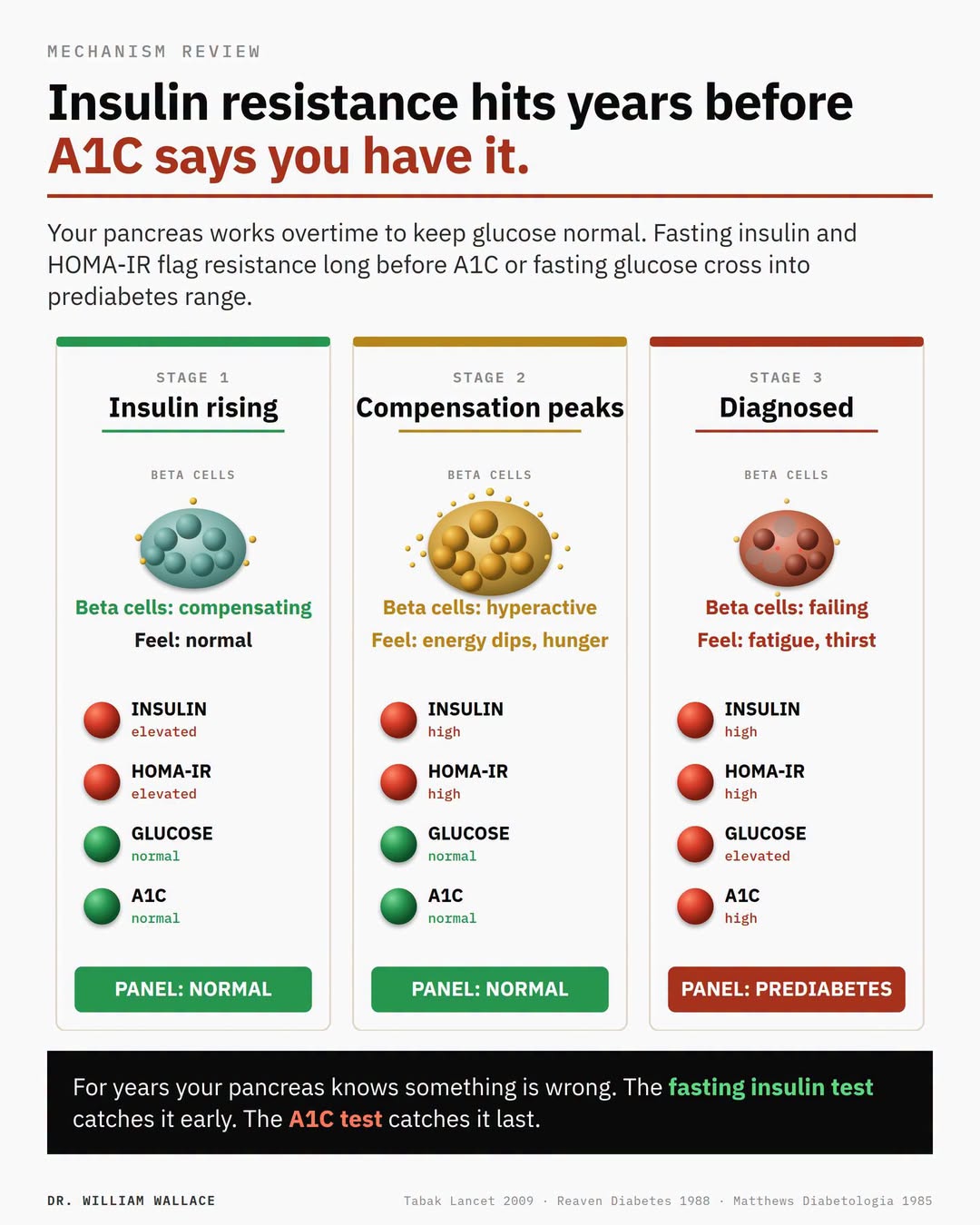
Louis argues that large glucose spikes from low-to-moderate GI carbs suggest prediabetes or diabetes, and that cutting carbs only masks the problem unless enough weight is lost to clear liver and pancreas fat. He adds that visceral fat can hide in people with normal BMI, that Asians develop insulin resistance at lower visceral fat levels, and summarizes Roy Taylor's very-low-calorie diet trials.

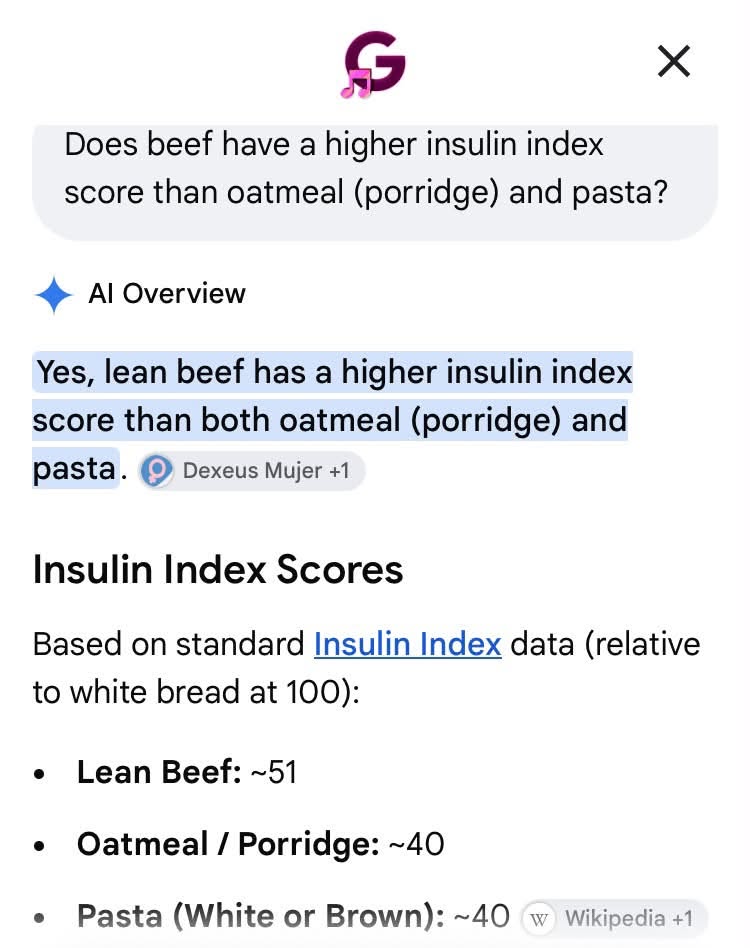
Red meat and whey raise insulin, countering claims in a Lustig clip

Oct 29, 2024 · Louis Nervegna ♥ 13 · 💬 19 Insulin resistance & diabetes

Louis says Robert Lustig and Levels are wrong to imply red meat does not raise insulin. He states red meat raises insulin as much as white pasta or oatmeal and whey more than white bread, so switching from carbs to protein mainly lowers glucose, not insulin. He agrees excess insulin may promote vascular smooth muscle growth and some cancers.
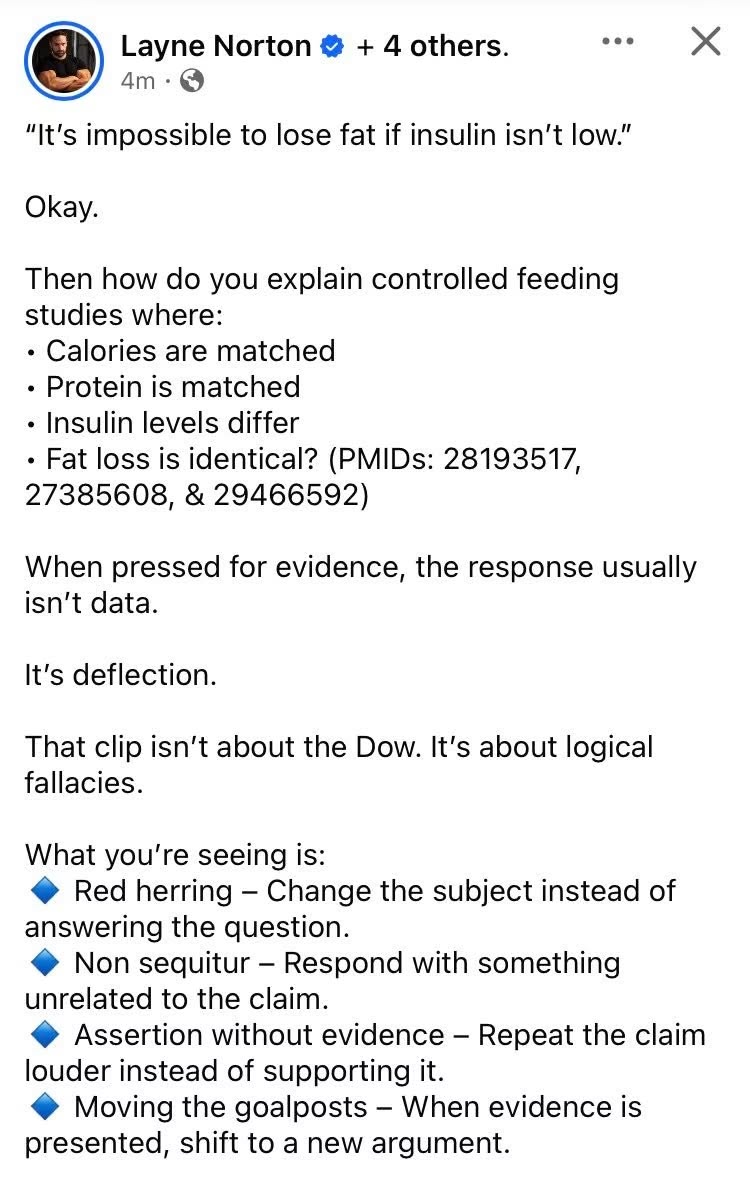
Why chronically high insulin is harmful and how to keep it low

Feb 22, 2025 · Louis Nervegna ♥ 11 · 💬 18 Insulin resistance & diabetes

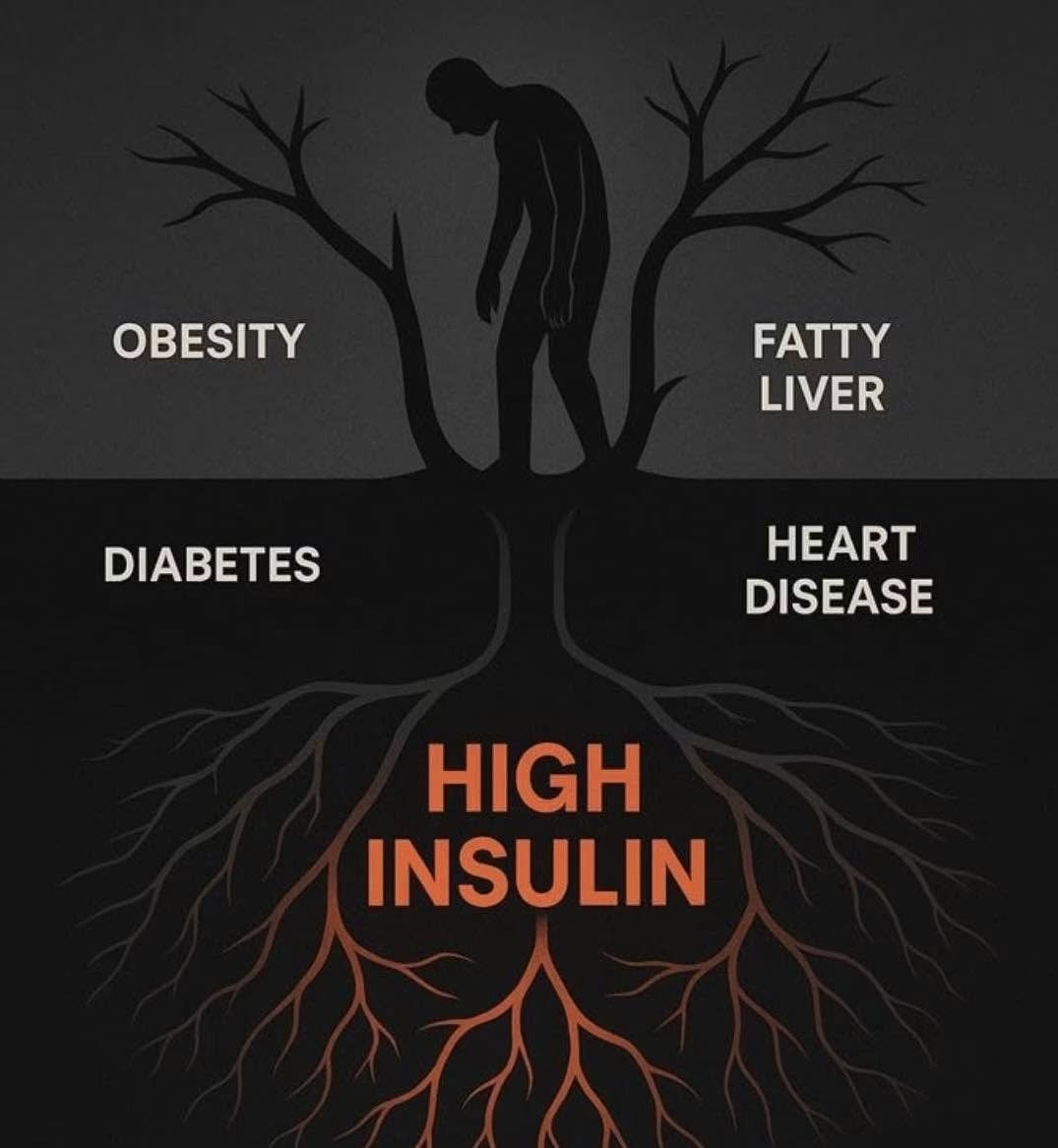
Louis argues excess insulin promotes cancer growth, heart disease and IGF-1/mTOR growth pathways that accelerate aging, citing animal lifespan work, Loyal's dog research and Laron syndrome. He recommends avoiding refined starch/sugar, limiting excess animal protein, and using fats, fasting and calorie restriction to keep insulin low.

Limiting diabetes risk on LDL-lowering drugs: statin risk is modest, alternatives exist

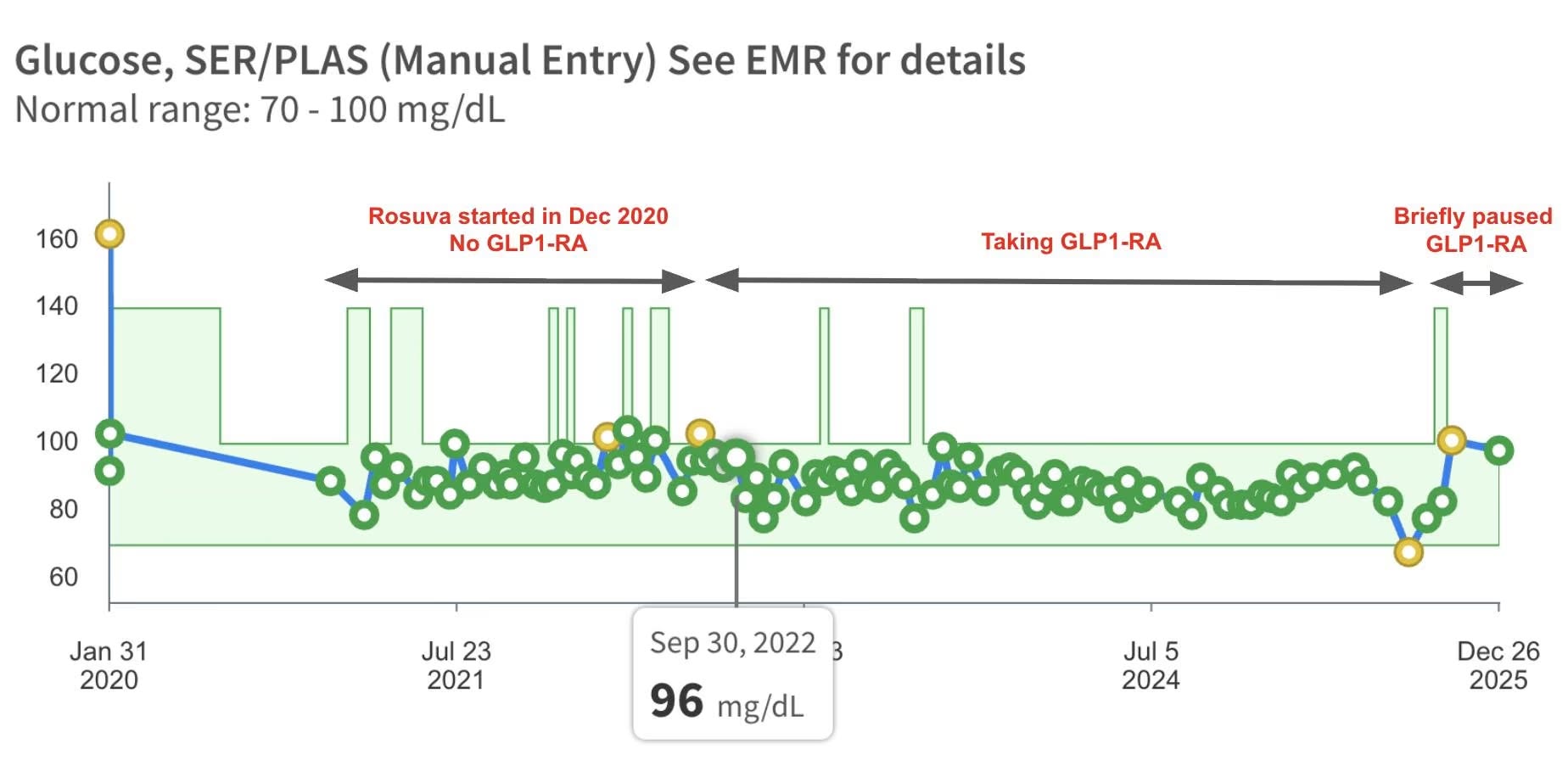
Nov 26, 2025 · Gokhan Can ♥ 7 · 💬 17 Statins

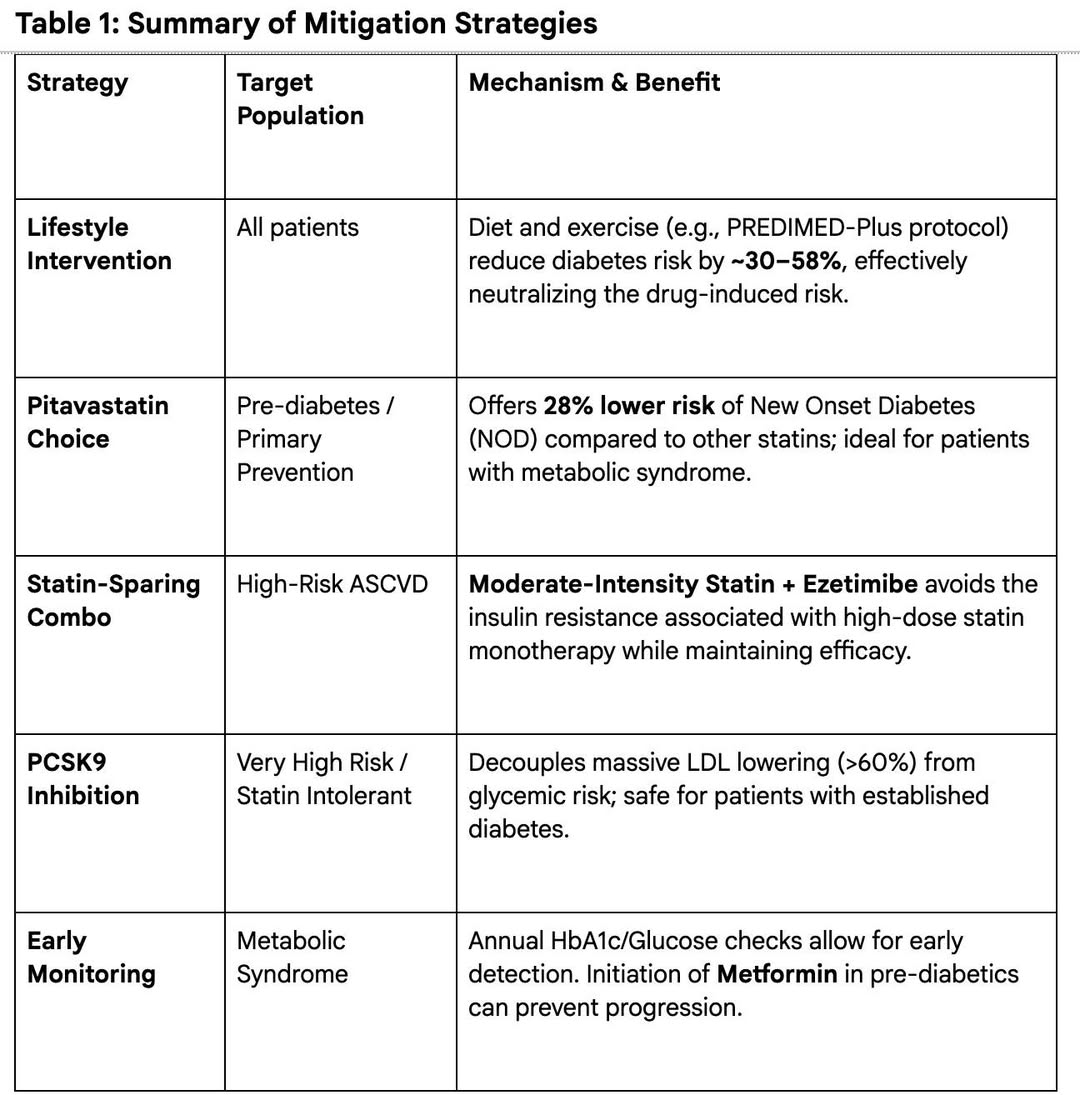
Review explaining that statins modestly increase new-onset diabetes in a dose-dependent way, mostly in people with existing metabolic risk factors, and that cardiovascular benefit clearly outweighs this. It suggests statins mainly bring forward diagnosis in predisposed people, outlines mechanisms (beta-cell dysfunction, insulin resistance) and proposes ezetimibe, PCSK9 inhibitors and pitavastatin as options that limit glycemic harm.

Keto causes bigger temporary insulin resistance than statins, so statin fear is overplayed

Sep 16, 2024 · Louis Nervegna ♥ 8 · 💬 16 Statins

Louis argues that keto influencers who fixate on statins slightly reducing insulin sensitivity overlook that a keto diet causes the same effect to a much greater degree. Without carbohydrate, skeletal muscle becomes insulin resistant to preserve glucose for the brain and heart, so a glucose tolerance test on keto looks poor. Both effects are temporary and reverse on stopping.

Sabatini on diet and mTOR: limit amino acids and insulin; ~18 h fasting may inhibit mTORC1

Dec 09, 2024 · Louis Nervegna ♥ 10 · 💬 11 ↩ 3 Aging & longevity

Louis shares notes on a David Sabatini interview about how diet affects mTOR and autophagy. Sabatini suggests low amino acid or low carbohydrate diets lower mTOR, favors a higher-carbohydrate diet of low-glycemic carbs, and thinks mTORC1 senses total daily insulin. He guesses about 18 hours of fasting inhibits mTORC1, while stressing nobody has all the answers.
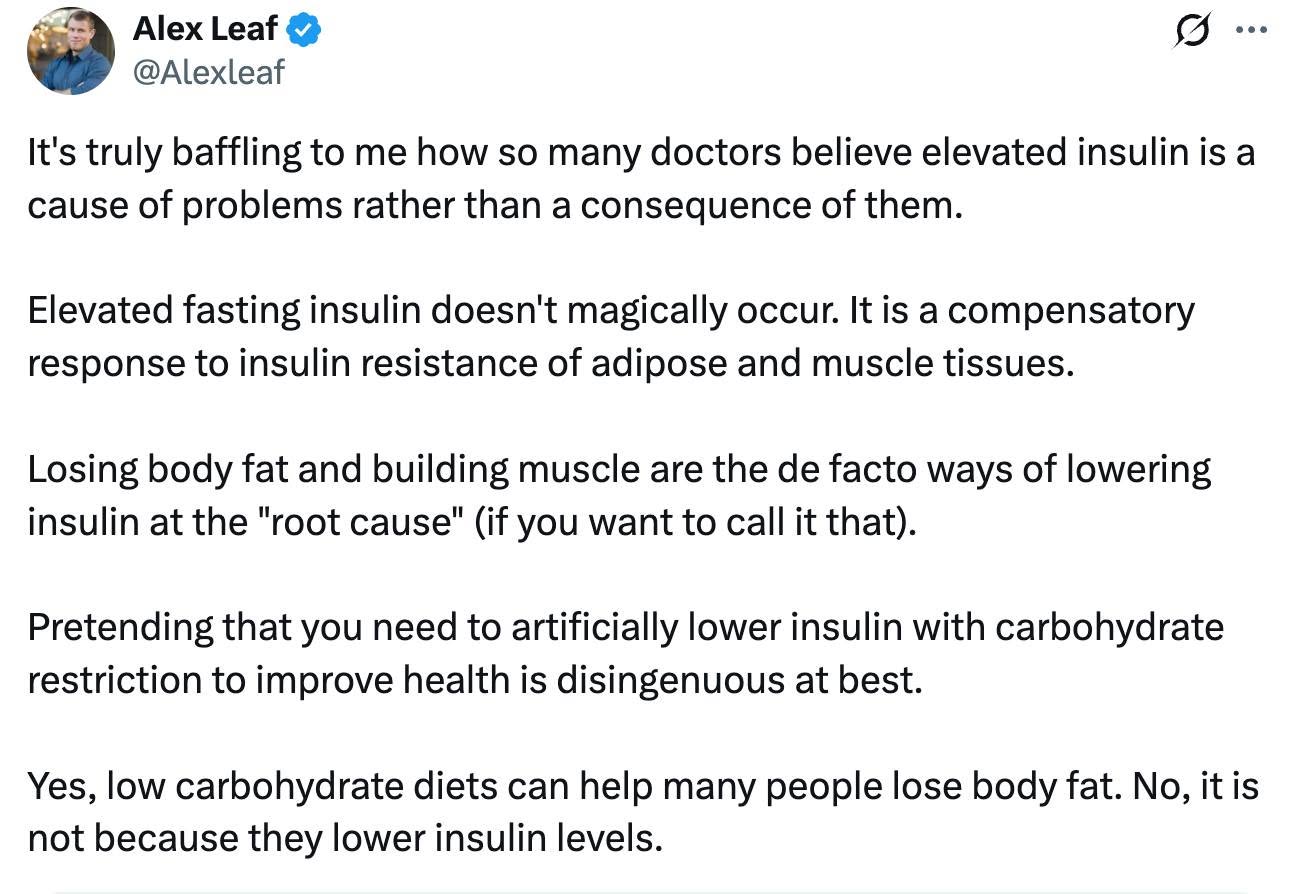
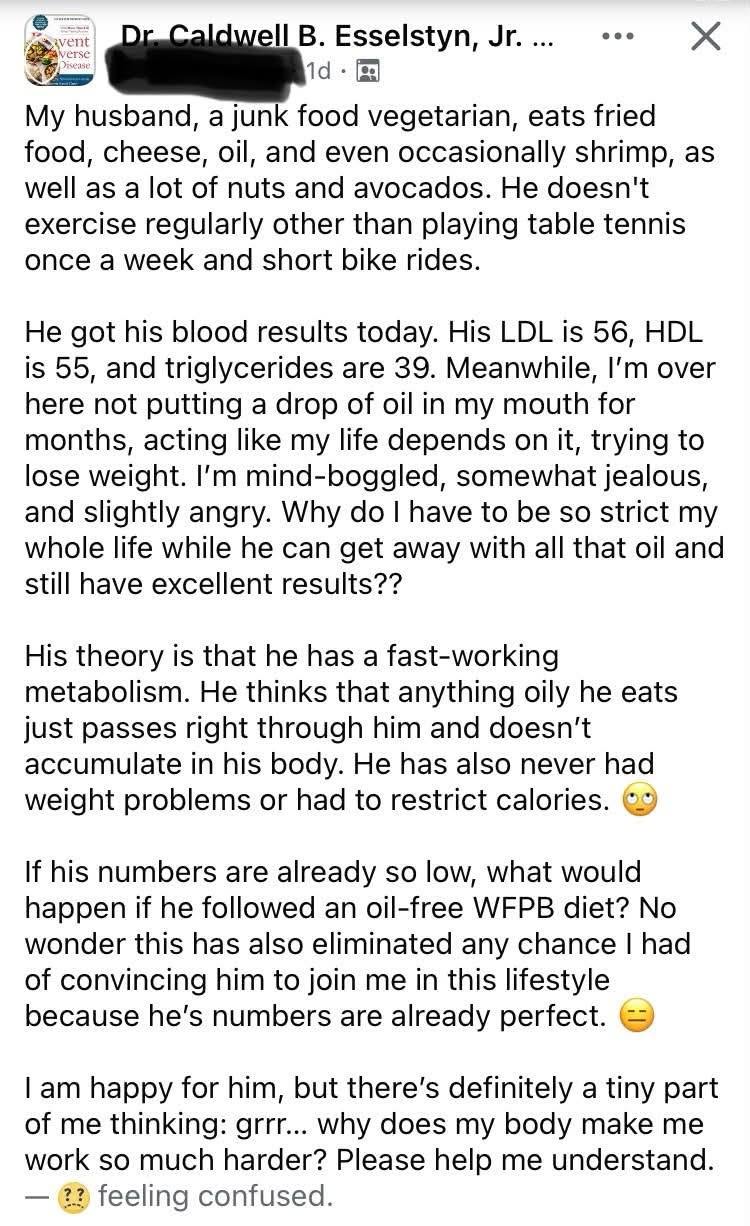
Defending a lean, nut-and-olive-oil vegetarian diet against 'junk food' labels

Jul 25, 2026 · Louis Nervegna ♥ 9 · 💬 12 Fats & oils (saturated fat, seed oils, omega-6, olive oil)

Louis argues a diet heavy in nuts, avocado, unsaturated oils, some cheese and seafood, and low in refined starch, sugar and saturated fat is healthy. He says unsaturated fat improves insulin sensitivity and lowers LDL, and that his example's good lipids reflect leanness, whereas a person avoiding all fat but staying overweight needs to lose visceral fat first.

Keto beat Mediterranean and low-fat diets on liver fat and glycemia at equal weight loss

Aug 27, 2026 · Gokhan Can ♥ 6 · 💬 8 ↩ 1 Low-carb, keto & carnivore

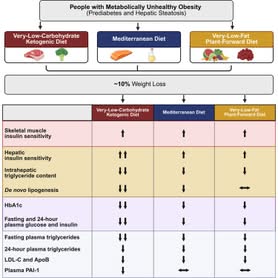
Petersen et al. (Cell Metabolism, 2026) fed 42 adults with obesity, prediabetes and fatty liver all meals in a controlled trial until ~10% weight loss. All diets improved muscle insulin sensitivity and body composition, but the very-low-carb ketogenic diet gave clearly larger improvements in liver metabolic function, intrahepatic fat and glycemic control.

Imidazole propionate: how gut bacteria make it from histidine and how to lower it

Jul 18, 2025 · Gokhan Can ♥ 9 · 💬 5 ↩ 1 Gut microbiome

A detailed explainer on ImP, a gut-microbial metabolite elevated in type 2 diabetes, atherosclerosis, heart failure, kidney disease and fatty liver. It is made from dietary histidine by specific bacteria in dysbiotic guts and is more tied to microbiome composition than to histidine intake, so a diverse, high-fiber microbiome is protective.

Meta-analysis of 102 feeding trials: polyunsaturated fat gives the best glycemic benefit

Nov 18, 2025 · Gokhan Can ♥ 6 · 💬 7 Fats & oils (saturated fat, seed oils, omega-6, olive oil)

Summarises a systematic review of 102 randomized feeding trials (4,220 participants) on 5% energy swaps. Replacing carbs with MUFA lowered HbA1c 0.09% and HOMA-IR 2.4%; with PUFA lowered HbA1c 0.11% and fasting insulin 1.6 pmol/L. PUFA alone improved insulin secretion capacity; saturated fat swaps did not change fasting glucose. Authors favor replacing refined carbs and saturated fat with unsaturated fats.

100+ trials: polyunsaturated fat improves glucose and insulin markers, saturated doesn't

Sep 14, 2025 · Louis Nervegna ♥ 7 · 💬 6 ↩ 13 Fats & oils (saturated fat, seed oils, omega-6, olive oil)

Louis summarizes a meta-analysis of randomized feeding trials showing polyunsaturated fat, mostly omega-6 from vegetable oils, lowers fasting glucose and A1C and improves insulin resistance and insulin secretion. Monounsaturated fat did well but less so, and saturated fat showed no appreciable benefit.

Bale-Doneen protocol: aggressive multi-drug risk management reduced carotid IMT

Dec 03, 2023 · Gokhan Can ♥ 11 · 💬 3 ↩ 2 Plaque, CAC & CT angiography

Describes the Bale and Doneen approach to reversing plaque: lifestyle counseling, regular imaging and biomarker testing, statin-based lipid control with ezetimibe or niacin, SBP under 120, low-dose aspirin, insulin sensitizers and anti-inflammatories. In the 2016 community-based paper, carotid IMT measures fell markedly over a median of 3 years.

Small dense HDL tied to coronary calcium in insulin resistance; drugs may offset 40%

Nov 26, 2024 · Louis Nervegna ♥ 7 · 💬 4 Insulin resistance & diabetes

Louis highlights a paper in the International Journal of Cardiology reporting that small HDL particles are associated with prediabetes, diabetes and subclinical coronary atherosclerosis. The authors suggest lipid-lowering drugs may reduce up to 40% of the coronary calcification linked to high small HDL. Louis concludes that high HDL is not always good and that people with insulin resistance considering a statin should read the paper.

Centenarians' longevity is tied to genes that lower insulin/IGF-1 signaling (Barzilai)

May 13, 2025 · Louis Nervegna ♥ 8 · 💬 4 Aging & longevity

Louis shares a Nir Barzilai clip arguing that centenarians owe their long lives largely to genetic variants lowering insulin/IGF-1 and mTOR signaling, strong enough to offset habits like smoking and obesity. Barzilai says women with the lowest IGF-1 in old age live twice as long as those with the highest. Louis adds that diet and lifestyle can help keep insulin/IGF-1 and mTOR lower.

100+ feeding trials: polyunsaturated fat improves glucose control, saturated fat does not

Dec 17, 2025 · Louis Nervegna ♥ 7 · 💬 1 Fats & oils (saturated fat, seed oils, omega-6, olive oil)

Louis summarizes the 2016 PLoS Medicine meta-analysis of randomized feeding trials: polyunsaturated fat, mainly omega-6 from vegetable oils, lowered fasting glucose and A1C and improved insulin resistance and secretion, MUFA did well but less so, and saturated fat showed no appreciable benefit. He pairs it with the 20-cohort biomarker study showing a 43% lower diabetes risk with high omega-6.

Video: immunoglobulin G buildup in fat tissue drives insulin resistance and aging

Feb 02, 2025 · Gokhan Can ♥ 19 Insulin resistance & diabetes

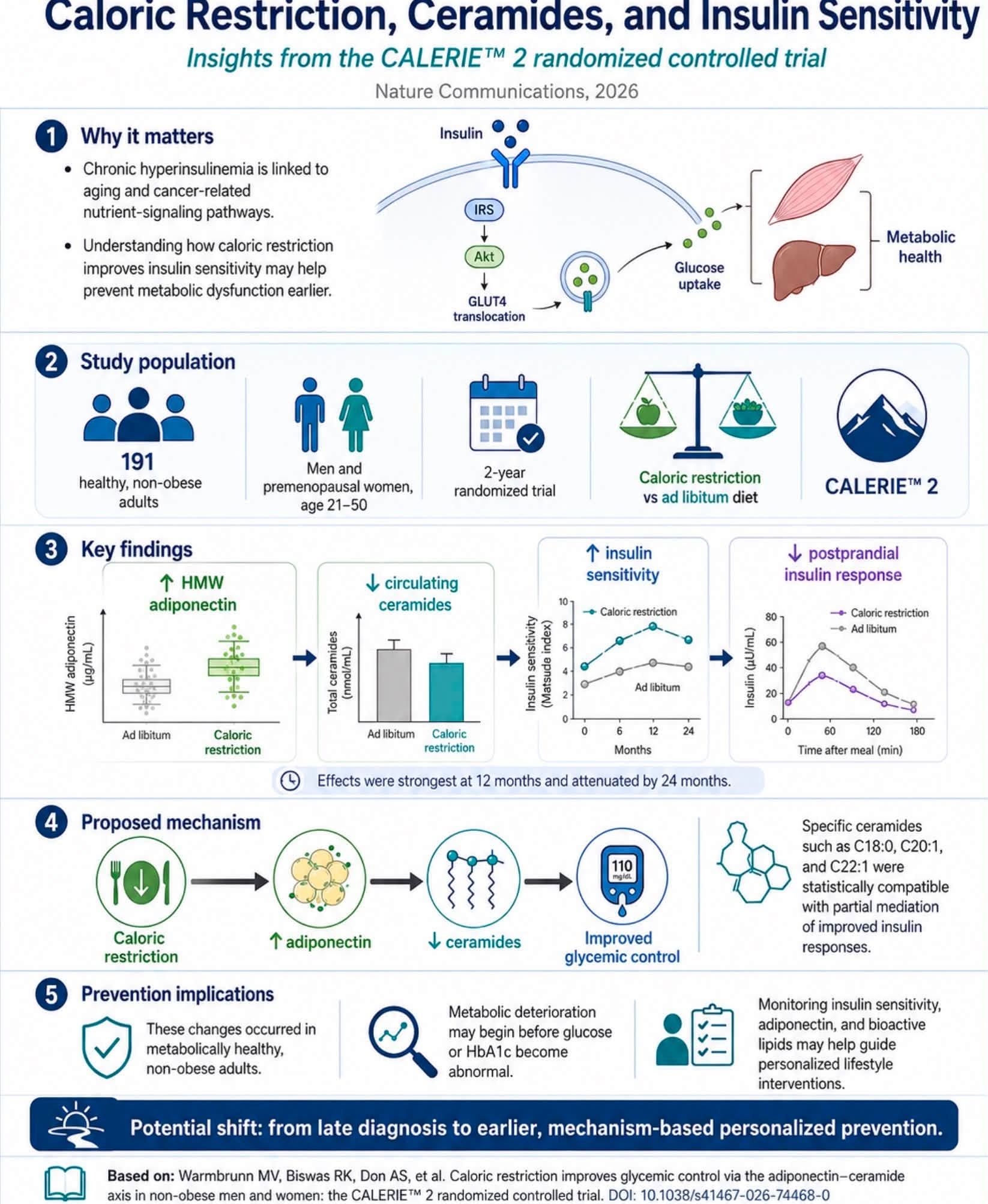
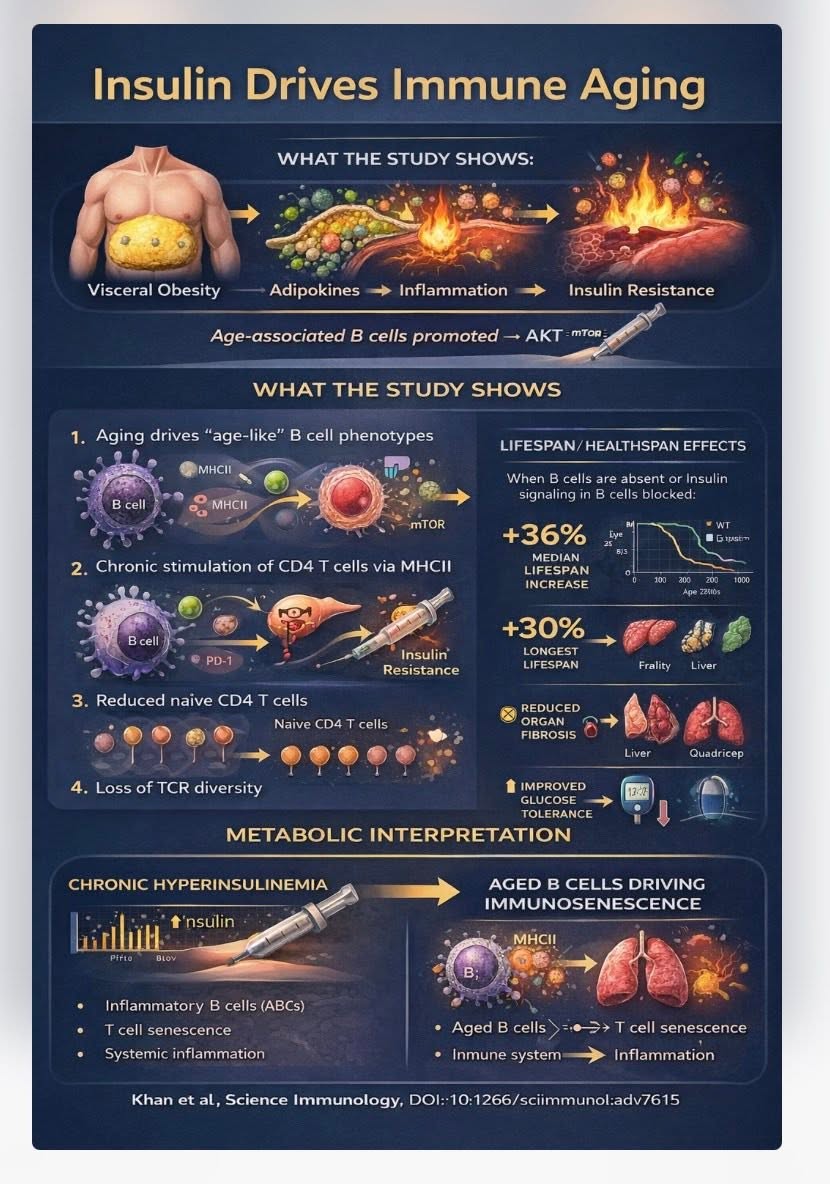
Gokhan summarizes a Mike Lustgarten video on research showing IgG accumulates in fat tissue with age and obesity, impairs insulin signaling, promotes inflammation and fibrosis, and is reduced by calorie restriction. Blocking IgG recycling through the FcRn receptor in mice improved metabolic health and extended lifespan. He calls it potentially Nobel-worthy 'if it holds up'.

Exercise activates AS160 and GLUT4 for muscle glucose uptake; Zierath wins 2024 EASD prize

Aug 26, 2024 · Louis Nervegna ♥ 12 Exercise & fitness

Louis shares news that Prof. Juleen Zierath won the 2024 EASD Diabetes Prize for Excellence for 30 years of work on exercise and muscle insulin signalling. Her group found exercise activates AS160, which boosts GLUT4 to move glucose into muscle and fat cells, a pathway still working when insulin's effect is impaired in type 2 diabetes. This supports exercise for lowering blood sugar.

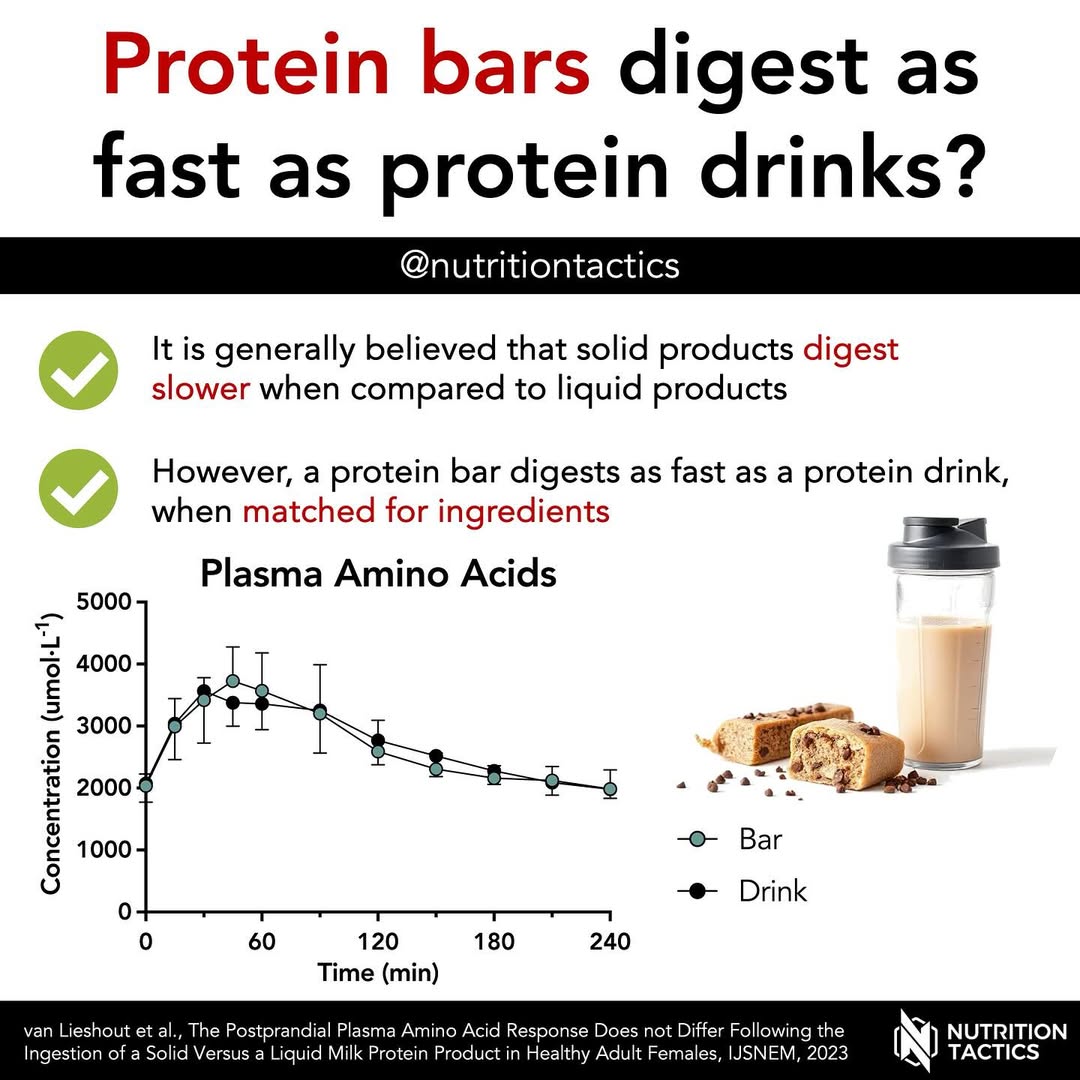
Protein bars and protein shakes produce similar insulin spikes

Jun 04, 2025 · Louis Nervegna ♥ 4 · 💬 1 Protein

Louis argues that a protein bar spikes insulin as much as a shake, since insulin release tracks blood amino acid levels and both use rapidly digested processed protein. The shared study compared 20 g of milk protein as a bar or a drink in 12 healthy young women.
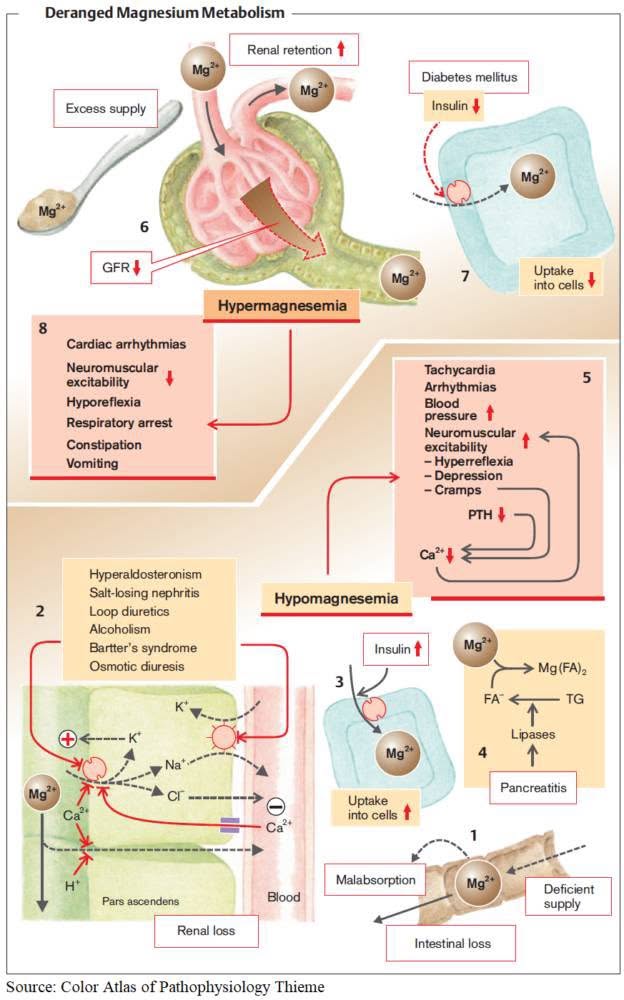
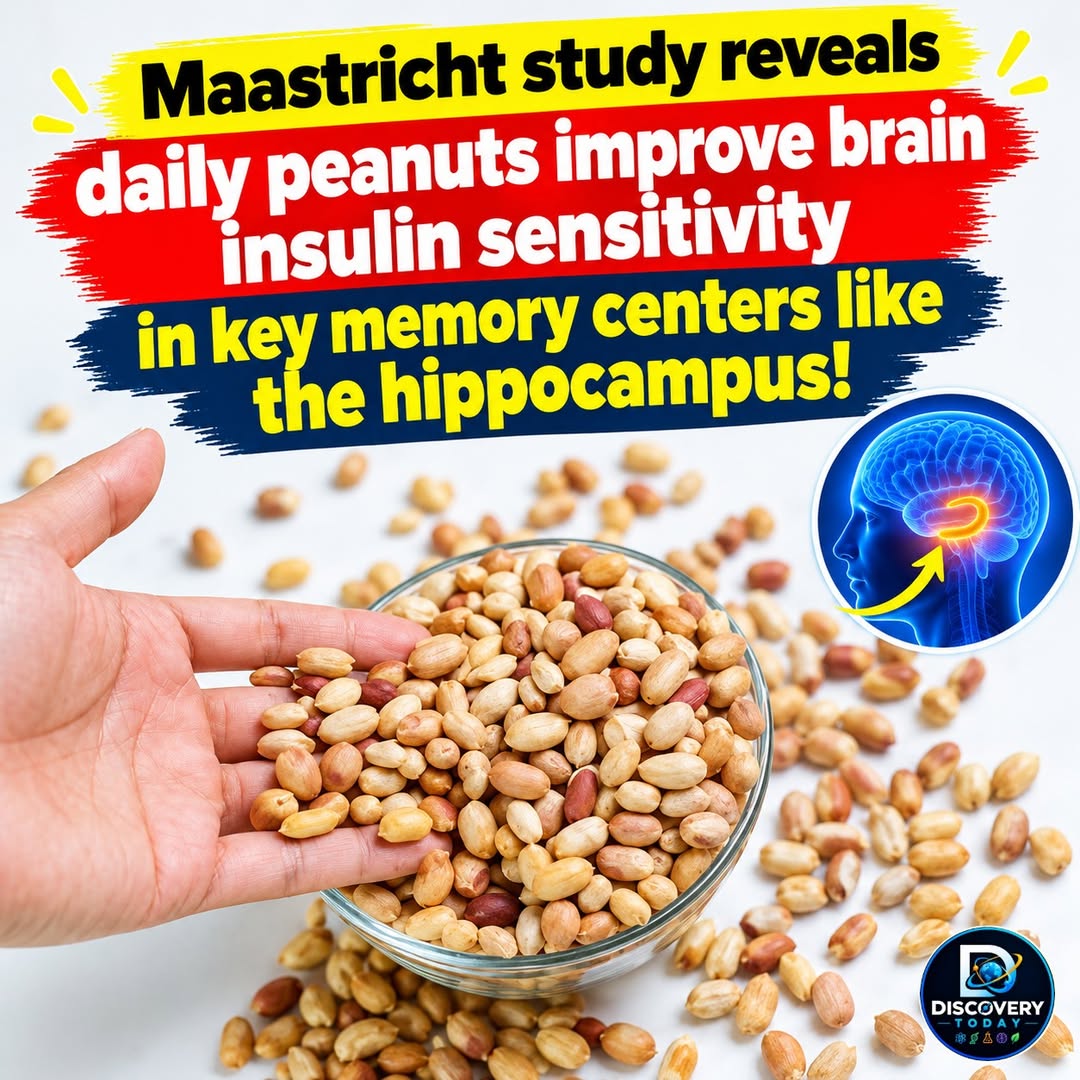
100+ RCTs and 20 cohorts: omega-6 improves glucose control, 43% lower diabetes risk

Louis summarizes evidence that omega-6 polyunsaturated fat lowers fasting glucose and A1C and improves insulin resistance and secretion across more than 100 randomized trials. A pooled analysis of about 40,000 people from 20 prospective cohorts with biomarker-measured omega-6 found the top fifth had 43% lower diabetes risk than the bottom fifth. He lists the supporting meta-analyses.
High-carb diet raised insulin yet people ate 689 fewer calories a day in an NIH ward study

Nov 02, 2026 · Louis Nervegna ♥ 0 · 💬 3 Insulin resistance & diabetes

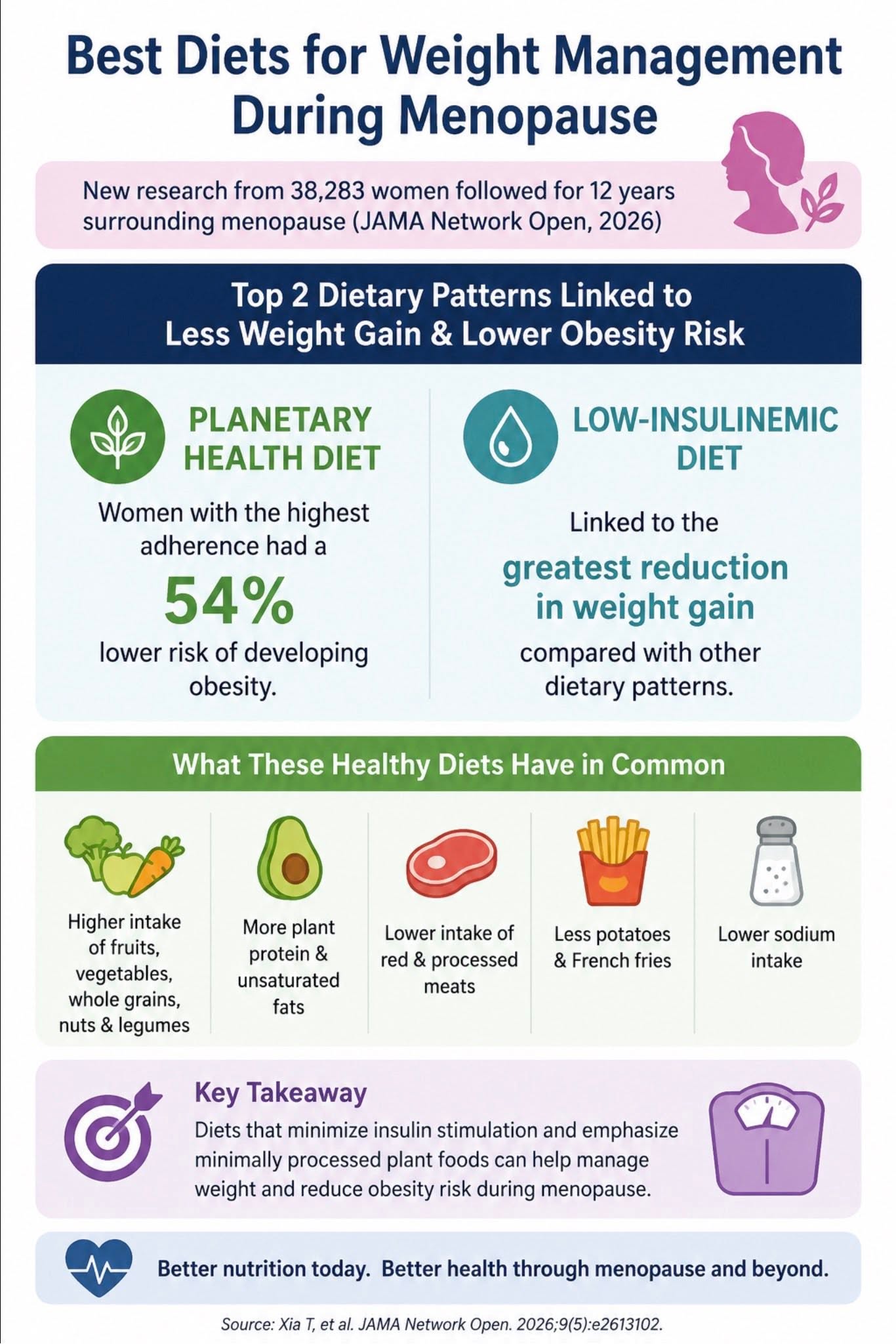
Louis shares a post arguing that normal insulin spikes from healthy carbohydrate do not drive hunger or overeating. In a controlled NIH study, 20 adults lived in a research facility on a high-carb low-fat diet (about 75% carbohydrate) and a ketogenic diet (about 10% carbohydrate) for two weeks each. Despite higher glucose and insulin, they ate an average of 689 fewer calories per day on the high-carb diet, contradicting the carbohydrate-insulin model's prediction, although the diets differed in other ways.

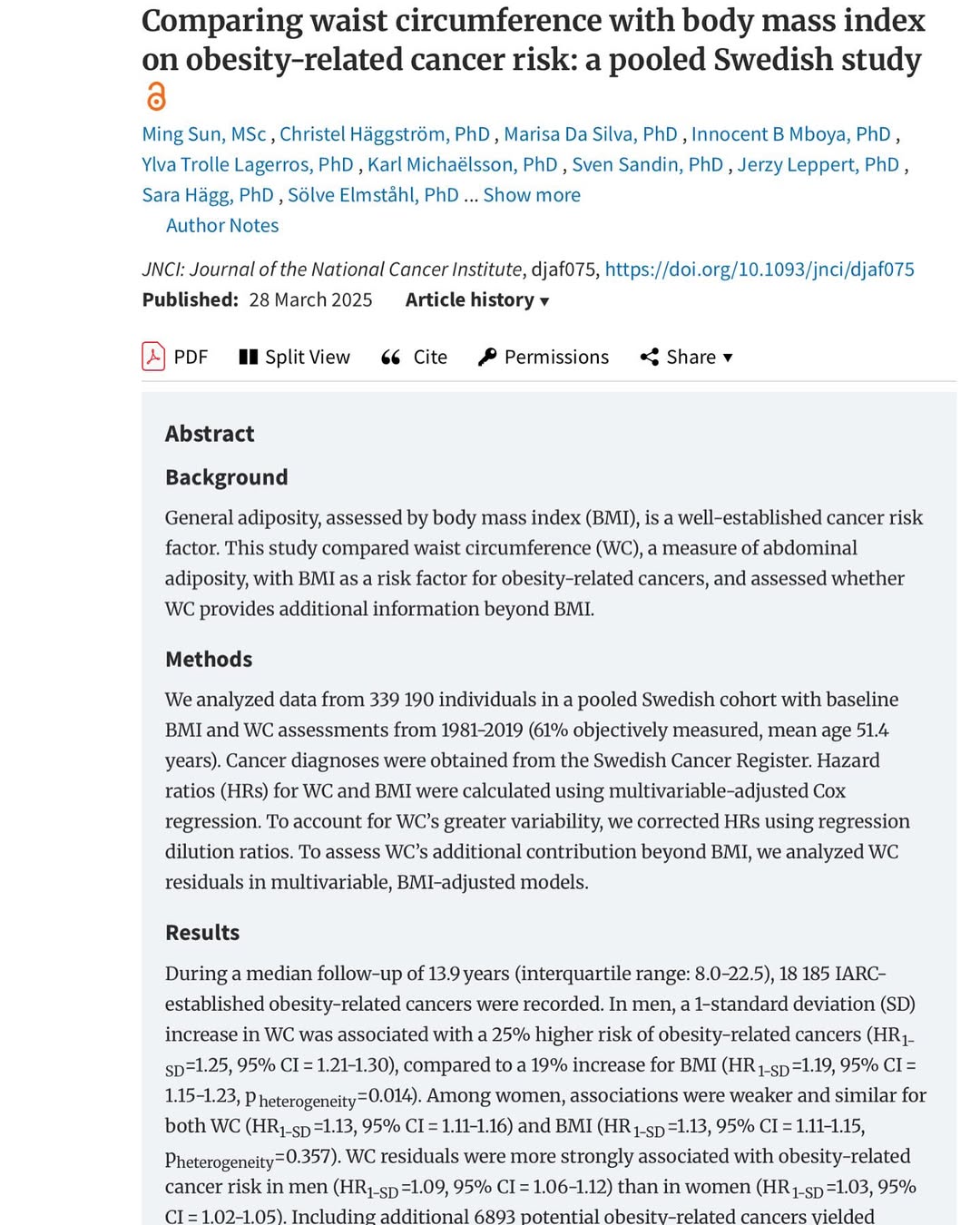
Waist circumference beat BMI for predicting obesity-related cancer in 339,000 Swedish men

Apr 16, 2025 · Louis Nervegna ♥ 2 Weight, visceral & liver fat

Luigi Fontana's summary of a large Swedish cohort showing waist circumference was a stronger predictor of obesity-related cancer than BMI in men, with added value after adjusting for BMI; the link was weaker in women. He argues abdominal fat signals metabolic dysfunction and should prompt deeper evaluation. Primarily cancer, linked to visceral fat.