(no text — see the shared post below)
What foods help reverse fat in the liver?
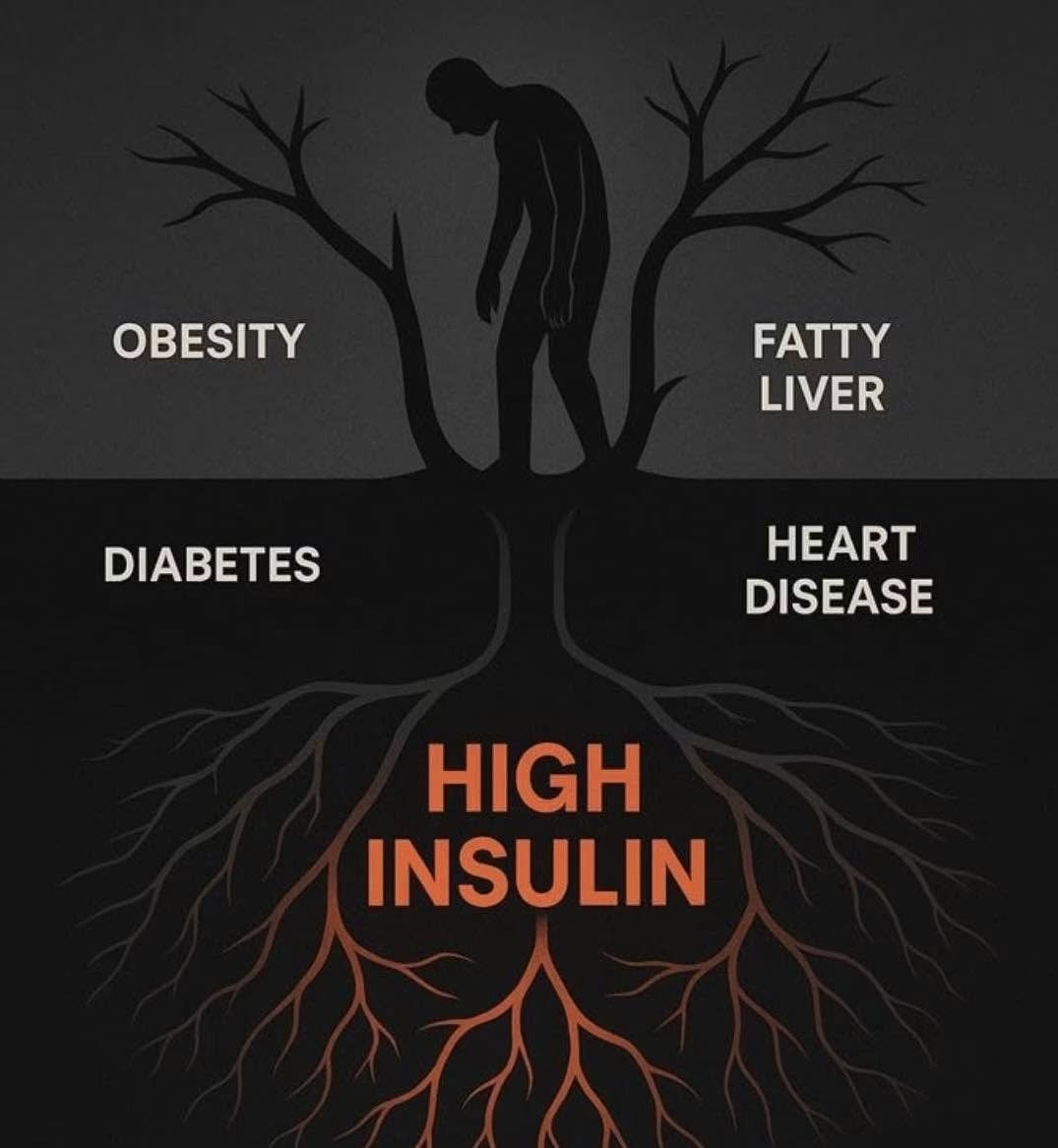
(As discussed many times in the group, fat accumulation in the liver is the main cause of insulin resistance in most people.)
Quoted:
“They might surprise you. We recommend patients with non-alcoholic fatty liver disease drink three cups of coffee per day, eat four tablespoons of olive oil a day and follow a Mediterranean diet, which emphasizes eating primarily plant-based foods and healthy fats.
People usually can’t believe we’re asking them to add more food like coffee and olive oil to their diet, rather than restrict items or cut things out.”
“The Mediterranean diet is a well-known diet that gained popularity in the 1990s, known more as an eating pattern rather than a structured diet. It emphasizes eating fruits, veggies, whole grains, beans, nuts, legumes, olive oil, and flavorful herbs and spices; fish and seafood at least a couple of times a week; and poultry, eggs, cheese and yogurt in moderation, while saving sweets and red meat for special occasions.”
#coffeeHD #liverfatHD #fattyliverHD #oliveoilHD #evooHD #mediterraneanHD #insulinresistanceHD #diabetesHD #metabolicsyndromeHD