HD-OPM Archive
Topics › GLP-1 drugs (semaglutide, tirzepatide)

Semaglutide improved MASH inflammation and fibrosis in the Phase 3 ESSENCE trial

Louis Nervegna · Jun 08, 2025 · ♥ 5 reactions · 4 comments · original Facebook post
GLP-1 drugs (semaglutide, tirzepatide)Weight, visceral & liver fatInsulin resistance & diabetes
AI summary & key facts

The post argues that liver and pancreas fat drive diabetes, insulin resistance and metabolic syndrome, and that fat leaves the liver early on a diet, which is why GLP-1 drugs work well in fatty liver disease. The shared summary describes the ESSENCE trial of weekly semaglutide 2.4 mg in biopsy-proven MASH with fibrosis stage 2-3 and lists open questions such as cirrhosis and durability.

Fat accumulation in the liver and pancreas is the fundamental cause of diabetes, insulin resistance, and metabolic syndrome.

One of the very first places that you lose fat on a diet is the liver: ↪ Liver fat is the biggest driver of insulin resistance in most people, per a Harvard expert. That’s why GLP1 agonists drugs are so effective at treating fatty liver disease.

#glp1HD #liverfatHD #fattyliverHD #visceralfatHD #diabetesHD #insulinresistanceHD #metabolicsyndromeHD #liverfatsummaryHD
Research cited

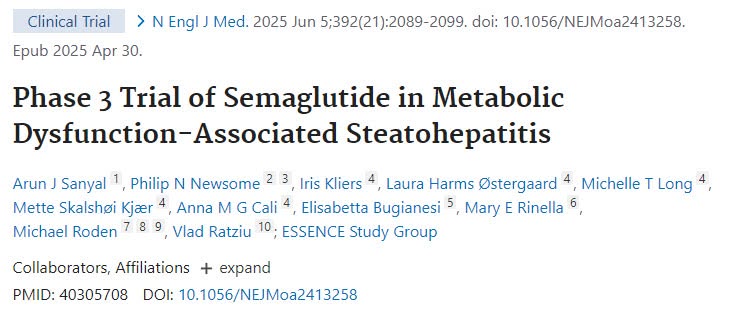
Another Win for GLP-1: Fatty Liver Disease

Until now, treatment options for metabolic dysfunction–associated steatohepatitis (formerly called NASH; now MASH) have been extremely limited. In this large Phase 3 trial, researchers tested a weekly injection of semaglutide (2.4 mg) against a placebo in patients with biopsy-proven liver inflammation and moderate to advanced scarring (fibrosis stage 2–3).

Key Findings:

In plain terms, semaglutide not only helped clear harmful liver fat and inflammation but also reversed some of the scarring—something that’s literally been impossible until now. Because few therapies exist to treat fatty liver–driven inflammation and fibrosis, these results represent a major advance in liver care.

Here are some of the key questions that this Phase 3 ESSENCE trial leaves open:

  1. Can semaglutide help patients with established cirrhosis? The trial enrolled only patients with fibrosis stages 2 and 3. Semaglutide’s safety and efficacy in cirrhotic patients (stage 4) remain untested. reduces hard endpoints such as decompensation, liver-related hospitalization, transplantation or mortality.
  2. How durable are the responses? All reported data are from the 72-week interim analysis. We don’t yet know whether the resolution of steatohepatitis and fibrosis regression persist with longer treatment—or if these benefits wane after stopping semaglutide.
  3. Can semaglutide help patients with established cirrhosis? The trial enrolled only patients with fibrosis stages 2–3. Semaglutide’s safety and efficacy in cirrhotic patients (stage 4) remain untested.
  4. What is the mechanism of benefit—weight loss vs. direct hepatic action? Semaglutide drove a 10.5% mean weight loss by week 72 and improved insulin resistance and lipotoxicity. However, we need mechanistic studies to disentangle how much of the liver's benefit comes from weight loss versus GLP-1R signalling in the liver itself.
  5. What if we combined this with lifestyle therapy? I’m sure this is what many of us would like to know 😉
No photo description available.
← newer: Promotional post hyping aspirin as a longevity pillolder: Okinawan purple sweet potato: a low-glycemic-load staple of →