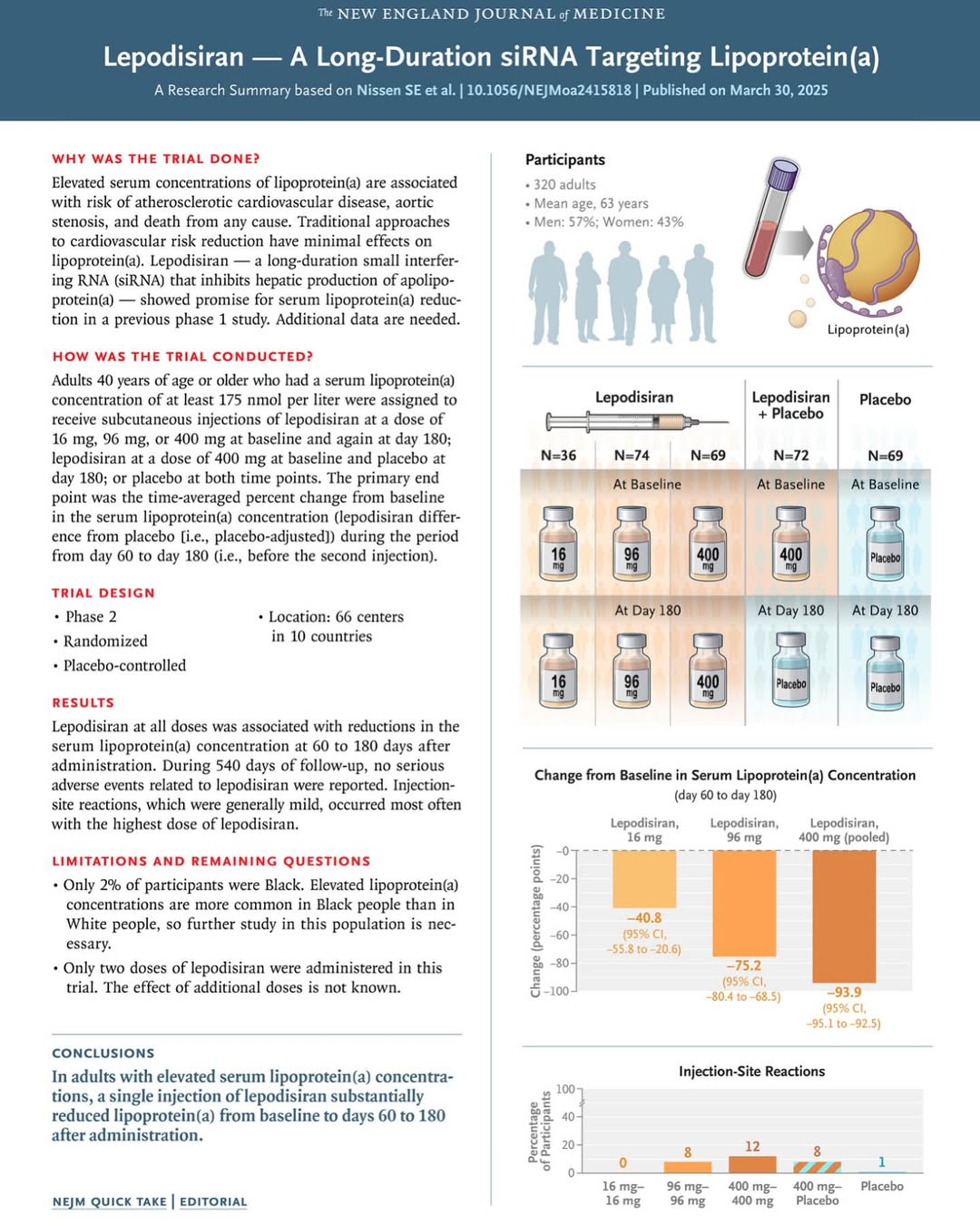
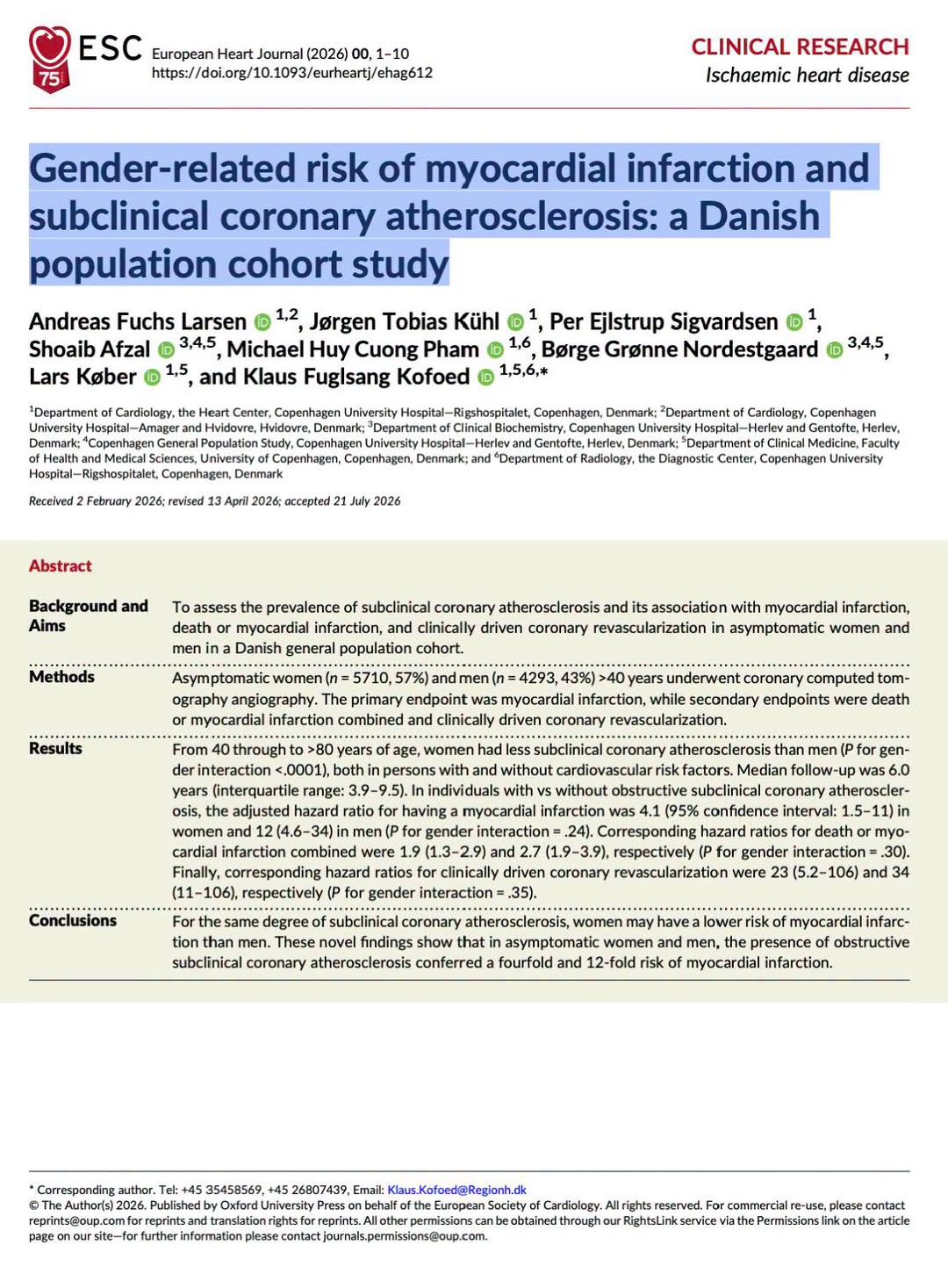
There's no science without scientific funding. Less than 2% of your tax dollars are going into science funding. Yet the current administration is intent on cutting it for political reasons. This guy is saying what several of my professor friends are saying --- their research labs are being decimated as we speak.
Major U.S. Government-Funded Scientific Research Projects and Their Impact
Introduction: The Engine of American Innovation
The United States' global leadership in science and technology is not an accident but the result of a deliberate, decades-long national strategy of public investment in research and development (R&D). An in-depth analysis of projects funded by agencies like the National Institutes of Health (NIH), National Science Foundation (NSF), NASA, Department of Energy (DOE), and the Defense Advanced Research Projects Agency (DARPA) reveals an unambiguous verdict: federal science funding is not merely a responsible use of taxpayer money, but arguably one of the highest-return, most strategically critical investments the nation makes. These investments have been the seed corn for transformative technologies, fueled staggering economic growth, and solved profound challenges in health, security, and our understanding of the universe.
The Architecture of Innovation: A Diversified Portfolio of Discovery
The U.S. government employs a sophisticated, multi-agency approach to science funding, creating a diversified portfolio designed to tackle challenges the private sector is unable or unwilling to address. Each agency has a distinct mission:
- National Science Foundation (NSF): As the primary steward of fundamental, non-medical research, the NSF, with a budget of approximately $9.9 billion (FY23), funds roughly 25% of all federally supported basic research at American universities. It acts as the bedrock of the scientific enterprise, supporting both individual curiosity-driven projects and building large-scale infrastructure like the Laser Interferometer Gravitational-Wave Observatory (LIGO).
- National Institutes of Health (NIH): The world's largest public funder of biomedical research, the NIH operates with a base budget of around $47 billion. Its mission is to improve human health, and its investments have a direct economic multiplier effect: every $1 of NIH funding is estimated to generate $2.56 in economic activity, supporting over 408,000 jobs and $94.5 billion in economic output in FY24 alone.
- Defense Advanced Research Projects Agency (DARPA): With a budget of around $4 billion, DARPA focuses exclusively on high-risk, high-reward research to prevent strategic surprise and create breakthrough technologies for national security.
- National Aeronautics and Space Administration (NASA): With a budget of approximately $25 billion, NASA leads the nation's efforts in space exploration, scientific discovery, and aeronautics, managing iconic missions from the Apollo program to the James Webb Space Telescope.
- Department of Energy (DOE): A massive agency with a total budget approaching $50 billion, the DOE’s mission spans nuclear security, energy innovation, and stewardship of 17 National Laboratories that form a cornerstone of American scientific infrastructure.
Landmark Projects and Their Transformative Impact
The true value of this federal investment is demonstrated by the landmark projects it has enabled, which have fundamentally reshaped modern life.
- The Digital Revolution (ARPANET/Internet): The internet was born not in a corporate lab but as a government project. Its genesis was DARPA's ARPANET, a military-funded network designed for fault tolerance. This was expanded by the NSF, which invested approximately $57 million to create NSFNET, the academic backbone that scaled the network nationally. The final piece, the user-friendly graphical web browser Mosaic, was also developed with NSF funding. This public investment pipeline created the foundation for the multi-trillion-dollar digital economy. A striking example of its ROI is a $4.5 million NSF grant to Stanford that supported the graduate research of Larry Page and Sergey Brin, which directly led to the creation of Google.
- Decoding Life (The Human Genome Project - HGP): Co-led by the NIH and DOE, the HGP (1990-2003) was a monumental "big science" effort to map the entire human genetic code. The federal investment of approximately $3.8 billion ($5.6 billion in 2010 dollars) yielded what is often cited as the highest-ROI science project in history. A 2011 analysis found the project had generated $796 billion in economic output, a staggering return on investment of 141 to 1. By making its data freely and publicly available, the HGP democratized genetic research, fueling the biotechnology boom and enabling countless breakthroughs in diagnostics and therapies for cancer, rare diseases, and more.
- Navigating the Globe (GPS): The Global Positioning System (GPS) is a quintessential example of a military technology becoming an indispensable public utility. Initiated by the Department of Defense in 1973 at an initial cost of ~$12 billion, its purpose was to provide precise navigation for nuclear assets. After a civilian airliner tragedy in 1983, it was promised for public use. In 2000, President Clinton ordered the removal of "Selective Availability," instantly improving civilian accuracy tenfold and unlocking its immense commercial potential. Today, the U.S. Space Force maintains the system at an annual cost of over $1.8 billion as a free global utility that underpins modern logistics, finance, agriculture, and daily life.
- Revolutionizing Medicine (NIH-funded breakthroughs):
- COVID-19 Vaccines: The rapid development of mRNA vaccines was built on decades of prior NIH-funded basic research. The ~$18 billion investment from Operation Warp Speed compressed a years-long process into months, saving millions of lives and preventing an estimated $1.25 trillion in U.S. economic losses in 2021 alone.
- Framingham Heart Study: This long-term NIH study, initiated in 1948, introduced the concept of "risk factors" (smoking, high cholesterol, etc.), revolutionizing preventive cardiology. Its findings are a key reason U.S. heart disease death rates fell by over 70% between 1965 and 2015.
- Magnetic Resonance Imaging (MRI): This revolutionary diagnostic tool rests on decades of foundational physics research (nuclear magnetic resonance) funded largely by the NSF, which private industry had no incentive to pursue.
- Expanding the Frontiers of Knowledge: Government funding builds and operates the "cathedrals of science" that are too expensive and fundamental for any other entity. Examples include NASA’s Hubble Space Telescope (total cost by 2010 of ~$10 billion, resulting in over 21,000 scientific papers), the James Webb Space Telescope (~$10 billion), and the NSF’s LIGO, which made the Nobel Prize-winning discovery of gravitational waves after an initial investment of about $300 million.
The Economic Calculus: A High-Yield Investment
Beyond anecdotal success stories, a robust body of economic research confirms that public R&D is a powerful engine of growth.
- Massive Returns: A landmark study by economists Fieldhouse and Mertens found that government-funded non-defense R&D yields an economic return on investment between 140% and 210%—substantially higher than the estimated ~55% return for private R&D.
- Productivity Growth: This same study concluded that public R&D is responsible for 20% to 25% of all U.S. productivity growth since World War II, a contribution on par with the entire public highway system.
- Market Failure Rationale: Government funding is essential because basic research is a "public good." Private firms underinvest in it because they cannot capture all the benefits (the "appropriability problem"). The government fills this critical gap, funding the long-term, high-risk, curiosity-driven work that fuels future innovation.
- A Rising Tide: Public R&D does not displace private investment; it stimulates it. By creating new knowledge and platforms, it creates new opportunities for private firms to commercialize. Studies show that publicly funded patents are four times more likely to cite basic science and 19% more likely to be true "breakthrough" innovations.
Addressing Criticisms: "Golden Fleece" vs. "Golden Goose"
Criticisms of science funding often focus on ridiculing seemingly "frivolous" projects, a tradition popularized by Senator William Proxmire's "Golden Fleece Awards." However, this critique fundamentally misunderstands the unpredictable nature of discovery. Seemingly obscure research often leads to monumental breakthroughs—the "Golden Geese." For example, research on the sex life of the screwworm fly, which could easily be mocked, led to a sterile insect technique that eradicated the devastating livestock parasite, saving the cattle industry billions of dollars. The real danger is not isolated "waste," but chronic underinvestment. Economic models show a 25% cut in federal R&D would shrink the U.S. GDP by an amount "comparable to the decline in GDP during the Great Recession."
Conclusion: An Unambiguous Verdict and Path Forward
The evidence is overwhelming and the verdict is clear: federal funding for science is a core strategic asset that has been the wellspring of American prosperity, health, and security. It is an investment that has paid for itself many times over, creating entire industries, saving millions of lives, and ensuring U.S. leadership on the world stage. To sustain this success, policymakers should ensure stable and predictable funding, re-commit to basic research, improve public communication to build trust, and continue to strengthen the ecosystem that translates discovery into public benefit. To treat science funding as a discretionary cost is to ignore its history, defy the economic data, and jeopardize the nation's future.
Detailed Report:
docs.google.comGoogle Docdocs.google.com