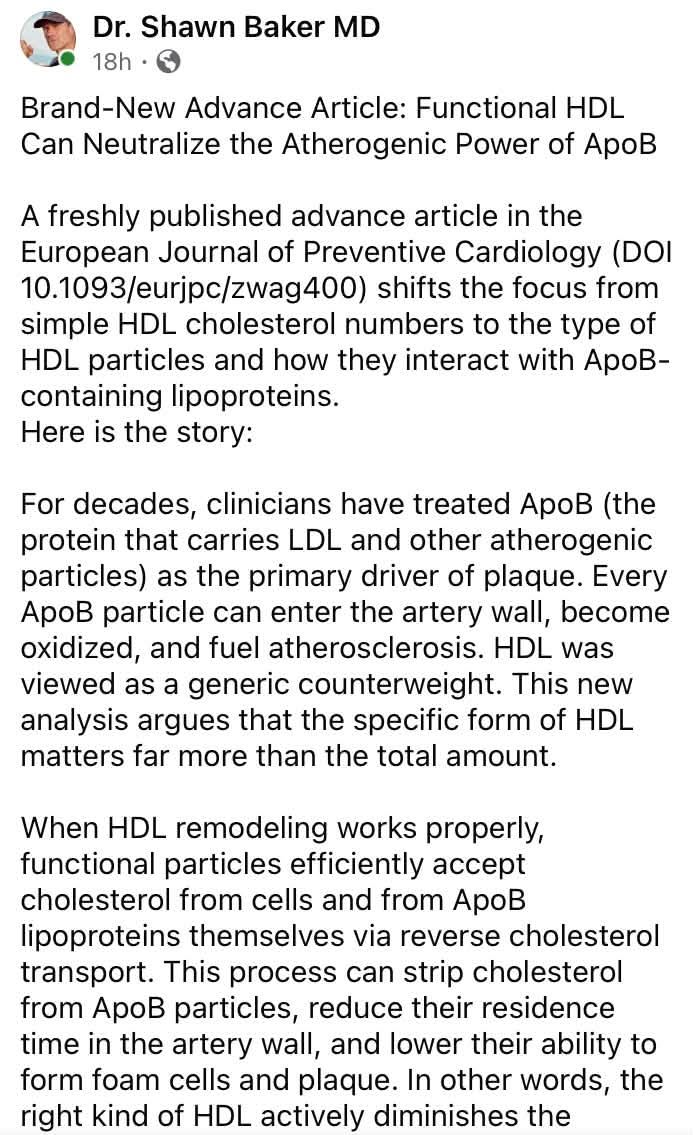
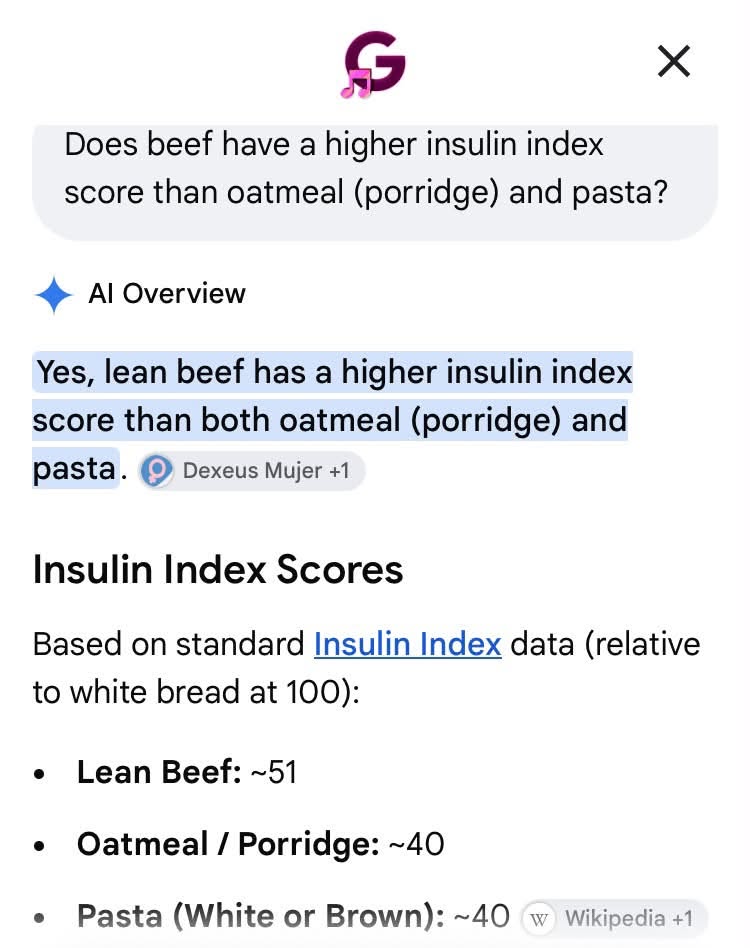
Health and wellness influencers are the medical equivalent of politicians.
They turn medical science into a game of politics— where winning is mostly about self-marketing and branding, not objective truth.
An honest health influencer is about as common as an honest politician. There may be a few out there, but they are rare.
The only people who you can really trust are the research physicians running the clinical trials in the hospital or the scientists running the experiments in their lab.
Real science gets published in high-quality academic journals. Not in YouTube videos or Twitter posts. In the best journals, it is checked for accuracy by expert peer reviewers before it is allowed to be published.
Real science gets done in universities or research hospitals. Not in someone’s at-home podcasting studio or in their day to day clinical practice.
Anecdotes from influencers who have a clinical practice are about as reliable as anecdotes from politicians.