Clinical trial shows constipation drug can treat patients with chronic kidney disease
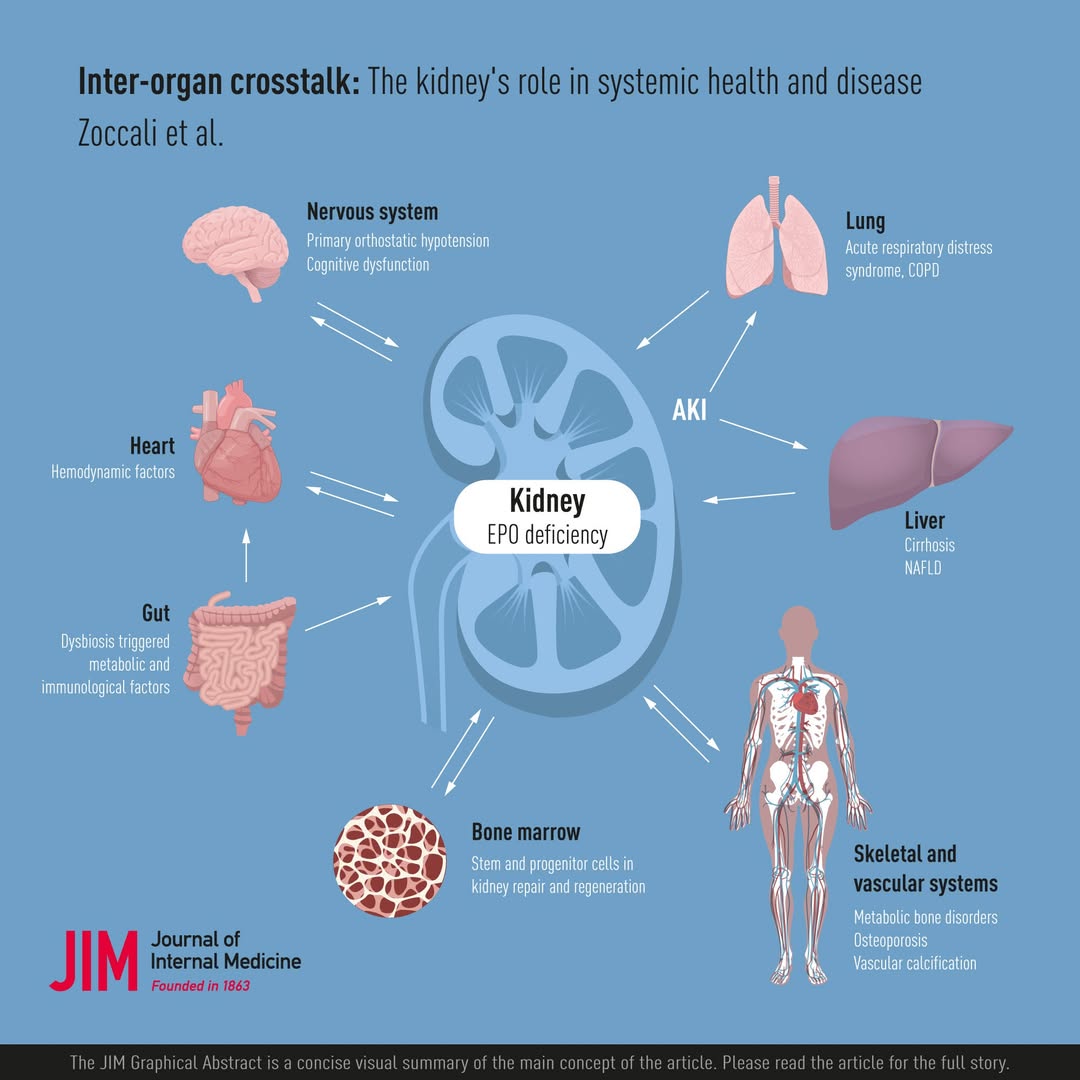
A groundbreaking Phase II clinical trial published in Science Advances has revealed that the constipation drug lubiprostone can effectively treat chronic kidney disease (CKD) by preserving kidney function. In a 24-week study of 118 patients, those receiving a 16 µg daily dose of lubiprostone showed a significant preservation of their estimated glomerular filtration rate (eGFR) compared to a decline in the placebo group. The study's most surprising finding was the mechanism of action; contrary to the initial hypothesis, the drug did not reduce gut-derived uremic toxins. Instead, multiomics analysis showed that lubiprostone alters the gut microbiome, promoting the growth of beneficial bacteria that increase the production of the polyamine spermidine. This increase in circulating spermidine was shown in subsequent animal models to protect the kidneys by improving mitochondrial function and suppressing inflammation, establishing a novel and promising "gut-kidney axis" for future CKD therapies.