Rosuvastatin and Kidney Function
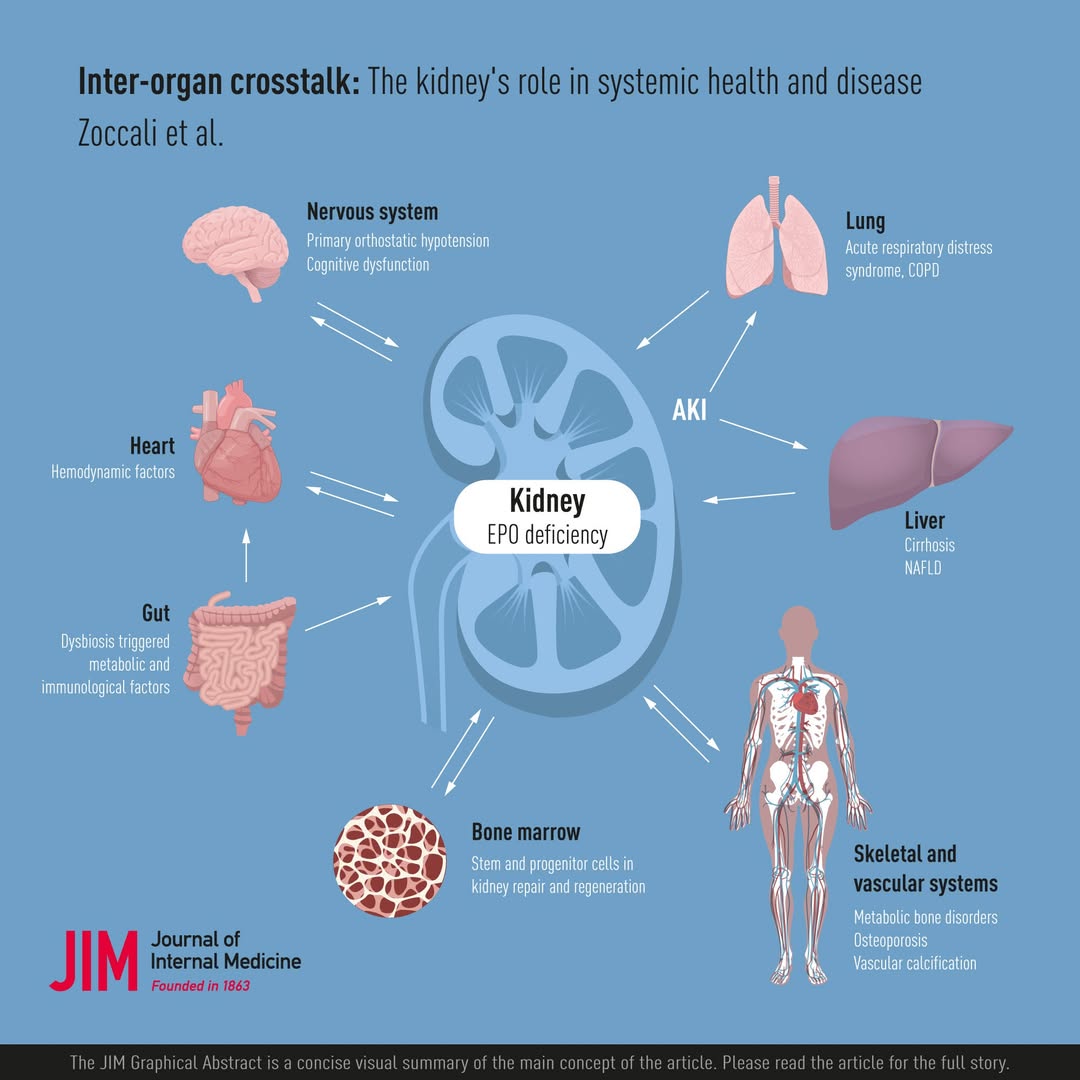
While rare, rosuvastatin can cause kidney stress, particularly at high doses. Clinical data has associated it with a small dose-dependent risk of transient proteinuria (protein in the urine) and hematuria (blood in the urine). In very rare cases, acute kidney injury (AKI) can occur. This small risk increases with a high 40 mg dose or in patients with pre-existing chronic kidney disease.
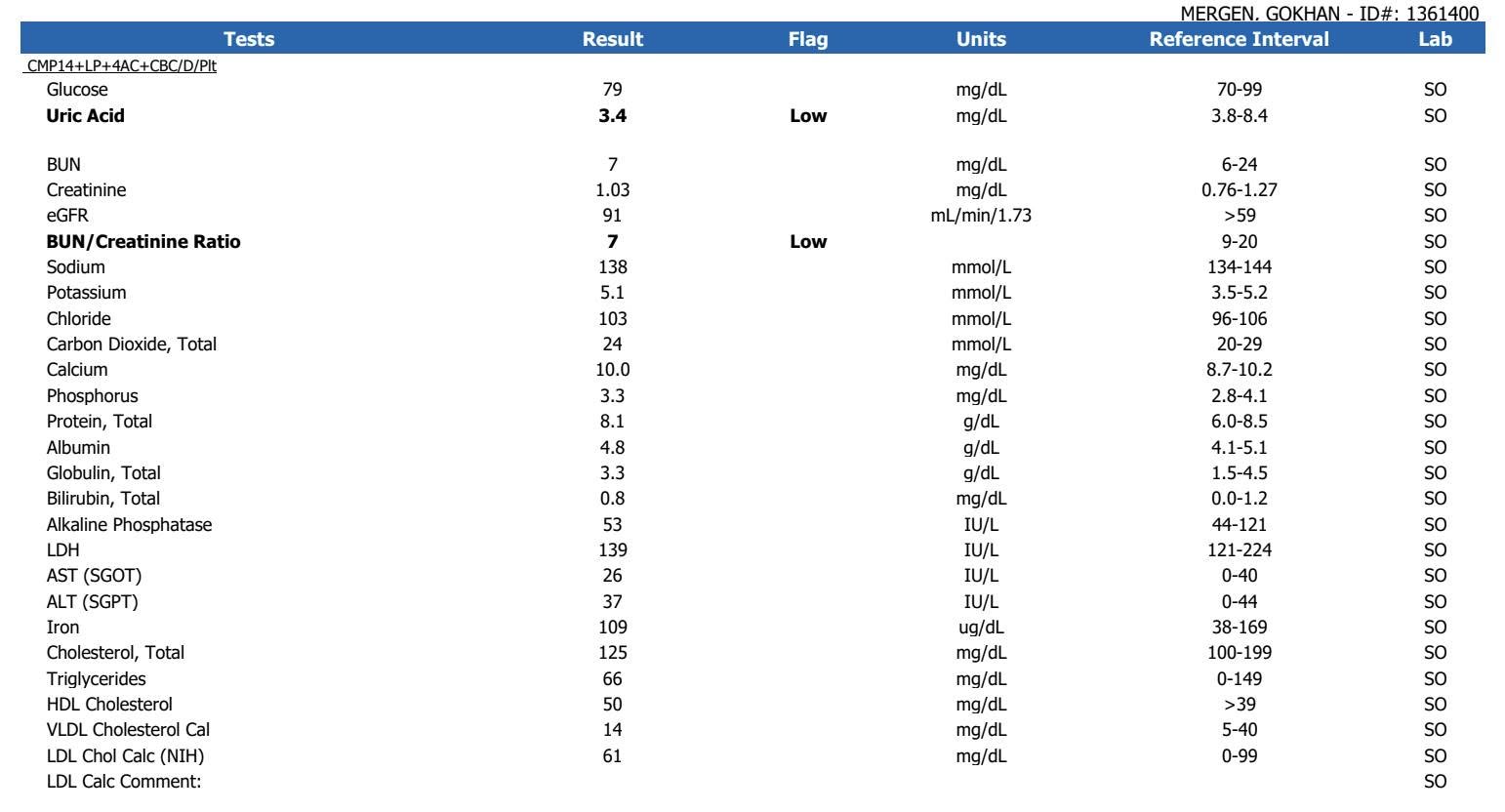
The differences in the behavior of various statins when it comes to the kidneys was highlighted by the PLANET I and II randomized clinical trials, which evaluated patients with pre-existing proteinuria. The trials demonstrated that high-dose rosuvastatin (40 mg) significantly lowered eGFR (kidney filtration rate) and was associated with a higher incidence of renal adverse events like AKI. In contrast, high-dose atorvastatin (80 mg) significantly reduced proteinuria and preserved kidney function:
↪ PLANET trial: atorvastatin preferred over rosuvastatin in CKD (with July 2026 correction)
Fortunately, in cases of statin-induced renal stress, kidney function typically returns to baseline once the medication is discontinued.
For the vast majority of patients on standard doses, rosuvastatin is safe and does not cause renal issues. In fact, certain statins are recognized for potentially protective cardiovascular and renal pathways. A large post-hoc analysis of 6 double-blind randomized controlled trials published in the Journal of the American Heart Association in 2019 demonstrated that atorvastatin actually improves kidney function over time in a dose-dependent manner:
Paper · JAHA · 2019Atorvastatin Has a Dose‐Dependent Beneficial Effect on Kidney Function and Associated Cardiovascular Outcomes: Post Hoc Analysis of 6 Double‐Blind Randomized Controlled TrialsBackground Kidney function decreases during the lifetime, and this decline is a powerful predictor of both kidney and cardiovascular outcomes. Statins lower cardiovascular risk, which may relate to beneficial effects on kidney function. We studied whether atorvastatin influences kidney function decline and assessed the association between individual kidney function slopes and cardiovascular outcome. Methods and…ahajournals.org↪ Atorvastatin improved kidney function dose-dependently across 6 RCTs with 30,621 patients.
Because of these nuances, official FDA drug labeling advises caution when prescribing rosuvastatin to patients with renal impairment. For individuals with severe kidney disease (not on dialysis), the clinical guidelines state that the daily dose should not exceed 10 mg.
#statinsHD #statinskidneysHD #rosuvastatinHD #atorvastatinHD #kidneysHD #proteinuriaHD #egfrHD #akiHD #planetHD #hematuriaHD #ckdHD