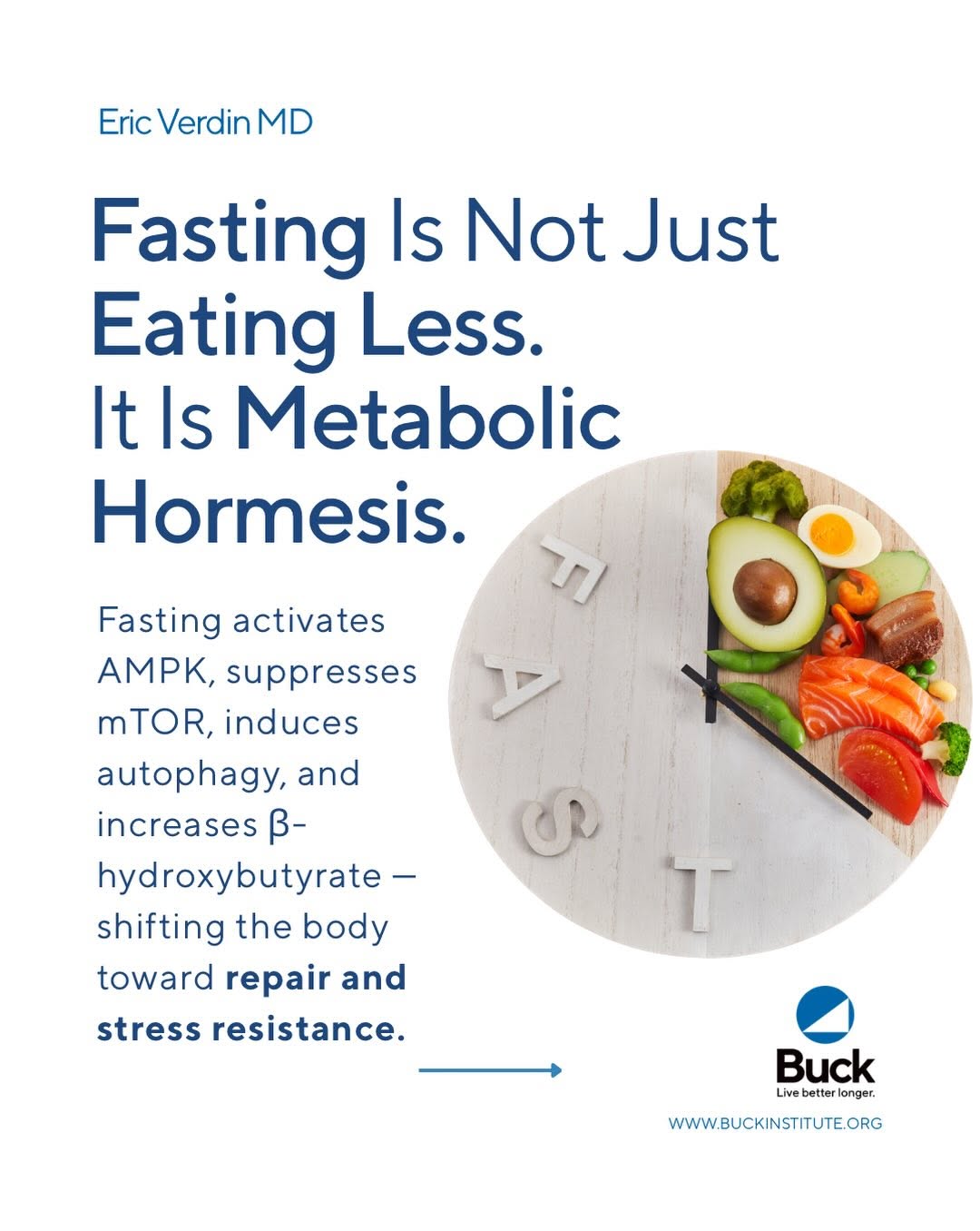
When you fast, your body catabolizes damaged and unhealthy tissue first. This includes cancer tissue. This process is called autophagy.
Autophagy is an ancient survival mechanism that evolved to keep you alive when food was scarce. Logically, it makes sense for the body to feed on damaged tissue first, before being forced to catabolize healthy tissue.
We need some catabolism to be healthy. Forcing your body into a constant state of anabolism all the time will ultimately shorten your life. This is what overeating does. We need a balance between anabolism and catabolism for longevity.
Quoted:
Paper · Cancer Discov · 2016Nobel Prize Honors Autophagy Discovery.Japanese cell biologist Yoshinori Ohsumi, PhD, was awarded this year's Nobel Prize in Physiology or Medicine for his discovery of autophagy. His groundbreaking studies in yeast cells illuminated how cells break down and recycle damaged material, a process that is critical to the survival of both normal cells and some cancer cells.pubmed.ncbi.nlm.nih.gov“Japanese cell biologist Yoshinori Ohsumi, PhD, was awarded this year's [2016] Nobel Prize in Physiology or Medicine for his discovery of autophagy. His groundbreaking studies in yeast cells illuminated how cells break down and recycle damaged material, a process that is critical to the survival of both normal cells and some cancer cells.”
#fastingHD #autophagyHD #cancerHD #lymphomaHD #mtorHD #agingHD #longevityHD