HD-OPM Archive
Hashtags

#fasting

45 posts

Can fasting reverse plaque? Autophagy makes it plausible but evidence is indirect

Jun 29, 2026 · Louis Nervegna ♥ 23 · 💬 14 Fasting & meal timing

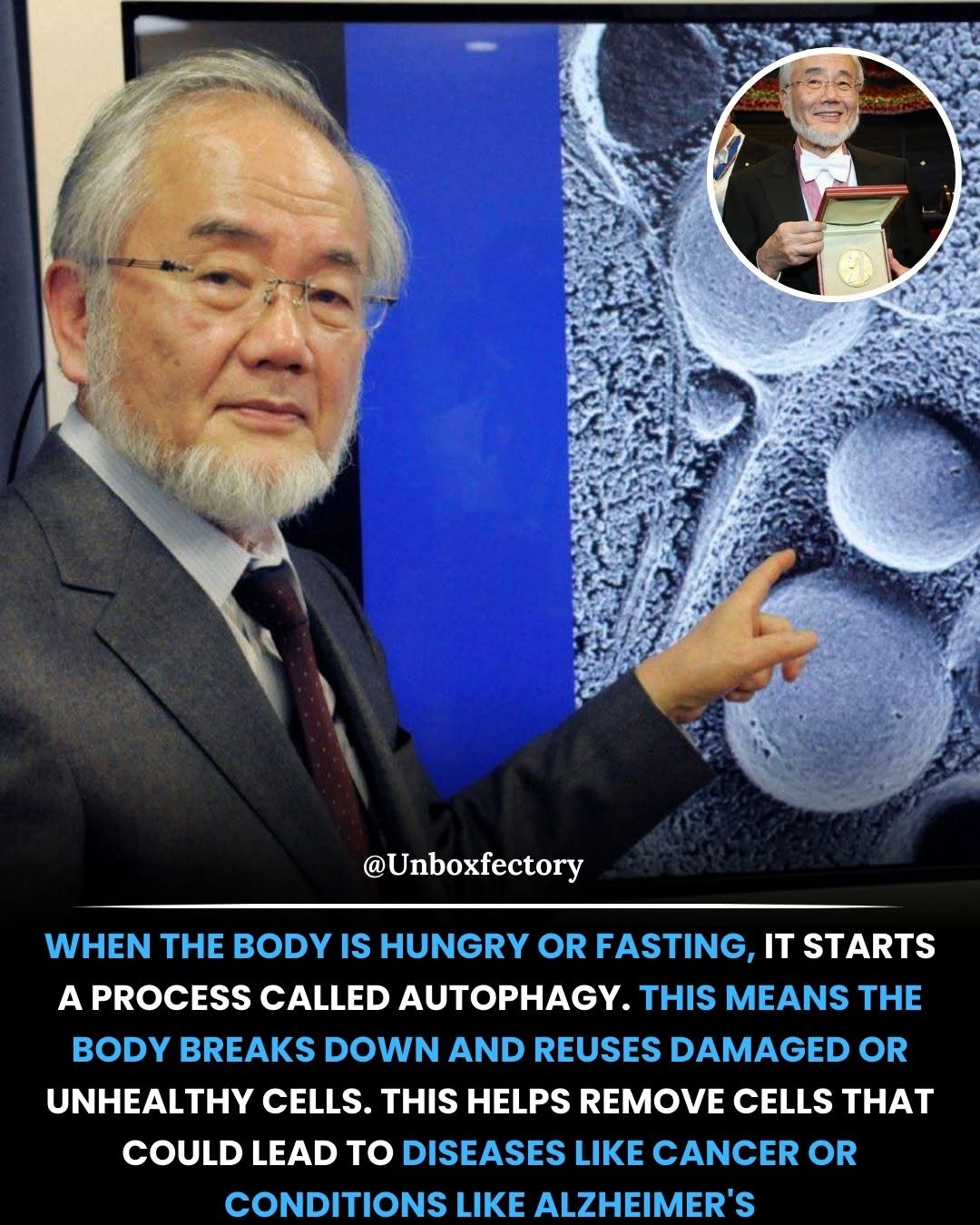
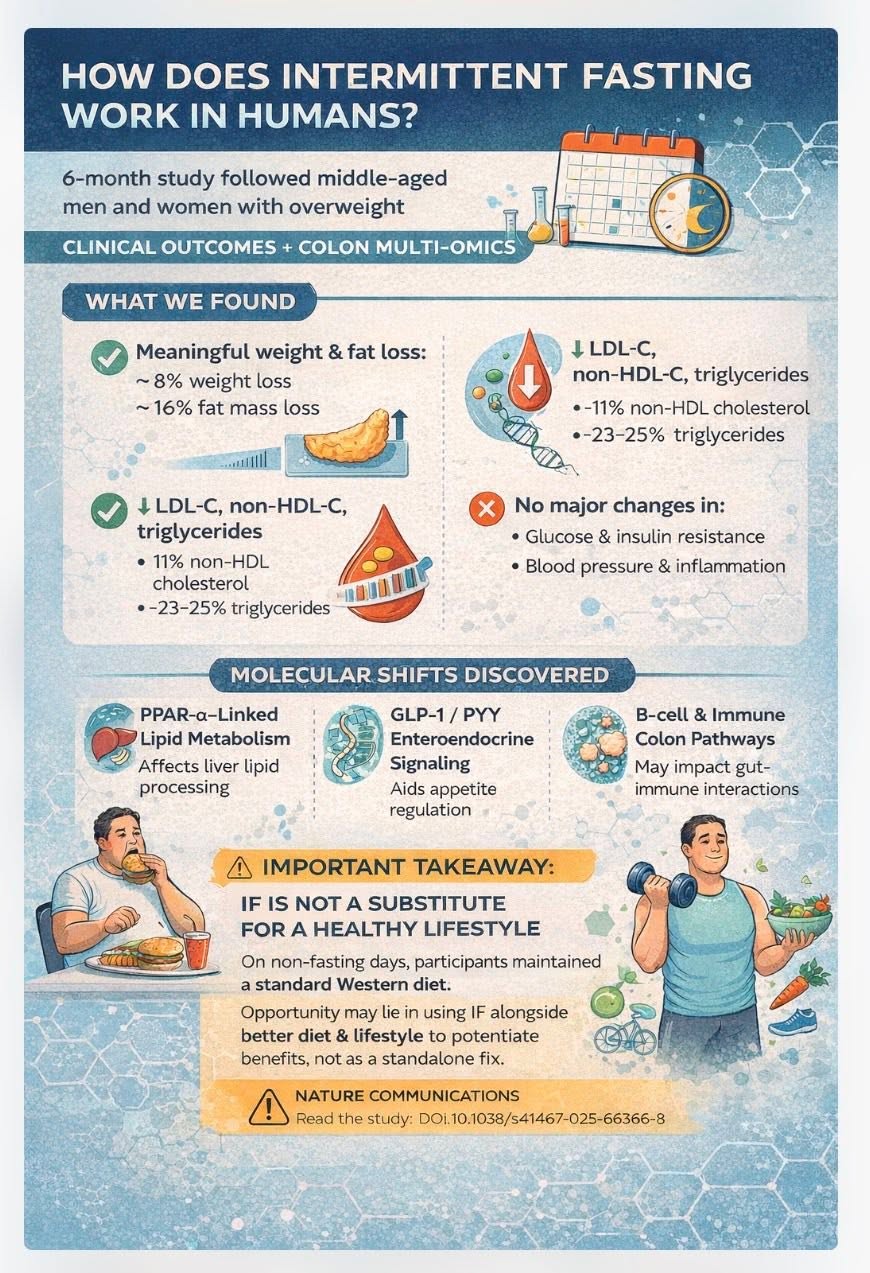
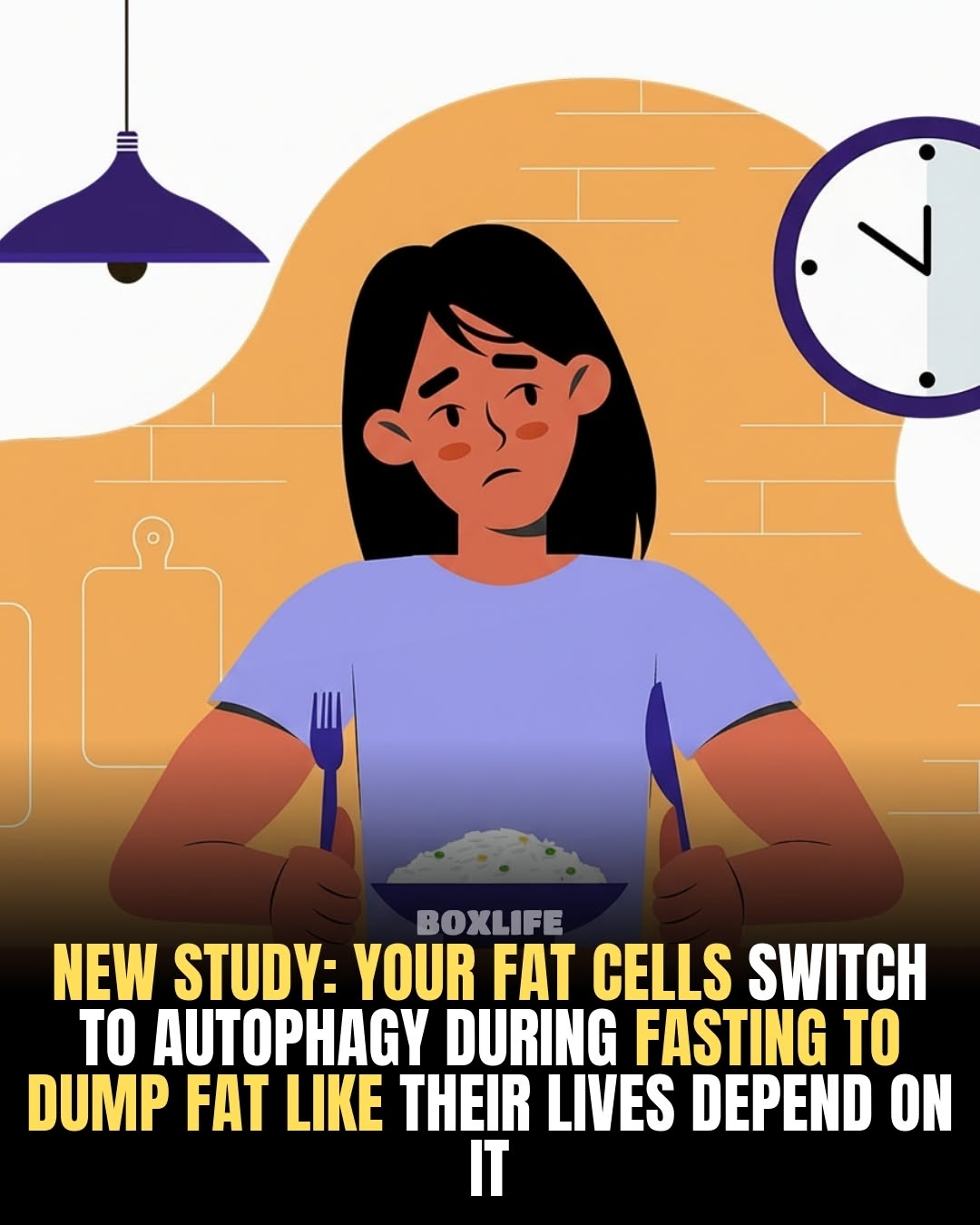
Louis argues there is biological plausibility that fasting could clear damaged arterial tissue via autophagy, linking earlier posts. He cites the 2010 DIRECT-Carotid trial showing large weight loss can regress carotid atherosclerosis, and a shared post on a Nature Metabolism 7-day fast study in 12 people with a day-3 shift in about 1,000 proteins. Direct evidence for plaque reversal by fasting is anecdotal.

Why the LMHR phenotype happens: starvation-like physiology in lean keto dieters

Jan 25, 2024 · Louis Nervegna ♥ 10 · 💬 11 ↩ 9 Low-carb, keto & carnivore

Louis proposes that the lean mass hyper-responder (LMHR) pattern, with extremely high LDL-C on keto/carnivore diets, reflects an ancient starvation response described in calorie-restriction literature. With near-zero body fat and no carbohydrate, the body acts as if starving, raising circulating LDL to deliver fat as fuel, lowering leptin, LDL receptors and thyroid and sex hormones. He links a trial showing fasting raised LDL and ApoB in healthy non-obese people, and cautions that overdoing restriction is the danger. This is a hypothesis, not proof of harm or safety.

8-hour time-restricted eating improved glucose control in prediabetes, early or late

Sep 11, 2024 · Louis Nervegna ♥ 13 · 💬 8 Fasting & meal timing

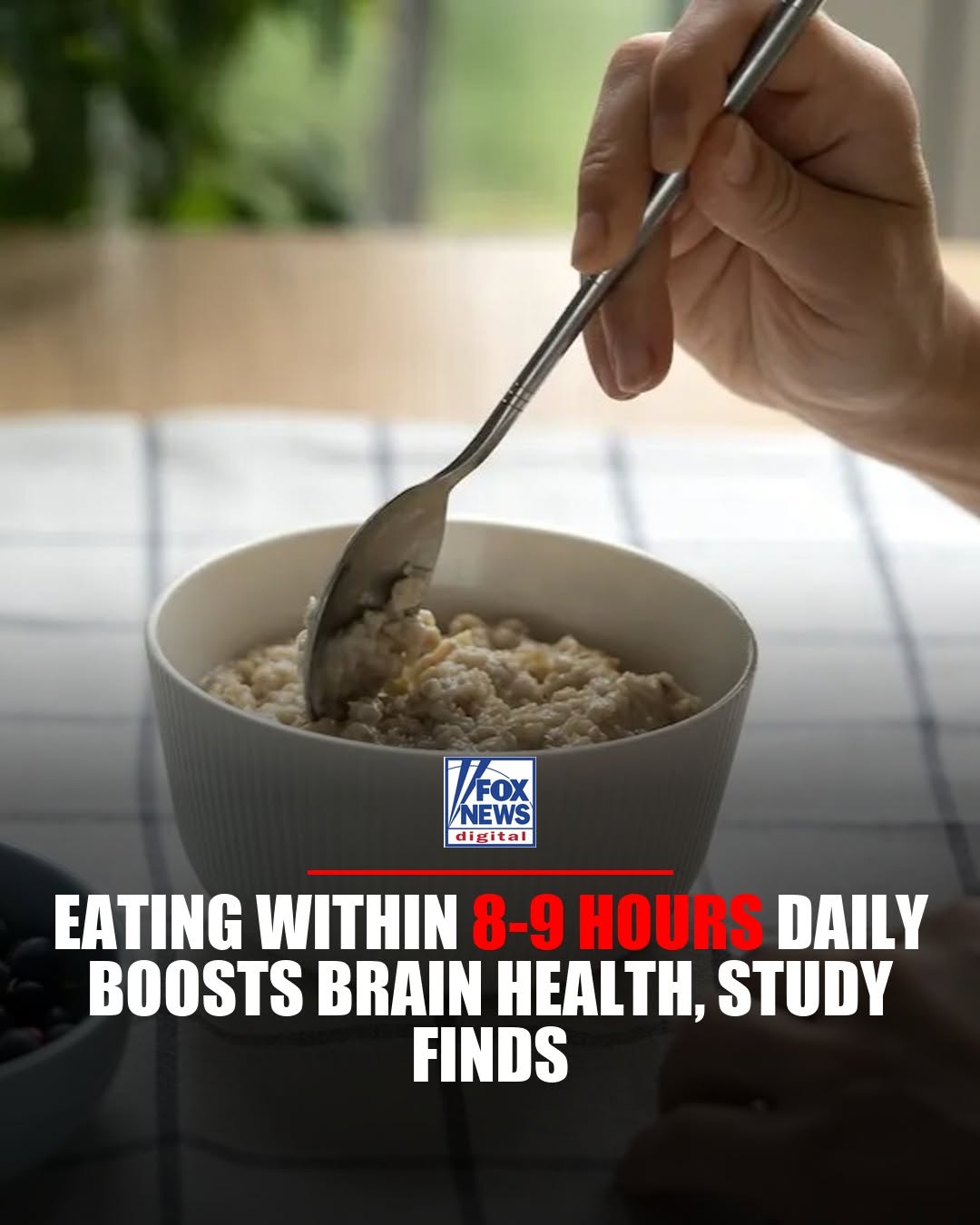
Louis shares a randomized crossover trial presented at EASD showing that restricting eating to eight hours a day improved time in normal glucose range and reduced glucose fluctuations in adults at risk of type 2 diabetes. Timing of the window (early or late) made no extra difference, and benefits appeared within three days. The authors attribute it to the 16-hour fast, not timing or calorie change.

Very low-carb diets rarely push A1C below 5 because of physiological insulin resistance

May 25, 2026 · Louis Nervegna ♥ 11 · 💬 11 Low-carb, keto & carnivore

Louis argues that in people who already have low A1C, severe carb restriction makes muscles temporarily insulin resistant to spare glucose for heart and brain, so blood sugar can rise rather than fall. This 'adaptive glucose sparing' or 'pseudo-diabetes' also explains why people on long-term keto often fail glucose tolerance tests. Personal observation and physiology reasoning rather than a cited trial.

Sabatini on diet and mTOR: limit amino acids and insulin; ~18 h fasting may inhibit mTORC1

Dec 09, 2024 · Louis Nervegna ♥ 10 · 💬 11 ↩ 3 Aging & longevity

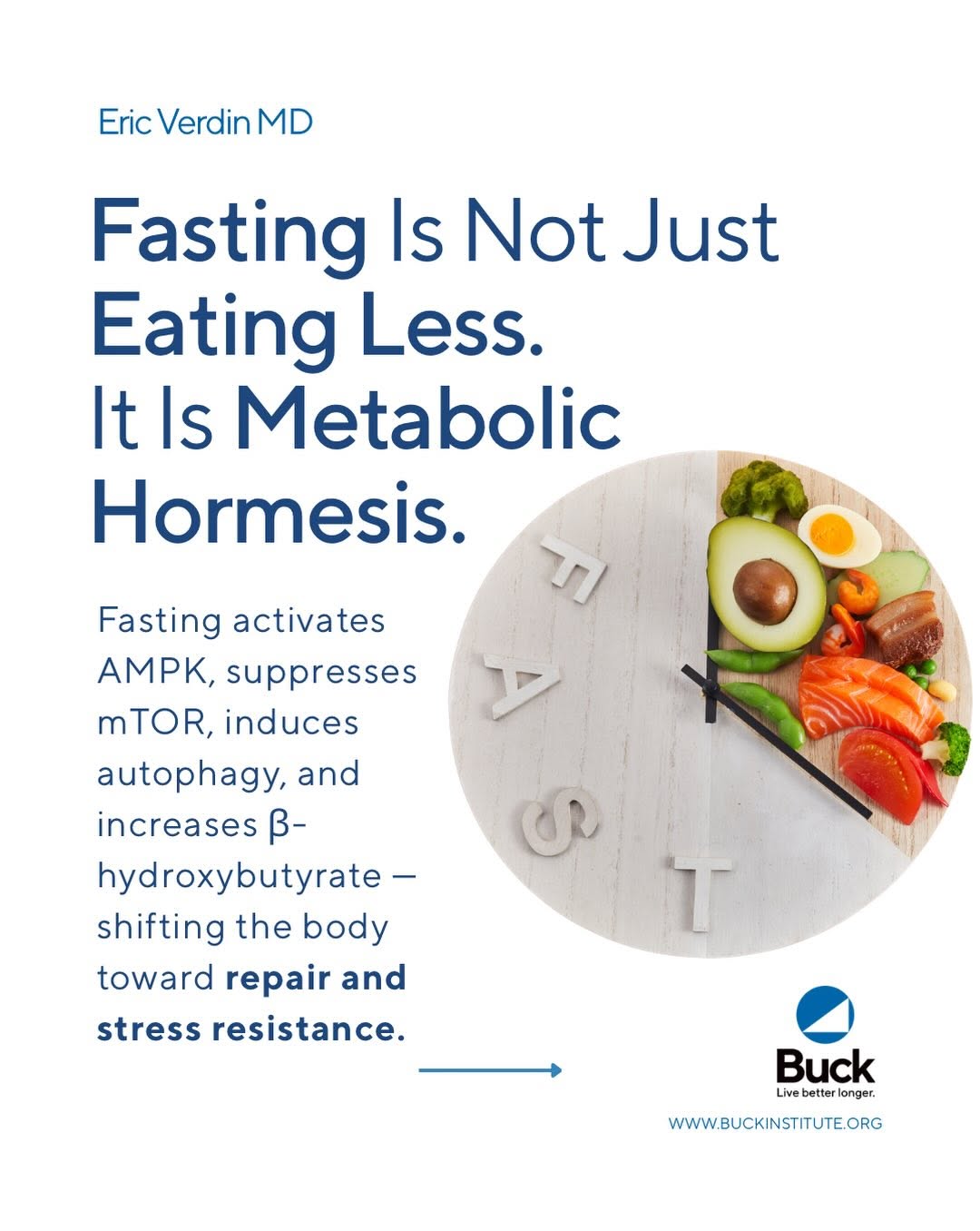
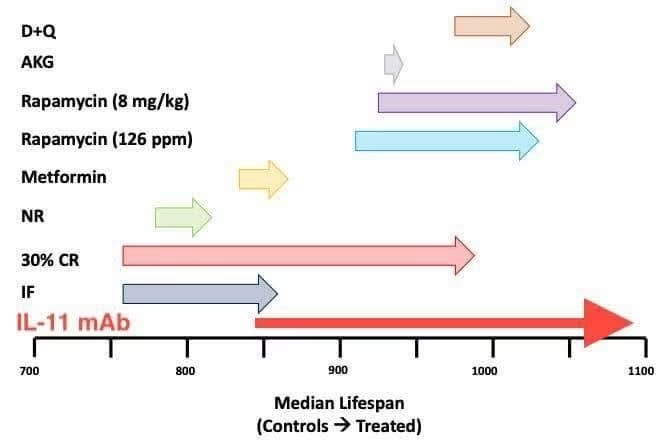
Louis shares notes on a David Sabatini interview about how diet affects mTOR and autophagy. Sabatini suggests low amino acid or low carbohydrate diets lower mTOR, favors a higher-carbohydrate diet of low-glycemic carbs, and thinks mTORC1 senses total daily insulin. He guesses about 18 hours of fasting inhibits mTORC1, while stressing nobody has all the answers.

Satchin Panda: wait 2 hours after waking to eat; finish dinner 3 hours before sleep

Mar 20, 2024 · Louis Nervegna ♥ 13 · 💬 8 Fasting & meal timing

Louis summarizes meal-timing advice from circadian researcher Satchin Panda for glucose control. Delay breakfast at least two hours after waking because the pancreas regulates insulin poorly then, and eat the last large meal at least 3 hours before sleep since melatonin begins rising about 3 hours before bedtime and inhibits insulin secretion. This is expert advice from a podcast clip rather than a cited trial.

Muscle aging involves falling chaperone-mediated autophagy; fasting and exercise raise it

Dec 08, 2025 · Louis Nervegna ♥ 12 · 💬 7 ↩ 1 Aging & longevity

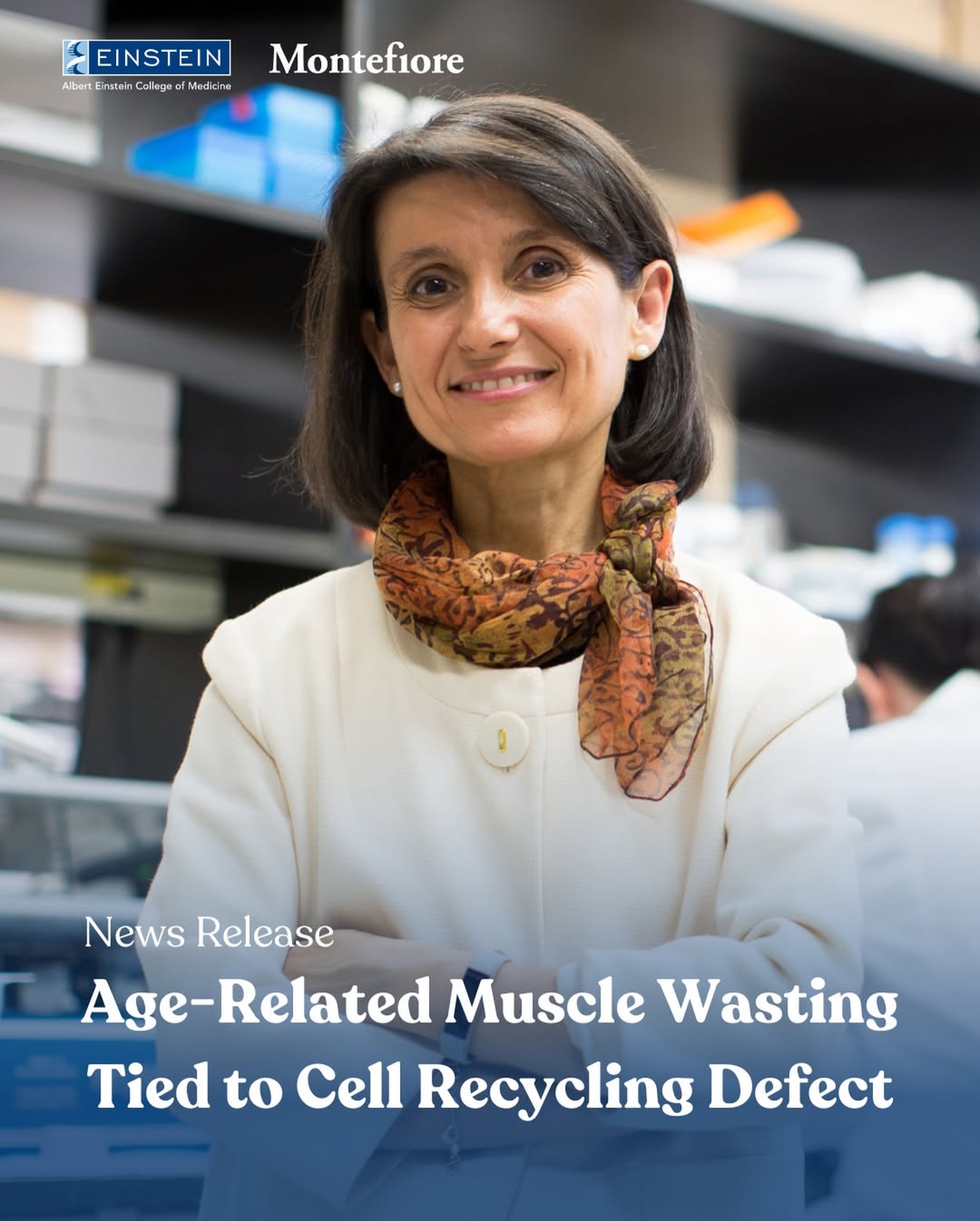
Louis shares two Nature Metabolism papers from Ana Maria Cuervo's group showing chaperone-mediated autophagy declines with age in muscle and that restoring it improved strength and regeneration in aging mice. He notes fasting and resistance training increase CMA, rapamycin activates it and excess high-quality protein inhibits it, and ties it to heart muscle.

Why LMHR happens: starvation-like physiology in very lean people on keto raises LDL

Jul 23, 2024 · Louis Nervegna ♥ 14 · 💬 4 LDL, ApoB & lipid panel

Reposting his earlier explanation, Louis argues that the lean mass hyper-responder phenotype reflects an old starvation response: with near-zero body fat, no carbohydrate and constant ketosis, the body raises circulating LDL to deliver fat as fuel, while lowering thyroid function and sex hormones. He links to a paper showing fasting increases total cholesterol, LDL-C and apoB in healthy nonobese humans.

Delaying breakfast to midday lowered post-meal glucose in type 2 diabetes (crossover RCT)

Dec 27, 2024 · Louis Nervegna ♥ 10 · 💬 8 Fasting & meal timing

A small randomized crossover trial found delaying breakfast from about 07:00 to mid-morning or midday lowered the 2-hour postprandial glucose response in people with type 2 diabetes. A 20-minute walk after breakfast had only a small effect. Louis notes this suggests morning fasting is acceptable in the short term for people with poor glycemic control.

Meta-analysis of 102 feeding trials: polyunsaturated fat gives the best glycemic benefit

Nov 18, 2025 · Gokhan Can ♥ 6 · 💬 7 Fats & oils (saturated fat, seed oils, omega-6, olive oil)

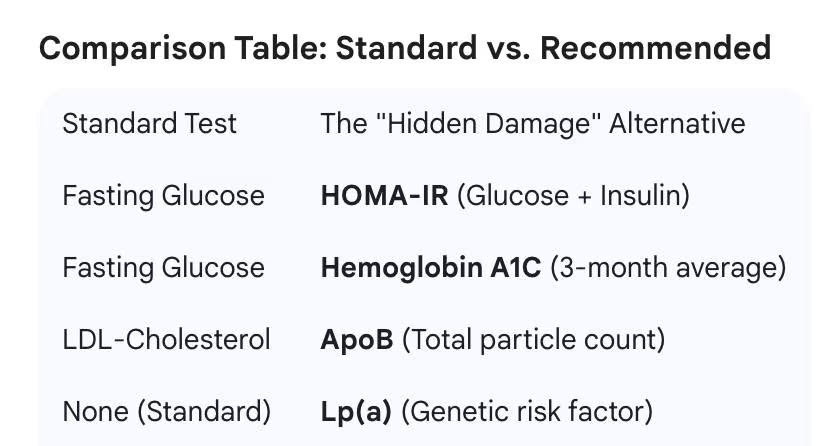
Summarises a systematic review of 102 randomized feeding trials (4,220 participants) on 5% energy swaps. Replacing carbs with MUFA lowered HbA1c 0.09% and HOMA-IR 2.4%; with PUFA lowered HbA1c 0.11% and fasting insulin 1.6 pmol/L. PUFA alone improved insulin secretion capacity; saturated fat swaps did not change fasting glucose. Authors favor replacing refined carbs and saturated fat with unsaturated fats.

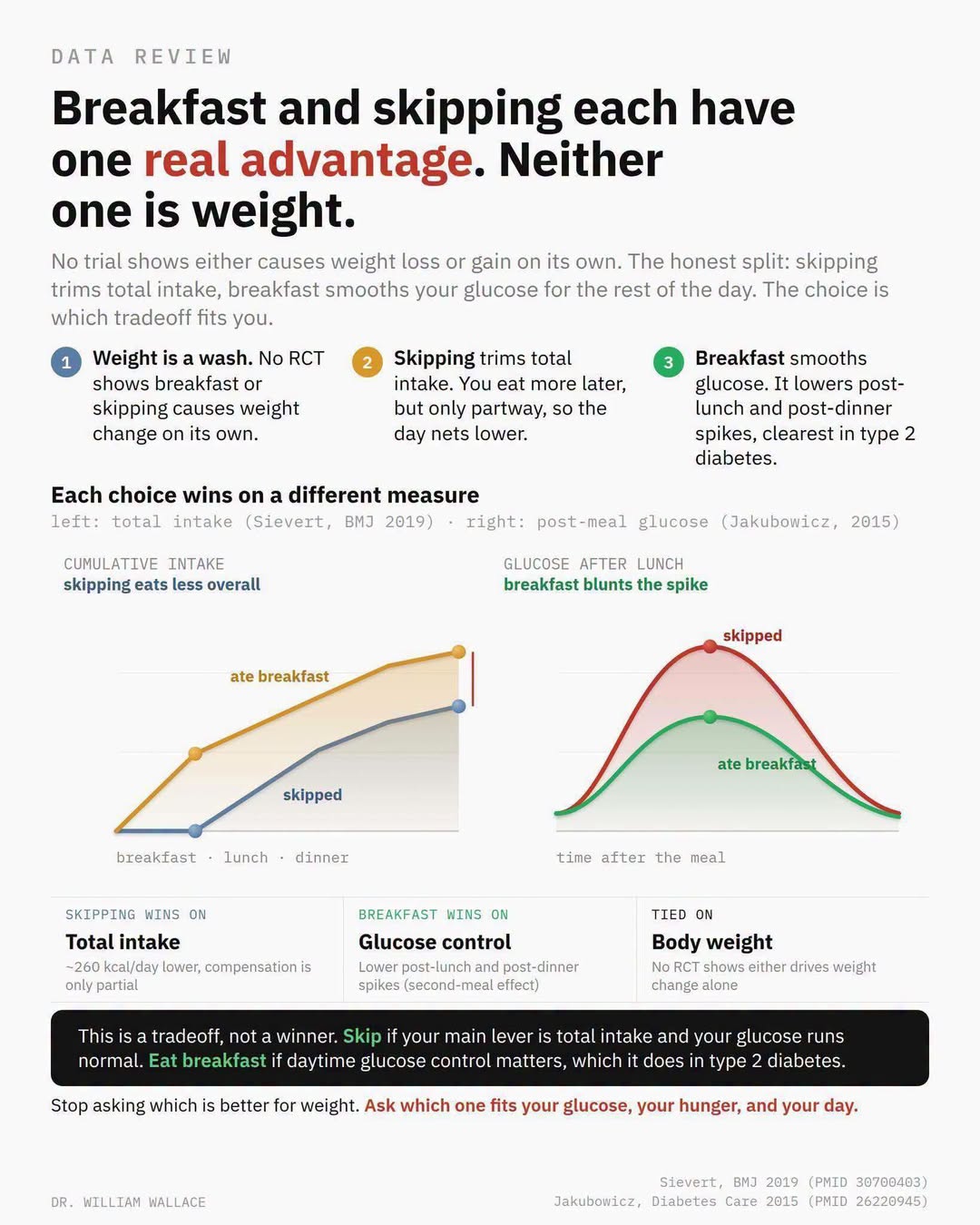
RCTs show skipping breakfast does not cause weight gain and cuts about 260 calories a day

Oct 29, 2026 · Louis Nervegna ♥ 9 · 💬 1 Fasting & meal timing

Observational studies link skipping breakfast to weight gain, but a 2019 BMJ review pooling 13 randomized trials found no evidence that eating breakfast aids weight loss or that skipping it causes weight gain. Breakfast skippers ate about 260 fewer calories per day overall. The possible downside is poorer glycemic control later in the day in people with diabetes or prediabetes.