New research demonstrates that autophagy dominates fat loss during fasting.
This is not how fat loss typically happens. More gradual fat loss occurs through a hormonal process called lipolysis.
The longer you fast, the more autophagy dominates fat loss compared to lipolysis.
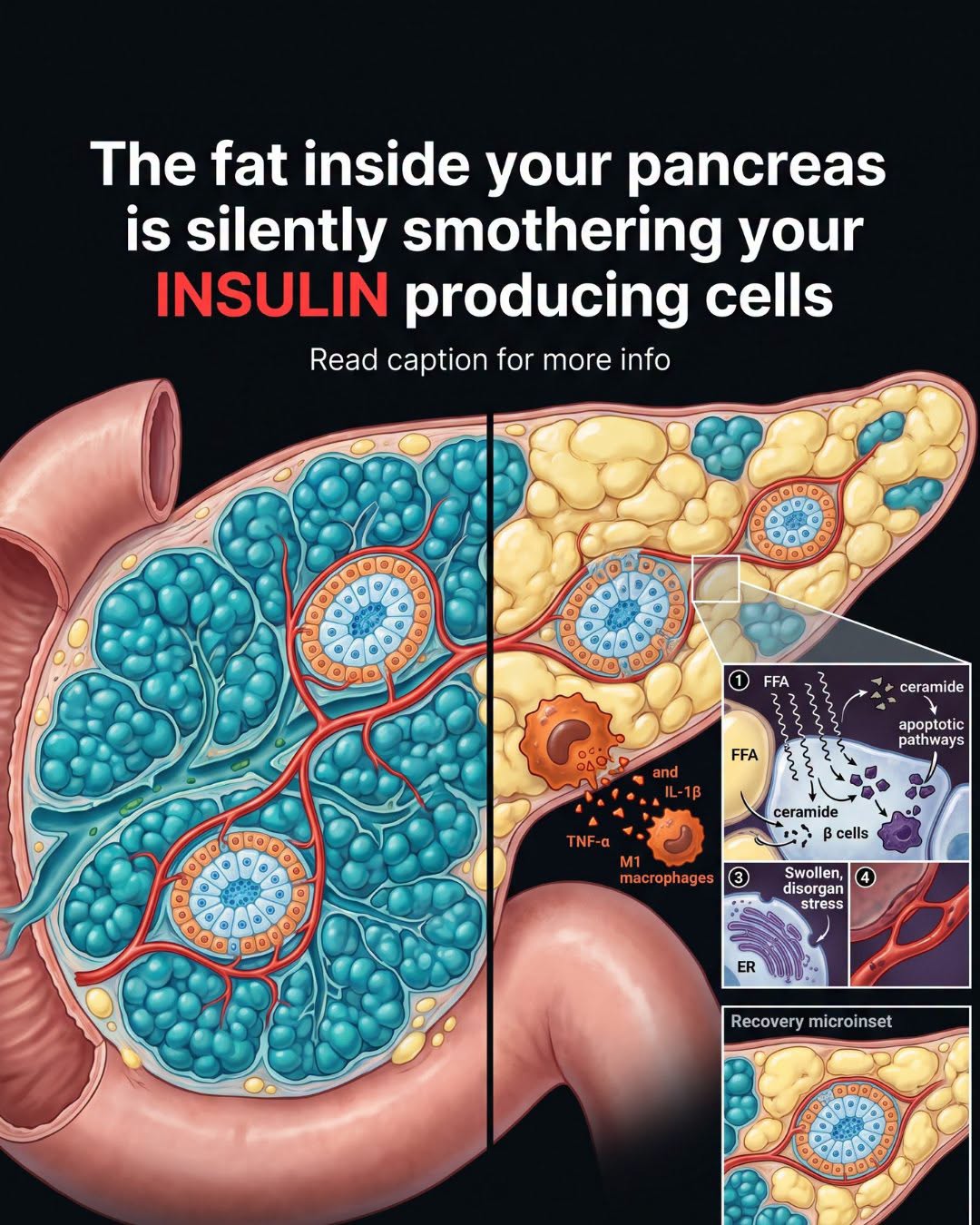
This autophagy mechanism may explain why fasting is so effective at quickly clearing the liver and pancreas of fat. Ectopic fat in these organs is a principle driver of insulin resistance and diabetes.
Link to article:
 BoxLife MagazineNew Study: Your Fat Cells Switch to Autophagy During Fasting to Dump Fat Like Their Lives Depend on ItFasting doesn't just help burn fat through the usual pathways—it activates an entirely different cellular mechanism that researchers are callingboxlifemagazine.com
Quoted:
“Initially, fat loss is triggered by hormones binding to the fat cells, telling them to activate lipolysis and by releasing fat. However, as the fast progresses, the trigger changes away from a predominantly hormonal origin, which begins the handoff to the autophagy system.”
“Large autophagy vesicles can capture thousands of fat molecules at once, making them far more efficient than individual lipolysis enzymes working one molecule at a time.
Without autophagy, there simply aren’t enough enzymes to keep up with demand. The lipolysis system becomes a bottleneck.”
“Traditionally, this [fat loss] process happens through lipolysis, a well-understood mechanism driven by specific enzymes that break down fat.
But researchers examining fasting subjects noticed something strange: the enzymes responsible for lipolysis were diminished, not elevated.
If lipolysis enzymes are required for fat breakdown, why would they decrease during fasting? That’s the puzzle that led scientists to discover an alternative pathway.
The study found that fat cells were ramping up production of proteins linked to autophagy—specifically, a process called lipophagy—which isn’t normally associated with fat breakdown.”
#autophagyHD #weightlossHD #liverfatHD #pancreasfatHD #visceralfatHD #fastingHD #mtorHD #liverfatsummaryHD