HD-OPM Archive
Topics › Blood vessels, circulation & endothelium

Metformin improved aortic valve stenosis in mice by reversing epigenetic changes

Louis Nervegna · Sep 16, 2025 · ♥ 5 reactions · 0 comments · original Facebook post
Blood vessels, circulation & endotheliumAging & longevityInsulin resistance & diabetes
AI summary & key facts

A Journal of Clinical Investigation Insight paper found epigenetic changes in nuclear DNA aberrantly activate mitochondria in aortic valve stenosis, and that metformin improved the condition in mice. Louis notes it is a mouse study but fits other work suggesting metformin may slow aging processes.

It’s a mouse study, but hardly the first to show that metformin may slow aspects of the aging process itself.

(The epigenetic changes mentioned here are largely caused by aging.)

Quoted:

“Aortic valve stenosis is a progressive and increasingly prevalent disease in older adults, with no approved pharmacologic therapies to prevent or slow its progression. Although genetic risk factors have been identified, the contribution of epigenetic regulation remains poorly understood.”

“Human stenotic valves displayed elevated acetylation of histone H3 at lysine 27 (H3K27ac) and reduced HDAC3 activity in diseased regions. Mice lacking HDAC3 in aortic valves developed aortic valve stenosis, disrupted collagen organization, increased H3K27ac, and premature mortality.”

“Treatment with metformin, a mitochondrial complex I inhibitor, restored redox balance, preserved collagen structure, and improved valve function in Hdac3-deficient mice.”

“Supporting these experimental findings, retrospective clinical analysis revealed a significantly lower prevalence and slower progression of aortic valve stenosis in patients treated with metformin. These results uncovered a potentially previously unrecognized role for HDAC3 in coordinating epigenetic and metabolic homeostasis in the aortic valve, suggesting that targeting mitochondrial dysfunction may offer a therapeutic strategy for noncalcific aortic valve disease.”
#metforminHD #agingHD #heartvalveHD #aorticvalvestenosisHD

Research cited

Could metformin reduce structural heart disease?

Chinmay M. Trivedi & team find epigenetic changes in nuclear DNA aberrantly activate mitochondria, causing aortic valve stenosis, with improvement by metformin in mice:

Paper · JCI Insight · 2025Epigenetic dysregulation of energy homeostasis drives aortic valve stenosis that is treatable with metformininsight.jci.org

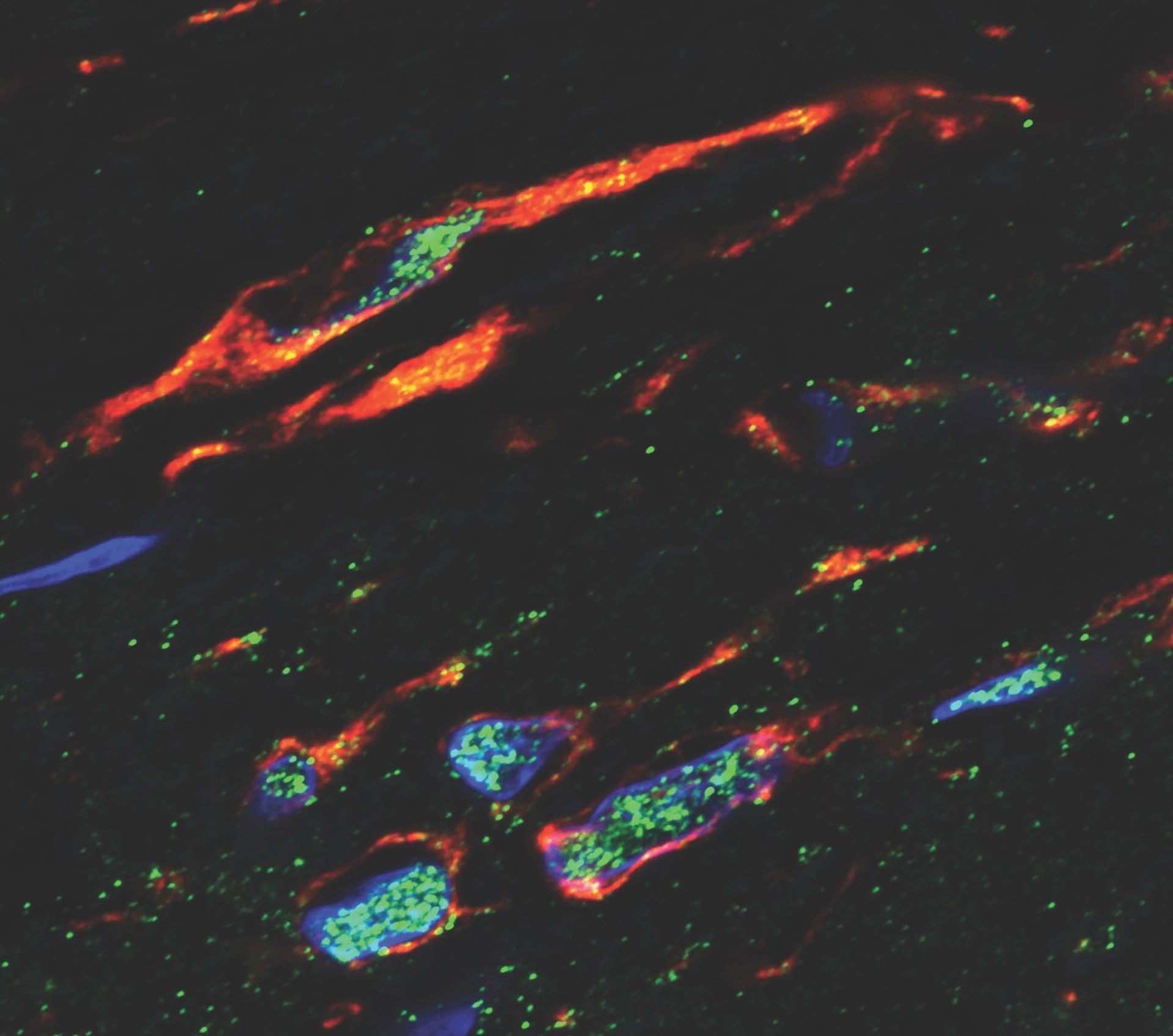
The image shows elevated expression of 8-hydroxy-2'-deoxyguanosine (8OHdG) (green) in vimentin-positive valvular interstitial cells (red) from human stenotic aortic valves, with nuclei (blue).

No photo description available.
← newer: Longer follow-up shows statin benefit grows: 20% at 5 years,older: Esselstyn family enjoys high-fat guacamole; avocados linked →