The AHEI diet is an enhanced version of the traditional Mediterranean diet.
There is compelling evidence in humans that it actually slows the aging process itself.
Unlike most diets, it was developed by prospectively studying a very large group of over 100,000 people for a period of time long enough to actually capture the aging process itself— more that 30 years— all the way from middle age (~40yo) into older age (-70yo).
It is unique in that it is the only diet that is based on the results of prospectively studying such a large group of people for such a long period of time. Most diet studies in humans are far too short to capture the full aging process itself— or are far too small, and conducted in a non-prospective fashion, which makes the results unreliable.
Quoted:
“The Alternative Healthy Eating Index (AHEI) is a science-backed scoring system developed by leading universities to evaluate diet quality based on its ability to reduce chronic disease risk and promote healthy aging.
A 30-year study of 105,000 adults found that only 1 in 10 people aged in a “healthy” way—maintaining cognitive function, mental health, and physical mobility into their 70s — and all followed [with high probability] a diet aligned with AHEI principles.
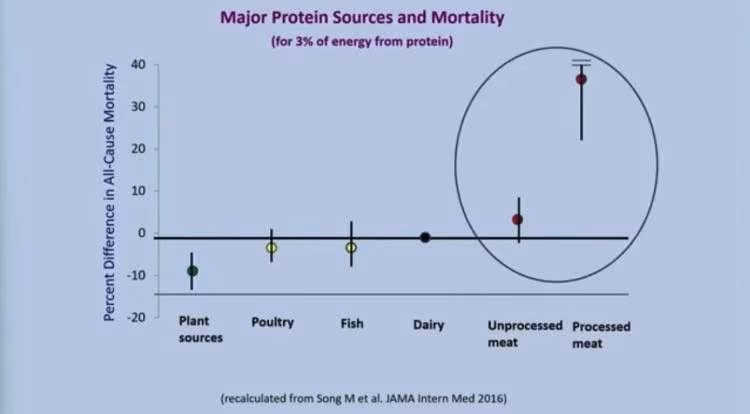
Compared to the Mediterranean and other popular diets, the AHEI is more structured and predictive, emphasizing whole, plant-based foods, healthy fats, and reduced intake of processed meats and sugary foods to support longevity and disease prevention.”
“The AHEI is a scoring system developed by Harvard University, the University of Copenhagen, and the University of Montreal to assess diet quality based on foods and nutrients predictive of chronic disease risk. It emphasizes whole grains, fruits, vegetables, nuts, legumes, and healthy fats, while minimizing red and processed meats, sugar-sweetened beverages, and trans fats.”
“Of those studied, just one in 10 aged in a “healthy way,” which the study defined as reaching 70 years old without major chronic disease, as well as having good cognitive functioning, strong mental health, and the physical ability to move freely. Furthermore, those healthy agers all had one thing in common [statistically]: a diet rich in plant-based foods and low in highly processed foods, with a moderate intake of animal-based products.”
“More specifically, the AHEI diet emphasizes four central tenets:
- A high intake of vegetables, fruits, whole grains (like oatmeal, brown rice, and quinoa), nuts, and legumes (like beans and peas)
- A high intake of healthy fats, particularly from unsaturated sources (like avocado, olive oil, seeds, and fish)
- Moderate alcohol consumption
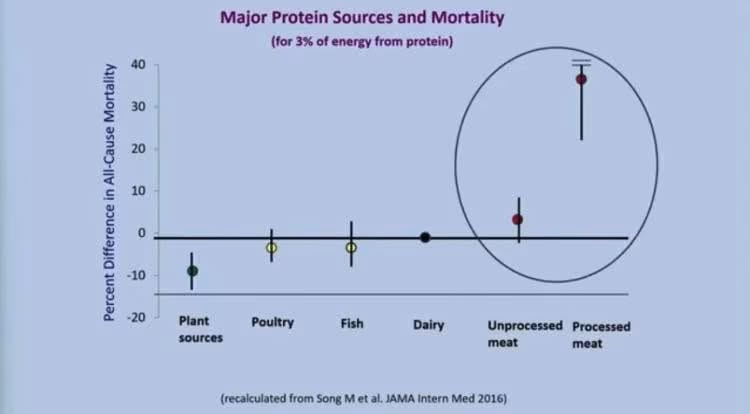
- Limited intake of red and processed meat, sugar-sweetened beverages (like soda and flavored coffee), sodium, and trans fat (like baked goods, fried foods, and [partially-hydrogenated] vegetable oils)
As for quantity, the AHEI suggests aiming for five servings of vegetables a day, four servings of fruit, five to six servings of whole grains, and at least one serving each day of nuts, legumes, and vegetable protein (such as edamame, lentils, asparagus, and sweet corn), says Lauren Benser, RD, a registered dietitian and founder of Lauren Benser Nutrition.”
“The latest study found that the AHEI diet was best for healthy aging. However, there are certainly parallels to the Mediterranean diet. Both eating plans emphasize plant-based foods and healthy fats, with minimal red meat, sodium, and processed foods. The AHEI provides a structured scoring system to assess diet quality based on specific components linked to disease risk, Lorenz says. ‘AHEI is like a clinical measuring tape, whereas the Mediterranean diet is more like a guiding philosophy.’ “
foodandwine.comBest diet for healthy aging alternative healthy eating indexfoodandwine.com#aheiHD #mediterraneanHD #agingHD #longevityHD #harvardHD #hnsHD #hpfsHD #alcoholHD #redmeatHD #processedmeatHD