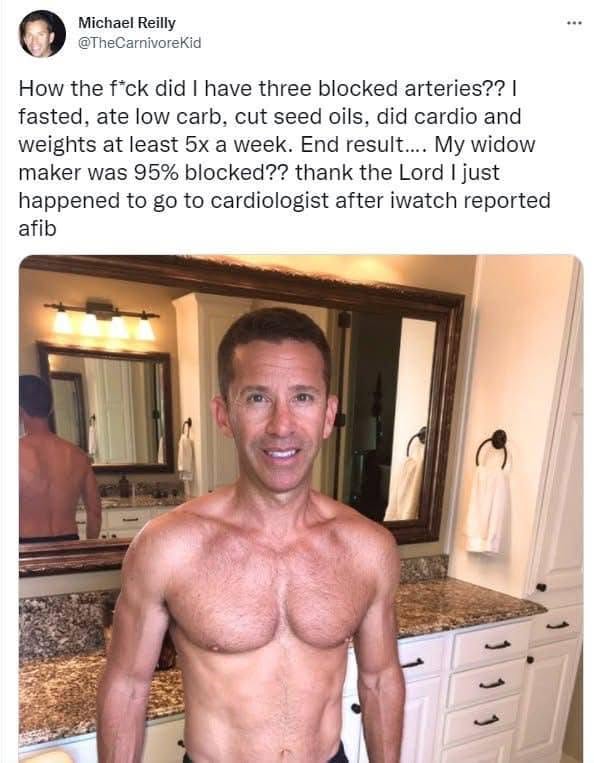
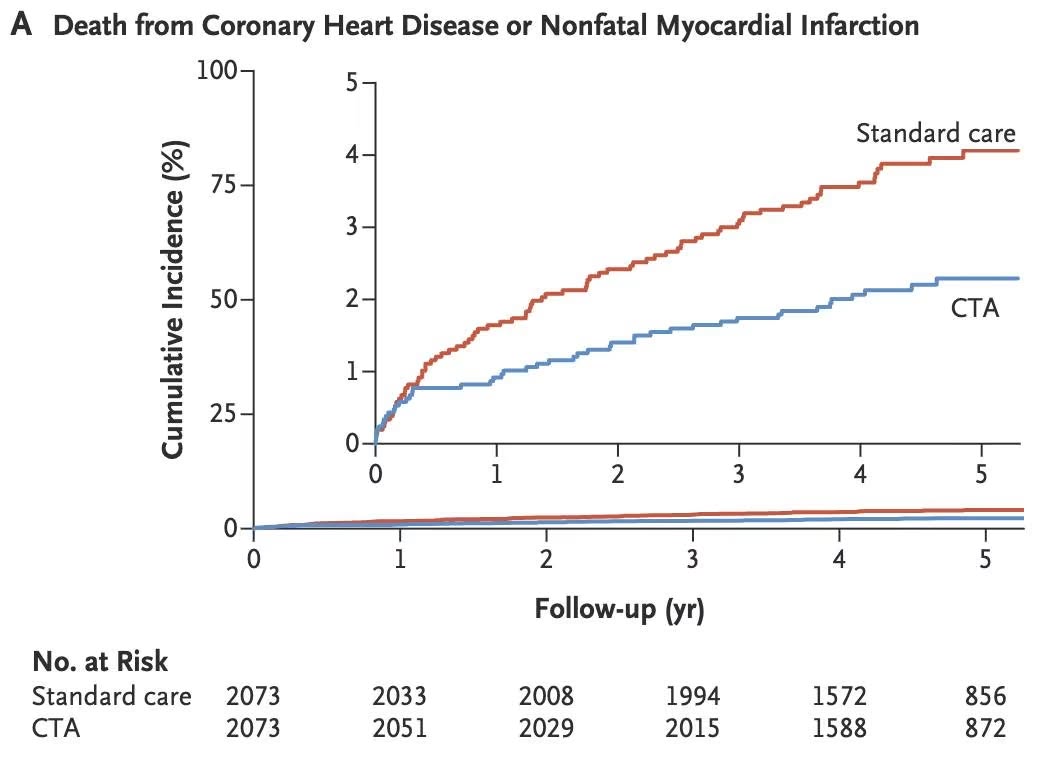
If you’re at high risk of a heart attack, then Rule #1 is to find a good cardiologist and listen to them.
Don’t gamble with your life based on nonsense that you hear on social media. Most of what you hear on social media is just people’s guesses and opinions, backed up by very little (if any) hard science. This includes the many YouTube videos where the person in the video goes to great length to cherry pick 1 study out of 100 that supports their particular conspiracy theory, while ignoring the other 99 that show exactly the opposite. This is not how science is really done. Science considers the totality of all the evidence.
The sad reality is that people at high risk have mostly lost the window of opportunity to experiment. The chance to experiment was 20 years ago before their heart disease became so severe. Once they become high risk, these experiments could end up costing them their lives.
You hear occasional stories about very high risk people who experimented and “cured” their own heart disease. But what you don’t hear are the many more stories of high risk people who experimented and died. Dead people don’t tell their stories.
If you are at high risk and want to use alternative or natural approaches (including various diets), it is safest to do them in addition to what your cardiologist suggests, not in place of them. If the natural or alternative approaches really do work for you, then your risk will drop, and you can work with your cardiologist to reduce the recommended amount of treatment as appropriate. There is no hard rule that says that you can not stop or reduce the amount of a particular medication if your condition markedly improves.