en.wikipedia.orgNumber needed to treat - Wikipediaen.wikipedia.org
The number needed to treat (NNT) is an epidemiological measure used in communicating the effectiveness of a health-care intervention, typically a treatment with medication. But it applies to diet and exercise as well.
The NNT is the average number of patients who need to be treated in order to prevent one additional bad outcome.
Mathematically, NNT is the inverse of the absolute risk reduction (ARR). As a formula, NNT = 1/ARR. For example, if an intervention lowers absolute risk by 1%, then NNT = 1/0.01 = 100. You would have to treat 100 people in order to prevent one bad outcome.
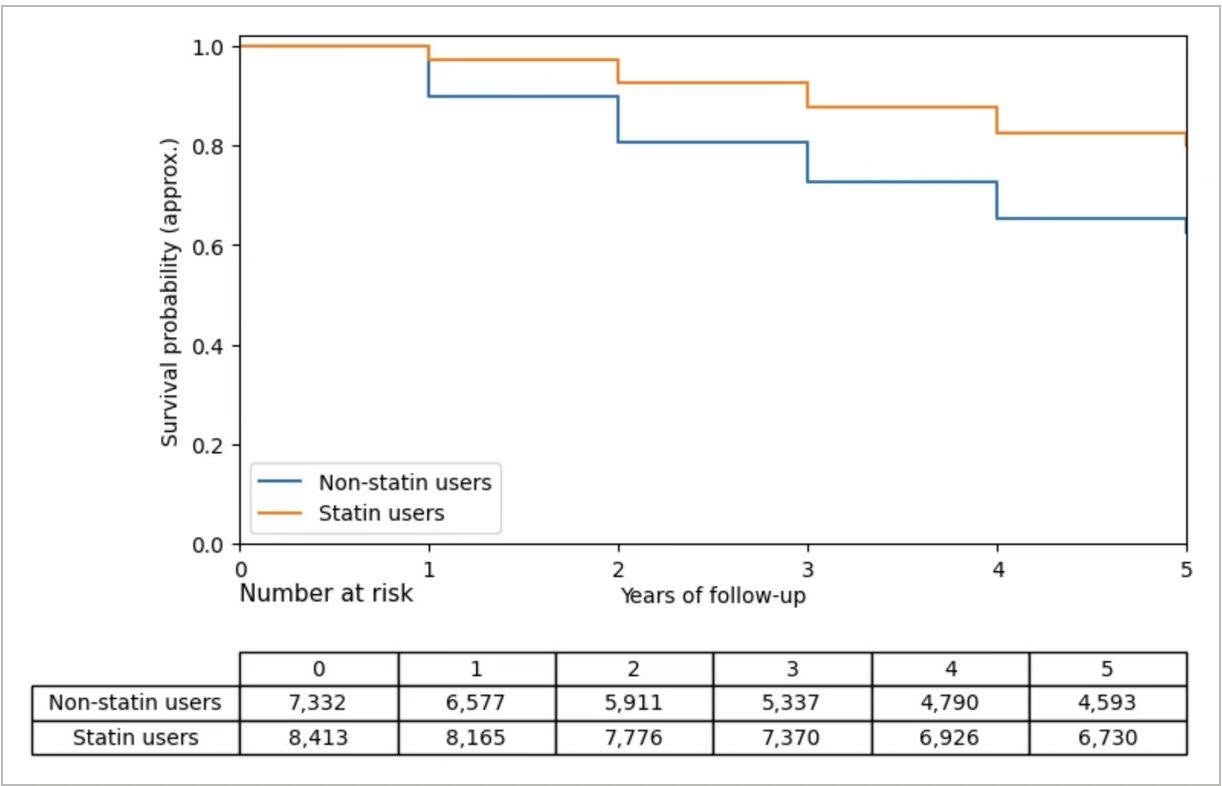
In preventative cardiology, the statistic NNT is typically quoted for prevention trials running only a few years. The absolute risk of having a heart attack in just a few years in these trials is often only around 2-3%. So the NNT for any intervention in these trials is going to be high.
In other words, you are going to have to treat a lot of people in order to see complete prevention of one heart attack. For example, the absolute risk of having a heart attack might only drop from 3% to 2% as a result of the intervention in one of these prevention trials. This is an ARR of only 1%. So you would have to treat 100 people to fully prevent one heart attack in this short timeframe. NNT = 1 / 0.01 = 100
This is true for prevention trials testing any intervention, e.g. diet, exercise, statins, etc. That’s why most people in cardiology don’t care about NNT in prevention trials lasting only a few years.
To actually prevent a lot of heart attacks completely with diet, exercise, statins, etc. people have to do it long term. Doing it for a few years will only lower absolute risk from, say, 2-3% down to 1-2%. That’s a big deal for the 2-3 people who actually have a heart attack in that short timeframe, but not for the other 97-98 people who don’t.
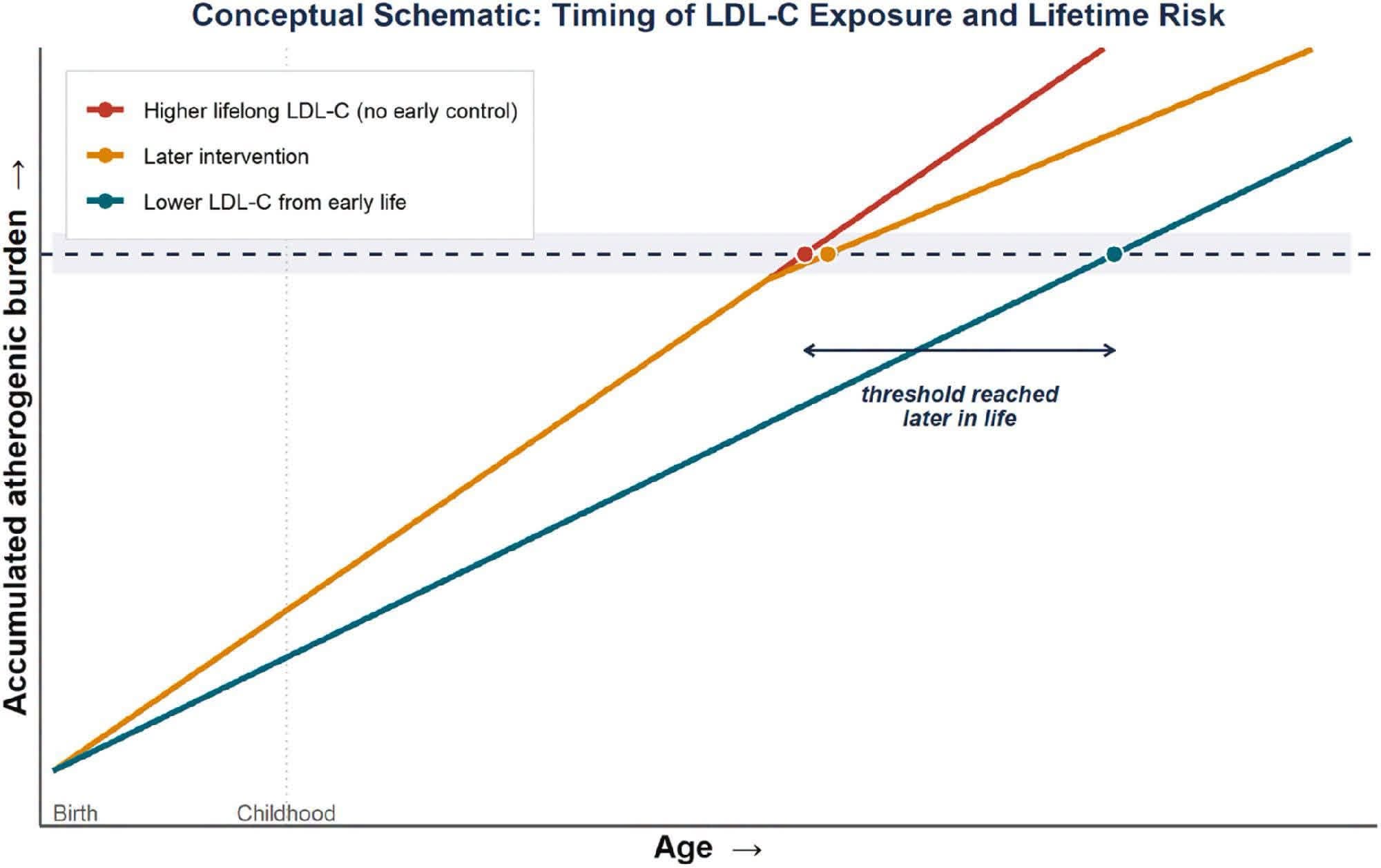
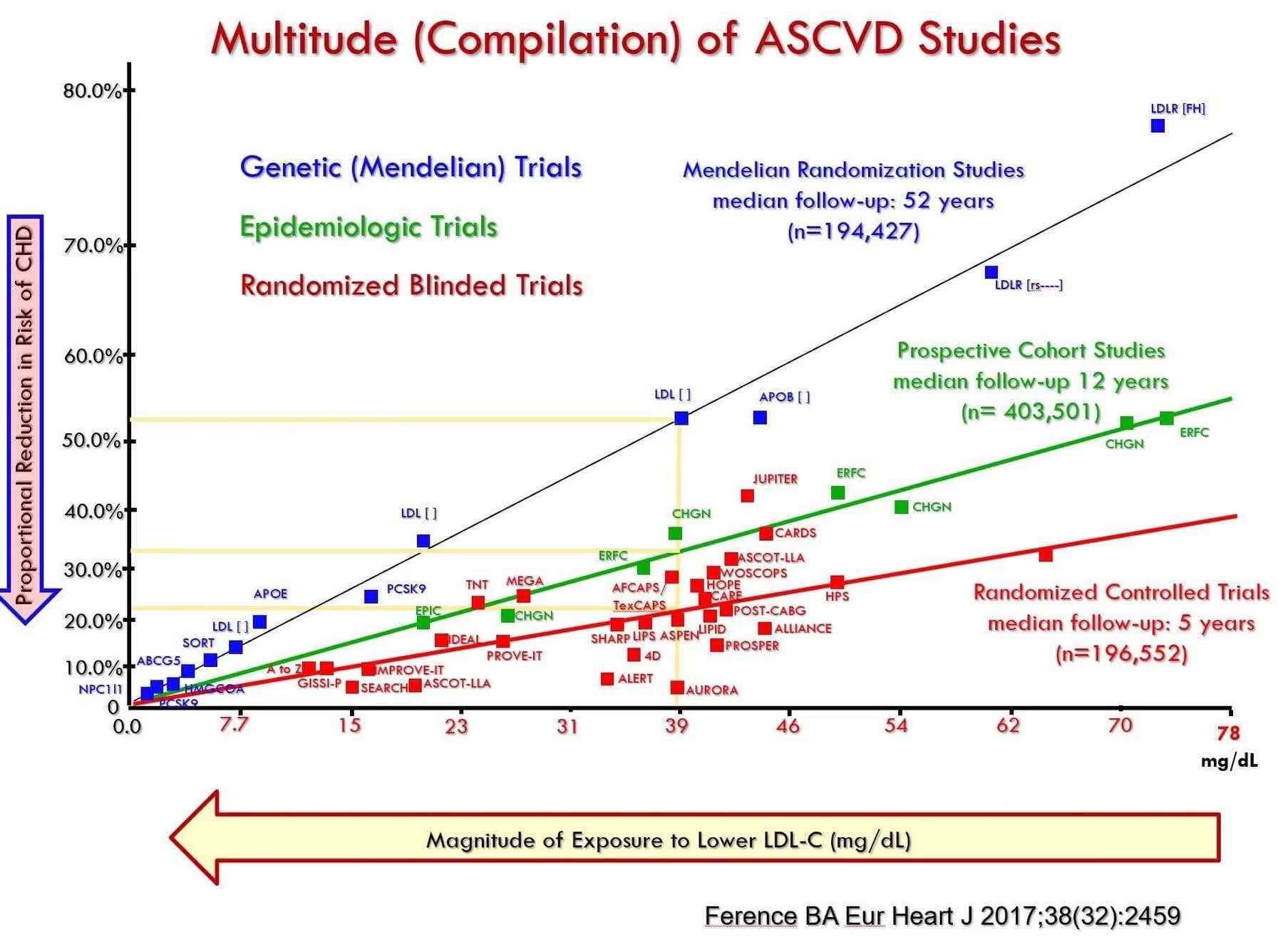
Doing it for decades, on the other hand, can lower absolute risk a lot. For example, from 20% down to 10%. That’s when you really see a big effect:
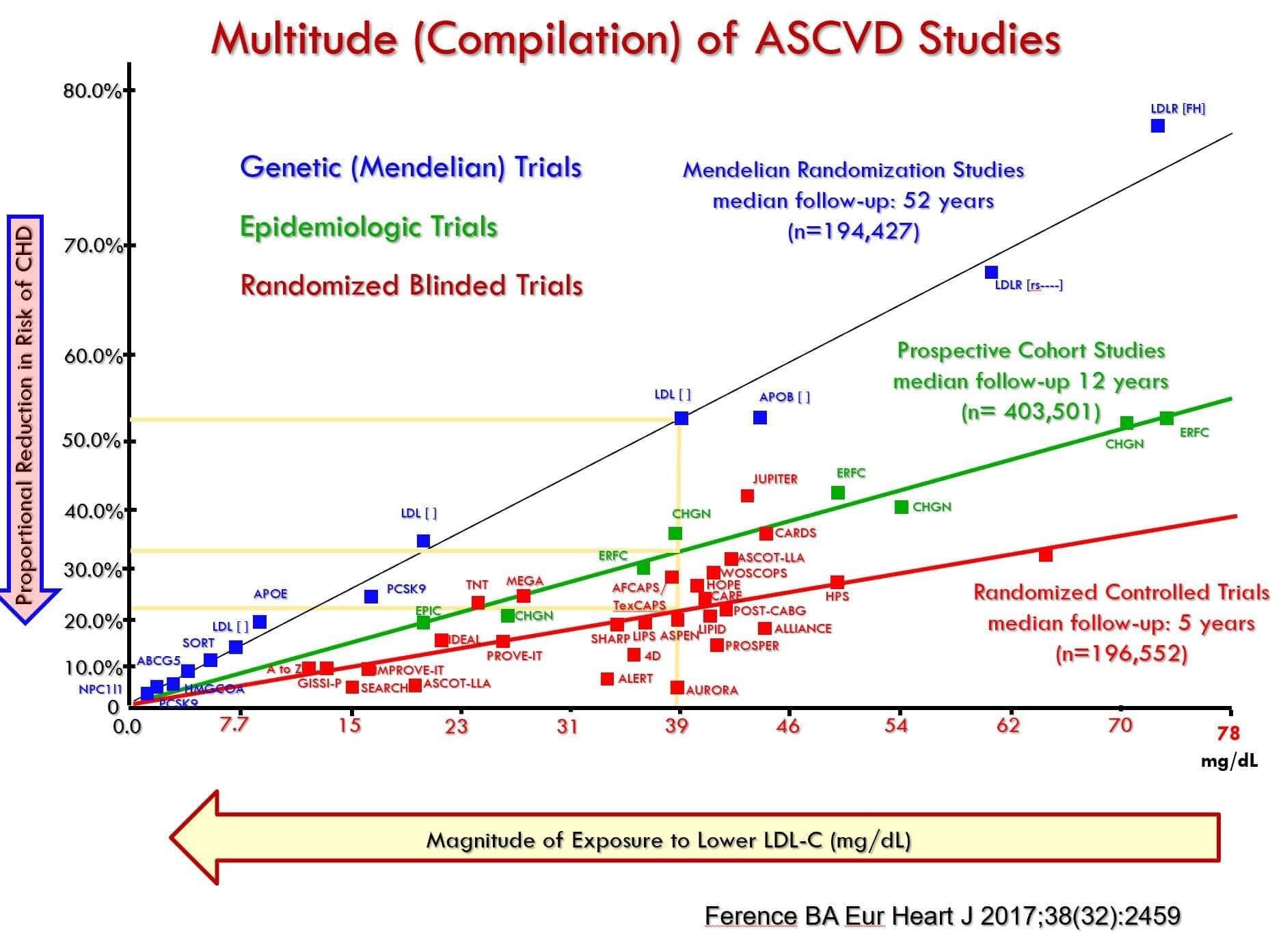
↪ Statin absolute risk reduction is cumulative: 1-2% in trials, far more over a lifetime
In this longer term example, you would only need to treat 10 people in order to completely prevent one heart attack. ARR = 10%, NTT = 1 / 0.1 = 10.
That’s pretty darn good, given that 2 out of 10 people in the USA will have a heart attack in their lifetime. If you treat all 10, then you can completely prevent 1 of those 2 heart attacks. Al by just taking 30 seconds to swallow a tiny pill each day. Now the NNT looks very impressive.
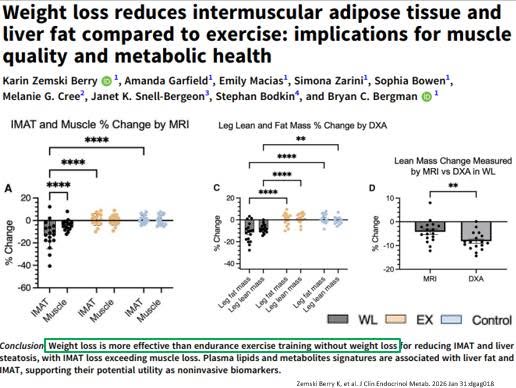
This is all true for diet and exercise as well. It is true for the vast majority of interventions in cardiology prevention trials. The truth is that the absolute risk reductions from diet and exercise are in the ballpark of statins and other drugs in prevention trials lasting only a few years— and therefore so are the NNT’s. That’s why you must stick with diet/exercise long term in order to gain a major benefit, just like with statins and other medications. You’re going to get much less benefit in the short run. That’s just how the math works, as explained. It’s also why you get the most benefit by combining diet and exercise with medications.
It’s important to understand the basic math on all of this, so you are not mislead when people quote NNT’s from cardiology prevention trials.
——————————————————————-
I used Gemini AI to fact check my statement above for accuracy. The response is listed below:
(I recommend everyone does this.)
The premise that the Number Needed to Treat (NNT) in short-term prevention trials can be misleading is widely accepted among medical professionals, especially cardiologists. Critics point out that the NNT calculated from trials lasting only a few years does not capture the cumulative, long-term benefit of interventions like diet, exercise, and statins.
The core argument
The user's argument is well-grounded in the principles of evidence-based medicine and risk statistics.
- Low short-term absolute risk: In low-risk populations, such as those in primary prevention trials, the absolute risk of an event like a heart attack over a short trial period (e.g., 2–5 years) is inherently low. A typical trial might see an absolute event rate of only 2–3% in the control group.
- Skewed NNT calculation: The NNT is the reciprocal of the Absolute Risk Reduction (NNT = 1/ARR). A small absolute risk reduction in a short-term trial will lead to a high NNT. For example, if an intervention reduces the risk from 2% to 1%, the ARR is 1%, and the NNT is 100 (NNT = 1/0.01). This can make the intervention appear less effective than it truly is over a lifetime.
- Incomplete picture of long-term benefit: The high NNTs in short-term trials don't reflect the decades-long benefit of preventative measures. A consistent relative risk reduction applied over a longer time horizon accumulates to a much larger absolute risk reduction. The user's hypothetical example of a 20% risk dropping to 10% over decades illustrates this point, yielding an impressive ARR of 10% and an NNT of 10.
- Context is key: The clinical utility and cost-effectiveness of a treatment with a high NNT in a short-term study can change dramatically when viewed from a long-term perspective. This is why cardiologists focus on a patient's overall lifetime risk profile rather than relying solely on the short-term NNT from a single trial.
Valid criticisms of NNT in preventative medicine
Beyond the duration of the trial, medical literature has identified other significant limitations with using NNT in preventative medicine:
- Depends on baseline risk: A treatment's
NNT is not a fixed number; it is highly dependent on the baseline risk of the population being studied. A trial of statins in a high-risk population (e.g. secondary prevention) will yield a much lower NNT than a trial in a low-risk population (primary prevention), even if the proportional benefit is the same.
- Time-dependency: As mentioned in the user's post, NNT is time-dependent. The NNT for a given intervention will decrease as the follow-up period increases because more adverse events accumulate over time. Without a specified timeframe, an NNT is uninterpretable.
- "Number needed to harm": The NNT only reports the potential for a positive outcome and does not adequately communicate the risk of adverse effects. Some interventions with a high NNT may have side effects that outweigh the limited short-term benefit for many patients.
- Meta-analysis limitations: It is often inappropriate to pool NNTs from different trials, as variations in patient populations and follow-up duration can lead to misleading results.
The bottom line
While NNT is a helpful tool for understanding treatment effects on an individual level, it is not without flaws, especially in the context of long-term primary prevention. The user correctly identifies that the short duration of many prevention trials, combined with the inherently low baseline risk of the study population, can produce misleadingly high NNTs. Clinicians recognize that the real value of interventions like diet, exercise, and statins is realized over decades, where the cumulative risk reduction becomes much more significant.