Aging is massively causal of declining VO2max.
In other words, as you get older, the aging process itself causes your VO2max to rapidly decline. This decline is an inevitable consequence of aging, and happens regardless of physical activity habits.
I’ve yet to see any credible evidence whatsoever of any significant causality in the other direction. In other words, there is no evidence that shows declining VO2max (per se) causes aging.
There are studies that show lack of exercise may accelerate aging, but no evidence that VO2max per se is responsible.
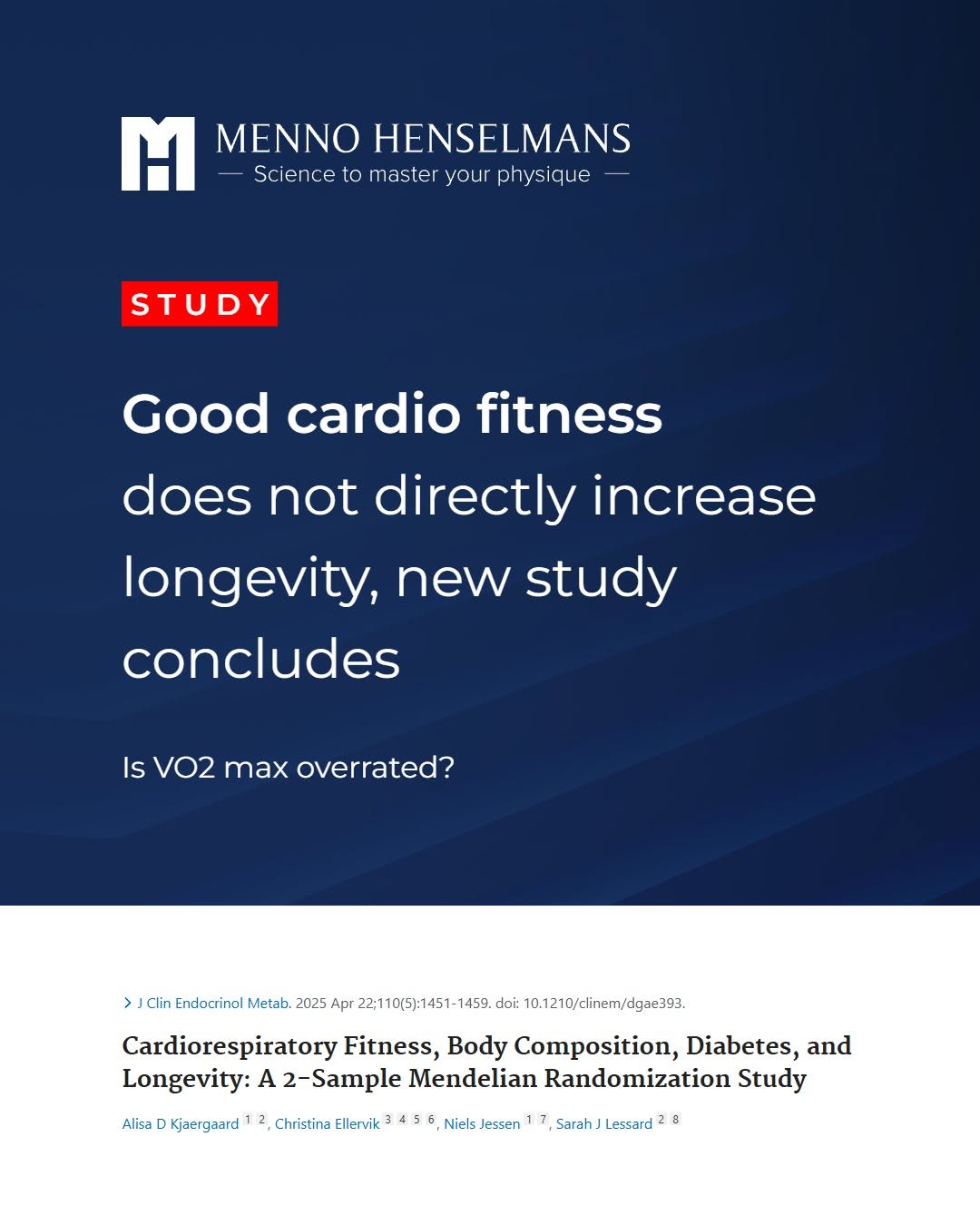
Mendelian randomization studies have demonstrated that the association between declining VO2max and aging is explained primarily by reverse causality: ↪ Mendelian randomization finds no causal effect of VO2-max on longevity or type 2 diabetes
Quoted:
“Conclusions: The longitudinal rate of decline in peak VO2 in healthy adults is not constant across the age span in healthy persons, as assumed by cross-sectional studies, but accelerates markedly with each successive age decade, especially in men, regardless of physical activity habits. The accelerated rate of decline of peak aerobic capacity has substantial implications with regard to functional independence and quality of life, not only in healthy older persons, but particularly when disease-related deficits are superimposed.”
Paper · Circulation · 2005Accelerated longitudinal decline of aerobic capacity in healthy older adults.Conclusion: The longitudinal rate of decline in peak VO2 in healthy adults is not constant across the age span in healthy persons, as assumed by cross-sectional studies, but accelerates markedly with each successive age decade, especially in men, regardless of physical activity habits. The accelerated rate of decline of peak aerobic capacity has substantial implications with regard to functional independence and qualpubmed.ncbi.nlm.nih.gov