HD-OPM Archive
Hashtags

#peterattia

25 posts

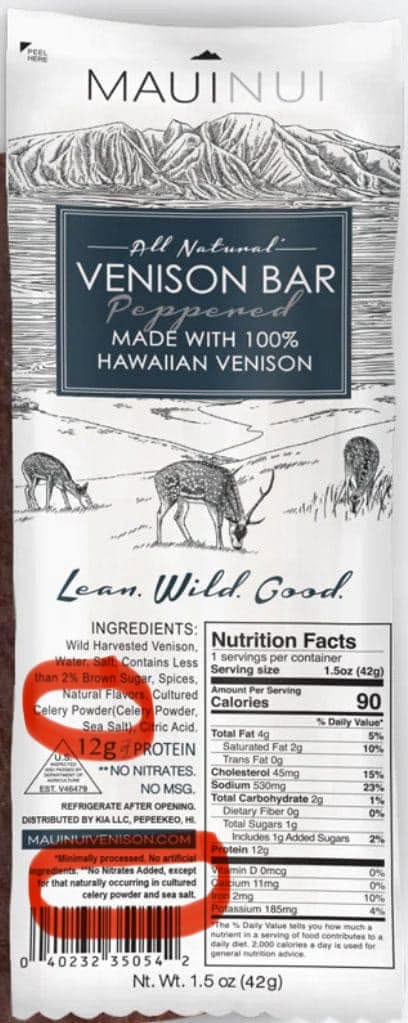
'Uncured' and 'nitrate-free' processed meats can carry as many or more nitrosamines

Jul 10, 2024 · Louis Nervegna ♥ 13 · 💬 16 ↩ 19 Meat, eggs & dairy

The poster warns that jerky, bacon, sausage and deli meats labeled natural or uncured use celery juice or powder as nitrate sources, avoiding USDA nitrite limits while still forming carcinogenic nitrosamines when cured and heated. Cured meat is a WHO group 1 carcinogen and shows the worst hazard ratios of any food besides trans fats in cohorts.

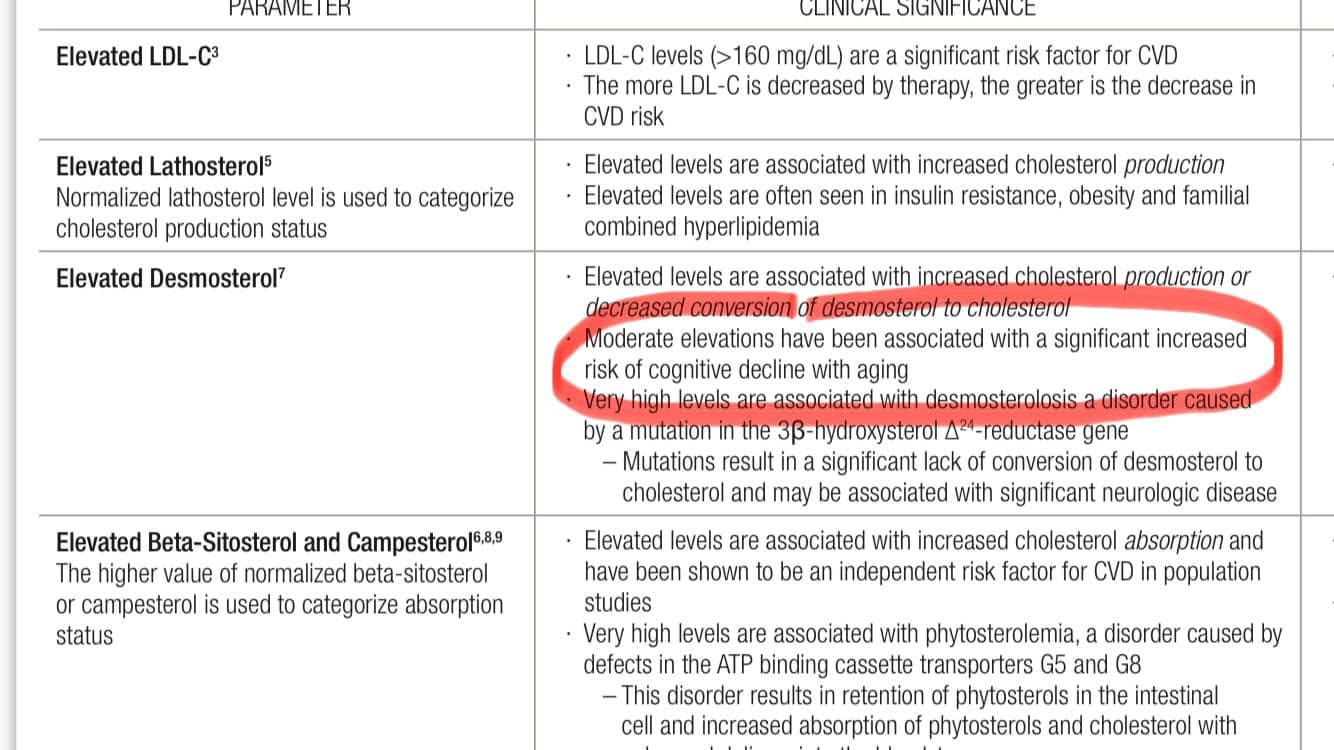
Boston Heart's desmosterol test is likely a waste of money, argues Louis

Jan 15, 2024 · Louis Nervegna ♥ 13 · 💬 15 Risk assessment & lab tests

Louis critiques the desmosterol blood test, a marker of cholesterol production marketed for predicting statin response and Alzheimer's risk. He argues statin response can simply be checked by trying a statin, and that in healthy people high (not low) desmosterol is associated with higher dementia risk, so claims that statins raise Alzheimer's risk via lowering desmosterol are backwards. Even the test maker's material says lower desmosterol is optimal.

Why diet-health epidemiology may mislead: reverse causation and socioeconomic confounding

Jan 15, 2025 · Gokhan Can ♥ 15 · 💬 17 How to read research

Gokhan argues that dramatic personal improvements on low-carb diets undermine trust in guidelines, and that observational nutrition studies can be distorted by reverse causation (people with insulin resistance may prefer fat and protein) and socioeconomic confounding. He says only intervention trials resolve this, and shares a Viva Longevity video on influencers versus epidemiologists reposted by Louis Nervegna. The argument is one-sided.

Peter Attia's current supplement stack

Nov 23, 2023 · Gokhan Can ♥ 8 · 💬 14 Supplements & vitamins

Summarizes the supplements Peter Attia says he takes: B6, high-EPA fish oil aimed at a red-cell EPA+DHA level near 12%, vitamin D 5,000 IU, several forms of magnesium, methylfolate and B12 to keep homocysteine below nine, and baby aspirin. This is a personal regimen, not evidence.

Louis: forcing LDL-C below 20 in low-risk people is unwise, per Willett on brain bleeds

Mar 30, 2024 · Louis Nervegna ♥ 9 · 💬 8 LDL, ApoB & lipid panel

Louis criticizes advice for low-risk people to use multiple drugs to push LDL-C below 20, noting major cardiology associations do not recommend it. He quotes Walter Willett saying very low LDL raises hemorrhagic stroke risk, citing Japanese experience and Mendelian randomization of the statin-target gene. The caveat is that high-risk people should push LDL low because heart attack and ischemic stroke risk outweigh this. His rule: LDL target should scale with risk.

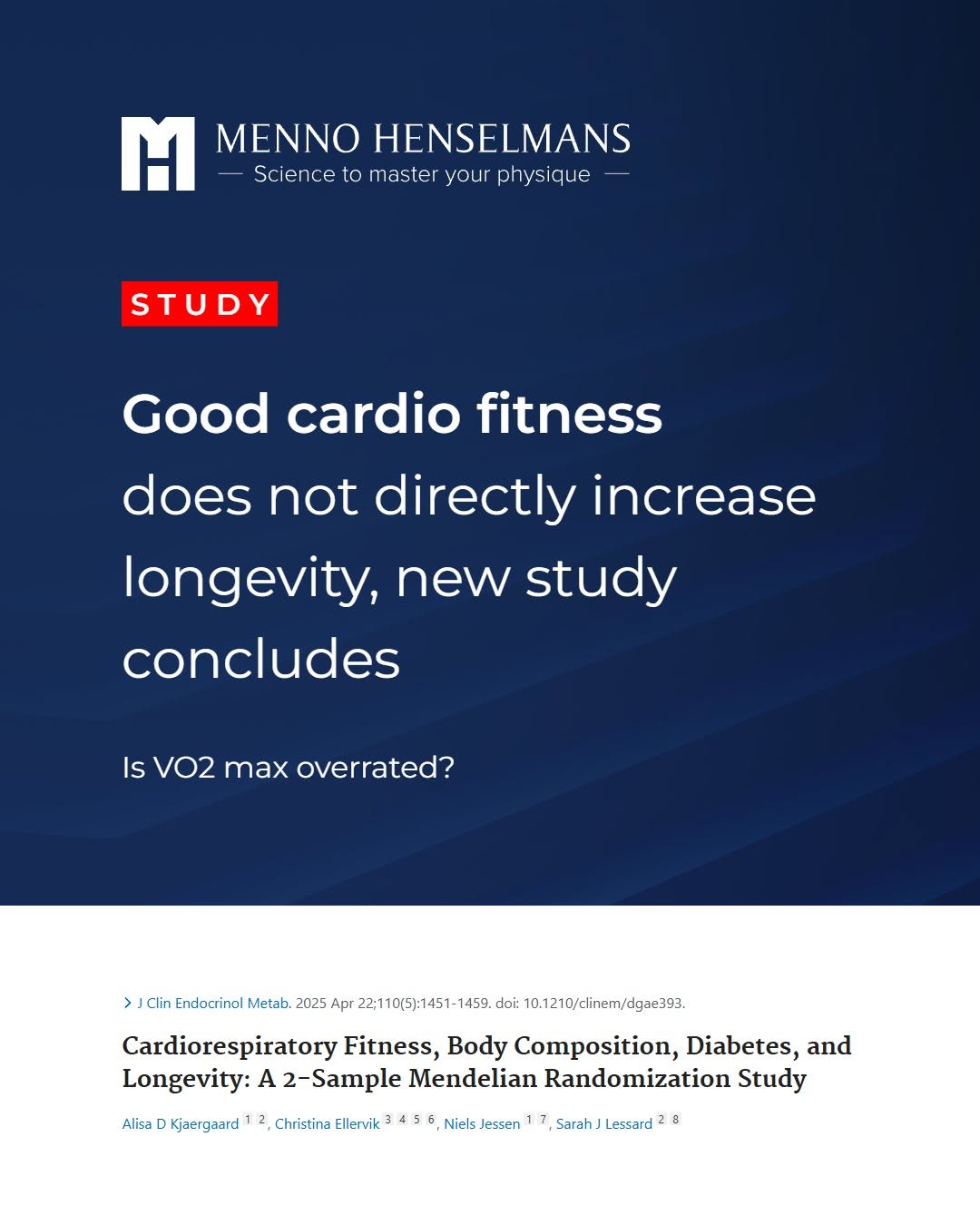
VO2max as a causal longevity metric is doubtful; Mendelian randomization shows no effect

Dec 13, 2025 · Louis Nervegna ♥ 8 · 💬 6 ↩ 7 Exercise & fitness

Louis endorses Chris Masterjohn's article arguing that most studies link treadmill performance, not measured VO2max, to lifespan, and that treadmill tests are influenced by many other factors and by unhealthy volunteers. Louis adds that Mendelian randomization shows no forward causal effect of VO2max on longevity but evidence of causality in the reverse direction.

Aging causes VO2max to decline, not the reverse

Nov 01, 2025 · Louis Nervegna ♥ 6 · 💬 8 ↩ 4 Exercise & fitness

Louis argues that aging drives VO2max decline regardless of activity habits, and that Mendelian randomization suggests the association comes mainly from reverse causality. He cites a longitudinal Circulation study showing the decline accelerates in each successive decade.

Meta-analyses: swapping sugary drinks for low-calorie sweetened ones does not harm weight

Aug 25, 2025 · Louis Nervegna ♥ 0 Carbs, fiber, sugar & whole grains

A quoted rebuttal to Peter Attia's claim that diet soda swaps would not aid weight loss cites a systematic review of 17 RCTs where replacing sugar-sweetened beverages with low/no-calorie sweetened beverages reduced weight, BMI, body fat and liver fat. A cohort meta-analysis found no cardiometabolic harm from these drinks used as a substitution.