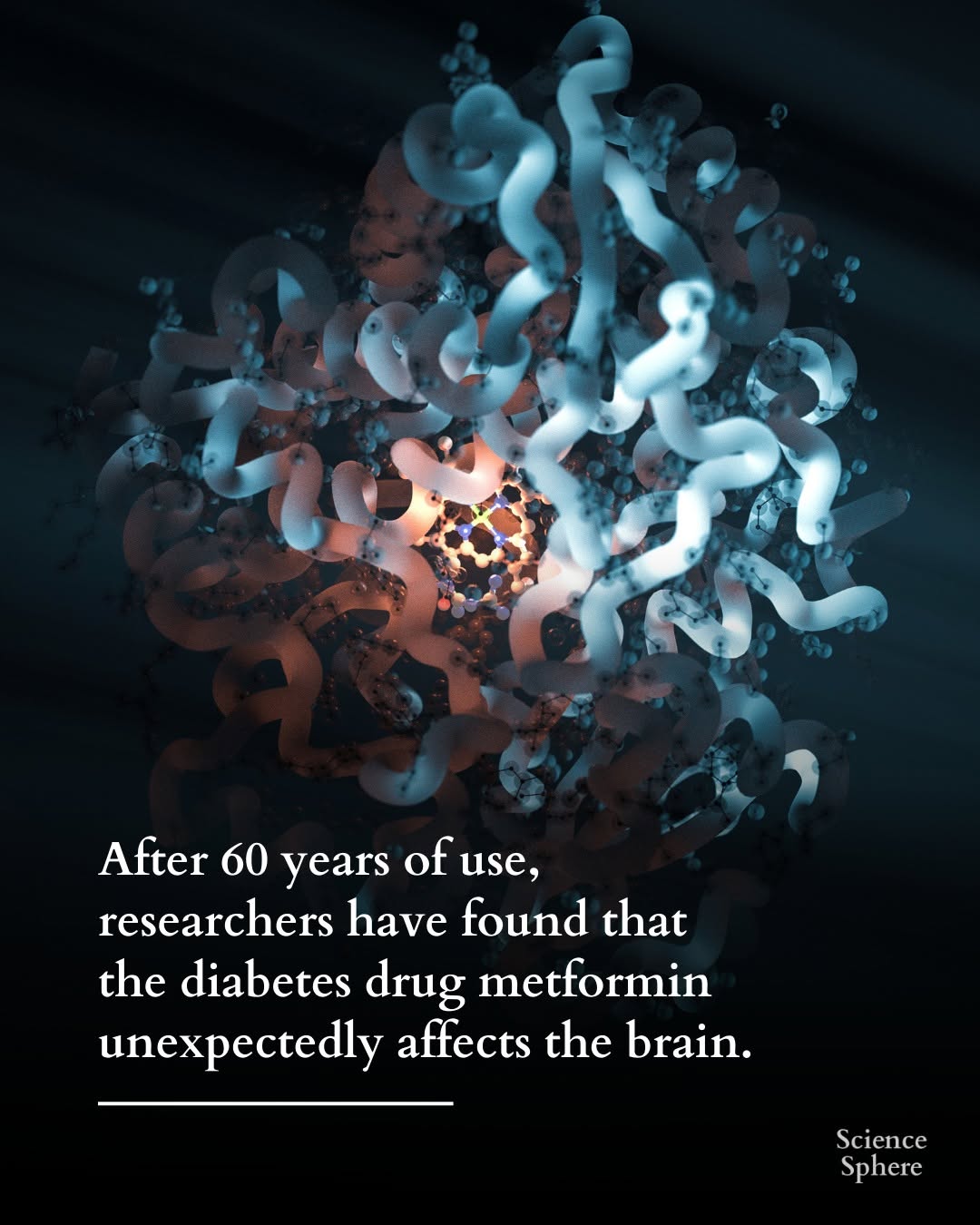
Metformin lowers blood sugar through a newly discovered mechanism in the brain.
(My note: The Rap1 pathway by which metformin is working in this study is a known longevity pathway that prevents cellular senescence by protecting telomeres. See comments for more on this.)
Quoted:
“Researchers from the Baylor College of Medicine in the US identified a brain pathway that the drug seems to work through, in addition to the effects it has on biological processes in other areas of the body.
"It's been widely accepted that metformin lowers blood glucose primarily by reducing glucose output in the liver. Other studies have found that it acts through the gut," says Makoto Fukuda, a pathophysiologist at Baylor.
"We looked into the brain as it is widely recognized as a key regulator of whole-body glucose metabolism. We investigated whether and how the brain contributes to the anti-diabetic effects of metformin."
Previous work by some of the same researchers had identified a protein in the brain called Rap1 as having an impact on glucose metabolism, particularly in a part of the brain called the ventromedial hypothalamus or (VMH).
In their 2025 study, tests on mice showed metformin traveling to the VMH, where it helps tackle type 2 diabetes by essentially turning off Rap1.
When the researchers bred mice without Rap1, metformin then had no impact on a diabetes-like condition – even though other drugs did. It's strong evidence that metformin works in the brain, through a different mechanism than other drugs.
The team was also able to take a close look at the specific neurons metformin was changing activity in. Further down the line, that could lead to more targeted treatments that take aim at these neurons specifically.”
#metforminHD #rap1HD #brainHD #telomeresHD #telomeraseHD #senescenceHD