Study Finds Metformin's Primary Glucose Lowering Action Is Regulated by the Brain
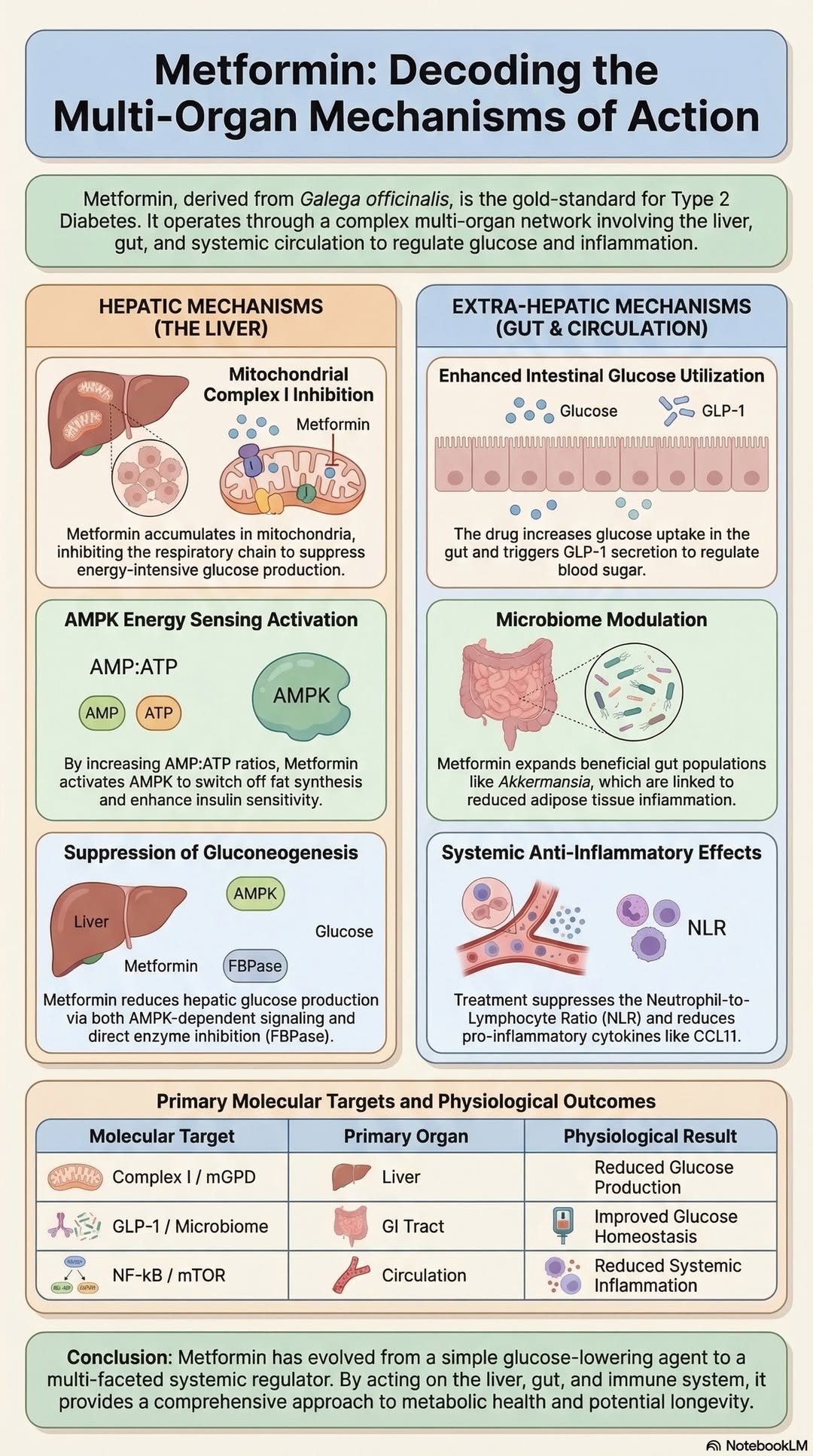
A new study from Baylor College of Medicine, published in Science Advances, has identified a novel mechanism for the diabetes drug metformin. The research indicates that metformin's primary action for lowering blood glucose is regulated by the brain, not just peripheral organs like the liver and gut as previously thought. The study found that metformin functions by inhibiting a protein called Rap1 in a specific group of neurons (SF1 neurons) located in the ventromedial hypothalamic nucleus (VMH). Experiments showed that mice genetically engineered to lack Rap1 in the brain did not respond to metformin, and that injecting a tiny, otherwise ineffective, dose of the drug directly into the brain produced significant systemic glucose-lowering effects. This discovery could pave the way for new diabetes treatments that target this brain pathway and may also shed light on metformin's reputed anti-aging properties.
 Lifespan Research Institute | Building a Future Free of Age-Related DiseaseStudy Finds Metformin’s Action Is Regulated by the BrainA new study has shown that, unlike many other glucose-lowering drugs, metformin is regulated by the protein Ras1 in a specific subset of neurons.lifespan.io