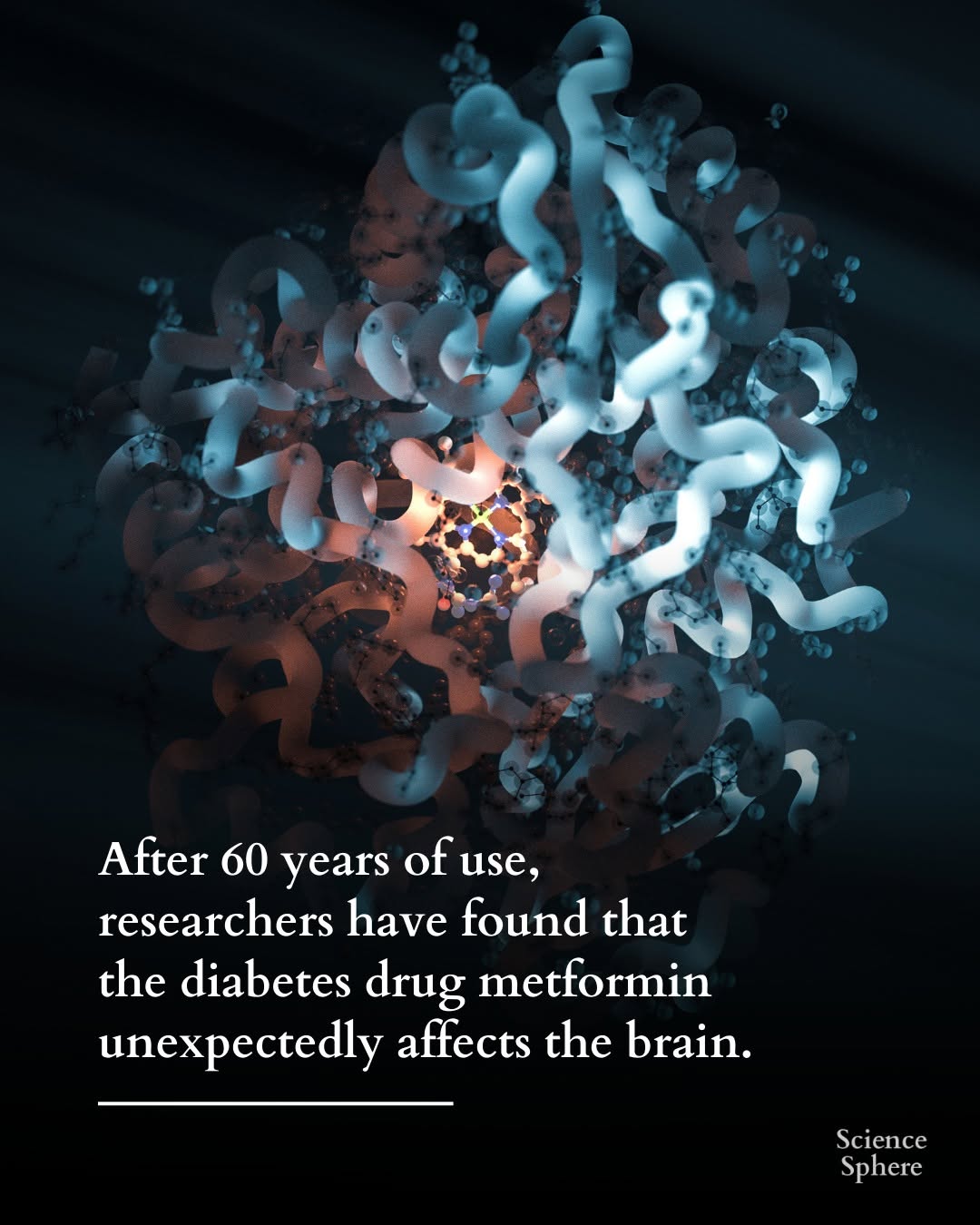
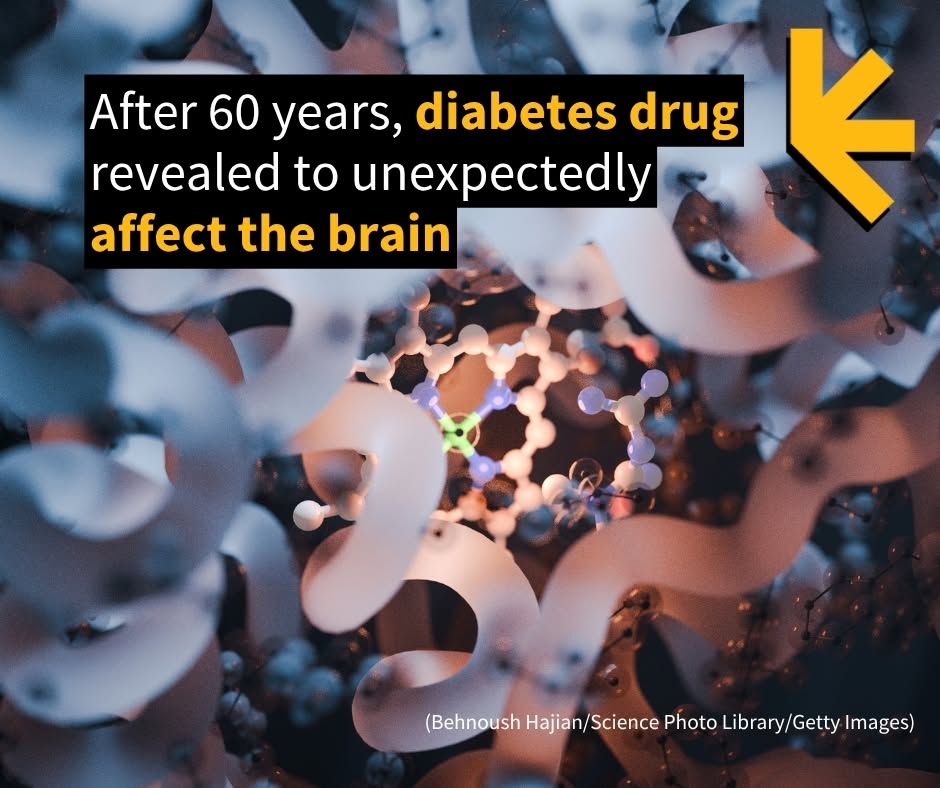
🧠 Science just uncovered a startling new brain link for one of the world’s oldest diabetes drugs.
Metformin, used for over 60 years to manage type 2 diabetes, was thought to act mainly by reducing glucose production in the liver or via effects in the gut. Now, a breakthrough study reveals metformin can also work directly on the brain, particularly targeting the ventromedial hypothalamus (VMH) and a key protein called Rap1.
Researchers at Baylor College of Medicine discovered that when metformin is introduced into the brain, it activates specialized SF1 neurons in the VMH, effectively turning off Rap1. Mice engineered without Rap1 showed no benefit from metformin, even though they responded to other diabetes drugs. This pinpoints a neural mechanism for metformin’s effects, distinct from other treatments.
The finding may pave the way for more precise therapies that target specific neural pathways and shed light on metformin’s other benefits—such as slowing brain aging and potentially contributing to longevity. While side effects remain, especially gastrointestinal ones, this insight could help optimize its use and safety for millions relying on the medication.
Follow Science Sphere for regular scientific updates
📄 RESEARCH PAPER
📌 H.-Y. Lin et al., "Low-dose metformin requires brain Rap1 for its antidiabetic action", Science Advances (2025)