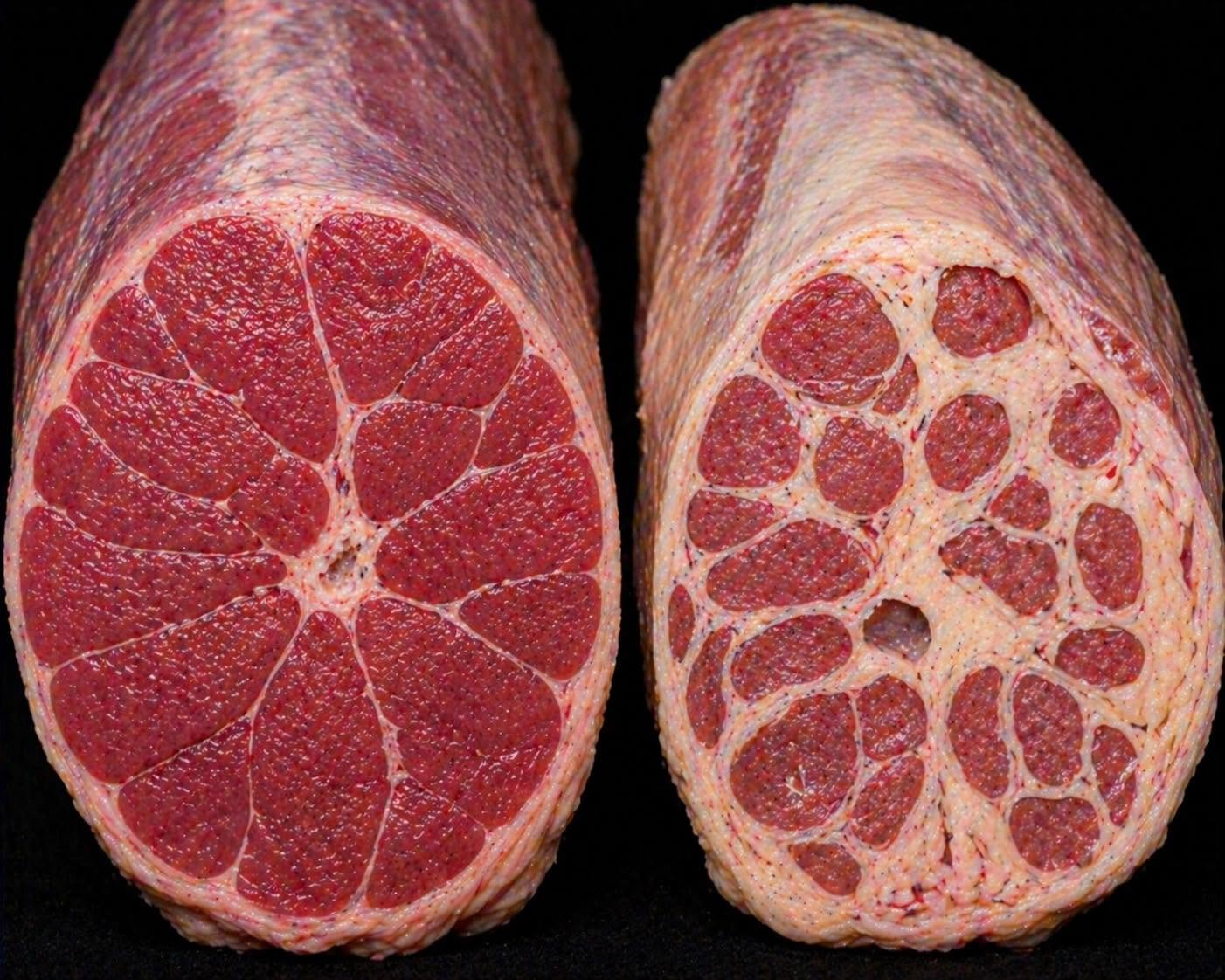
Sarcopenia is a risk factor for CVD
The full journal article can be found here:
Paper · Circulation · 2023Sarcopenia and Cardiovascular Diseases.Sarcopenia is the loss of muscle strength, mass, and function, which is often exacerbated by chronic comorbidities including cardiovascular diseases, chronic kidney disease, and cancer. Sarcopenia is associated with faster progression of cardiovascular diseases and higher risk of mortality, falls, and reduced quality of life, particularly among older adults. Although the pathophysiologic mechanisms are complex, the…ahajournals.org
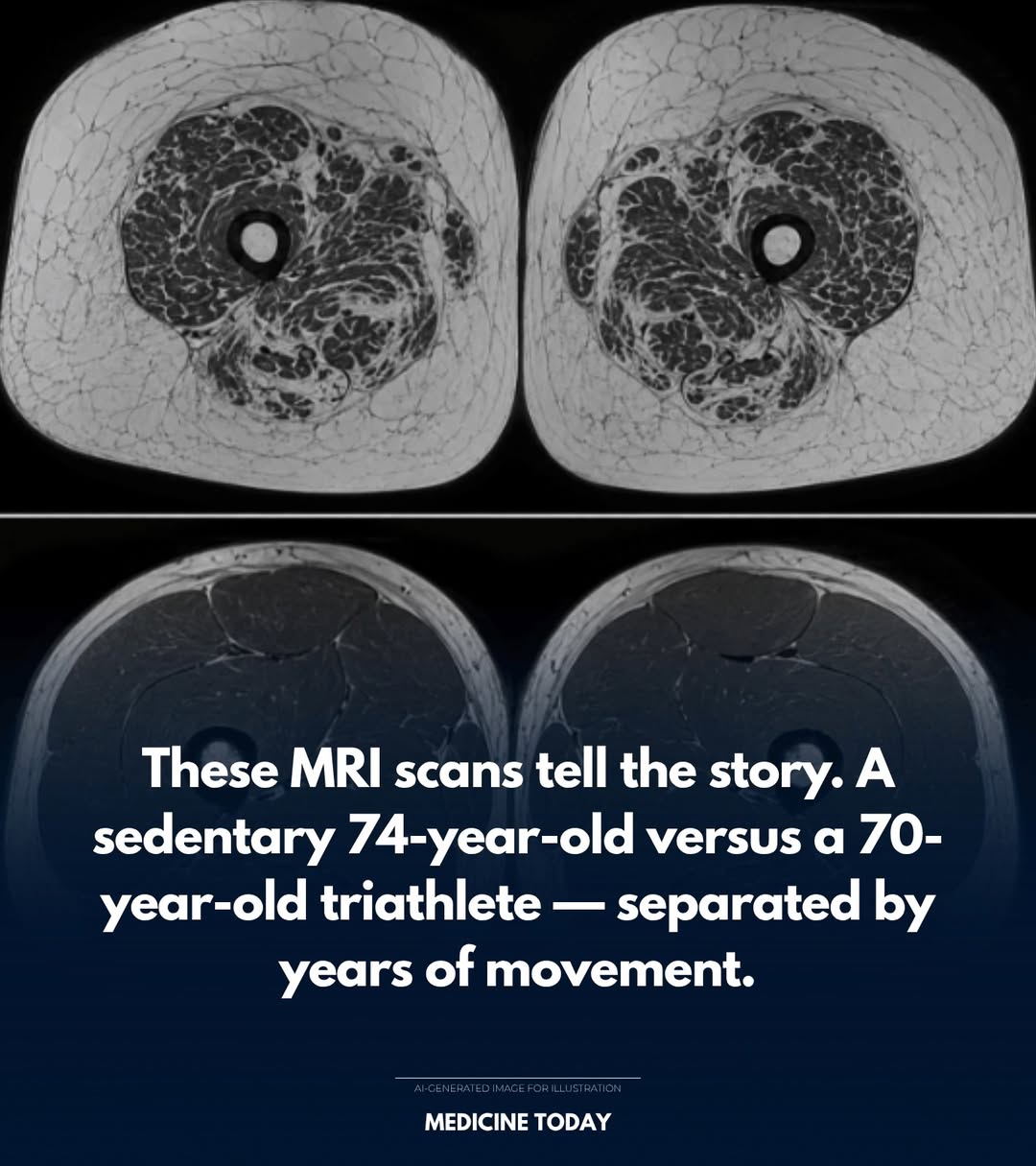
As the post correctly points out, the best way to prevent sarcopenia as you get older is to engage in regular resistance exercise.
Quoted:
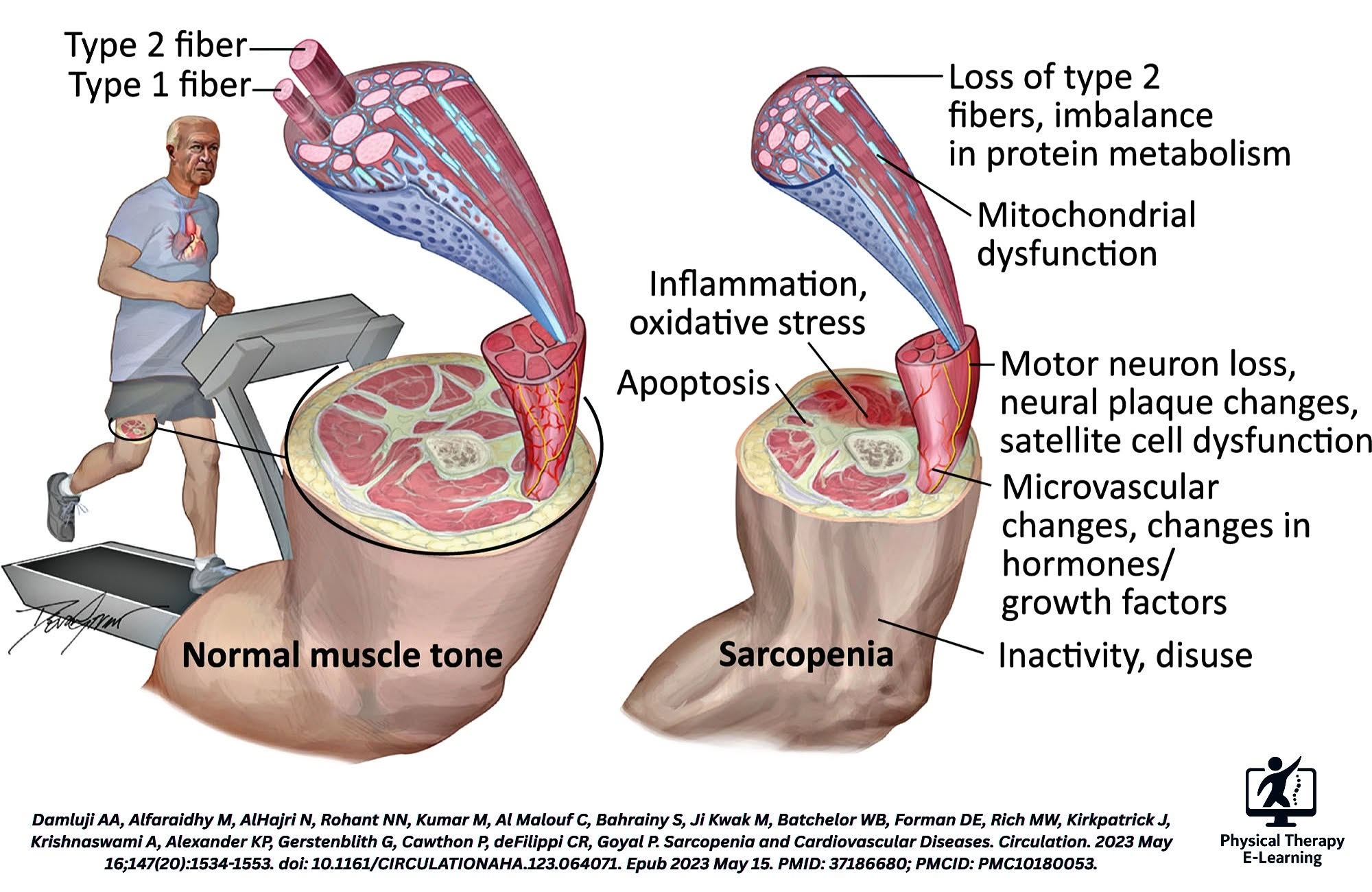
“Sarcopenia is the loss of muscle strength, mass, and function, which is often exacerbated by chronic comorbidities including cardiovascular diseases, chronic kidney disease, and cancer. Sarcopenia is associated with faster progression of cardiovascular diseases and higher risk of mortality, falls, and reduced quality of life, particularly among older adults. Although the pathophysiologic mechanisms are complex, the broad underlying cause of sarcopenia includes an imbalance between anabolic and catabolic muscle homeostasis with or without neuronal degeneration. The intrinsic molecular mechanisms of aging, chronic illness, malnutrition, and immobility are associated with the development of sarcopenia. Screening and testing for sarcopenia may be particularly important among those with chronic disease states. Early recognition of sarcopenia is important because it can provide an opportunity for interventions to reverse or delay the progression of muscle disorder, which may ultimately impact cardiovascular outcomes.”
#sarcopeniaHD #muscleHD
📌 𝐒𝐚𝐫𝐜𝐨𝐩𝐞𝐧𝐢𝐚: 𝐀 𝐂𝐫𝐢𝐭𝐢𝐜𝐚𝐥 𝐋𝐢𝐧𝐤 𝐭𝐨 𝐂𝐚𝐫𝐝𝐢𝐨𝐯𝐚𝐬𝐜𝐮𝐥𝐚𝐫 𝐃𝐢𝐬𝐞𝐚𝐬𝐞 (𝐂𝐕𝐃)
Sarcopenia is defined as the progressive loss of muscle strength, mass, and function. Often described as a pathologic condition of "muscle failure," it is a particularly important geriatric syndrome that disproportionally affects older adults with cardiovascular disease (CVD).
📍 𝐊𝐞𝐲 𝐅𝐚𝐜𝐭𝐬 𝐨𝐧 𝐒𝐚𝐫𝐜𝐨𝐩𝐞𝐧𝐢𝐚 𝐚𝐧𝐝 𝐂𝐕𝐃
◼️ Bidirectional Relationship
✨ There is a strong bidirectional association between sarcopenia and CVD.
✨ Sarcopenia can predispose adults to cardiovascular events through increased adiposity, insulin resistance, and chronic inflammation.
✨ Conversely, the chronic inflammation and decreased physical activity seen in cardiac patients accelerate muscle loss.
◼️ Adverse Outcomes
✨ Sarcopenia is an independent risk factor associated with the faster progression of CVD, increased risk of mortality, falls, disability, hospitalization, and reduced quality of life.
✨ It is commonly observed in conditions like heart failure (HF) and coronary artery disease (CAD).
◼️ Diagnosis Challenge
✨ Early recognition is important for timely intervention.
✨ However, body mass index (BMI) is not useful for screening among older adults, many of whom present with sarcopenic obesity (obesity concurrently with sarcopenia).
✨ Diagnostic criteria typically require evaluation of low muscle strength (dynapenia), mass (quantity), and function (quality).
🛠️ 𝐌𝐚𝐧𝐚𝐠𝐞𝐦𝐞𝐧𝐭 𝐚𝐧𝐝 𝐈𝐧𝐭𝐞𝐫𝐯𝐞𝐧𝐭𝐢𝐨𝐧
◼️ Exercise
✨ The strongest evidence for treatment and prevention supports progressive resistance training, typically two to three times per week, to increase muscle mass, strength, and physical performance.
◼️ Nutrition
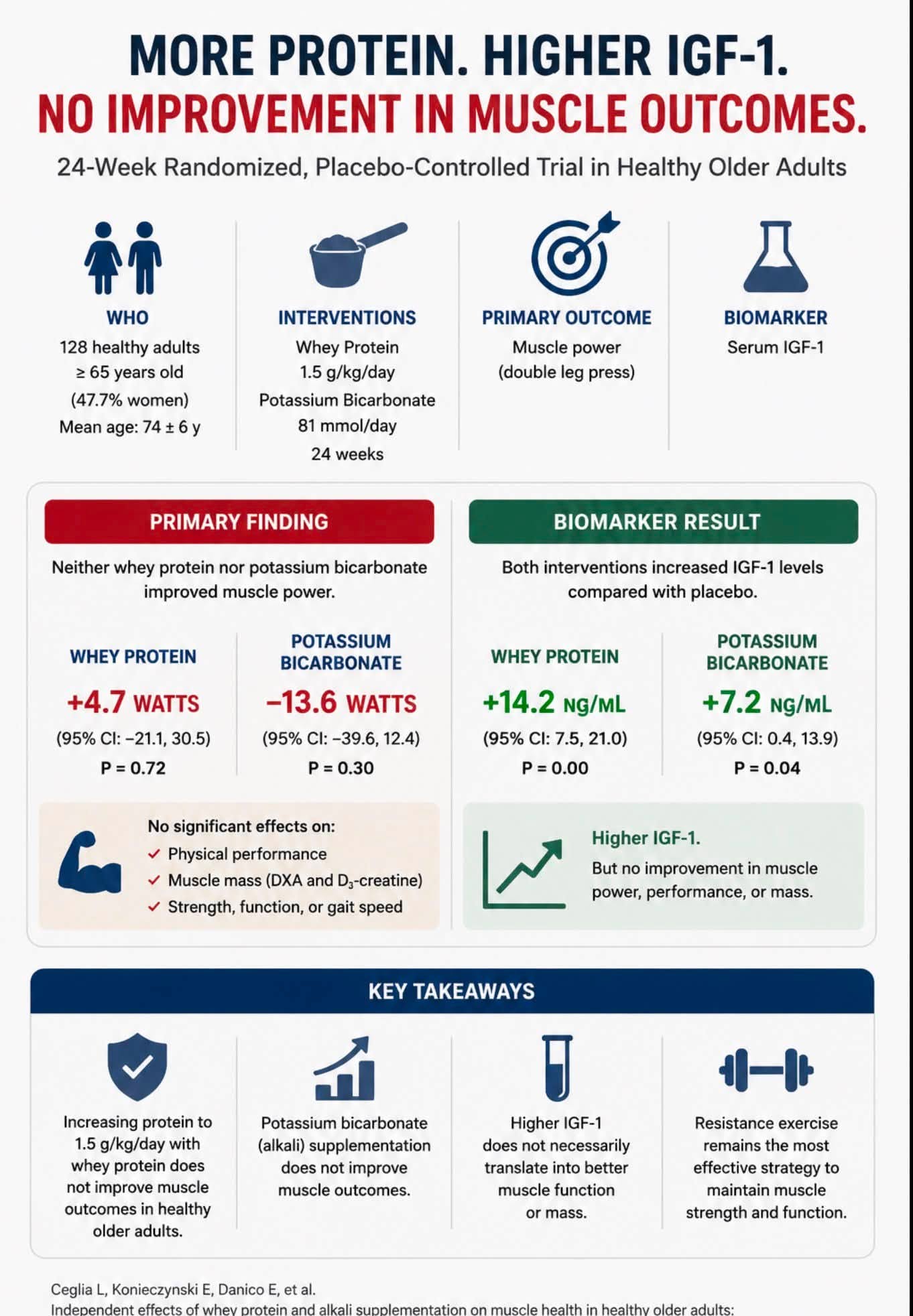
✨ Protein supplementation and essential amino acids are promising interventions.
✨ For healthy older people, a diet providing at least 1.0 to 1.2 g protein/kg body weight per day is recommended.
◼️ Comorbidities
✨ Addressing underlying factors such as optimizing metabolic health and treating conditions like HF with guideline-directed medical therapy are crucial steps in managing sarcopenia.
🔬 𝑭𝒖𝒕𝒖𝒓𝒆 𝑫𝒊𝒓𝒆𝒄𝒕𝒊𝒐𝒏𝒔
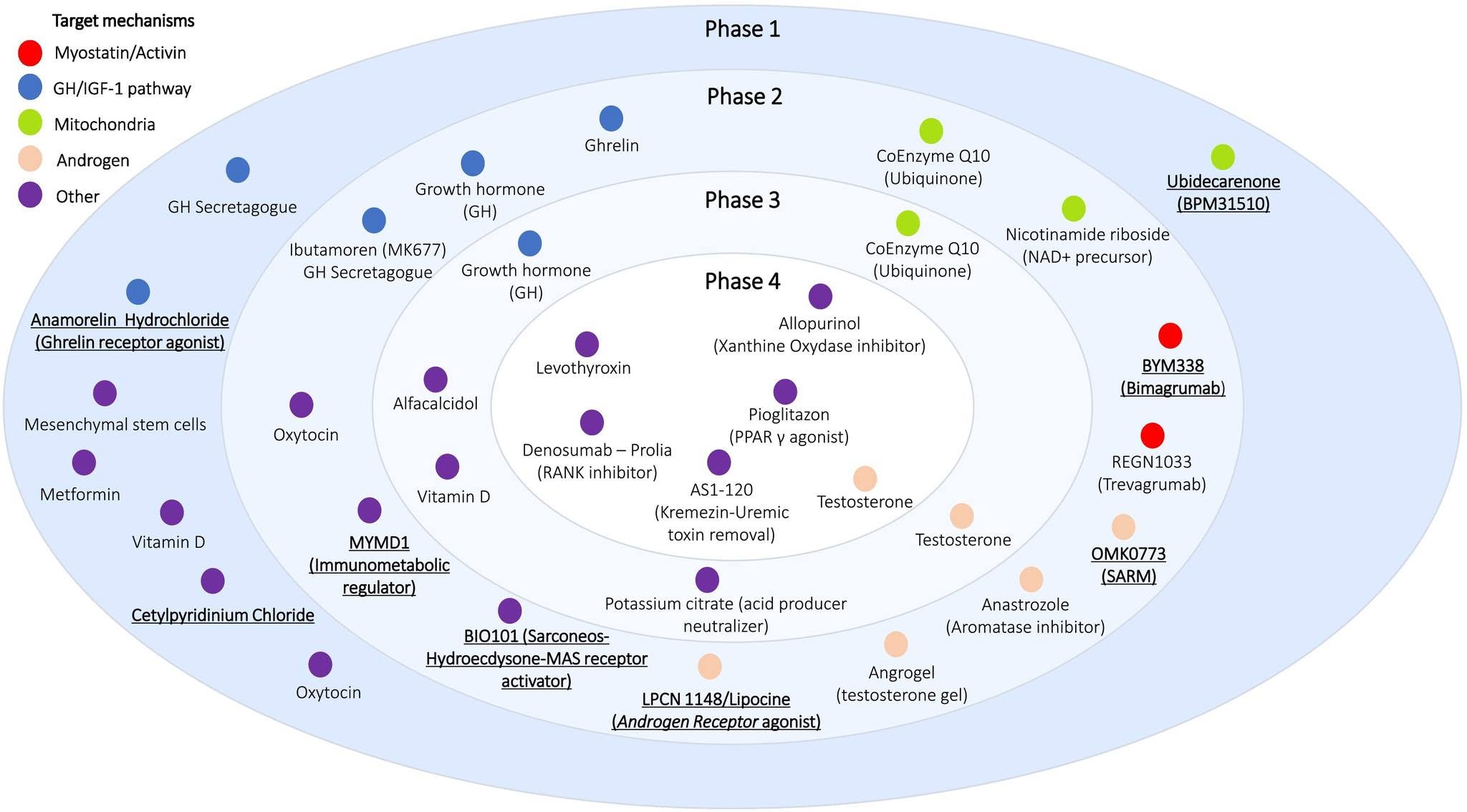
◼️ Further research is needed to standardize definitions and diagnostic tools, particularly for sarcopenic obesity, and to investigate pharmacotherapeutic strategies.
⚠️Disclaimer: Sharing a study or a part of it is NOT an endorsement. Please read the original article and evaluate critically.⚠️
Link to Article 👇