Proteolysis
The decline in proteolytic activity, the process by which enzymes break down proteins, contributes to numerous age-related issues:
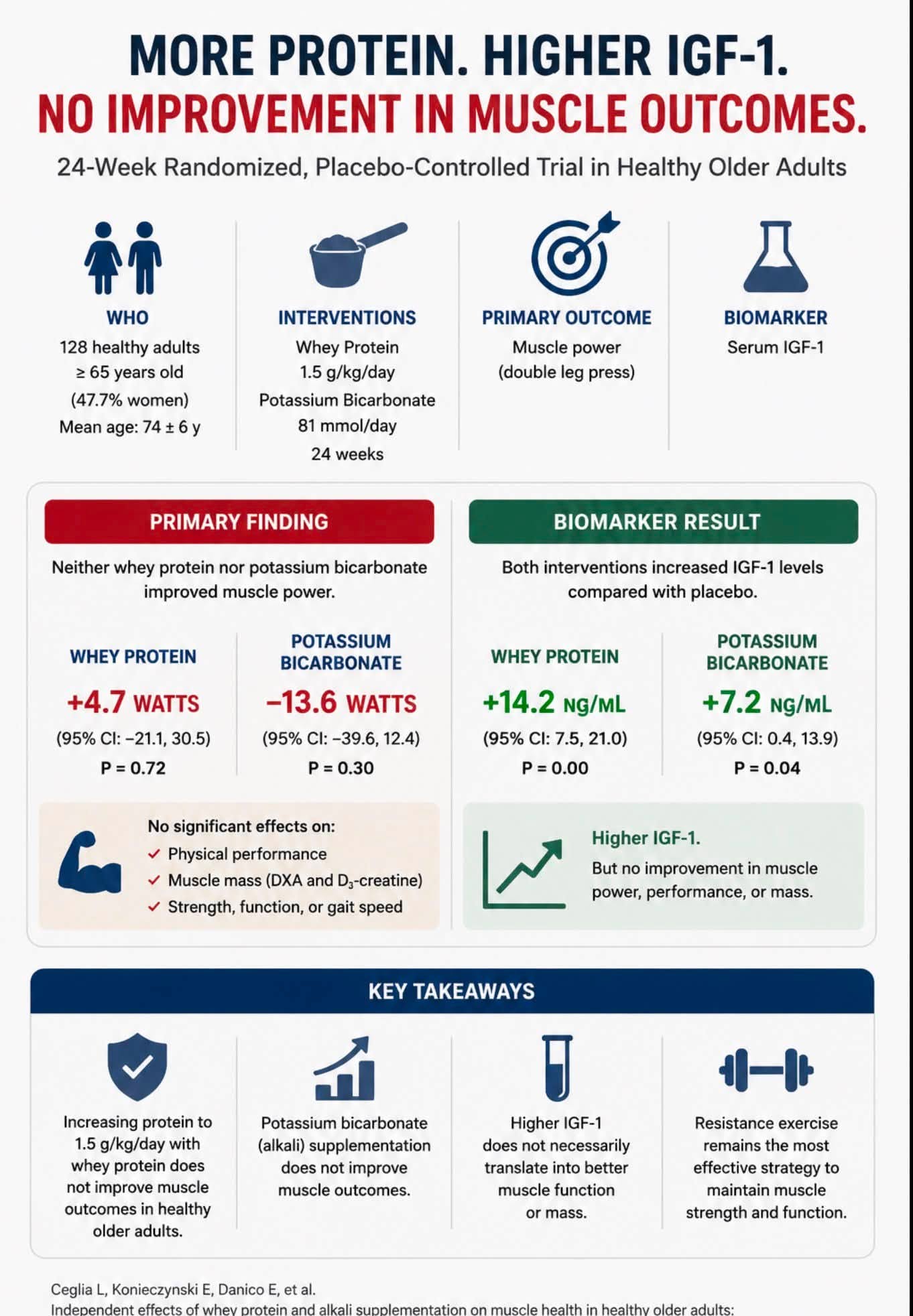
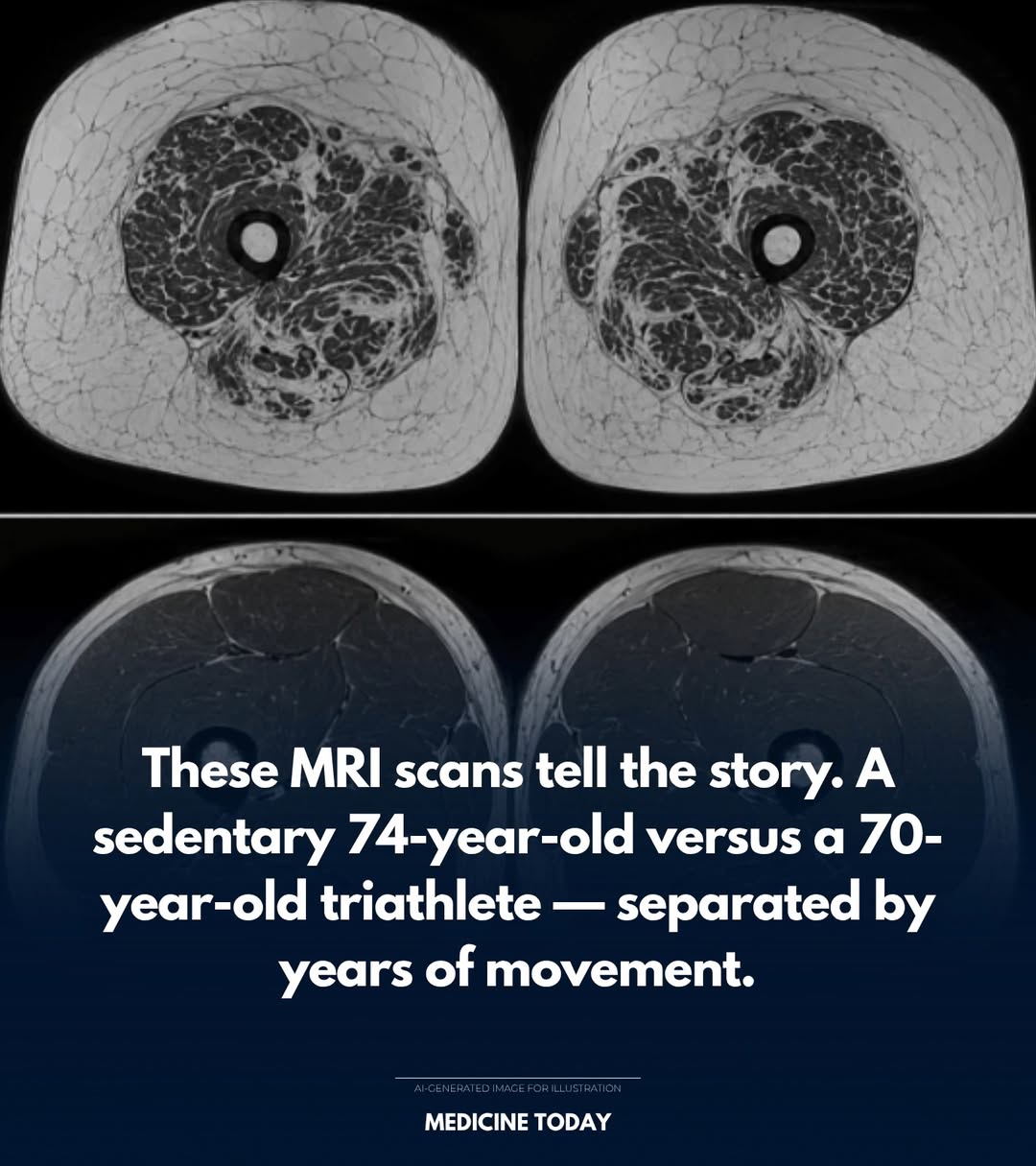
1. Loss of Muscle Mass (Sarcopenia): Proteolysis is essential for removing damaged proteins in muscle cells. With reduced proteolytic activity, these proteins accumulate, leading to muscle loss and weakness.
Paper · Skeletal Muscle · 2016The beneficial role of proteolysis in skeletal muscle growth and stress adaptationskeletalmusclejournal.biomedcentral.com Paper · J Physiol Sci · 2020The ubiquitin-proteasome system in regulation of the skeletal muscle homeostasis and atrophy: from basic science to disorders.Skeletal muscle is one of the most abundant and highly plastic tissues. The ubiquitin-proteasome system (UPS) is recognised as a major intracellular protein degradation system, and its function is important for muscle homeostasis and health. Although UPS plays an essential role in protein degradation during muscle atrophy, leading to the loss of muscle mass and strength, its deficit negatively impacts muscle…jps.biomedcentral.com2. Protein Aggregation in Neurodegenerative Diseases: Diseases like Alzheimer's are characterized by the accumulation of misfolded proteins in the brain. Proteolytic enzymes typically degrade these misfolded proteins. A decrease in proteolytic activity can lead to their accumulation, forming plaques common in various neurodegenerative diseases.
Paper · Protein Pept Lett · 2023An Insight into the Protein Aggregation in Alzheimer's Disease and its Inhibition.Alzheimer's disease, a neurodegenerative disease, is a progressive and irreversible disease that has become a global challenge due to its increasing prevalence and absence of available potential therapies. Protein misfolding and aggregation are known to be the root of several protein neurodegenerative diseases, including Alzheimer's disease. Protein aggregation is a phenomenon where misfolded proteins accumulate and…pubmed.ncbi.nlm.nih.gov Paper · Nat Neurosci · 2018Protein misfolding, aggregation, and conformational strains in neurodegenerative diseasesnature.com3. Impaired Cellular Function: Proteolytic activity is essential for maintaining cellular balance by degrading damaged or obsolete proteins. A reduction in this activity with age can result in an accumulation of damaged proteins within cells, impairing cellular function and contributing to aging and age-related diseases.
Paper · Nat Commun · 2014The role of protein clearance mechanisms in organismal ageing and age-related diseasesnature.com Paper · Nat Rev Mol Cell Biol · 2019The proteostasis network and its decline in ageingnature.com4. Atherosclerosis (Plaque in Arteries): Proteolytic enzymes are involved in the progression and stability of atherosclerotic plaques. They are essential for the degradation of the extracellular matrix in arterial walls. Impaired or unbalanced proteolytic activity can contribute to plaque development. Additionally, a decrease in certain proteolytic activities can cause arterial wall thickening and reduced elasticity, worsening atherosclerosis.
atherosclerosis-journal.comLink to atherosclerosis-journal.comatherosclerosis-journal.com ncbi.nlm.nih.govLink to ncbi.nlm.nih.govncbi.nlm.nih.gov