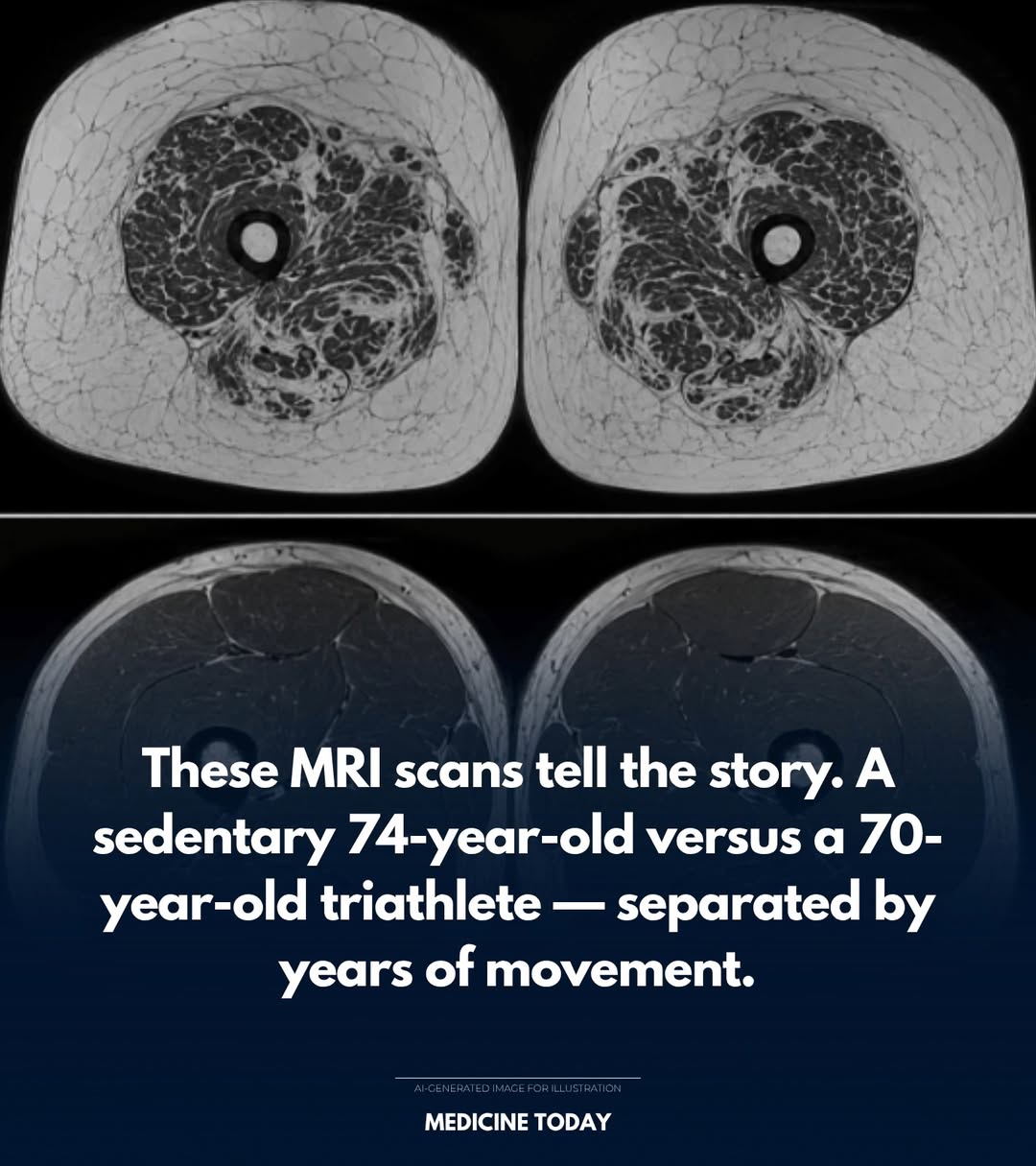
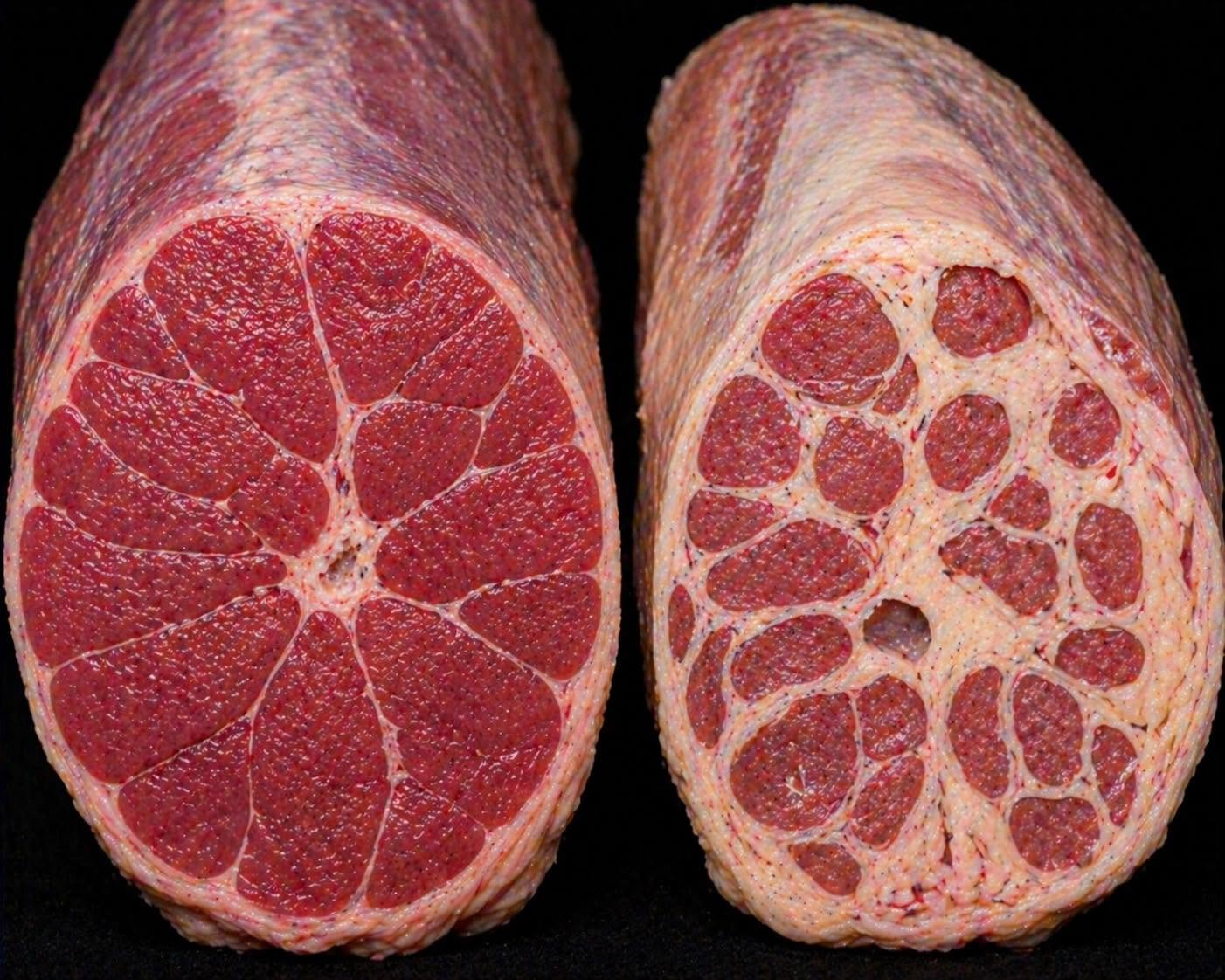
Muscle density of athletes in their 70’s and 80’s is remarkably similar to athletes in their 40’s.
“Body fat showed a modest increase over time, but lean muscle mass and strength held steady in those who remained consistently active. The research suggests that the human body is capable of maintaining its structural integrity well into the eighth decade of life — as long as it continues to be challenged.”
Link to full study:
linsladephysiotherapy.co.ukLink to linsladephysiotherapy.co.uklinsladephysiotherapy.co.uk
#sarcopeniaHD #muscleHD #elderlyHD #exerciseHD
The myth of inevitable decline:
For decades, the loss of muscle mass with age was treated as a biological given. Research suggests that sedentary adults may lose up to eight percent of their muscle every decade after 40. But a closer look at people who never stopped moving tells a different story.
Researchers at the University of Pittsburgh used MRI scans to examine the leg muscles of 40 high-level recreational athletes between the ages of 40 and 81. All participants trained four to five times per week. What the scans revealed challenged the standard narrative entirely. Muscle density in athletes in their 70s and 80s was remarkably similar to that of athletes in their 40s. The decline so commonly associated with aging appeared to be far more a product of inactivity than of age itself.
The study framed its key question directly: are the muscle changes seen in older adults a feature of true biological aging, or simply the result of disuse atrophy? The evidence pointed firmly toward the latter. Body fat showed a modest increase over time, but lean muscle mass and strength held steady in those who remained consistently active. The research suggests that the human body is capable of maintaining its structural integrity well into the eighth decade of life — as long as it continues to be challenged.
Images are generated by AI and for demonstration purposes only.
Source: Wroblewski, A. P., Amati, F., Smiley, M. A., Goodpaster, B., & Wright, V. (2011). Chronic exercise preserves lean muscle mass in masters athletes. The Physician and Sportsmedicine, 39(3), 172–178.
#musclehealth #aging #sarcopenia #mastersathletes #exercisescience #fblifestyle