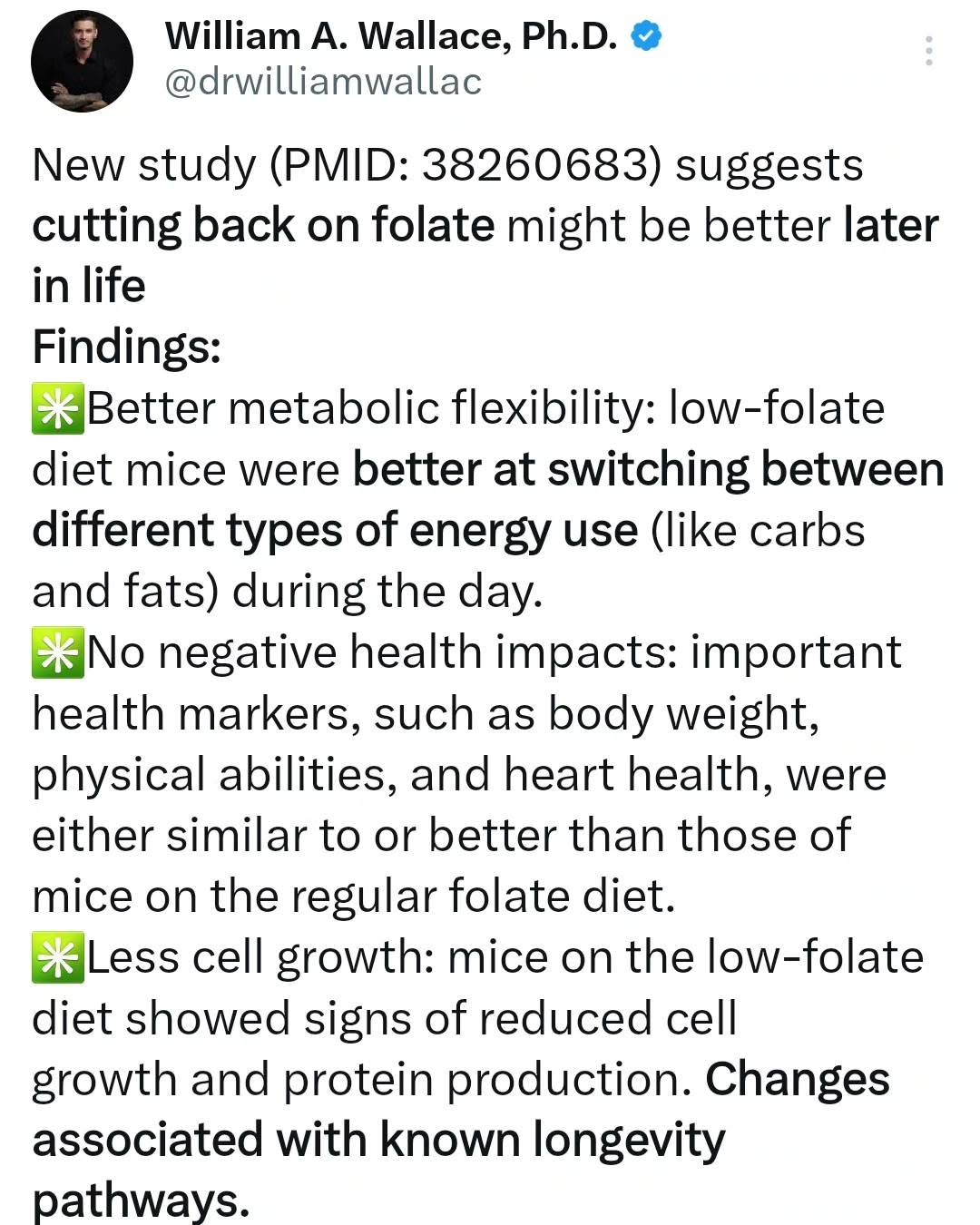
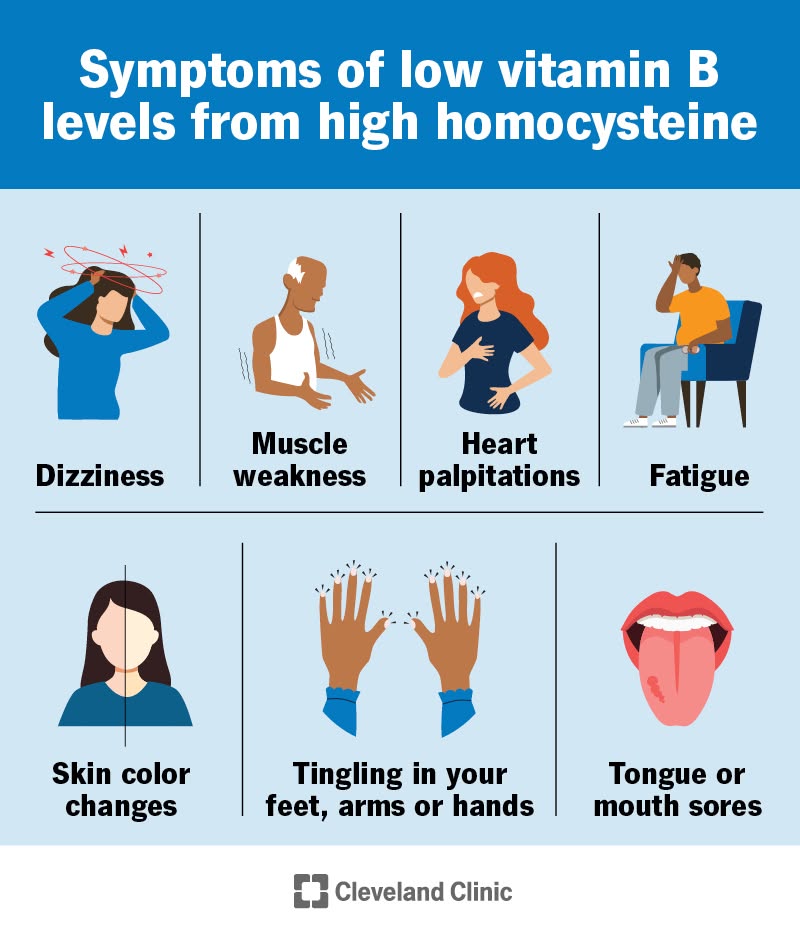
A recently published meta-analysis of 45 randomized trials in a total of 96,962 people shows folic acid supplementation reduces the risk of stroke by 15%:
Paper · BMC Nutr · 2025Efficacy of folic acid supplementation in the prevention of cardiovascular disease - a systematic review and meta-analysis of randomized controlled trials.BACKGROUND: Cardiovascular disease (CVD) remains the leading global cause of death, with a growing interest in modifiable risk factors such as homocysteine. Elevated homocysteine contributes to atherosclerosis through endothelial dysfunction and oxidative stress. Folic acid, a key cofactor in homocysteine metabolism, has been proposed as a preventive strategy. However, recent studies have provided conflicting…pmc.ncbi.nlm.nih.govThe same meta-analysis also showed an overall CVD risk reduction of 5%.
My note:
It seems likely that other forms of folate would show this same benefit, but we don’t have randomized trials that prove it.
Quoted:
“Our search yielded a preliminary list of 25,881 articles, with 45 studies that includes 96,962 participants meeting the inclusion criteria. These studies evaluated the effectiveness of folic acid supplementation in preventing cardiovascular disease and related events. The meta-analysis showed that folic acid supplementation reduced the risk of stroke (RR = 0.85, 95% CI: 0.76–0.96, p < 0.01) and modest reduction on overall CVD (RR = 0.95, 95% CI: 0.90–0.99, p = 0.04). No significant effects were found for mortality (RR = 0.98, 95% CI: 0.93–1.02), CHD (RR = 0.98, 95% CI: 0.91–1.06), PAD (RR = 0.94, 95% CI: 0.75–1.17), HDL (MD = 0.31, 95% CI: -0.04–0.65), or LDL (MD = -1.59, 95% CI: -8.82–5.64).”
“These findings reveal the capability of folic acid supplementation in reducing the risk of stroke and cardiovascular disease. However, no benefit was found for other cardiovascular endpoints. These findings support folic acid’s targeted use in primary prevention strategies, but further research is needed to refine patient selection and clarify its role in broader cardiovascular risk management.”