Link to the full study mentioned in the post:
Paper · Nat Med · 2025Health effects associated with consumption of processed meat, sugar-sweetened beverages and trans fatty acids: a Burden of Proof studynature.com
Processed meat is defined as any kind of animal flesh that is chemically transformed by salting, curing, smoking, or fermenting. It is the carcinogenic compounds created during the chemical transformation (e.g. nitrosamines) that cause harm.
This includes the processed meats labeled “natural” or “uncured”, which use celery powder or sea salt to accomplish the chemical transformation:
facebook.com/share/v/18WVRsjoyP
↪ 'Uncured' and 'nitrate-free' processed meats can carry as many or more nitrosamines
As long as the animal flesh is not chemically transformed, it is not considered “processed meat” by this definition.
In large epidemiological studies, these processed meats have the worst hazard ratios of any food category that you can possibly eat, with the only exception being trans fats. They raise mortality more than any other food:
facebook.com/share/v/18NzYS1pLQ
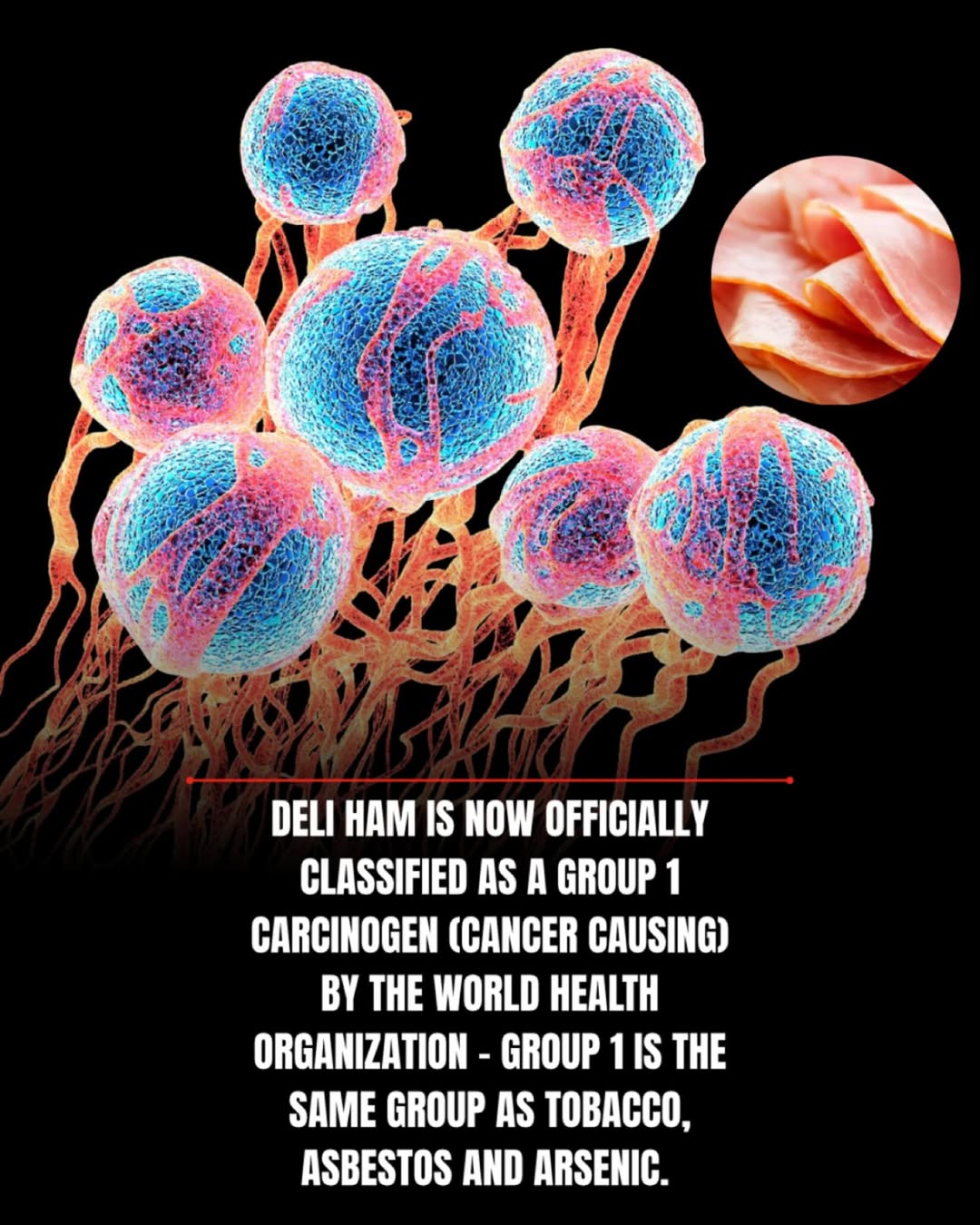
The WHO has repeatedly warned that they directly cause colon cancer. They classify processed meat as a group 1 carcinogen, in the same category as asbestos, smoking, and ionizing radiation:
 The Nutrition Source - Harvard Chan SchoolWHO report says eating processed meat is carcinogenic: Understanding the findings • The Nutrition SourceLast week the World Health Organization (WHO)’s International Agency for Research on Cancer (IARC) announced that consumption of processed meat isnutritionsource.hsph.harvard.edu
#processedmeatHD
A major review published in Nature Medicine, led by researchers at the University of Washington’s Institute for Health Metrics and Evaluation, analyzed data from over 70 large-scale studies involving millions of participants worldwide.
The findings indicate that processed meats—such as bacon, sausages, hot dogs, deli slices, and ham—show a clear dose-response relationship with increased health risks, with no identifiable threshold below which consumption appears safe.
Risks rise monotonically, meaning even minimal regular intake correlates with harm. Consuming the equivalent of just one hot dog per day (around 50 grams) was associated with an 11% higher risk of type 2 diabetes and a 7% elevated risk of colorectal cancer compared to zero intake.
These associations held after adjusting for confounders, though the evidence strength was rated as weak to moderate due to reliance on observational data and self-reported diets. The review also examined sugar-sweetened beverages and trans fats, but processed meat emerged with the most concerning profile for diabetes and colorectal cancer.
Mechanisms likely involve nitrates, nitrites, heme iron, and compounds formed during curing or smoking that promote inflammation, oxidative stress, and DNA damage in the gut. Prior classifications by the World Health Organization already label processed meat a Group 1 carcinogen, akin to tobacco in terms of evidence certainty, though individual risk remains modest and compounds with other lifestyle factors.
Experts emphasize that while absolute risks for light consumers stay relatively low, the absence of a safe level suggests minimizing or eliminating processed meat from habitual diets in favor of whole foods like vegetables, legumes, fish, or poultry. Further randomized trials could strengthen causal inferences, but current evidence supports precautionary reduction for long-term health.