There are some physicians who give people the impression that lowering blood levels of LDL to 0 will make risk for heart attack and stroke disappear.
This is definitely not true.
What is true is that risk continues to drop as LDL is pushed lower and lower.
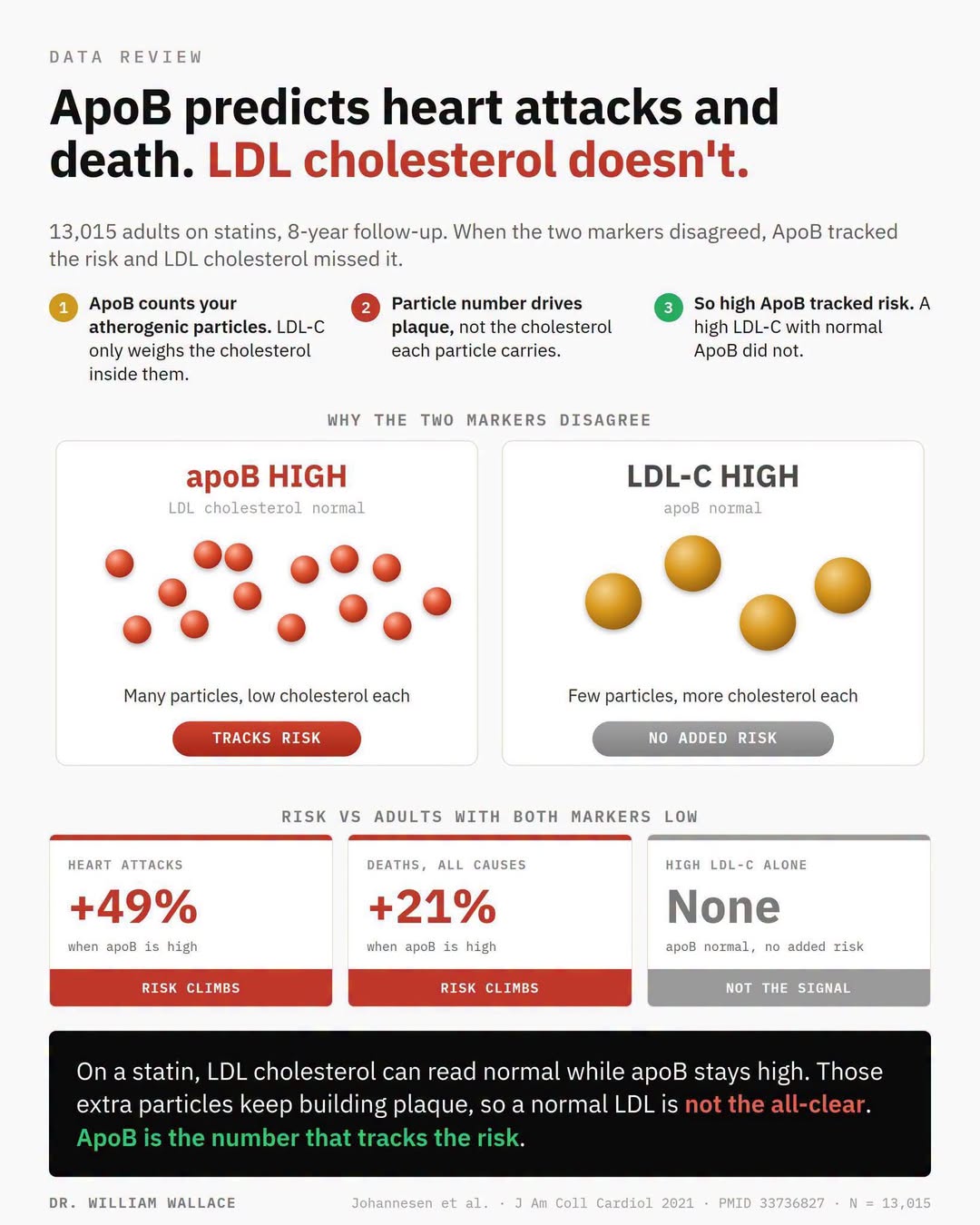
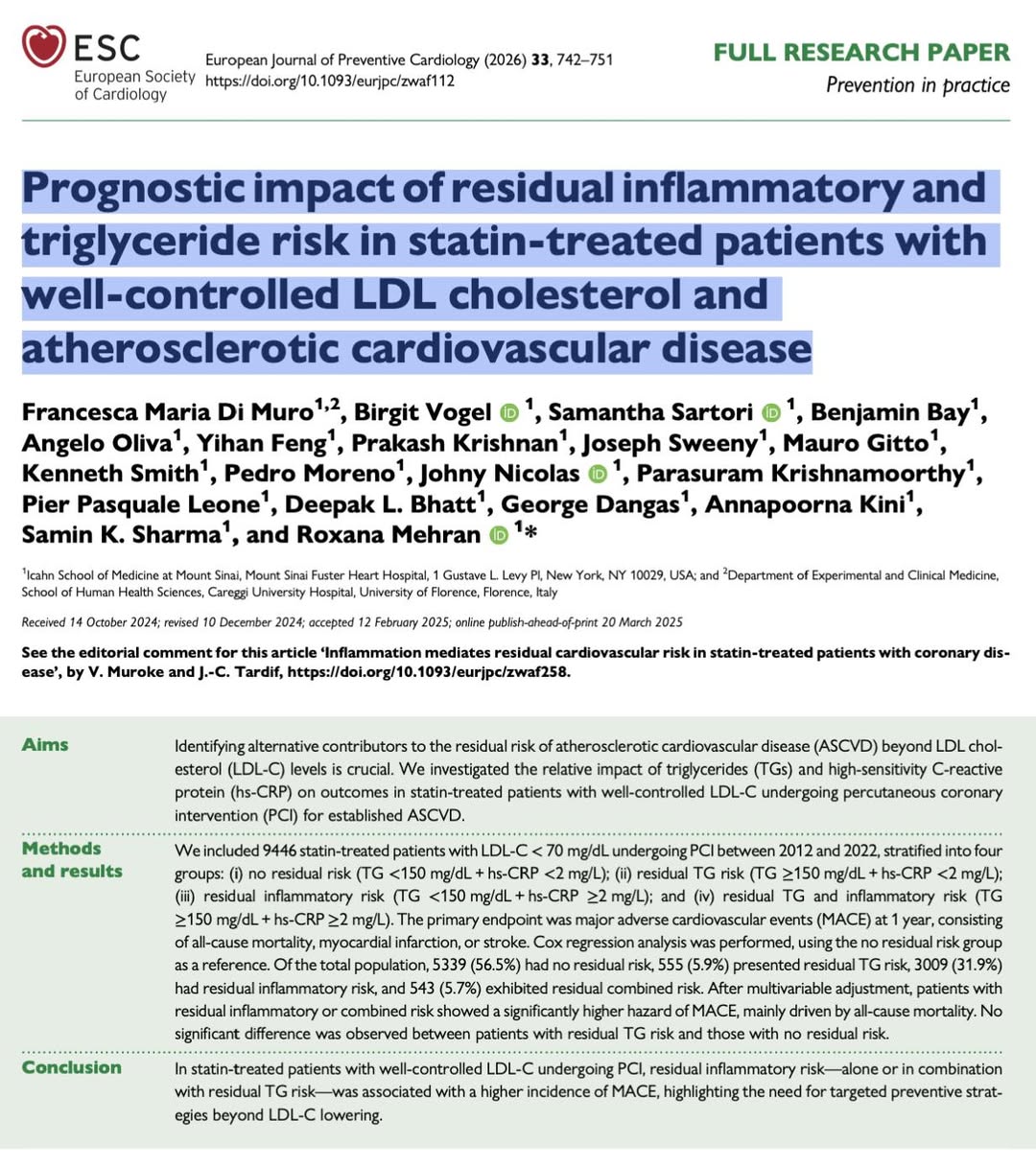
But in every randomized trial that has been run so far, there is still substantial “residual risk” left over, no matter how low you push LDL.
This left-over residual risk is a big problem. Billions of dollars in research money are being spent on finding ways to address it.
In the meantime, we already have powerful ways to address residual risk, like diet and exercise. It’s a tragedy that physicians do not always explain this properly to patients. This leaves their residual risk unaddressed.
Even if an LDL blood level of 0 does completely halt progression of any new disease (a big if), there are still existing plaques from old disease that can rupture at any time. This is a major contributor to residual risk. Diet and exercise can help to address it.
There is also the lingering question of the long term safety of pushing blood levels of LDL all the way to zero. In addition to the LDL itself, the drugs have side effects, especially in the high doses required to force LDL to 0. Clinical trials so far have not shown a significant safety issue from very low blood levels of LDL in patients at high risk for CVD, which is very encouraging. But these trials have been limited to timeframes of about 5 years.
It’s going to take a lot more than just lowering LDL to 0 to truly cure heart disease.
The field has been focused on LDL for a long time, because it works and because it’s an easy target for drugs. But it only gets you so far before you eventually hit a wall. That’s why the smart money in cardiology is now betting on new therapies to address residual risk.