Beyond the Scale: The True Measure of Metabolic Health Lies Within
In our relentless quest for health, we often become fixated on a single, misleading number: our weight. We step on the bathroom scale day after day, allowing its verdict to dictate our mood and measure our progress. But what if that scale is telling only a fraction of the story? True, lasting vitality lies deeper, in a concept far more crucial than weight alone—metabolic health.
This isn't just another wellness buzzword; it's the fundamental measure of how well your body processes energy. At its core, metabolic health means having excellent insulin sensitivity and stable blood sugar control, a state of physiological harmony that protects you from a cascade of chronic diseases. Its opposite, metabolic syndrome, is a silent epidemic, a cluster of conditions that paves the way for the great killers of our time: cardiovascular disease, type 2 diabetes, fatty liver disease, and even certain cancers.
The good news is that you don't need complex, expensive medical scans to get a clear picture of your metabolic status. You can gain profound insights by understanding a few simple, accessible markers that act as windows into your body's inner workings. By tracking your waist-to-height ratio, your triglyceride-to-HDL ratio, and understanding the role of a crucial hormone called adiponectin, you can take charge of your well-being. This guide will demystify these key indicators, explore the science behind them, and provide a clear roadmap to restoring and optimizing your metabolic health for a longer, healthier, and more vibrant life.
The Hidden Threat: Understanding Metabolic Syndrome
Before we can measure metabolic health, we must first understand its nemesis: metabolic syndrome. This isn't a single disease, but a dangerous cluster of five conditions. Having at least three of these officially qualifies you for a diagnosis, signaling that your body's energy-processing systems are under significant strain.
The five key risk factors are:
- High Blood Pressure (Hypertension): Consistently measuring at or above 130/85 mmHg.
- High Blood Sugar (Hyperglycemia): A fasting glucose level of 100 mg/dL or higher.
- Low "Good" Cholesterol (HDL): A level below 40 mg/dL for men and below 50 mg/dL for women.
- High Triglycerides: A fasting level of 150 mg/dL or higher.
- Large Waistline (Abdominal Obesity): A waist circumference over 40 inches (102 cm) for men and over 35 inches (88 cm) for women.
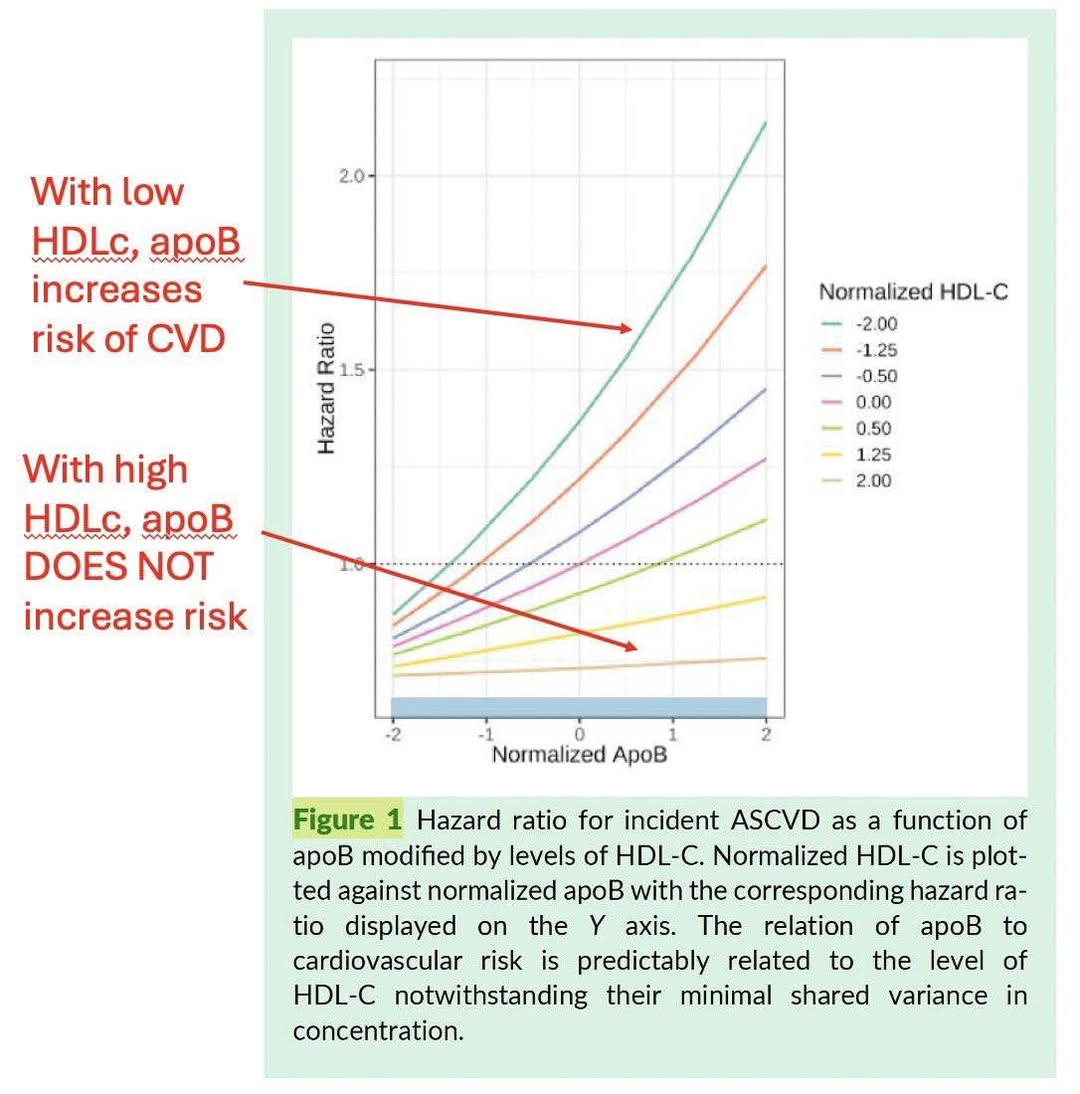
Metabolic syndrome is a powerful risk factor for atherosclerotic cardiovascular disease (CVD). It is a primary contributor to what cardiologists call "residual risk"—the persistent danger of a heart attack or stroke that remains even after a patient's "bad" LDL cholesterol has been lowered to rock-bottom levels with powerful medications like statins. This highlights a critical truth: LDL cholesterol, while important, is only one piece of a much larger puzzle. To achieve comprehensive heart protection, addressing the root causes of metabolic syndrome is non-negotiable.
The Root Cause: Insulin Resistance and the Danger of Visceral Fat
What common thread ties these five disparate conditions together? In the vast majority of cases, the answer is a single physiological dysfunction: insulin resistance (IR), driven by an accumulation of a specific, insidious type of body fat known as visceral fat.
To understand insulin resistance, think of the hormone insulin as a key. After you eat carbohydrates, they are broken down into glucose, causing your blood sugar to rise. In response, your pancreas releases the insulin "key." This key travels through the bloodstream to your cells (especially in your muscles and liver) and is meant to unlock them, allowing glucose to enter and be used for energy.
In a state of insulin resistance, the locks on your cells become rusty and stubborn. The insulin key no longer fits or turns properly. Faced with this resistance, your pancreas works overtime, trying to compensate by pumping out more and more insulin to force the doors open. For a while, this brute-force approach works, but eventually, the pancreas can't keep up. Glucose gets stuck in the bloodstream, leading to high blood sugar. Meanwhile, the chronically high levels of insulin (a condition called hyperinsulinemia) wreak havoc elsewhere, contributing directly to high blood pressure, abnormal cholesterol, and further fat storage.
The primary driver of this "rusty lock" syndrome is visceral fat. It's crucial to differentiate this from the fat you can pinch on your hips or arms, which is called subcutaneous fat. Visceral fat is the metabolically active, inflammatory fat that wraps itself around your internal organs—the liver, pancreas, and intestines—deep beneath your abdominal muscles. This is not passive, stored energy; it's an active endocrine organ that secretes inflammatory signals (cytokines) and disrupts normal hormonal function, directly causing insulin resistance throughout the body.
Ground Zero: How Liver Fat Sparks the Metabolic Fire
Groundbreaking research from Yale University, led by experts like Dr. Gerald Shulman and Dr. Kitt Petersen, has pinpointed the very first stop on the road to systemic insulin resistance: the accumulation of fat in the liver. Their work has shown that even in lean, young, and seemingly healthy individuals, the buildup of small amounts of liver fat—far below the threshold for a formal diagnosis of "fatty liver disease"—is sufficient to trigger insulin resistance.
One pivotal study found that a liver fat content above just 1.85% was strongly associated with insulin resistance and increased cardiometabolic risk. This means you don't have to be obese to be metabolically unhealthy. A person can have a normal weight but carry a dangerous amount of fat inside their liver, setting the stage for disease.
This is why significant weight loss can be so effective at reversing type 2 diabetes. The very first place the body pulls fat from during caloric restriction is the liver. As Dr. Petersen has powerfully stated, after patients lost weight and cleared the fat from their liver, “The day they didn’t have any more liver fat, their blood sugars were normal, they were not insulin resistant, and their diabetes was gone.” The liver, therefore, is the central battleground for metabolic health.
Your Metabolic Health Toolkit: Three Simple Yet Powerful Markers
Now that we understand the enemy—visceral fat, liver fat, and insulin resistance—let's explore the simple tools you can use to assess your own metabolic health without needing a high-tech lab.
1. Waist-to-Height Ratio (WtHR): A Window into Visceral Fat
For decades, the Body Mass Index (BMI) has been the standard for assessing healthy weight. However, BMI can be notoriously misleading because it doesn't differentiate between heavy muscle mass and dangerous fat, nor does it tell you where that fat is located. A bodybuilder and a sedentary person of the same height and weight can have the identical BMI but wildly different health profiles.
The Waist-to-Height Ratio (WtHR) is a far superior metric for assessing metabolic risk because it specifically hones in on central adiposity—the belly fat that serves as an excellent proxy for dangerous visceral fat.
- How to Measure: Use a flexible tape measure. Find the midpoint between your lowest rib and the top of your hip bone (this is usually right around your belly button). Breathe out normally, without sucking in, and measure your waist circumference. Then, simply divide that number by your height, ensuring both measurements are in the same units (either inches or centimeters).
WtHR=Height / Waist Circumference
- What It Means: The golden rule is simple and universal: keep your waist less than half your height.
- WtHR < 0.5: Healthy / Low Risk
- WtHR 0.5 - 0.59: Overweight / Increased Risk
- WtHR ≥ 0.6: Obese / High Risk
If your ratio is creeping above 0.5, it’s a clear, powerful signal that you likely have an excess of visceral fat and should take immediate action to protect your long-term health.
2. Triglyceride/HDL Ratio (TG/HDL): The Blood's Story of Insulin Resistance
##
Your standard lipid panel, a routine blood test, contains a treasure trove of information about your metabolic health. The single most insightful marker within it is the ratio of your triglycerides (TG) to your high-density lipoprotein (HDL) cholesterol.
- What are TG and HDL?
- Triglycerides are a type of fat (lipid) found in your blood. When you eat, your body converts any calories it doesn't need to use right away into triglycerides, which are then stored in your fat cells to be used for energy later.
- HDL is often called "good" cholesterol because it acts like a garbage truck, scavenging excess cholesterol from your arteries and transporting it back to the liver for processing and disposal.
- Why the Ratio Matters: A high TG/HDL ratio is one of the most reliable and accessible indicators of insulin resistance. Here's why: When your liver becomes fatty and insulin resistant, it goes into manufacturing overdrive. It begins pumping out large, triglyceride-rich particles called VLDL (Very Low-Density Lipoprotein). This directly raises your blood triglyceride levels. At the same time, the metabolic chaos of insulin resistance causes HDL particles to be broken down and cleared from the blood more quickly, thus lowering your HDL level. The result is a perfect storm: high triglycerides and low HDL, which the ratio captures perfectly.
- How to Calculate: Simply divide your triglyceride number by your HDL number. For this calculation to be valid, both values must be in mg/dL.
Ratio=HDL Level / Triglyceride Level
- What It Means:
- < 2.0: Ideal (signifies good insulin sensitivity)
- 2.0 - 4.0: Borderline / Developing Insulin Resistance
- > 4.0: High Risk (signifies significant insulin resistance)
This simple ratio serves as an excellent proxy for both insulin resistance and the presence of small, dense LDL particles—a particularly atherogenic (plaque-forming) type of cholesterol.
3. Adiponectin: The Unsung Hero Hormone
While the first two markers can be calculated at home or from a standard blood test, our third marker, adiponectin, requires a specific blood test but is crucial for understanding the nuances of metabolic health.
Adiponectin is a beneficial hormone secreted almost exclusively by your fat cells (adipocytes). Think of it as the "voice" of healthy fat tissue. Its primary jobs are to increase insulin sensitivity in your muscles and liver, reduce inflammation in your arteries, and protect against the buildup of plaque.
- The Adiponectin Paradox: Here’s the fascinating twist. You would think that having more fat cells would mean you produce more adiponectin, but the opposite is true. As visceral fat accumulates and individual fat cells become enlarged and dysfunctional, they dramatically reduce their production of adiponectin. Subcutaneous fat, on the other hand, tends to be a healthier secretor of this protective hormone. Low levels of adiponectin are a clear red flag for metabolic dysfunction.
- The Sumo Wrestler Enigma: This paradox helps explain a long-standing medical curiosity: why sumo wrestlers, despite being morbidly obese by any standard, often have excellent metabolic health and low rates of type 2 diabetes during their competitive careers. Studies reveal they have remarkably high levels of adiponectin. This is because their immense and rigorous training regimen ensures that the vast majority of their fat is subcutaneous, not visceral. This healthier fat tissue continues to pump out protective adiponectin, shielding them from the metabolic consequences of their high body weight.
The single most effective way to raise your adiponectin levels is through rigorous and consistent exercise.
The Path to Metabolic Restoration: A Practical Guide
Understanding your numbers is the first step. The next, more critical step is taking action. The beauty of metabolic health is that it is incredibly responsive to lifestyle changes. The primary goal is singular and clear: reduce visceral fat, especially the fat in your liver.
Dietary Strategy 1: Eliminate the "White Devils"
As Harvard professor and renowned nutritionist Dr. Walter Willett has emphasized for decades, some of the biggest culprits behind our modern metabolic disease epidemic are refined carbohydrates. In the United States, an astonishing 40% of daily calories come from just three sources: refined starch, refined sugar, and white potatoes.
These foods are metabolically toxic because they are digested almost instantly, causing a massive spike in blood sugar and a corresponding tidal wave of insulin. This constant insulin bombardment directly promotes fat storage in the liver, driving insulin resistance at its source.
- Refined Starch: White bread, white rice, pasta, crackers, most breakfast cereals.
- Refined Sugar: Soda, fruit juice, candy, baked goods, sweetened yogurts, and countless processed foods.
- White Potatoes: The Harvard School of Public Health has long argued that due to their high glycemic index (how quickly they raise blood sugar), white potatoes should be classified alongside refined grains, not vegetables. Studies have consistently linked high potato consumption (especially fried) to weight gain and an increased risk of type 2 diabetes.
The Fix: The solution is not to eliminate all carbohydrates but to swap these metabolically damaging sources for whole, unprocessed alternatives. Replace a slice of bread with a handful of nuts, white rice with quinoa or brown rice, and sugary drinks with water, herbal tea, or black coffee.
Dietary Strategy 2: Embrace a "Green" Mediterranean Diet
One of the most powerful, evidence-based dietary interventions for reversing liver fat is a modified Mediterranean diet. A landmark 18-month randomized controlled trial published in the journal Gut demonstrated that a "green" Mediterranean diet was exceptionally effective at targeting the root cause of metabolic syndrome.
This diet is built on the foundation of a traditional Mediterranean diet—rich in vegetables, fruits, nuts, seeds, olive oil, and fish—but with a few key enhancements:
- More Green Polyphenols: Daily consumption of 3-4 cups of green tea and a shake made with Mankai (a nutrient-rich aquatic plant).
- Walnuts: A daily portion of walnuts (28 grams).
- Strict Restriction: Avoidance of red and processed meat.
The results of the study were stunning. While a standard healthy diet reduced liver fat by 12% and a traditional Mediterranean diet by 20%, the green Mediterranean group reduced their liver fat by an average of 39%. This demonstrates the profound power of a plant-rich, polyphenol-forward diet to directly target and reverse the central driver of insulin resistance.
The Power of Movement
Exercise works in perfect synergy with diet to restore metabolic health. Its benefits are threefold:
- It Burns Visceral Fat: High-intensity interval training (HIIT) and resistance training are particularly effective at targeting and reducing dangerous visceral fat stores.
- It Improves Muscle Insulin Sensitivity: When you exercise, your muscles can take up glucose from the blood without needing much, if any, insulin. This process, known as non-insulin-mediated glucose uptake, gives your overworked pancreas a much-needed break and helps lower your overall insulin levels.
- It Boosts Adiponectin: As mentioned, rigorous exercise is the best-known way to increase your body's production of this protective, insulin-sensitizing hormone.
Conclusion: You Are in Control
Metabolic health is the true foundation of longevity and vitality, and it is far more nuanced than the number blinking back at you from a scale. By moving beyond outdated and often misleading metrics like BMI and embracing more insightful markers like the waist-to-height ratio, the TG/HDL ratio, and understanding your adiponectin levels, you can get an accurate, actionable assessment of your inner health.
These simple tests reveal the profound impact of visceral fat, particularly in the liver, as the central driver of insulin resistance and metabolic syndrome. While this may sound daunting, the solution is empoweringly straightforward. A focused strategy of eliminating refined sugars, starches, and white potatoes, adopting a plant-rich Mediterranean-style diet, and engaging in consistent, challenging exercise can dramatically reduce visceral fat, restore insulin sensitivity, and reverse the course of metabolic disease.
Your health is not a predetermined fate. It is a dynamic process that you have the power to influence with every choice you make, every meal you eat, and every step you take.
References & further details: ↪ Triglycerides and TG/HDL as markers of insulin resistance and visceral fat
#insulinresistanceHD #tghdlratioHD #hdlHD #triglyceridesHD #ldlHD