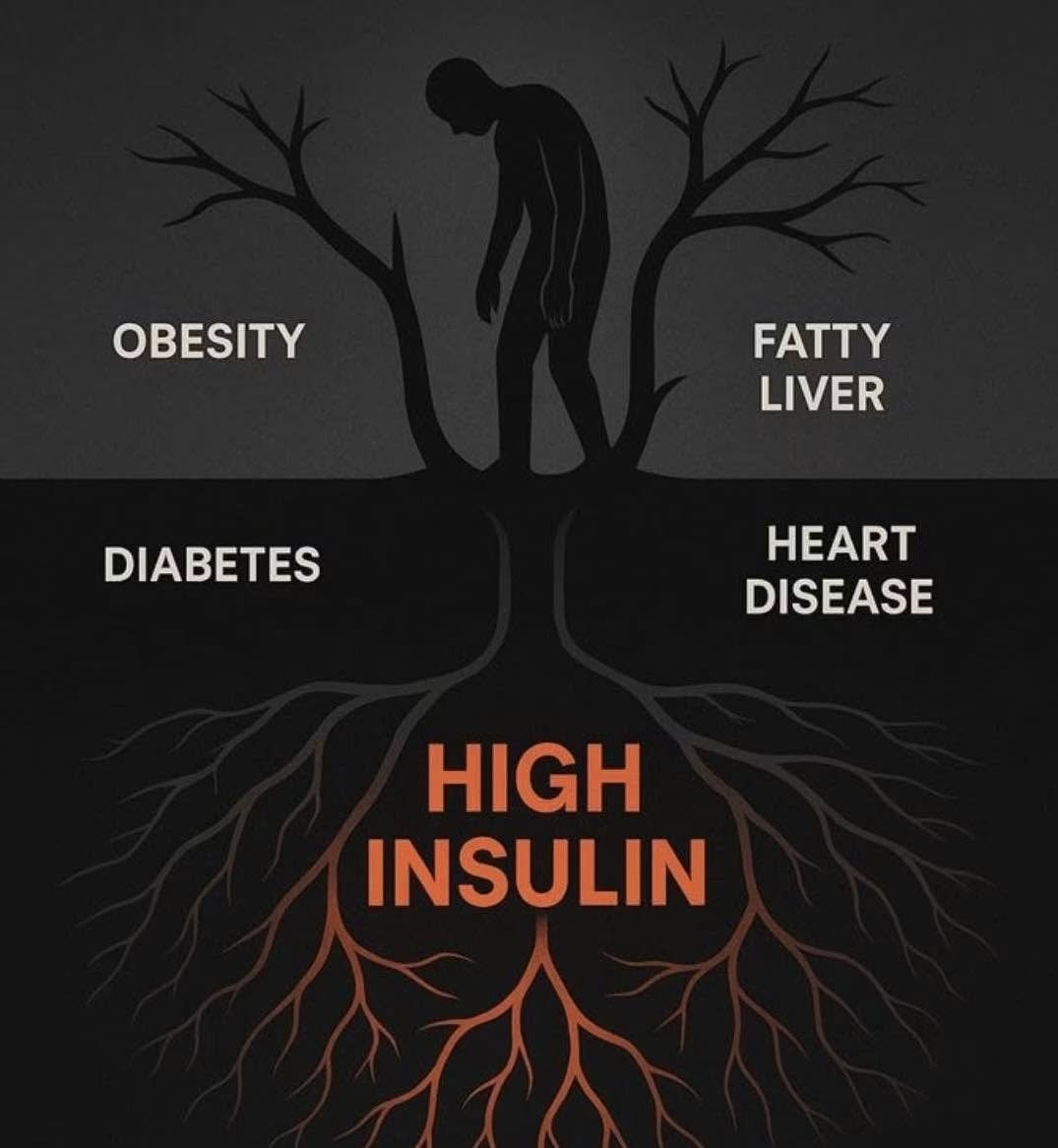
People who are obese, but otherwise metabolically healthy, are still at considerably higher risk for CVD.
#obesityHD #weightlossHD #cvdHD
"Metabolically Healthy Obesity" Still Raises Heart Risk by 39% – So Is "Health at Every Size" Honest About the Heart?"
Numbers first: Over 20 years, so‑called metabolically healthy obesity (MHO) carried a 🫀 39% higher cardiovascular risk 💔 vs metabolically healthy, normal‑weight peers (HR 1.39, 95% CI 1.06–3.42).
Metabolically unhealthy obesity fared worse with an 85% higher risk (HR 1.85, 95% CI 1.02–3.58). Crude CVD incidence: 21.3% in MHWO vs 37.1% in MHO and 61.1% in MUO.
The data stems from a 20‑year prospective cohort, involving 3042 adults in Greece (ATTICA Study) - 3 follow‑ups, Cox models adjusted for age, sex, smoking, Mediterranean diet, LDL‑C, CRP, SBP, HOMA‑IR.
The authors conclude that "individuals with obesity exhibit higher CVD risk ... regardless of metabolic health status." That does not mean shaming bodies; it means being honest about biology. Weight‑neutral support, stigma‑free care, and acknowledging that extra adiposity is not cardiologically neutral can coexist. "Healthy at every size" is a nice slogan; the left ventricle, unfortunately, did not sign off on it.
SuppVersity | Filippatos, T.D., Katrapas, P., Tsiampalis, T. et al. Metabolically healthy obesity is independently associated with 20-year incidence of cardiovascular disease: findings from the ATTICA cohort study (2002–2022). Int J Obes (2026). DOI: 10.1038/s41366-026-02056-9