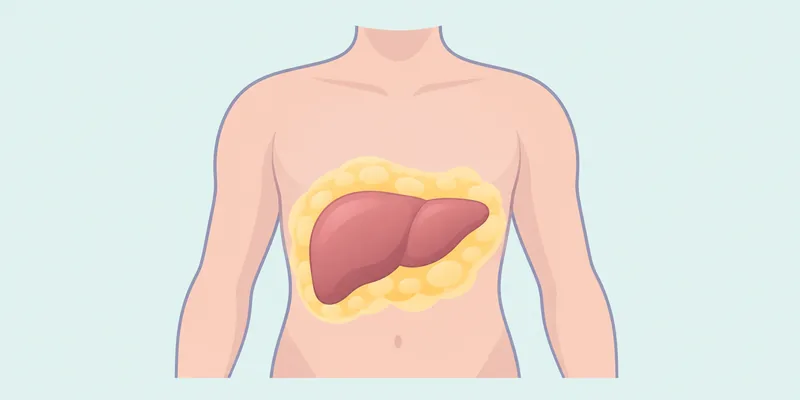
Losing excess body fat is one of the most effective things a person with or at risk of heart disease can do, and the group's admins argue it is the single most important modifiable risk factor. Gokhan Can describes being overweight or obese as the most important modifiable cardiovascular risk factor, and Louis Nervegna calls BMI the biggest modifiable risk factor for chronic disease after smoking and heavy drinking.12 The reason is not just the number on the scale: it is where the fat sits, particularly the visceral fat packed around the organs and the fat that accumulates inside the liver and pancreas.
The practical answer to "what works" in the group's discussions is fairly consistent. Almost any dietary pattern that you can stick to and that produces a large enough calorie deficit works, because calories and total fat loss drive the benefit. Exercise, particularly resistance training, protects muscle and improves where fat is stored. Newer GLP-1 drugs such as semaglutide and tirzepatide, and bariatric surgery, produce the largest and most durable losses for people who struggle. The hard part is maintenance, and several posts are candid that obesity is strongly shaped by genetics and biology, not only by willpower.34
Why weight, and especially visceral fat, matters
Weight, BMI and mortality
Gokhan summarizes large cohort meta-analyses showing a J-shaped relationship between body mass index (BMI, weight divided by height squared) and all-cause mortality, with the lowest risk around a BMI of 20-24 kg/m2 and a sharp rise past 25 and especially past 30.14 An American Heart Association statement shared in the group describes BMI as a screening tool: if height and weight put you at moderate or high risk, losing weight and keeping it off can help, and small steps such as moving more and sitting less are a start.8
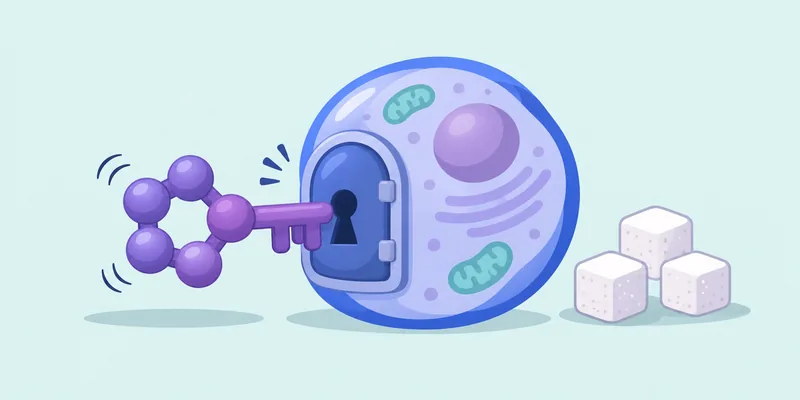
Visceral fat, liver fat and insulin resistance
Visceral fat is the fat in the abdomen that is intermixed with the organs, underneath the abdominal muscles.9 Louis repeatedly argues that, in most people, fat stored in the liver is the biggest driver of insulin resistance (the state in which cells respond poorly to insulin, so blood sugar and insulin both stay high). He reposted a Harvard diabetologist's explanation that losing liver fat by any means improves insulin resistance dramatically, and that when we diet the liver is the first place we lose fat. A visible abdominal belly is described as a simple proxy for liver fat.10
According to Louis, refined starch and sugar-sweetened drinks raise the odds of developing fatty liver, but in principle any diet with too many calories can do it.10 Insulin resistance is treated in the group as a risk factor for cardiovascular disease that is independent of LDL cholesterol, which is why a reshared guide links metabolic syndrome (at least three of: blood pressure 130/85 or higher, fasting glucose 100 mg/dL or higher, low HDL, triglycerides 150 mg/dL or higher, and a large waist) with the "residual risk" that remains even after LDL is lowered.11
The same guide points to the triglyceride-to-HDL ratio as an indirect marker of insulin sensitivity that tends to track visceral and liver fat, and states that losing visceral fat is the most effective way to lower triglycerides and raise HDL.11
Why a waist tape can beat the scale
Several shared studies suggest waist size carries information that BMI misses:
- A large Swedish cohort of over 339,000 people found waist circumference was a stronger predictor of obesity-related cancer than BMI in men, with value added even after adjusting for BMI; the relationship was weaker in women. Louis offers the explanation that waist size in men mostly reflects visceral fat while women store more waist fat under the skin.1213
- In the Whitehall II cohort (4,593 UK adults, average age 65, followed for about 11 years), waist size predicted later disability better than nine other measures including walking speed, grip strength and BMI.1415
- In the MESA cohort, a high Lp(a) (a genetically determined cholesterol particle) was linked to a 2.34-fold higher risk of atherosclerotic cardiovascular disease only in people whose waist-to-hip ratio was in the top decile, while BMI did not modify the risk. Louis stresses this is a prospective cohort and cannot prove causation, but suggests that people with high Lp(a) have extra reason to lose visceral fat.16
Louis also notes that people can be "skinny fat" (normal BMI, significant visceral fat) and that Asians develop insulin resistance at considerably lower levels of visceral fat than Caucasians.9 A shared analysis of over 250,000 people using the Lancet's updated obesity definition found 11% of those with a normal BMI met criteria for clinical obesity.17
A cautionary note comes from the 20-year Greek ATTICA cohort (3,042 adults), in which "metabolically healthy obesity" still carried a 39% higher cardiovascular risk (HR 1.39) than metabolically healthy normal weight, and metabolically unhealthy obesity an 85% higher risk.18
Show data
| Hazard ratio | 95% CI | |
|---|---|---|
| Metabolically healthy obesity | 1.39 | 1.06–3.42 |
| Metabolically unhealthy obesity | 1.85 | 1.02–3.58 |
Other consequences the group has noted
- Visceral fat contains aromatase, an enzyme that converts testosterone to estrogen. Louis argues this makes low testosterone in middle-aged men mainly a fat problem; a small two-month pilot (83 men) found tirzepatide raised testosterone more than testosterone replacement.19202122
- A shared observational study found abdominal obesity plus vitamin D deficiency carried 2.23 times the mortality risk of normal waist and sufficient vitamin D, without showing which factor is responsible.23
What the evidence shows
Weight loss and survival
Gokhan cites a 2015 PLoS One meta-analysis of randomized trials in which intentional weight loss of about 5.5 kg through lifestyle change was associated with roughly 15% lower all-cause mortality. For bariatric surgery, a pooled analysis of over 50,000 patients showed 38-41% lower mortality versus non-surgical obese controls after 10-27% average weight loss, though he labels this observational data rather than randomized evidence.14
For drugs, he cites the SELECT trial of semaglutide 2.4 mg, which reduced a composite of cardiovascular death, non-fatal heart attack and non-fatal stroke by 20%, with 19% lower all-cause mortality.1 A report shared by Gokhan says tirzepatide (Zepbound) also lowered heart failure risk in a late-stage study.24
Roy Taylor's very-low-calorie diet trials
The group leans heavily on Professor Roy Taylor's work. As Louis describes it, an 8-week liquid diet of roughly 700 to 800 calories (normal proportions of carbohydrate, fat and protein, plus unlimited non-starchy vegetables, no drugs) cleared fat from the liver within a couple of weeks and from the pancreas in about 8 weeks, restored insulin sensitivity and beta-cell function, and put type 2 diabetes into remission in responders.92526 The posts give slightly different figures for the weight lost: about 30 lb in some, and 15 kg (33 lb) on average in others.2526
Participants then moved to a normal-calorie traditional Mediterranean diet. Louis says those who regained significant weight over the following two years were put back on the low-calorie diet for a few weeks, and that keeping the liver and pancreas free of fat was the key to pancreas regeneration shown on imaging.26 Louis calls this the only high-quality randomized trial showing true diabetes reversal; individual responses vary.27
Which diet? Largely the one you can keep
Louis's repeated message is that no diet is magic: roughly 30 lb of loss on almost any diet, whether keto, carnivore or vegan, reverses liver fat and insulin resistance.62728 The Twinkie diet story (a nutrition professor lost 27 lb in 10 weeks on junk food under 1,800 calories a day) illustrates the power of calorie reduction, though the shared article raises questions about long-term health.6
The controlled trials the group has shared mostly support that view, with a notable wrinkle:
- Matched-weight-loss feeding trial. Petersen et al. (Cell Metabolism, 2026) gave all meals to 42 adults with obesity, prediabetes and fatty liver until about 10% weight loss on a ketogenic (4% carbohydrate), Mediterranean (50%) or very-low-fat plant-forward (70%) diet. All three improved muscle insulin sensitivity, but the ketogenic diet gave clearly larger improvements in liver fat and glycemia: liver fat fell 67% versus 45% on the other two diets, and about half of the keto group no longer met criteria for prediabetes versus 29% on Mediterranean and 7% on plant-forward.2930 Louis calls it small and wonders whether a Mediterranean-style keto diet might do even better.30 Note that this sits in some tension with the "any diet works the same" message: at equal weight loss, macronutrients may still matter for liver fat.
- One-year isocaloric trial. In a trial summarized by Louis, a low-carb diet (8% carbohydrate), a whole-food higher-carb diet, and the same diet with intact whole grains all cleared liver and visceral fat. Low-carb and the intact-whole-grain diet did slightly better than the one using flour-based whole grains. Louis's takeaway is that whole grains and fruit are fine, preferably eaten as intact as possible.31
- DIRECT-PLUS. In 294 people with abdominal obesity or dyslipidemia, a green Mediterranean diet (walnuts, green tea, Mankai shake, little red or processed meat) nearly doubled liver-fat loss over 18 months compared with a standard Mediterranean diet despite similar weight loss; fatty liver prevalence fell to 31.5% versus 47.9% and 54.8% in the comparison groups.32
- Low carb over time. Gokhan shares a critical review: low-carb diets put more people with type 2 diabetes into remission at 6 months, but a 2021 BMJ meta-analysis (23 RCTs) found the benefit diminished by 12 months, a 2020 meta-analysis (37 RCTs, 3,301 patients) found the HbA1c advantage disappeared by 12 months and reversed slightly by 24 months, and a 2-year calorie-matched trial found identical weight loss (about 6.7 kg) on low-carb and high-carb diets. His conclusion is that the advantage is mostly adherence.33
- Intermittent fasting. In recently diagnosed type 2 diabetes, 16 weeks of 5:2 fasting with meal replacements gave about 21 lb of weight loss versus 12 to 13 lb on metformin or empagliflozin.34
- Diet quality at menopause. In more than 38,000 women in the Nurses' Health Study followed for 12 years around menopause, low-insulinemic and Planetary Health dietary patterns were linked to less weight gain, and the highest adherence to the Planetary Health Diet to a 54% lower risk of developing obesity. These patterns featured more nuts, legumes, fruit, vegetables and whole grains and less red and processed meat. This is observational.35
Foods that may help at the margins
Small trials and meta-analyses shared in the group suggest modest effects; none replaces a calorie deficit.
- Oats: a meta-analysis of 74 randomized trials found oats lowered LDL by 0.29 mmol/L, weight by 0.94 kg and waist by 1.06 cm versus controls.36
- Nuts: a review of 119 trials found about 120 kcal a day of added nuts did not change weight or waist and modestly lowered LDL.37
- Small fatty-liver trials suggest some foods may reduce liver fat independently of weight: tomatoes (6 weeks, 79 adults) and rapeseed oil swapped for ghee (12 weeks, 110 patients).3839
- Supplements: taurine (9-trial meta-analysis) and curcumin 1,000 mg/day (8-week trial, 87 patients) improved some metabolic and fatty-liver measures.4041
Medications and surgery
GLP-1 drugs
Gokhan describes GLP-1 receptor agonists (semaglutide and tirzepatide) as drugs that reduce appetite and food intake, with 15-22.5% weight loss over 68-72 weeks in trials.14 In the first head-to-head NEJM trial shared in the group, 751 adults with obesity but without diabetes lost about 20% of body weight (about 50 lb) on tirzepatide 15 mg versus about 14% (33 lb) on semaglutide 2.4 mg over 72 weeks, with the same lifestyle support.42
Three-year SURMOUNT-1 results showed average weight change of -12.3%, -18.7% and -19.7% across tirzepatide doses versus -1.3% on placebo, with type 2 diabetes developing in 1.3% of people on the drug versus 13.3% on placebo. A shared commentary by Luigi Fontana warns that weight loss without exercise and good nutrition can mean muscle and bone loss and nutrient deficiencies.43
Louis uses the drugs to make a point about insulin. The claim that insulin matters more than calories for weight loss is contradicted, he argues, because GLP-1 drugs raise post-meal insulin yet cause weight loss by reducing appetite and calorie intake.4445 Louis adds that there is nothing magical about the drugs, since diet and exercise can achieve the same thing and the drugs simply make it easier, while Gokhan calls weight loss the best drug in obesity, with GLP-1 drugs a significant aid.2224
Muscle loss on GLP-1 drugs
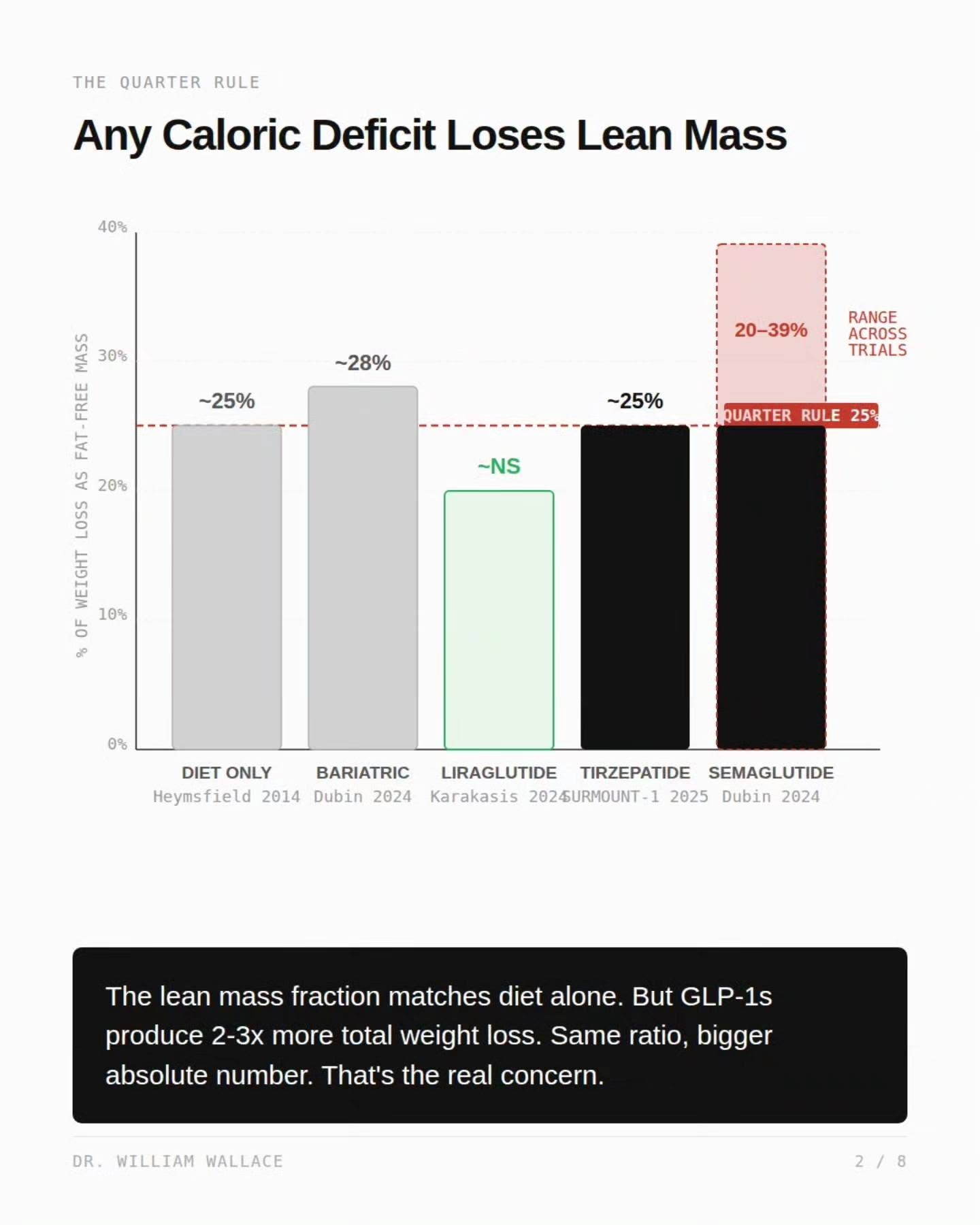
- A 2026 meta-analysis of 36 studies concluded that most weight lost on GLP-1 and dual GLP-1/GIP drugs is fat, including visceral fat, with a generally modest loss of lean mass; the summary adds that protein and resistance training still matter.46
- Louis cites a meta-analysis of 22 GLP-1 trials in which lean mass loss was about 25% of total weight lost, which matches diet trials and bariatric surgery, so he concludes it comes from calorie restriction rather than the drug. He also cautions that in calorie-restricted mice a higher protein intake blunted some benefits, though how that applies to humans is unknown.47
- Louis argues resistance exercise prevents most of the muscle loss, even without extra protein, citing a 16-week trial in 82 people with type 2 diabetes: fat-free mass fell 2.7% with diet alone, 1.9% with moderate exercise and 0.2% with high-dose exercise (six sessions a week).7
- An 8-week trial of krill oil during alternate-day fasting found fat-free mass fell 0.2 kg with krill oil versus 1.2 kg with placebo despite equal weight loss of about 4.5 kg.48
Bariatric surgery
Gokhan notes that once a person has become obese, permanent weight loss with diet and exercise alone is very unlikely, and that for large, lasting loss the GLP-1 class and surgery are very effective. Metformin, acarbose and SGLT2 inhibitors help with small losses.4 Surgery in his summary produced 10-27% weight loss.1
Exercise, biology and keeping the weight off
Exercise alone is a modest weight-loss tool
Louis shares a Duke analysis of 14 studies in 450 people finding that, on average, only about 72% of exercise calories add to daily energy expenditure because the body compensates elsewhere. His conclusion: exercise is great for health but not very effective by itself for weight loss.49 Exercise changes where fat is stored, however. His explanation of sumo wrestlers, who eat enormous amounts but typically do not have obesity-related disease until they retire, is that up to 7 hours of daily training releases adiponectin and drives fat storage under the skin rather than around the organs.50
Calories still decide
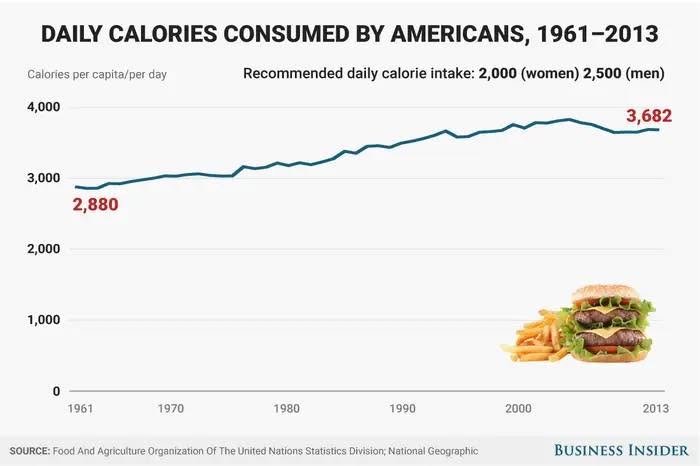
Louis argues the obesity crisis is explained mainly by rising calorie intake, citing a chart reporting that average daily intake in the US rose 24% since 1961.5152
A study presented at RSNA linked higher ultra-processed food intake to more fat inside thigh muscles regardless of calories, BMI or activity.53 Men and women lose weight similarly on calorie restriction in long-term trials; women lost about 1 kg more on GLP-1 drugs.54
Genetics and the body's defences
Gokhan argues obesity is not only a matter of willpower: twin studies estimate 40-80% heritability, and weight "setpoint" theory holds that hunger signals and metabolism pull people back toward a baseline after dieting.3 Louis has also noted that fat cells appear to retain an epigenetic memory of past obesity, but the post gives no study details.55
A small pilot study Gokhan shared tested a weighted vest on the "gravitostat" idea. Both groups lost about 10-11 kg over six months, but resting metabolic rate fell 238 kcal/day without the vest versus 16 with it, and 18 months later the diet-only group had regained everything while the vest group stayed 4.8 kg below baseline. The write-up deems it inconclusive because of methodological shortcomings, and Gokhan's own use of a vest produced little weight loss.56
Nuances and common misconceptions
- "Any diet works" versus "macronutrients matter." Louis's strong form of the claim fits the Roy Taylor and isocaloric trials, but the matched-weight-loss Cell Metabolism trial found larger liver-fat improvements on keto. Louis himself calls that trial small.273031
- Losing weight is not the same as keeping it off. Gokhan's evidence is that dietary weight loss is rarely permanent once obese, and that low-carb benefits fade over time with adherence.433
- Plaque. Louis says weight loss above about 30 lb can reverse soft plaque and that people with a high CAC score can manage their risk with weight loss, LDL below 70 mg/dL, a Mediterranean diet and exercise; he labels autophagy as a hypothesis for why.557
- Observational versus randomized evidence. Many of the shared findings on waist size and vitamin D are observational and cannot prove cause.1623
What this means for you
These are points raised by the group's admins and shared studies, not individual medical advice. Consider discussing them with your doctor.
- Measure more than weight. A tape measure for waist circumference or waist-to-hip ratio adds information BMI can miss.1516
- Aim for a meaningful, sustained loss. Louis's rule of thumb is about 30 lb for most people to clear liver and pancreas fat, then maintenance.525
- Choose a pattern you can keep. Louis says a traditional Mediterranean diet has the most evidence for preventing heart attacks and strokes, with whole grains eaten intact.531
- Cut refined starch, refined sugar and sugary drinks, which Louis links to higher liver-fat risk.1011
- Add resistance training alongside calorie reduction to protect muscle.747
- If lifestyle alone has not worked, ask about GLP-1 drugs or surgery, and ask about monitoring for muscle, bone and nutrient loss.443
Frequently asked questions
How much weight do I need to lose?
Louis suggests about 30 lb on average to clear fat from the liver and pancreas, but says the amount varies by person and ethnicity; Roy Taylor's trials averaged around 15 kg (33 lb).925 A smaller loss has benefits too: the randomized meta-analysis linked an average 5.5 kg loss to 15% lower mortality.1
Is low carb or keto the best diet for fat loss?
Not clearly. Keto beat two other diets for liver fat at equal weight loss in one small feeding trial, yet low-carb diets lose their diabetes advantage by 12 to 24 months in pooled trials, and a whole-food, higher-carb diet with intact grains worked about as well for liver and visceral fat.303133
Does insulin need to be low to lose weight?
Louis says no: GLP-1 drugs raise insulin after meals yet cause large weight loss, and weight loss follows a calorie deficit. He still calls high fasting or post-meal insulin an early warning sign of cardiometabolic disease.174445
Will GLP-1 drugs cost me muscle?
Some lean mass is lost, about 25% of the weight lost in one meta-analysis, which resembles dieting. Louis suggests resistance exercise to protect it.74647
Can exercise alone do it?
Exercise has major health benefits, but the Duke analysis suggests the body offsets part of the calories burned, so exercise by itself tends to produce less weight loss than expected.49
Is keeping the weight off realistic?
It is the hard part. In the Taylor approach, as Louis describes it, significant regain triggered a few weeks back on the low-calorie diet, and in the weighted-vest pilot the diet-only group regained everything within 18 months.2656