High EPA fish oil remains FDA approved in the USA to reduce risk of CVD
Based on the totality of evidence, the FDA continues to approve Vascepa (icosapent ethyl) to reduce cardiovascular (CV) risk in established CV or diabetic patients with elevated triglycerides.
Despite academic debate surrounding the trial's control group, the December 2019 label extension remains in effect, supported by the REDUCE-IT trial findings.
Evidence Basis: The approval stands on the landmark REDUCE-IT study, which showed a 25% relative risk reduction in major adverse cardiovascular events (MACE).
Indication: Vascepa is approved as an add-on to maximally tolerated statin therapy for adults with triglycerides ≥150 mg/dL and either established cardiovascular disease, or diabetes plus two or more additional CV risk factors.
Current Status: The FDA's approval for this cardiovascular risk reduction indication remains active and unchanged. It continues to hold true across different regulatory periods.
Clinical Context: While some in the cardiology community debated whether the mineral oil placebo used in the trial mildly inflated the drug's perceived benefits, the FDA concluded the clinical efficacy demonstrated by icosapent ethyl (a highly purified EPA ethyl ester) was statistically and clinically significant. According to the FDA’s mathematical analysis, negative effects from the mineral oil placebo could only account for a worst-case 2% to 5% relative risk increase in the placebo group.
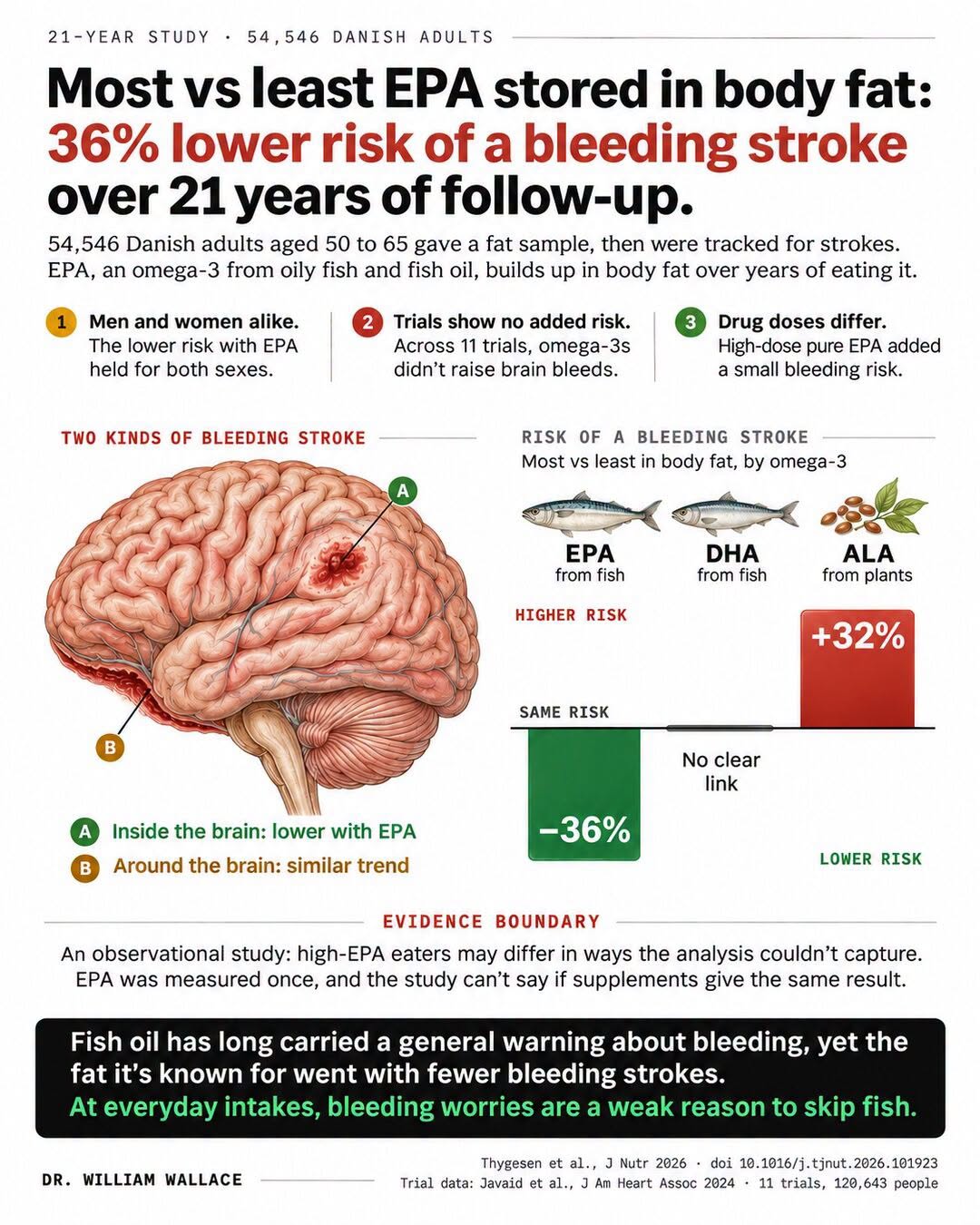
Safety Profile: Adverse events were generally well-tolerated, though clinical trials noted a higher incidence of atrial fibrillation/flutter requiring hospitalization (5.3% vs 3.9%), as well as a modest increase in bleeding events (11.8% vs 9.9%).