HD-OPM Archive
Hashtags

#fishoil

47 posts

Super-oxidized fish oil fed for 7 weeks caused no harm in human trial

Sep 17, 2026 · Louis Nervegna ♥ 16 · 💬 7 Supplements & vitamins

The poster shares a Bill Harris clip arguing oxidized fish oil is likely not harmful. In the trial described, researchers deliberately super-oxidized fish oil and gave it to participants for 7 weeks, finding no difference in oxidation, peroxidation, inflammation, glucose, lipids or liver enzymes versus non-oxidized fish oil.

Harvard: 1-2 weekly servings of fatty fish linked to 36% lower heart-disease death

Jan 29, 2024 · Louis Nervegna ♥ 9 · 💬 11 Nuts, fish, coffee, tea, cocoa & other foods

Quoting Harvard's Nutrition Source, the post says an analysis of 20 studies with hundreds of thousands of participants found that one to two 3-ounce servings of fatty fish a week (salmon, herring, mackerel, anchovies, sardines) reduces the risk of dying from heart disease by 36 percent. Fish and fish oil are described as good for the heart and blood vessels.

Peter Attia's current supplement stack

Nov 23, 2023 · Gokhan Can ♥ 8 · 💬 14 Supplements & vitamins

Summarizes the supplements Peter Attia says he takes: B6, high-EPA fish oil aimed at a red-cell EPA+DHA level near 12%, vitamin D 5,000 IU, several forms of magnesium, methylfolate and B12 to keep homocysteine below nine, and baby aspirin. This is a personal regimen, not evidence.

Rhonda Patrick's morning and evening supplement list

May 18, 2024 · Gokhan Can ♥ 11 · 💬 5 Supplements & vitamins

Reposts a list of the supplements Rhonda Patrick takes, including multivitamin, fish oil, vitamin D, K2, ubiquinol, cocoa extract, sulforaphane, berberine and urolithin A, plus evening magnesium and more fish oil. It is a personal regimen with no supporting studies attached, so it is context rather than evidence.

Human trials: omega-6 and oxidized fish oil do not raise oxidation or inflammation markers

Sep 18, 2026 · Louis Nervegna ♥ 7 · 💬 4 Fats & oils (saturated fat, seed oils, omega-6, olive oil)

The post states that human randomized trials have repeatedly shown omega-6 fats do not cause oxidation or lipid peroxidation, and that oxidized fish oil does not raise inflammation, oxidation or peroxidation markers or worsen cardiometabolic or liver health. It shares a saturated fat versus omega-6 breakdown by Dr Alan Flanagan.

Review of 33 systematic studies finds little evidence omega-3 supplements build muscle

Mar 14, 2025 · Louis Nervegna ♥ 11 · 💬 2 Supplements & vitamins

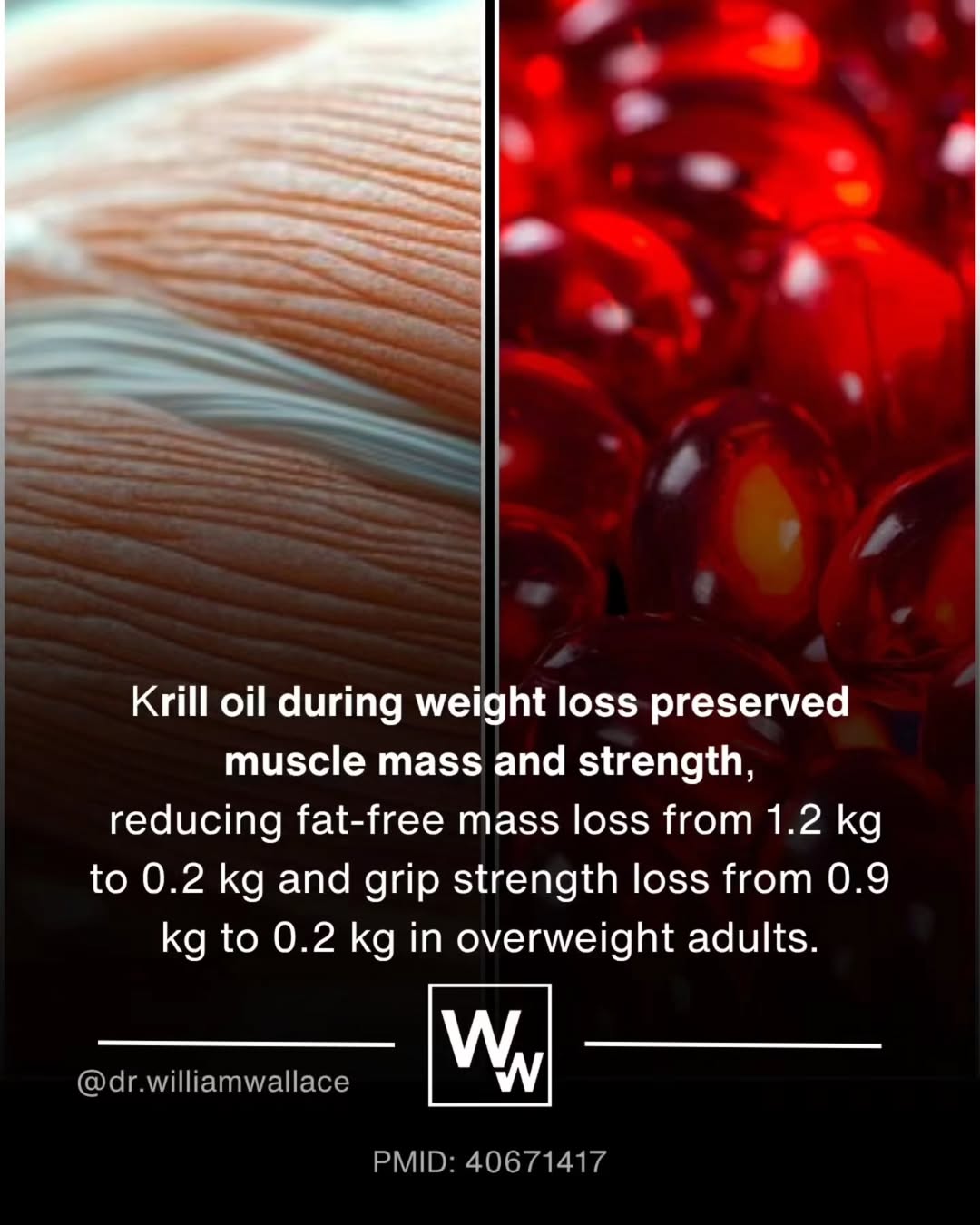
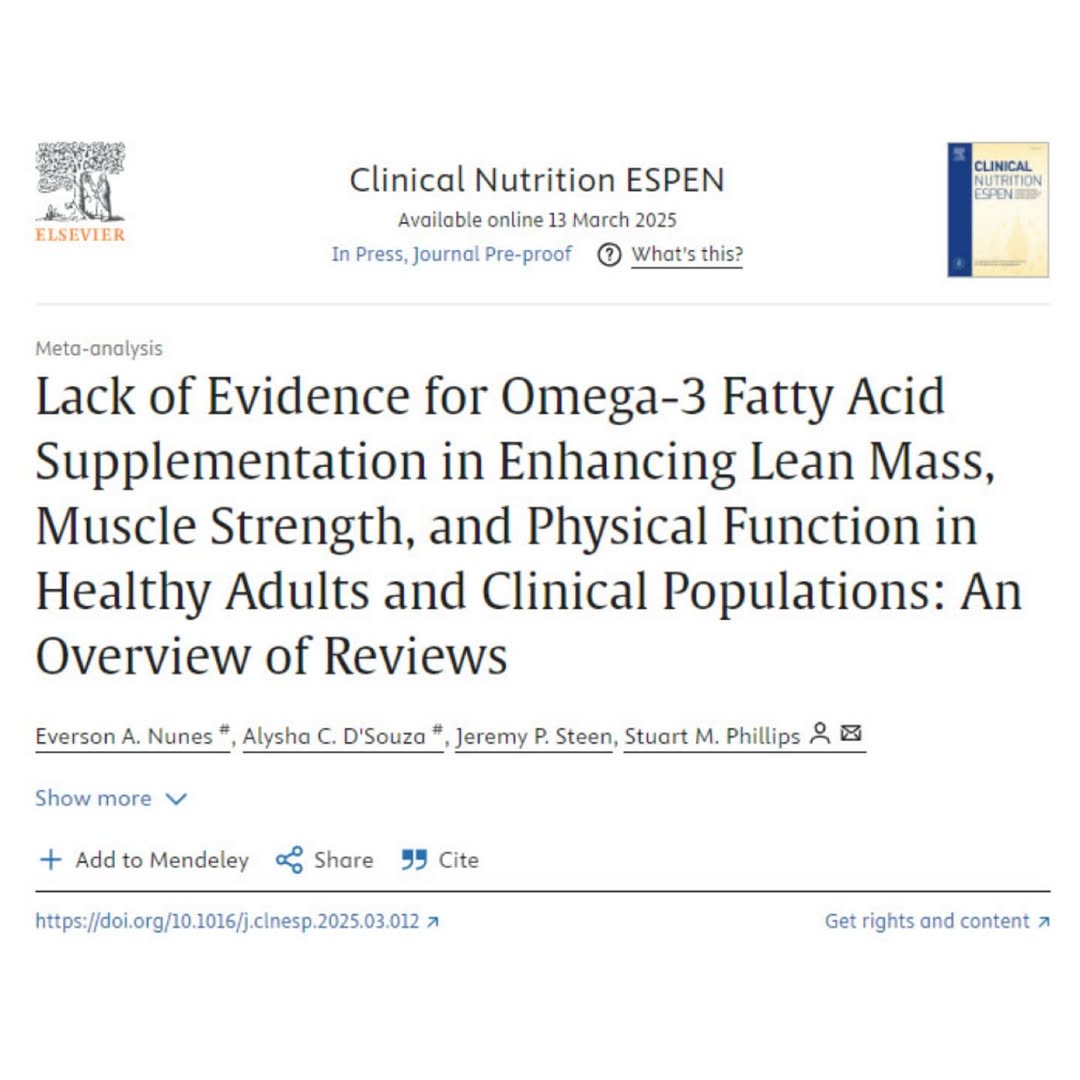
Louis shares Stuart Phillips' summary of a 2025 Clinical Nutrition ESPEN review of 33 systematic studies, which found little evidence that omega-3 supplements improve lean mass, muscle strength or physical function in healthy adults or clinical groups. Some small benefits in older adults were suggested, but exercise and protein remain the best strategies.

Framingham data link a high omega-3 index to about 5 more years of life expectancy

Dec 03, 2025 · Louis Nervegna ♥ 9 · 💬 2 Supplements & vitamins

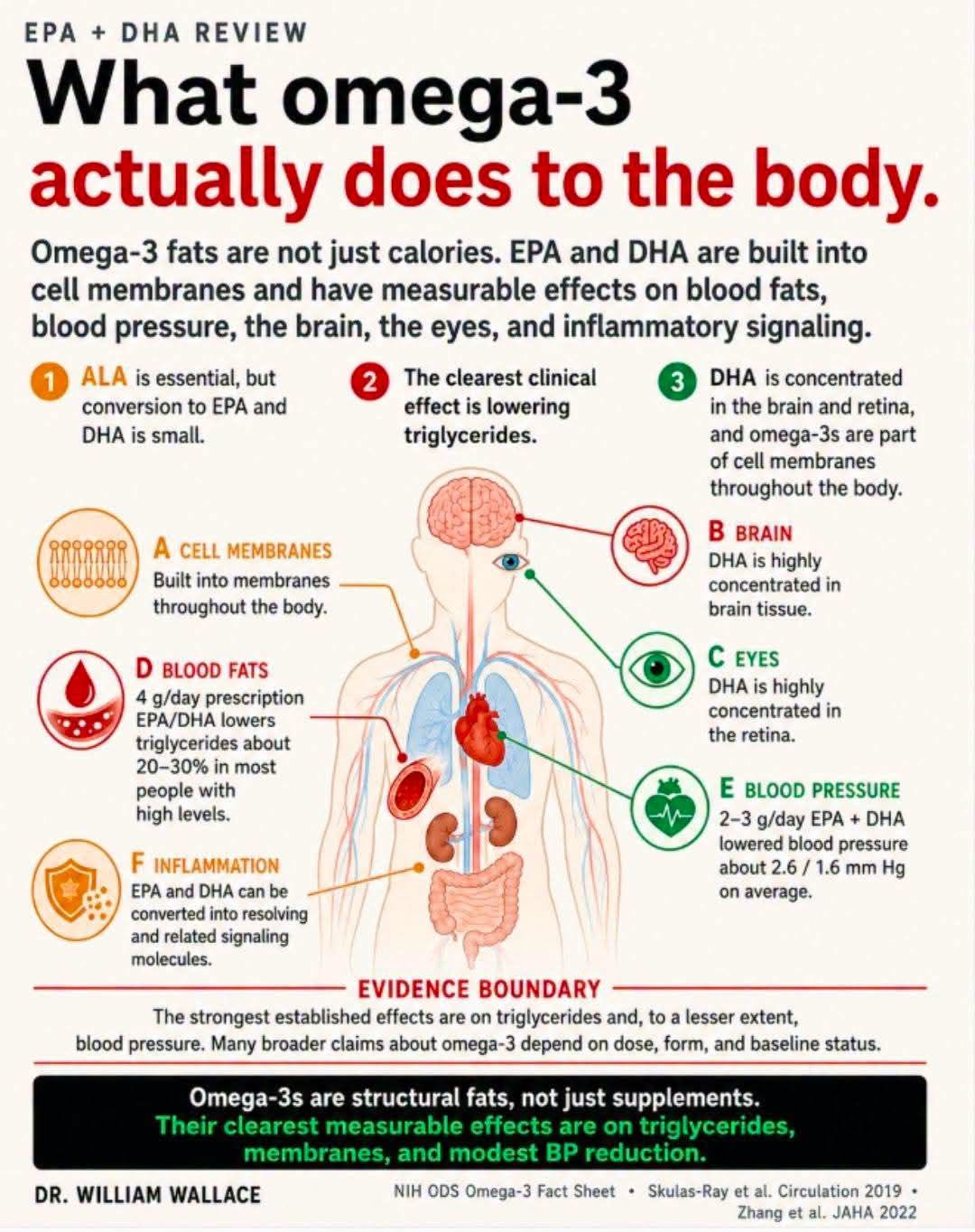
Louis shares a FoundMyFitness claim that people with a high omega-3 index (about 8%) have roughly 5 more years of life expectancy than those with a low index (about 4%) in cohort data from the Framingham Heart Study. It also says very low omega-3 may carry mortality risk similar to smoking and that nearly 90% of Americans fall short of EPA and DHA targets.

High-dose DHA did not slow cognitive decline in 2-year APOE4 trial, but reached the brain

Jun 27, 2026 · Louis Nervegna ♥ 7 Brain health & dementia

Louis comments on a Medscape report of a trial of high-dose omega-3 in older adults at high dementia risk. It found no improvement in memory, cognition or hippocampal volume, although DHA reached the cerebrospinal fluid equally in APOE4 carriers and non-carriers. He notes the trial was short at two years, and APOE4 carriers with the highest DHA to arachidonic acid ratio declined less.

Higher stored EPA linked to 36% lower bleeding stroke risk in a 21-year Danish study

Nov 09, 2026 · Louis Nervegna ♥ 4 Heart attack, stroke & procedures

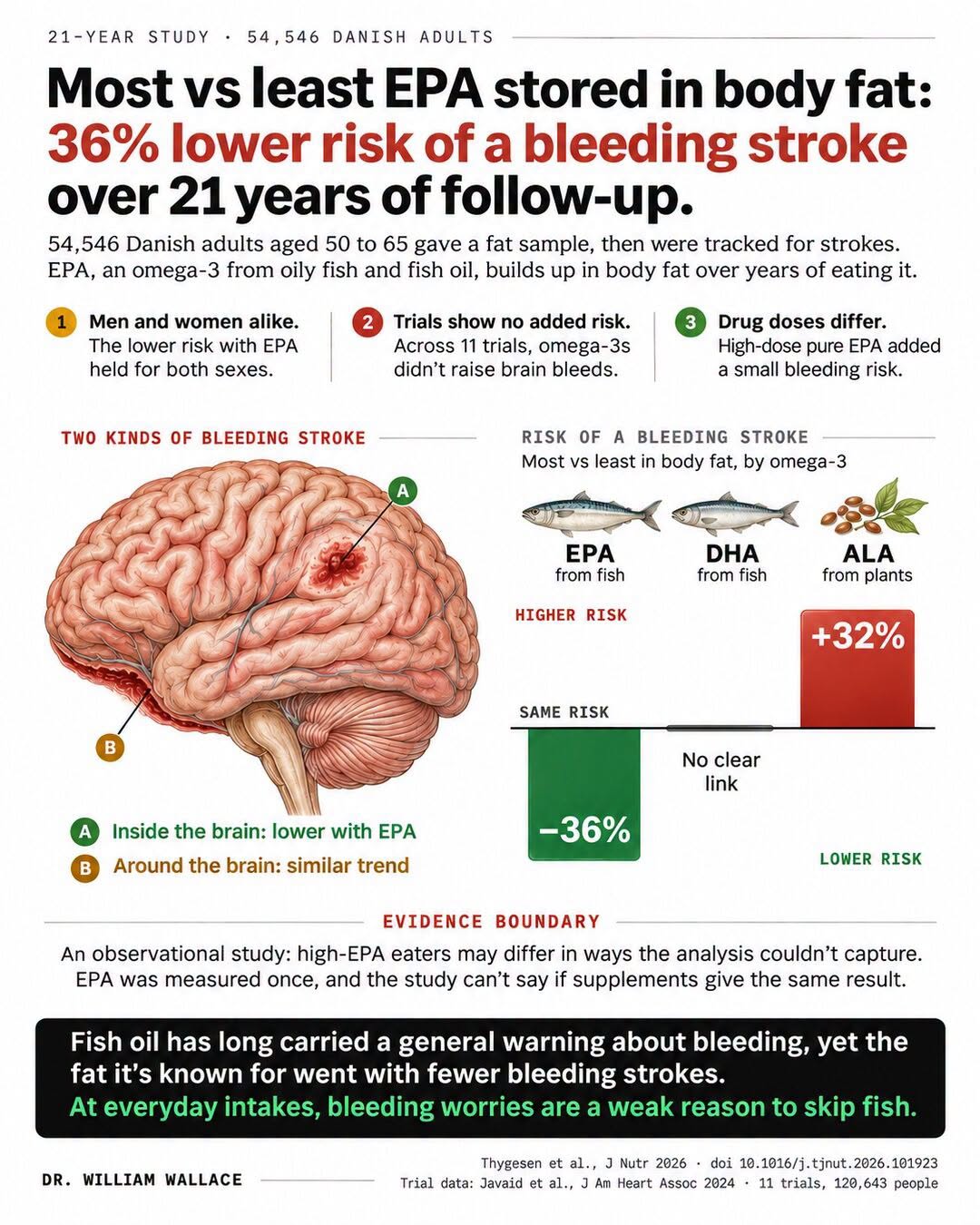
Louis shares a 21-year Danish study of 54,546 adults using fat-tissue samples of EPA and DHA. People with the highest EPA had a 36% lower risk of bleeding stroke, DHA was neutral, and ALA was linked to 32% higher risk (needs confirmation). Pooled RCTs found no extra brain bleeding, except small risk with high-dose prescription EPA. The study is observational.