HD-OPM Archive
Topics › Plaque, CAC & CT angiography

Lutein shrank carotid wall thickness in a small RCT but heart outcome benefit is unproven

Louis Nervegna · Jul 22, 2026 · ♥ 11 reactions · 1 comments · original Facebook post
Plaque, CAC & CT angiographySupplements & vitamins
AI summary & key facts

Louis cites a 144-person randomized trial in which 12 months of lutein, or lutein plus lycopene, reduced carotid intima-media thickness. The commentary notes no established evidence lutein reduces cardiovascular outcomes. Lutein plus zeaxanthin slows macular degeneration (AREDS2).

There is good evidence from RCT’s that lutein + zeaxanthin can slow progression of age-related macular degeneration (AMD).

(For example, the AREDS2 clinical trial.)

The idea that lutein might also slow or reverse arterial plaque is fascinating…

This is the small RCT that he is referring to in the post below, which hints at modest plaque reversal when patients were treated with either lutein or lutein + lycopene:

Paper · Br J Nutr · 2014Effects of lutein and lycopene on carotid intima–media thickness in Chinese subjects with subclinical atherosclerosis: a randomised, double-blind, placebo-controlled trialThe aim of the present study was to evaluate the effects of lutein and lycopene supplementation on carotid artery intima–media thickness (CAIMT) in subjects with subclinical atherosclerosis. A total of 144 subjects aged 45–68 years were recruited from local communities. All the subjects were randomly assigned to receive 20 mg lutein/d ( n 48), 20 mg lutein/d+20 mg lycopene/d ( n 48) or placebo ( n 48) for 12 months.…cambridge.org

Quoted:

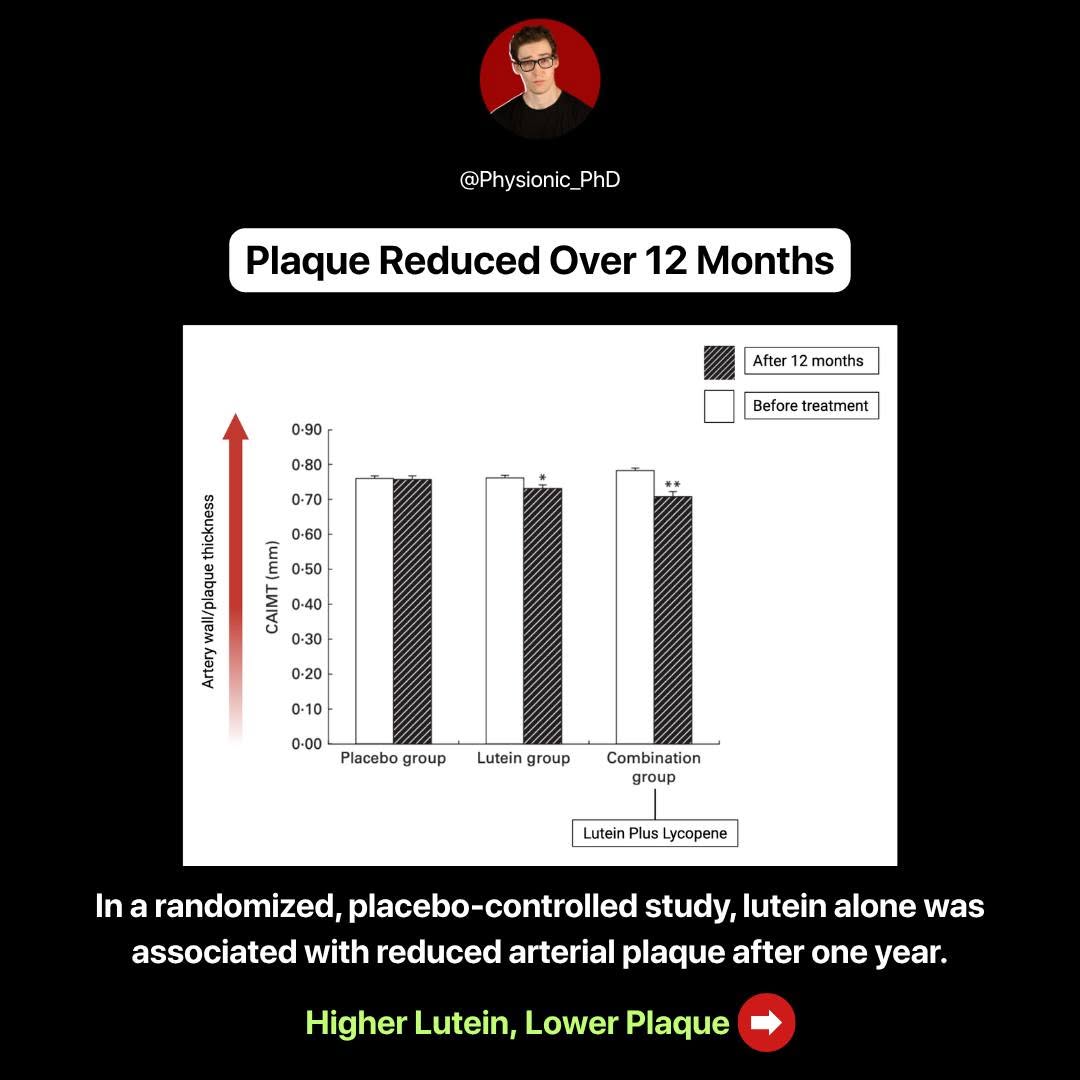
A total of 144 subjects aged 45–68 years were recruited from local communities. All the subjects were randomly assigned to receive 20 mg lutein/d (n 48), 20 mg lutein/d+20 mg lycopene/d (n 48) or placebo (n 48) for 12 months. CAIMT [Carotid Artery Intima-Media Thickness] was measured using Doppler ultrasonography at baseline and after 12 months, and serum lutein and lycopene concentrations were determined using HPLC.

The mean values of CAIMT decreased significantly by 0·035 mm (P= 0·042) and 0·073 mm (P< 0·001) in the lutein and combination groups at month 12, respectively. The change in CAIMT was inversely associated with the increase in serum lutein concentrations (P< 0·05) in both the active treatment groups and with that in serum lycopene concentrations (β = − 0·342, P= 0·031) in the combination group. Lutein and lycopene supplementation significantly increased the serum concentrations of lutein and lycopene with a decrease in CAIMT being associated with both concentrations. In addition, the combination of lutein and lycopene supplementation was more effective than lutein alone for protection against the development of CAIMT in Chinese subjects with subclinical atherosclerosis, and further studies are needed to confirm whether synergistic effects of lutein and lycopene exist.

#luteinHD #zeaxanthinHD #reverseHD #amdHD #eyesHD #brainHD #lycopeneHD #areds2HD
Research cited

Shared from Physionic · original post

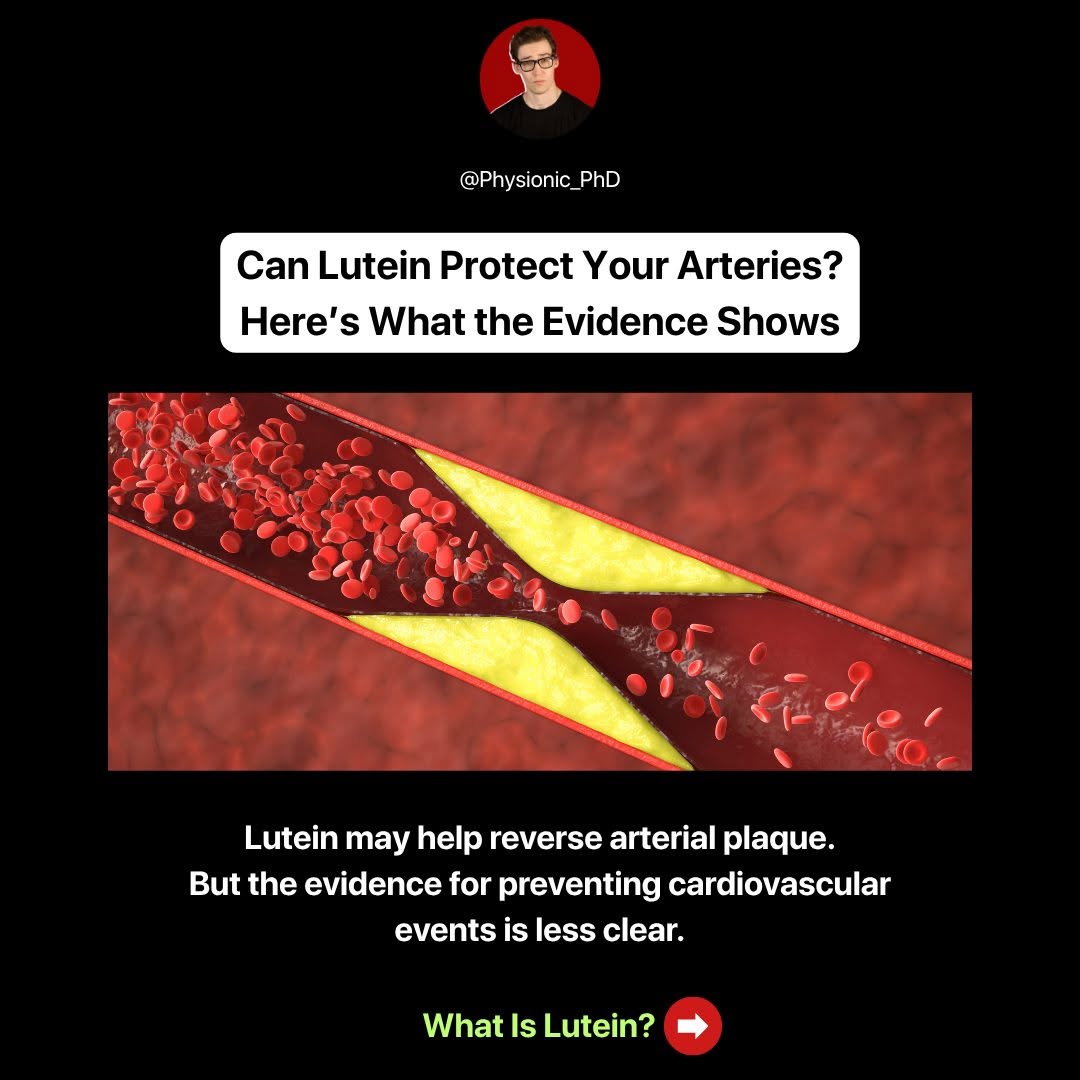
Can lutein reverse arterial plaque—but still fail to reduce heart attacks? 🫀

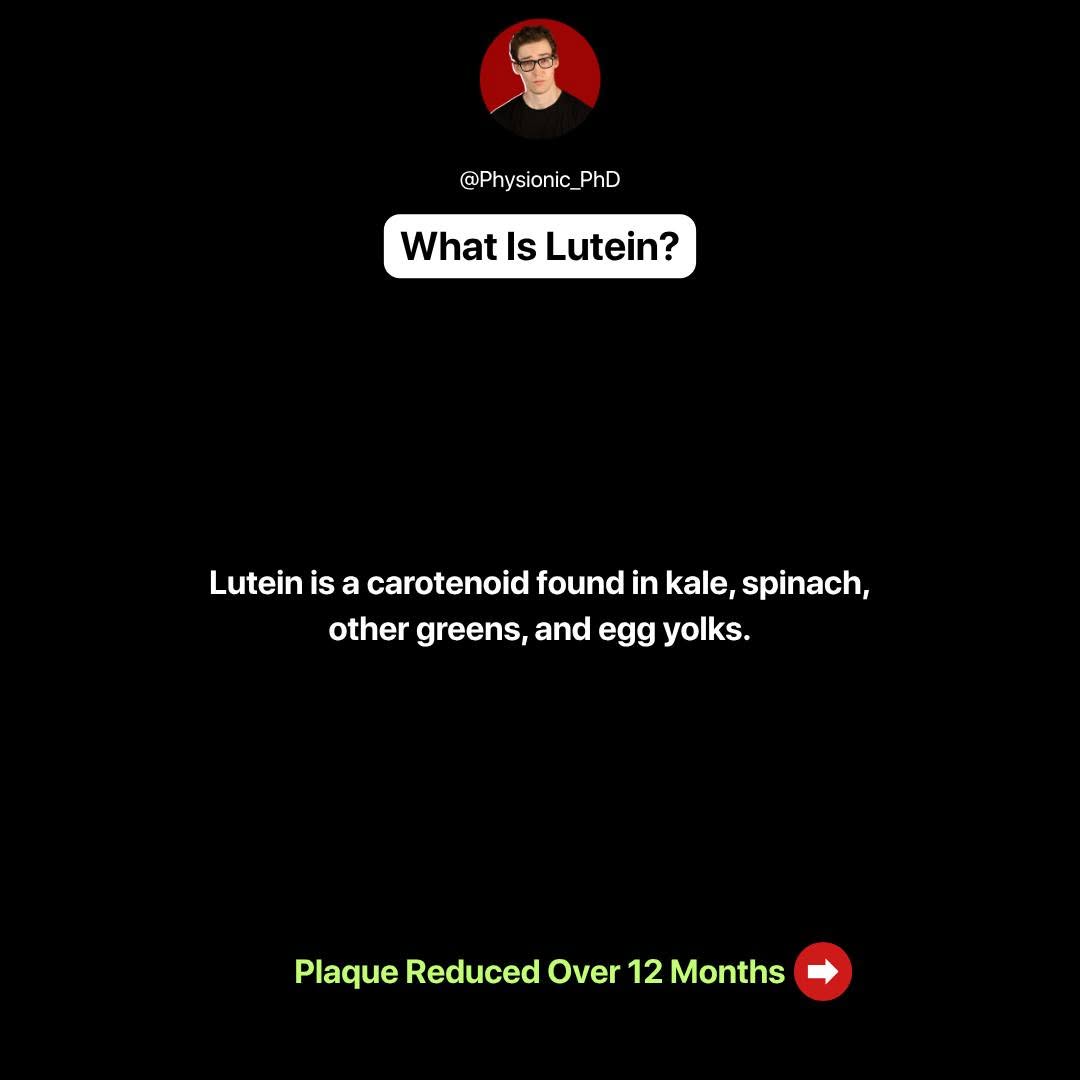
In a randomized, placebo-controlled study, lutein alone was associated with a reduction in arterial plaque over 12 months. Lutein is a carotenoid found in kale, spinach, other greens, and egg yolks.

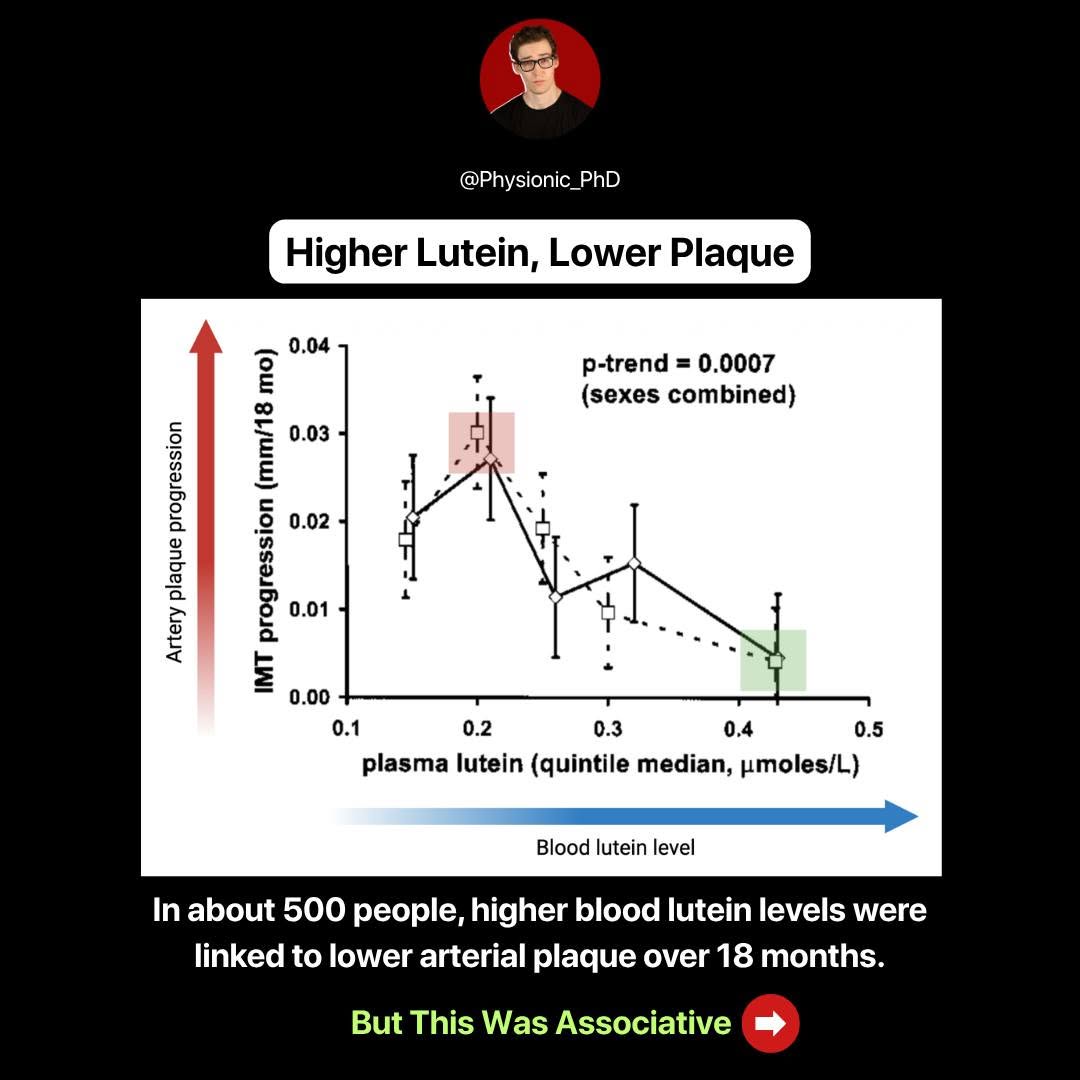
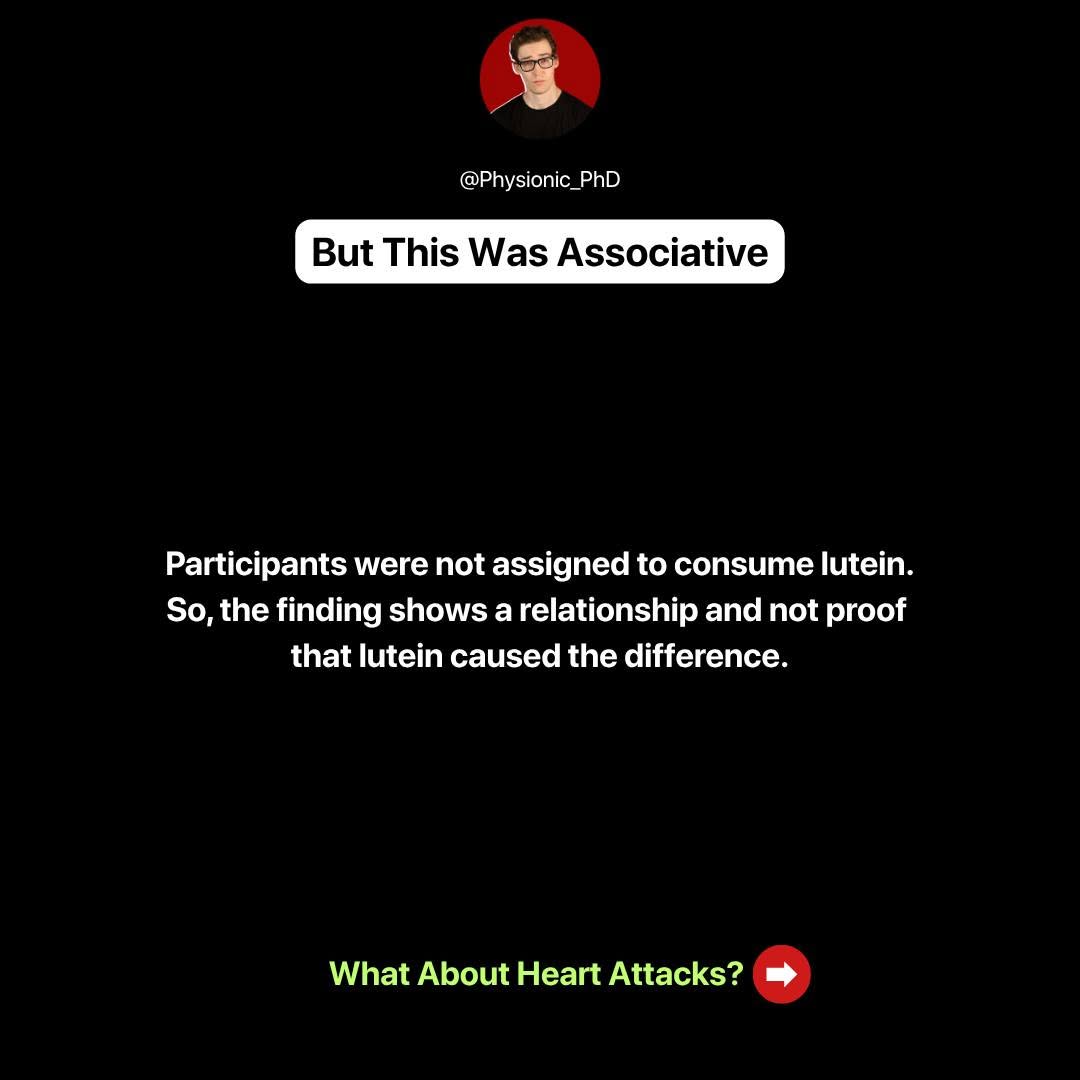
Another human study of about 500 participants found that higher blood lutein levels were associated with lower arterial plaque over 18 months in both men and women. However, participants were not assigned to consume lutein, so this shows a relationship rather than proving cause and effect.

When the evidence shifts to cardiovascular outcomes, the picture changes. Studies examining blood lutein levels and heart attack risk did not show a clear protective relationship. A large randomized controlled trial also found that lutein combined with zeaxanthin did not reduce cardiovascular disease-related death over five years compared with placebo.

One possible reason is that these studies involved relatively healthy, lower-risk individuals and generally excluded people with known cardiovascular disease. However, it remains unclear whether lutein would show stronger benefits in higher-risk individuals.

Main Points Summary 📌

Lutein may help reduce arterial plaque, but there is currently no established evidence that it reduces cardiovascular disease outcomes. It does not appear harmful from a cardiovascular perspective, and any cardiovascular benefit is probably mild, if present.

Scientific References

[587] doi:10.1017/S0007114513002730
[867] doi:10.1161/01.CIR.103.24.2922
[868] doi:10.1001/jamainternmed.2014.328
[869] doi:10.1093/ajcn/77.6.1390
[870] doi:10.1161/01.CIR.0000084546.82738.89
[871] doi:10.7326/0003-4819-130-12-199906150-00003

No photo description available.No photo description available.No photo description available.No photo description available.No photo description available.
← newer: Vitamin C slowed bone marrow aging in monkeys in a 3-year trolder: New AHA statement: up to five cups of coffee a day may be go →