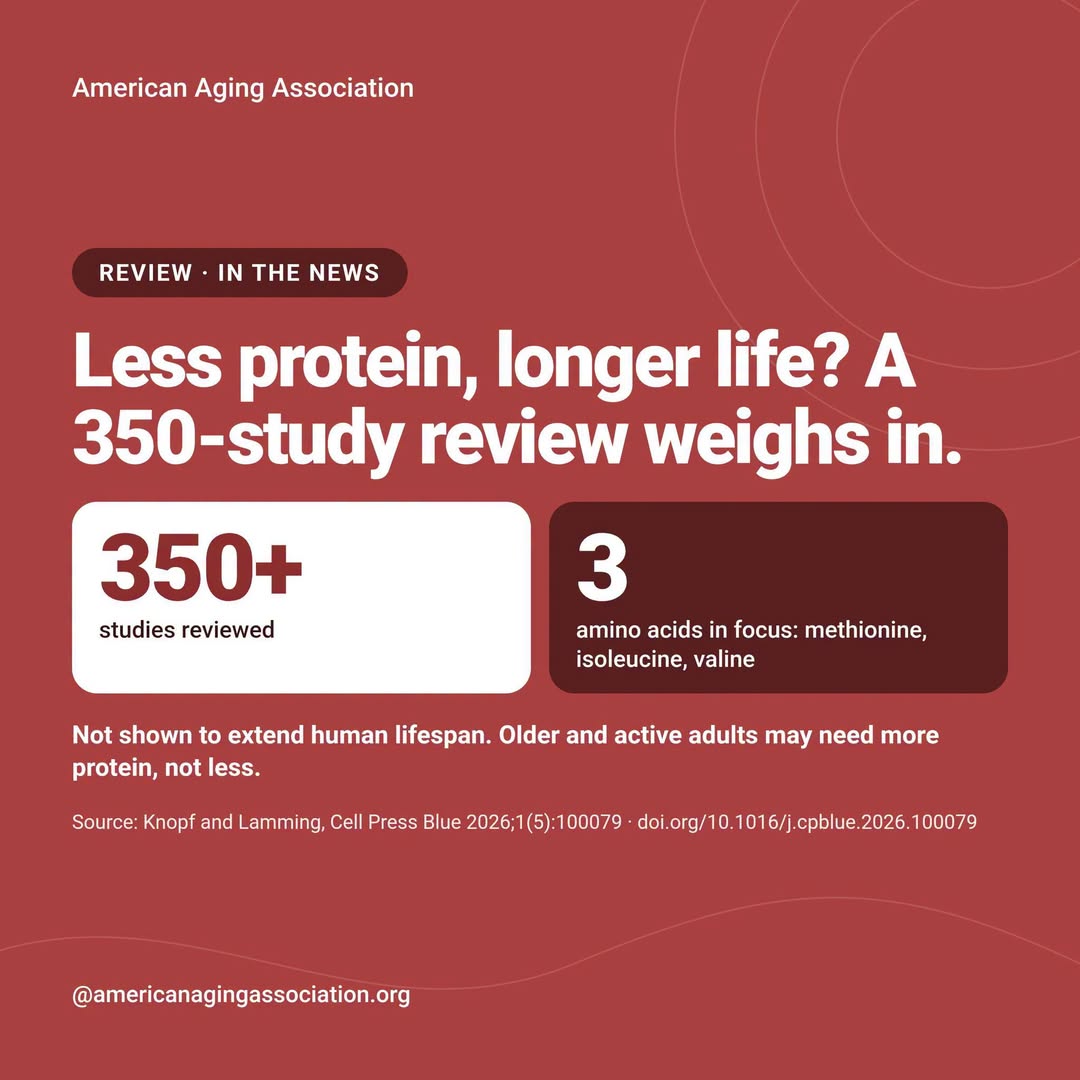
Three amino acids— isoleucine, valine, and methionine— have been reproducibly shown to shorten lifespan in mice:
↪ Get protein from whole plant foods to lower intake of isoleucine, methionine and valine
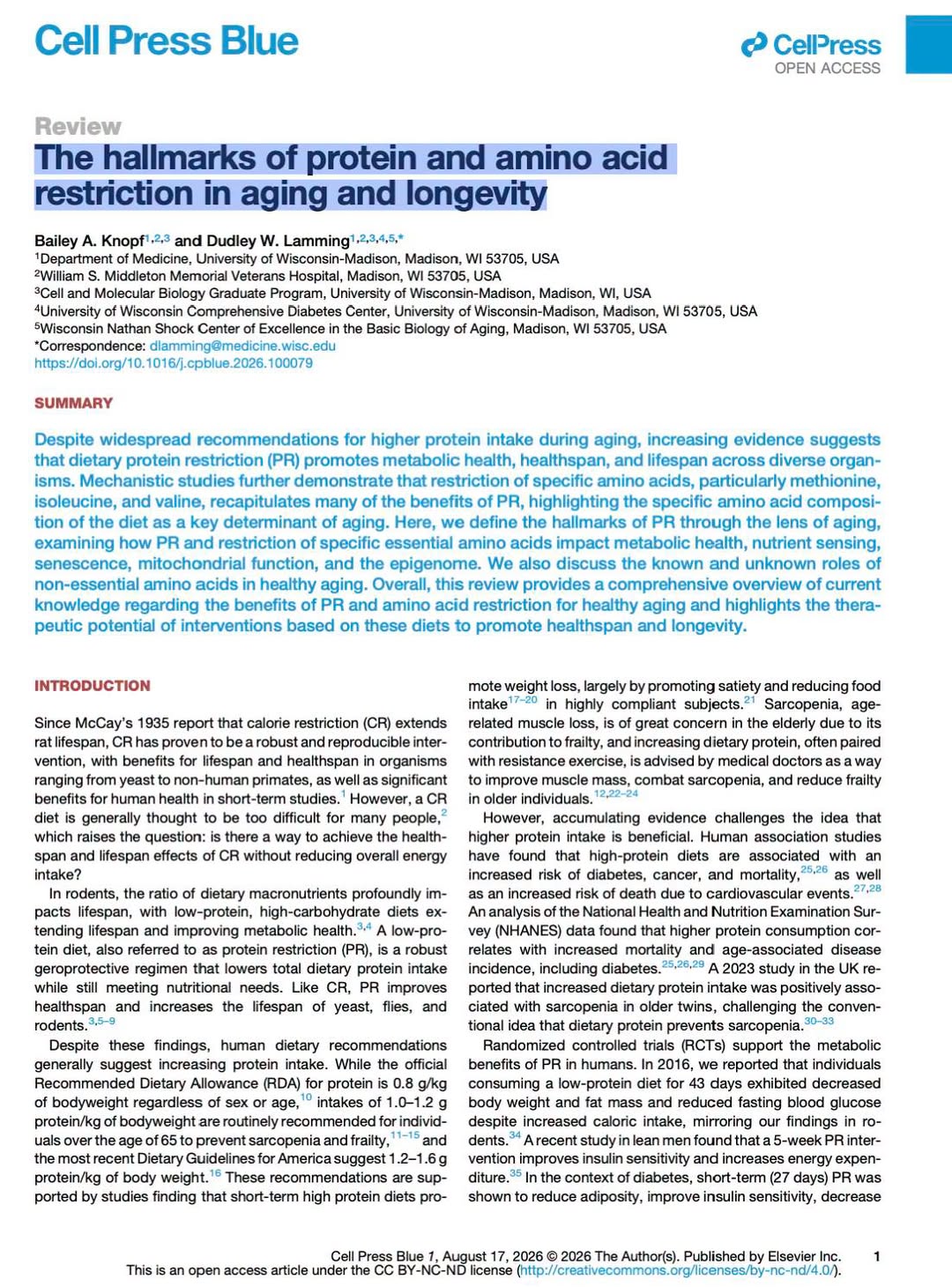
↪ Review of 350+ studies links protein restriction to better metabolism and healthier aging
Now a new study links two of them— isoleucine and valine— to progression of prostate cancer. The mechanism involves overproduction of cholesterol in cancer cells.
Prostate cancer relies heavily on cholesterol as a core fuel source, using it as an essential building block for constructing new cell membranes during rapid division and as a precursor to synthesize growth-promoting androgen hormones.
According to new research published in Nature Metabolism (Li et al., 2026), the essential branched-chain amino acids isoleucine and valine accelerate this process by generating a metabolic intermediate called propionyl-CoA during their breakdown. Instead of simply being burned for energy, propionyl-CoA acts as a biochemical bridge that alters intracellular cholesterol machinery, enhancing the cancer cell's ability to manufacture, transport, and store cholesterol. This metabolic reprogramming provides prostate tumors with a continuous supply of lipids, driving enhanced tumor expansion and disease progression.
This research might also provide some explanation for why epidemiological studies link statin use with lower risk of advanced and fatal prostate cancer, and with longer survival in men who already have prostate cancer: ↪ Statins associated with lower advanced and fatal prostate cancer and longer survival. Statins reduce cholesterol production in cancer cells.
Quoted:
A pair of amino acids commonly associated with high-protein diets may be helping prostate tumors acquire the fuel they need to grow, according to a study published in Nature Metabolism.
Researchers led by Li, Liu and Jin report that isoleucine and valine—two branched-chain amino acids that the human body cannot produce and must obtain from food—can promote prostate cancer progression through a metabolic pathway centered on propionyl-CoA. The work identifies a previously underappreciated connection between amino-acid breakdown and cholesterol production, suggesting that nutrients entering a cancer cell through one biochemical route can be redirected into the construction of another. Rather than acting only as building blocks for proteins, isoleucine and valine appear to influence the tumor’s lipid economy. Their metabolism generates propionyl-CoA, a small but chemically active molecule that can alter how prostate cancer cells handle cholesterol, a lipid required for membrane formation, signaling and cellular proliferation.
The finding matters because prostate tumors are unusually dependent on cholesterol metabolism. Cholesterol is not simply a circulating substance associated with cardiovascular disease; inside a rapidly dividing cancer cell, it serves as a structural component of new membranes and as a precursor for steroid hormones. Prostate cancer cells can synthesize cholesterol internally, import it from the surrounding environment or store it in esterified form for later use. These processes are tightly controlled in healthy tissue, but malignant cells often reprogram them to sustain continuous growth.
The new study places propionyl-CoA at an important point in that reprogramming. Produced when isoleucine and valine are broken down, propionyl-CoA normally enters pathways involved in energy production and carbon metabolism. In prostate cancer, however, the researchers’ findings indicate that it can influence the expression or activity of cholesterol-related machinery, effectively linking the availability of specific nutrients to the tumor’s capacity to manufacture and manage lipids.
The cholesterol connection is particularly relevant to prostate biology because many prostate tumors remain responsive to androgen signaling, even after treatment. Androgens and other steroid hormones are synthesized from cholesterol-derived precursors, while cholesterol itself supports the organization of cell membranes and signaling platforms. Cancer cells can exploit this relationship by increasing cholesterol production or storage, strengthening pathways that maintain growth signals under therapeutic pressure. The study’s findings suggest that isoleucine and valine may reinforce this metabolic environment by increasing propionyl-CoA-dependent cholesterol activity.
From a therapeutic perspective, the pathway offers several possible intervention points. Researchers might investigate enzymes that break down isoleucine and valine, proteins that generate or consume propionyl-CoA, and the cholesterol-synthesis or cholesterol-transport systems influenced by the metabolite. Drugs that block cholesterol production already exist, and other treatments target androgen signaling or lipid storage. Combining such approaches with inhibitors of branched-chain amino-acid metabolism could, in principle, deprive prostate cancer cells of both the signal and the raw materials needed to maintain their cholesterol program. But the risks are substantial. The same metabolic enzymes operate in healthy organs, especially skeletal muscle, liver and heart, and broad inhibition could cause toxicity or interfere with normal energy balance. Any treatment strategy would therefore need to distinguish cancer-specific metabolic dependencies from the essential functions of these nutrients throughout the body.
#isoleucineHD #valineHD #prostatecancerHD #statinsHD #statinscancerHD #miceHD