HD-OPM Archive
Hashtags

#mice

68 posts

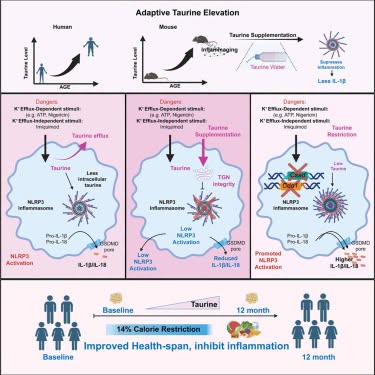
Taurine deficiency may drive aging; Columbia study spans worms, mice, monkeys and humans

Mar 01, 2024 · Louis Nervegna ♥ 23 · 💬 28 ↩ 4 Aging & longevity

Louis highlights a 2023 Columbia University study on taurine and aging in worms, mice, monkeys and humans, noting taurine also benefits the cardiovascular system. He stresses that age is the biggest causal risk factor for heart disease and taurine might be an anti-aging intervention, with emphasis on 'might', and that it seems reasonably safe.
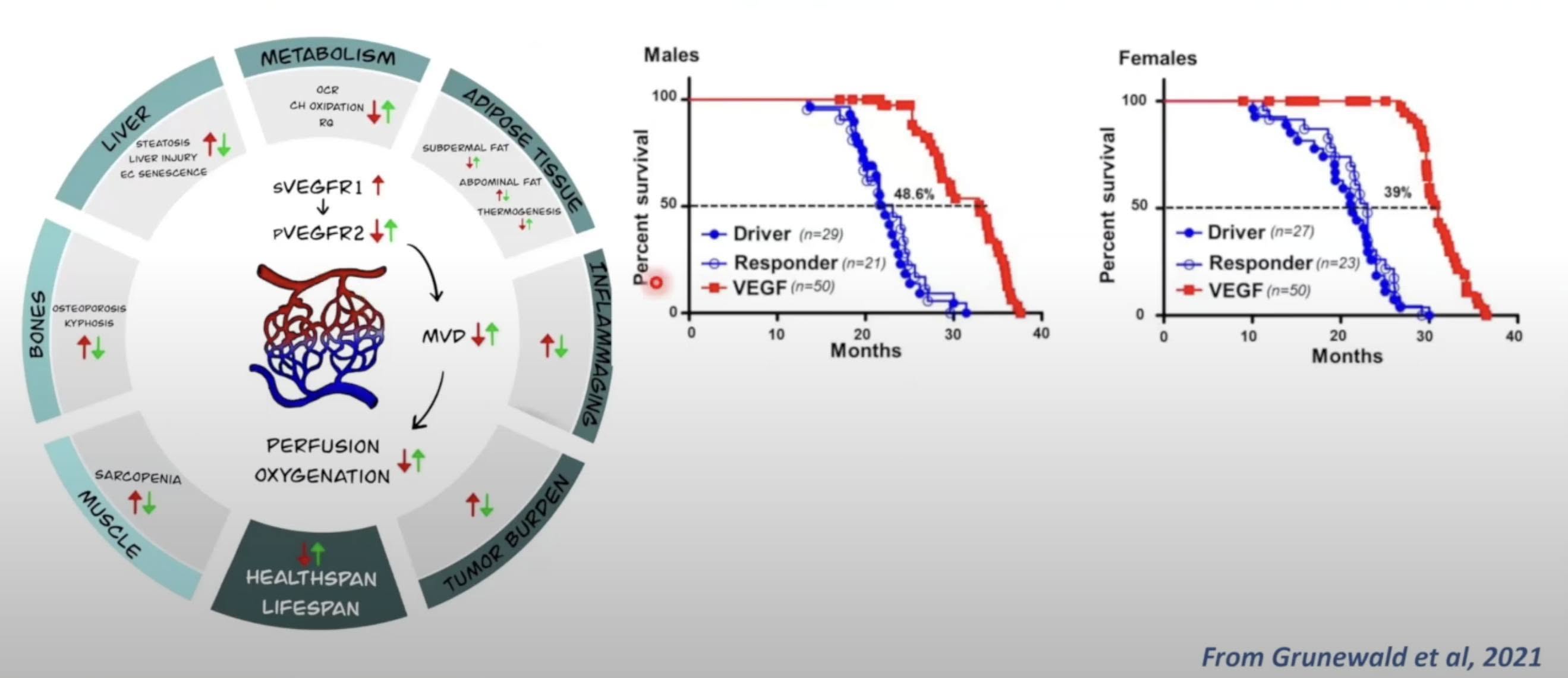
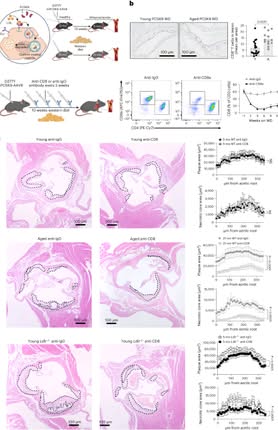
Engineered regulatory T cells targeting oxidized LDL cut plaque 70% in mice

Nov 22, 2025 · Gokhan Can ♥ 35 · 💬 7 Inflammation & CRP

Summarises a University of Pennsylvania preclinical study adapting CAR T therapy: Tregs engineered to recognise oxidized LDL dampened arterial inflammation and reduced plaque 70% in cholesterol-prone mice. Unlike cancer CAR-T, the cells suppress rather than destroy; it is a possible add-on for patients at risk despite cholesterol drugs.

Mutated blood stem cells (CHIP) may be a major cause of heart disease, doubling MI risk

Apr 08, 2024 · Louis Nervegna ♥ 14 · 💬 13 Inflammation & CRP

Louis explains clonal hematopoiesis (CHIP): age-related mutations in bone-marrow stem cells yield white blood cells that drive inflammation and plaque growth, and the same mutations link to leukemia. A quoted report says CHIP carriers had a 54% higher chance of dying within a decade, from heart attacks and strokes, and mouse transplants of CHIP-mutated cells produced fast-growing, inflamed plaques. Louis credits Gokhan Can for pointing him to this.

Alpha-ketoglutarate (AKG): longevity data in worms and mice, plus anti-thrombotic effects

Mar 02, 2024 · Gokhan Can ♥ 13 · 💬 13 Supplements & vitamins

Summarizes the case for the supplement AKG, which extended lifespan in worms by about 50% and healthspan in aged mice, apparently by mildly suppressing mitochondrial function and mimicking calorie restriction. The linked EBioMedicine paper suggests AKG inhibits thrombosis and inflammation. The human evidence for cardiovascular benefit is limited and the author notes he personally uses it.

Microplastics raised plaque 63% in male mice, with no change in cholesterol or weight

Dec 28, 2025 · Gokhan Can ♥ 13 · 💬 12 Environment (microplastics, pollution, heat)

Summarises a UC Riverside mouse study: atherosclerosis-prone mice given 10 mg/kg/day microplastics for nine weeks. Males had 63% more plaque in the aortic root and 624% more in the brachiocephalic artery; females had no significant increase. Weight and cholesterol were unchanged, suggesting direct endothelial damage and inflammation. Admin suggests high fiber and Finnish sauna as defenses (not from the study).

Whole wheat contains spermidine, an autophagy-triggering molecule removed by refining

Feb 08, 2026 · Gokhan Can ♥ 15 · 💬 14 Carbs, fiber, sugar & whole grains

Admin argues whole wheat keeps the wheat germ, which contains spermidine, while refining strips it. Spermidine triggers autophagy and extends life in mice and other animals; he proposes a heuristic that reproductive plant parts (nuts, seeds, beans, whole wheat) may carry rejuvenating molecules. Speculative, with no human outcome data cited.

Upcoming RCT will test red wine vs CVD; Louis explains why he drinks mild red wine

Jun 10, 2025 · Louis Nervegna ♥ 17 · 💬 7 Alcohol, smoking & vaping

Louis announces a planned 5-year randomized trial of red wine and cardiovascular disease, run in PREDIMED style by the same principal investigator, with cancer and all-cause mortality as secondary endpoints. Meanwhile he drinks red wine several days a week, citing PREDIMED data where a biomarker of mild-to-moderate wine intake was linked to 50% lower risk. This is a personal view, not proof of benefit.

Skepticism of a startup's claimed drug combo that mimics young blood for aging

Sep 09, 2026 · Louis Nervegna ♥ 12 · 💬 9 Aging & longevity

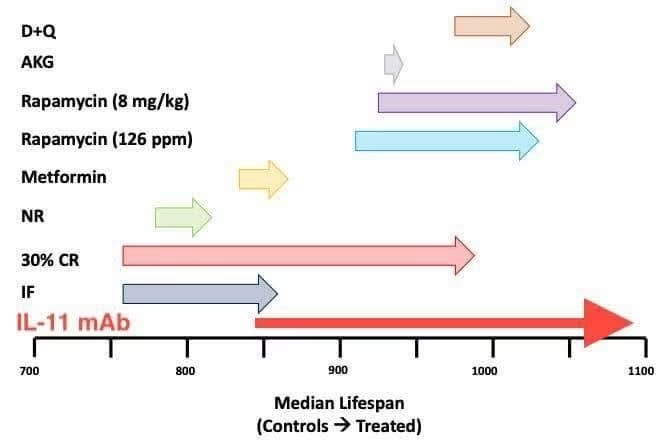
Louis comments on a startup claiming a two-drug combination replicates the effect of young blood. He says the underlying parabiosis science is real but the commercial rollout, based on anecdotes and a pay-to-play trial, endangers the field's reputation. He speculates the drugs are anti-inflammatory agents targeting cytokines such as IL-11 and TGF-beta.

Isoleucine and valine fuel prostate cancer by boosting tumor cholesterol

Aug 26, 2026 · Louis Nervegna ♥ 7 · 💬 9 Cancer

Louis notes that isoleucine, valine and methionine shorten mouse lifespan, and a 2026 Nature Metabolism study links isoleucine and valine to prostate cancer progression. Their breakdown produces propionyl-CoA, which enhances the cancer cells' cholesterol synthesis, transport and storage, supplying lipids for growth.

Aging stem cells open a direct platelet pathway that raises thrombosis risk (Cell 2024)

Jun 09, 2024 · Gokhan Can ♥ 5 · 💬 12 Heart attack, stroke & procedures

Shares the abstract of a Cell paper showing that with age, hematopoietic stem cells increasingly make platelets through a direct route that bypasses the usual progenitor cascade. The platelets from this pathway are more prone to thrombosis and cause higher platelet counts. It offers a possible cellular explanation for why clotting-related cardiovascular disease rises so steeply in older people.

Spermidine linked to lower mortality and cognitive decline, and longer lifespan in animals

Mar 16, 2024 · Gokhan Can ♥ 12 · 💬 4 Supplements & vitamins

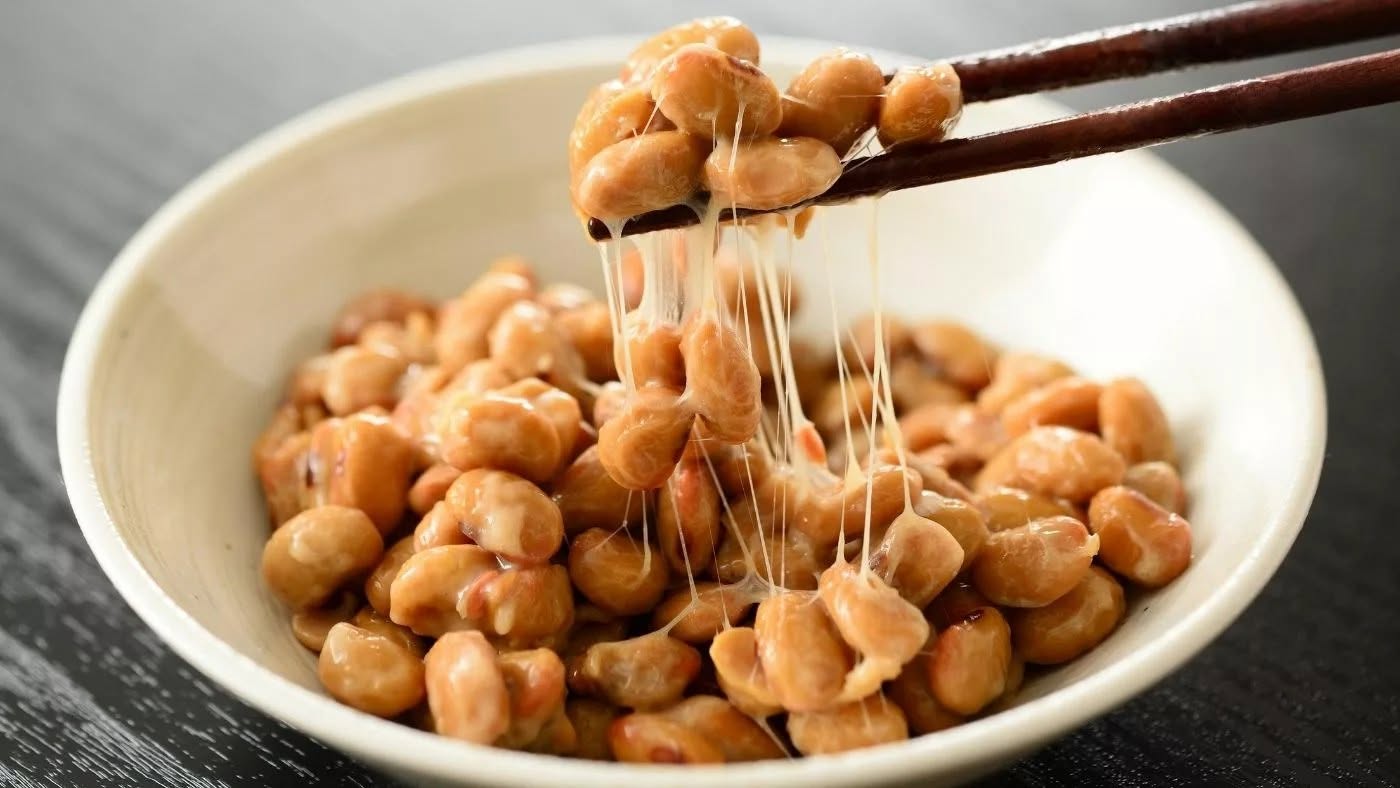
Summarizes studies on spermidine, an autophagy-inducing polyamine: higher dietary intake is associated with lower all-cause mortality and cognitive decline in humans, and it extends lifespan in animal models. Natto, wheat germ, mushrooms, soy products and aged cheese are rich sources, and supplementation appears well tolerated in older adults.

Cholesterol as a master regulator of blood stem cells, driving inflammatory hematopoiesis

Oct 19, 2025 · Gokhan Can ♥ 7 · 💬 4 Inflammation & CRP

Review of preclinical evidence that high LDL pulls hematopoietic stem cells out of dormancy, causing proliferation, oxidative stress, telomere shortening, impaired repopulation and lasting epigenetic changes that program blood and immune cells toward chronic inflammation. This offers a molecular basis for residual inflammatory risk after cholesterol is treated.

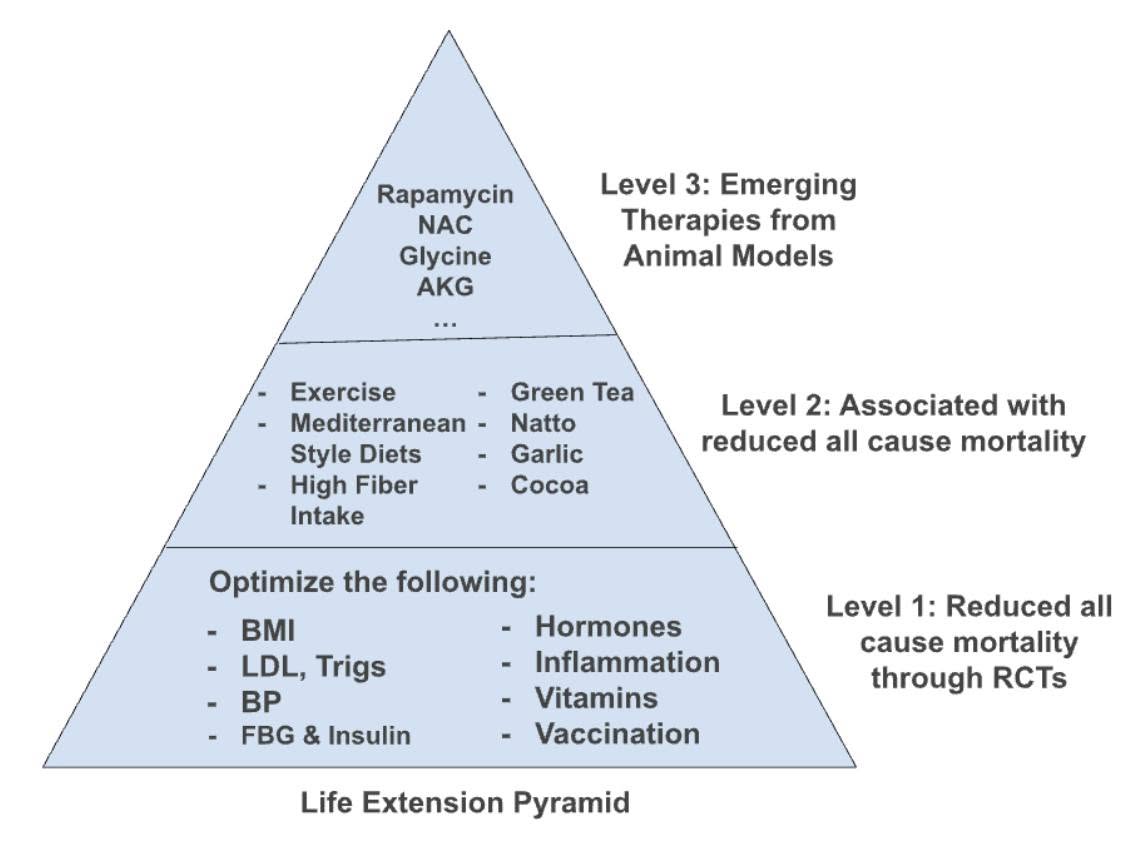
A framework for choosing longevity interventions: four evidence criteria

Dec 09, 2023 · Gokhan Can ♥ 15 · 💬 2 Aging & longevity

Outlines a strategy for deciding which longevity interventions to bet on: prefer those that lowered all-cause mortality in long human RCTs or are associated with longer human life, then mouse lifespan data with short human RCT support, then biomarker-guided treatment and personal N=1 tracking. The full post continues on the author's blog.

Two FDA-approved antibiotics induced heart regeneration in mice and pigs after ischemia

Mar 21, 2024 · Louis Nervegna ♥ 22 · 💬 1 Heart rhythm & heart failure

Louis shares news that two FDA-approved antibiotics, paromomycin and neomycin, were identified in Hesham Sadek's lab at UT Southwestern as inducing cardiomyocyte proliferation. In adult mice and in pigs after cardiac ischemia/reperfusion injury, the combination improved left ventricular systolic function and decreased scar formation. This is preclinical animal work.

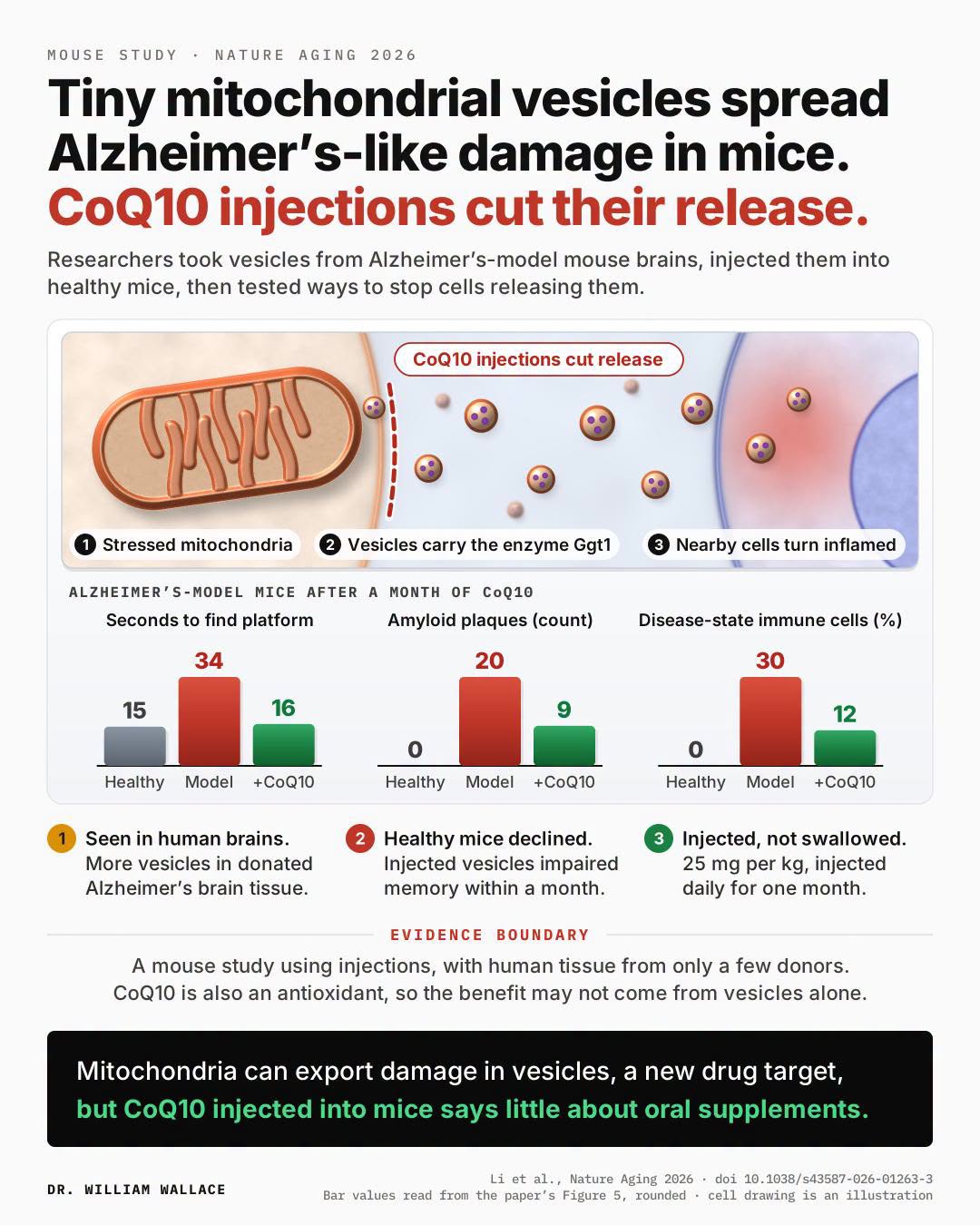
CoQ10 curbed Alzheimer's-like damage spread in mice; human CoQ10 trials disappointed

Nov 12, 2026 · Louis Nervegna ♥ 10 · 💬 3 Brain health & dementia

Louis shares a mouse study (Nature Aging) in which mitochondria-derived vesicles from Alzheimer's-model brains impaired memory in healthy mice and daily CoQ10 injections cut their release. Human CoQ10 trials in Alzheimer's were mostly disappointing, but it might still work as early prevention. Louis stresses mouse studies reveal mechanisms, not proof of benefit in humans.

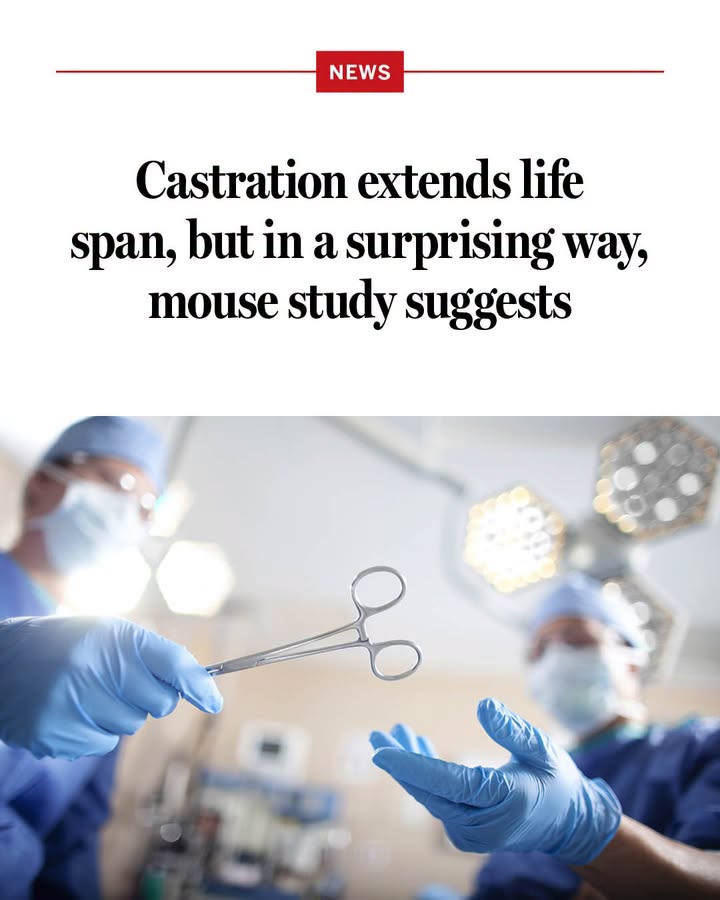
Neutering adult male mice extended lifespan over 30%, doubting testosterone as anti-aging

Nov 04, 2026 · Louis Nervegna ♥ 2 · 💬 8 Aging & longevity

Louis shares a preprint reported by Science in which neutering older male mice lengthened life by more than 30%, even when done in adulthood. He argues this undermines claims that raising testosterone in older men is anti-aging, noting no randomized trial shows benefit in men without clinical hypogonadism. It is mouse preprint data, not a human option.

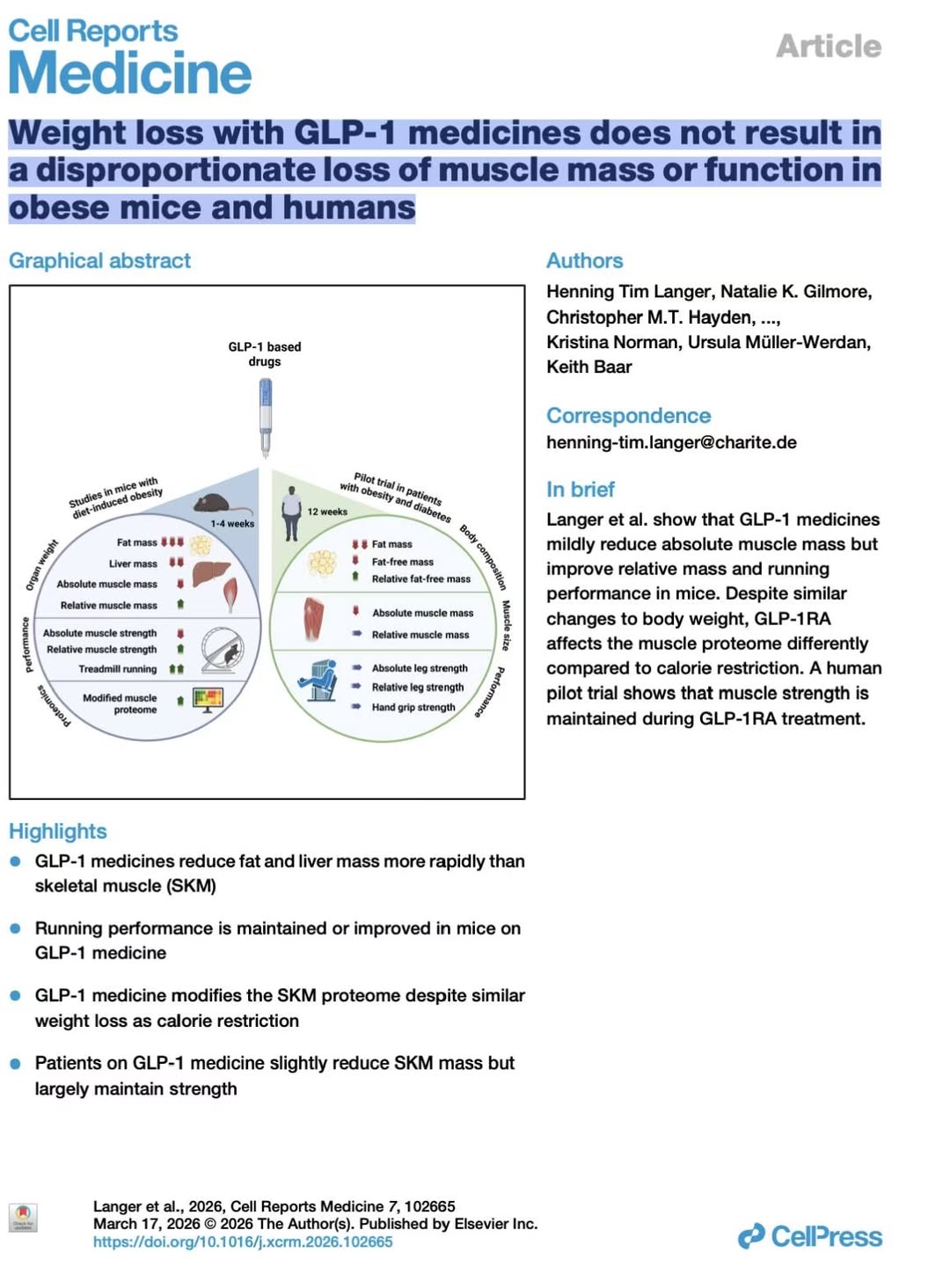
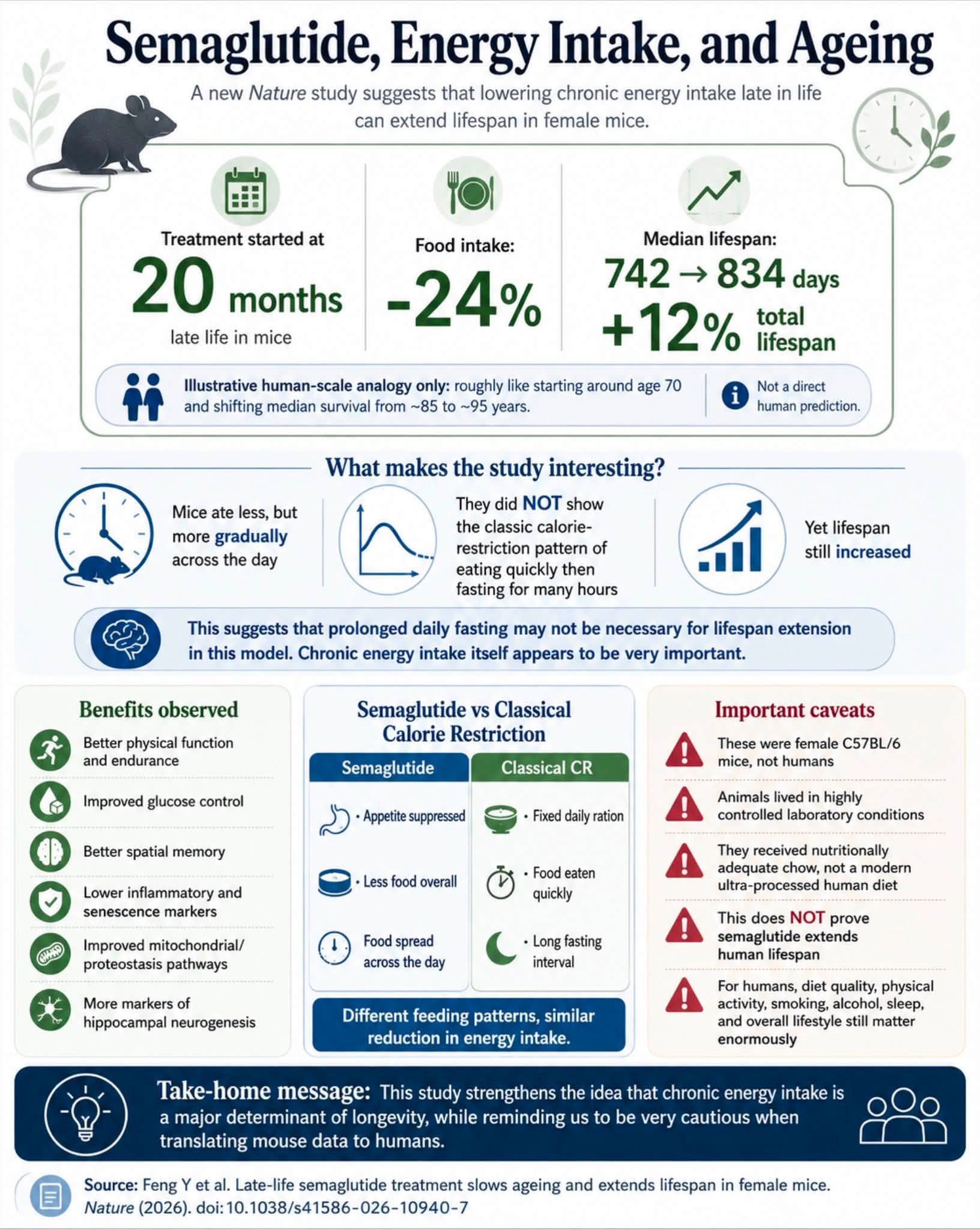
Semaglutide extended lifespan 12% in elderly female mice, hinting GLP-1 slows aging

Oct 29, 2026 · Louis Nervegna ♥ 3 · 💬 3 GLP-1 drugs (semaglutide, tirzepatide)

A Nature study found elderly female mice given semaglutide lived 12 percent longer than controls, regained curiosity and memory, and improved across hallmarks of aging. Louis notes the main mechanism is almost certainly calorie restriction. Researchers suggest slowed aging could explain GLP-1's benefits across heart, kidney, liver and brain conditions.

Gut-bacteria peptide corisin drives diabetic kidney fibrosis in mice

Aug 26, 2025 · Gokhan Can ♥ 8 · 💬 1 Kidney health

A study found the gut-bacteria peptide corisin is elevated in diabetic patients with CKD and tracks with severity. In mice, corisin travels to the kidney on albumin and accelerates aging, scarring and cell death, and a neutralizing antibody reduced kidney damage. Gokhan notes CKD almost always accompanies heart disease.

Bone marrow stem cells are limited by telomere shortening, not immortal

Jul 22, 2026 · Louis Nervegna ♥ 4 · 💬 1 Aging & longevity

Louis explains that bone marrow stem cells, which renew blood and help repair tissue including the heart, cannot divide indefinitely because of telomere shortening. He shares a study showing telomeric DNA damage signaling drives hematopoietic aging, and inhibiting it restored function in mice and human stem cells.

Mechanical stress on bones made mice live nearly 3 months longer via anti-aging signals

Nov 03, 2026 · Louis Nervegna ♥ 6 Exercise & fitness

A news report on a mouse study found that mechanical strain on the skeleton, similar to what occurs in exercise and resistance training, makes osteocytes secrete anti-aging chemicals. Gently squeezing leg bones extended mouse lifespan by nearly 3 months, roughly nine human years. A related study found bone stress improved memory and motor function after traumatic brain injury in mice and pigs.

Semaglutide extended elderly female mouse lifespan 12%; calorie restriction already known

Sep 14, 2026 · Louis Nervegna ♥ 5 GLP-1 drugs (semaglutide, tirzepatide)

A shared Nature study report says elderly female mice on semaglutide lived 12% longer and improved on aging hallmarks, matching or beating caloric restriction on several measures. Louis notes calorie restriction slowing aging in animals is well established. The caveats: inbred female mice, possible muscle loss in older people, and no human data.

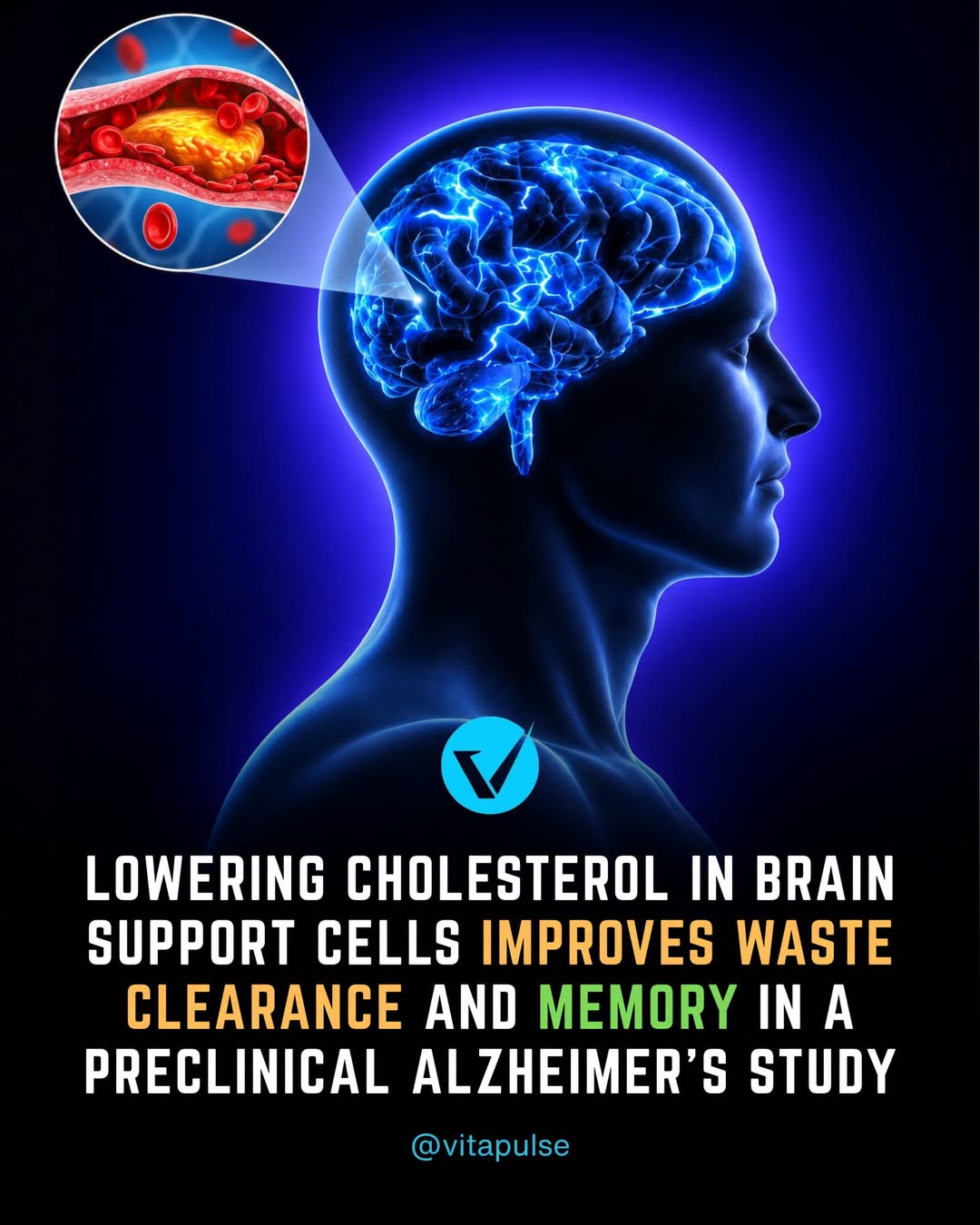
Amyloid-beta drives excess astrocyte cholesterol and impairs brain waste clearance in mice

Nov 03, 2026 · Louis Nervegna ♥ 2 Brain health & dementia

A Nature Neuroscience mouse study found amyloid-beta raises calcium activity in astrocytes, boosting cholesterol production and removing AQP4 water channels, which impairs the glymphatic waste-clearing system. Calming astrocytes, blocking cholesterol synthesis or giving atorvastatin restored clearance and memory in mice. Human trials are needed, but the mechanism may partly explain observational links between statin use and lower dementia risk.

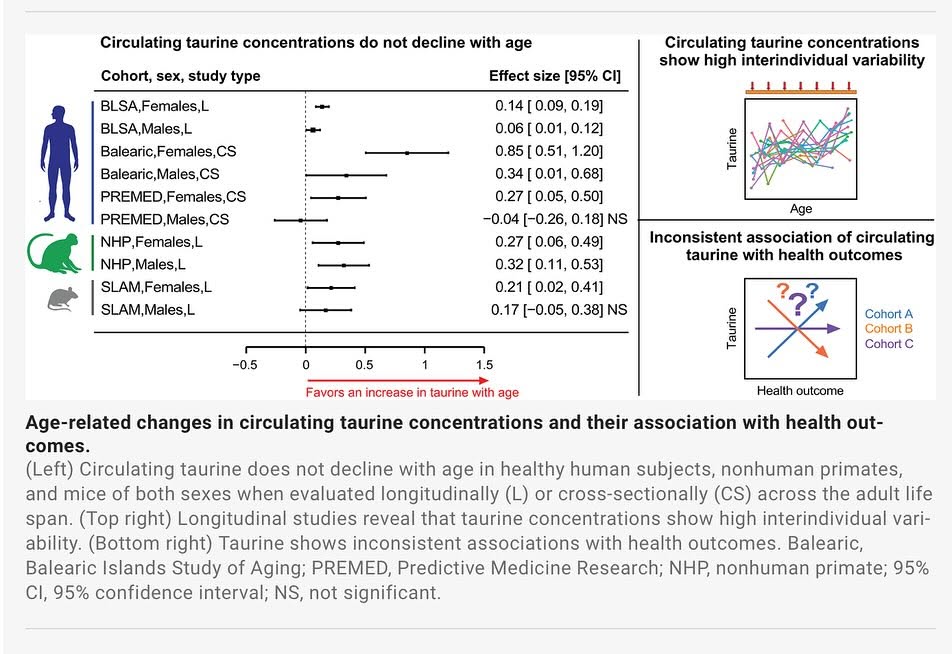
Taurine is not a reliable aging biomarker, says new multi-species study

Jun 07, 2025 · Louis Nervegna ♥ 1 ↩ 1 Aging & longevity

A shared summary of a large longitudinal study across humans (26-100 years), monkeys and mice finds taurine levels do not consistently fall with age, often rise (especially in women), and vary more between individuals than with age. The post notes that taurine, like NAD+ boosters and resveratrol, shows promise in animals but human evidence is limited.