HD-OPM Archive
Topics › Protein

Protein restriction and aging: animal benefits, no proven human lifespan gain

Louis Nervegna · Nov 14, 2026 · ♥ 4 reactions · 0 comments · original Facebook post
ProteinAging & longevity
AI summary & key facts

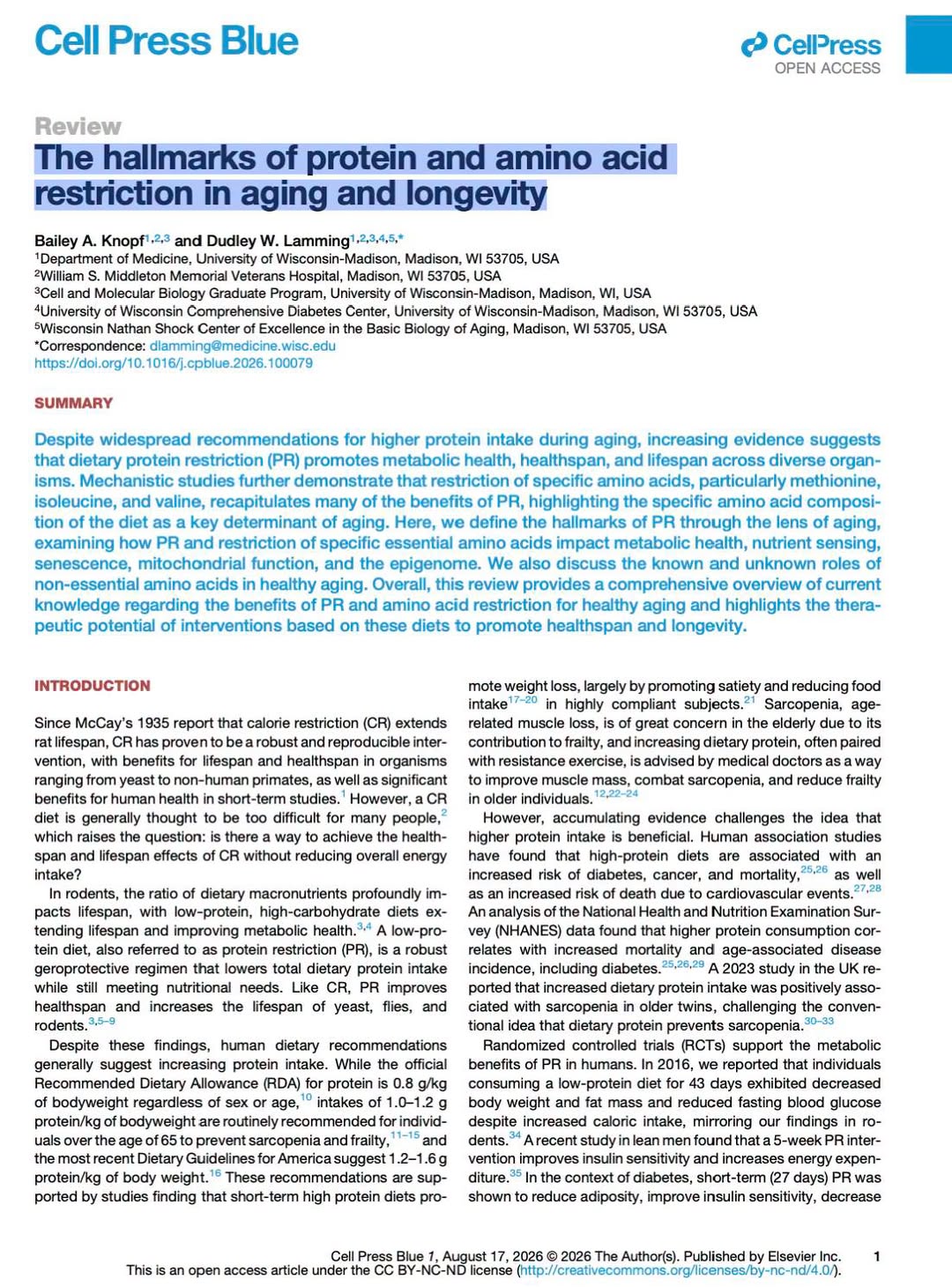
Louis shares a summary of a review (Knopf and Lamming) of protein and amino-acid restriction. Restricting methionine or the branched-chain amino acids isoleucine and valine drives many animal metabolic benefits, FGF21 is involved, but lifespan extension has not been shown in humans. The field is shifting from 'less protein' to which amino acids matter, and older or active adults may need more protein. Louis says protein is complicated and influencers oversimplify it.

Protein is complicated. Influencers have dramatically oversimplified it.

If you want to understand the nuances, I suggest reading this article: ↪ Six lines of evidence favor whole-food plant protein over red and processed meat.

#proteinHD #proteinrestrictionHD #isoleucineHD #valineHD #methionineHD #dudleylammingHD #fgf21HD
Research cited

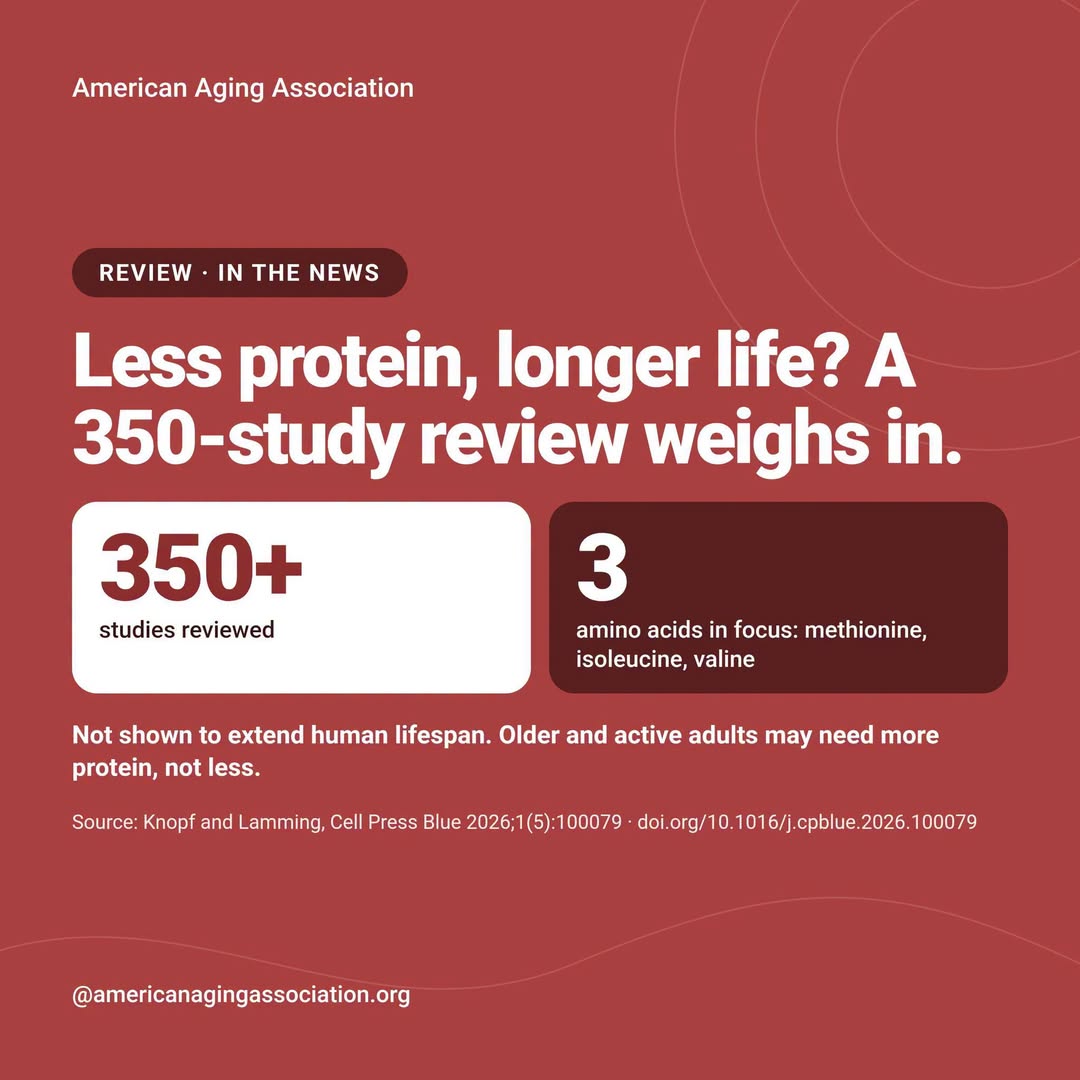
Does eating less protein help you live longer? A review of 350+ studies gives a nuanced answer.

Knopf and Lamming University of Wisconsin-Madison pulled together the evidence on protein and amino acid restriction.

Key insights:

What it means for interventions: the field is moving from "less protein" toward which amino acids matter, and human trials are the missing piece.

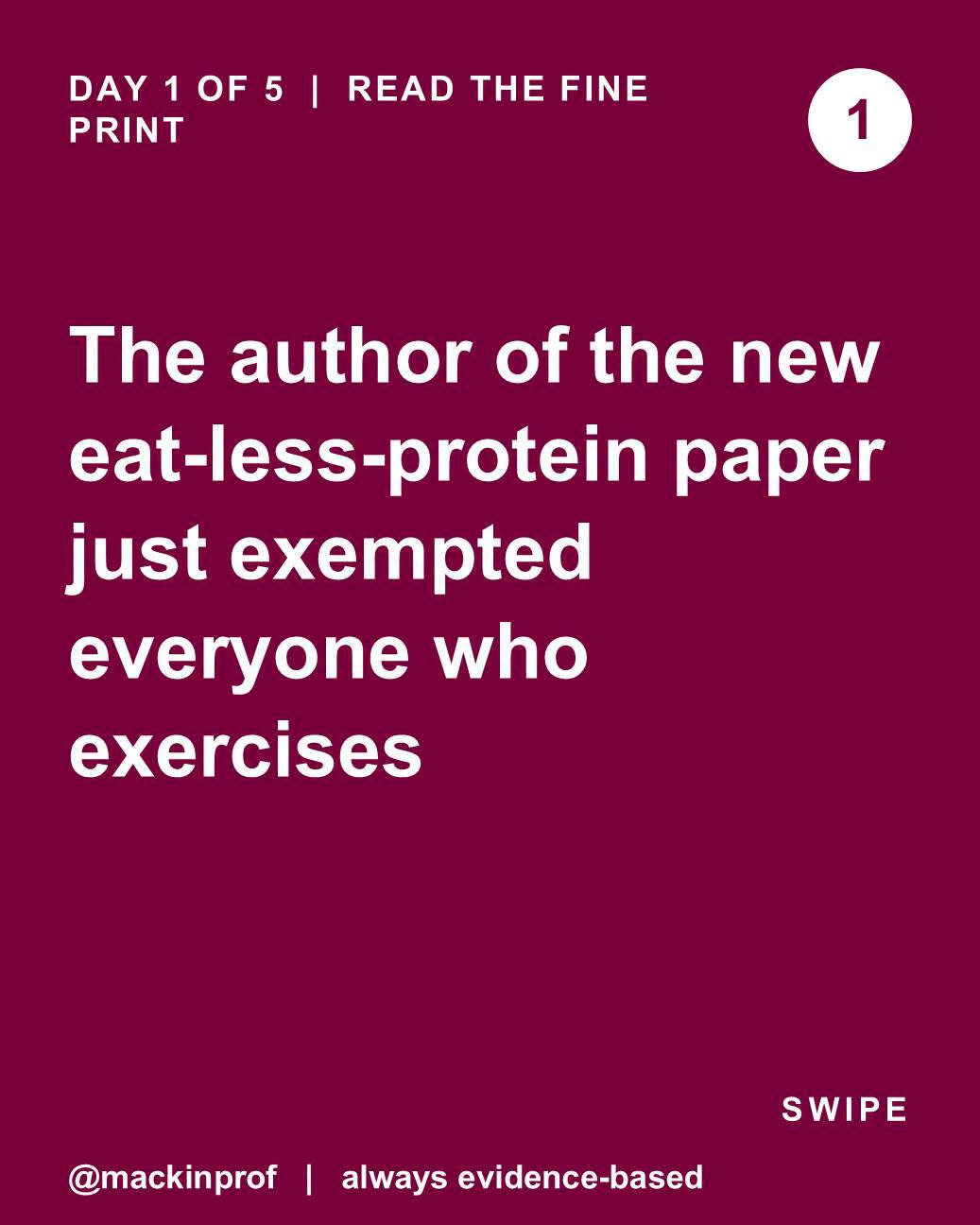
Older and physically active adults may need more protein, not less, so this is not a case for cutting protein.

Where do you land on protein and healthy aging? Share your take, and follow AGE for the research behind the headlines.

Source: Knopf and Lamming, Cell Press Blue 2026;1(5):100079. The hallmarks of protein and amino acid restriction in aging and longevity. (Cell Press Blue, 2026)

#Aging #Nutrition #Geroscience #Longevity

May be a graphic of text
← newer: Daily multivitamin slowed cognitive aging by about two yearsolder: Cocoa flavanols lower blood pressure and cut cardiovascular →