🧬 ALT vs AST
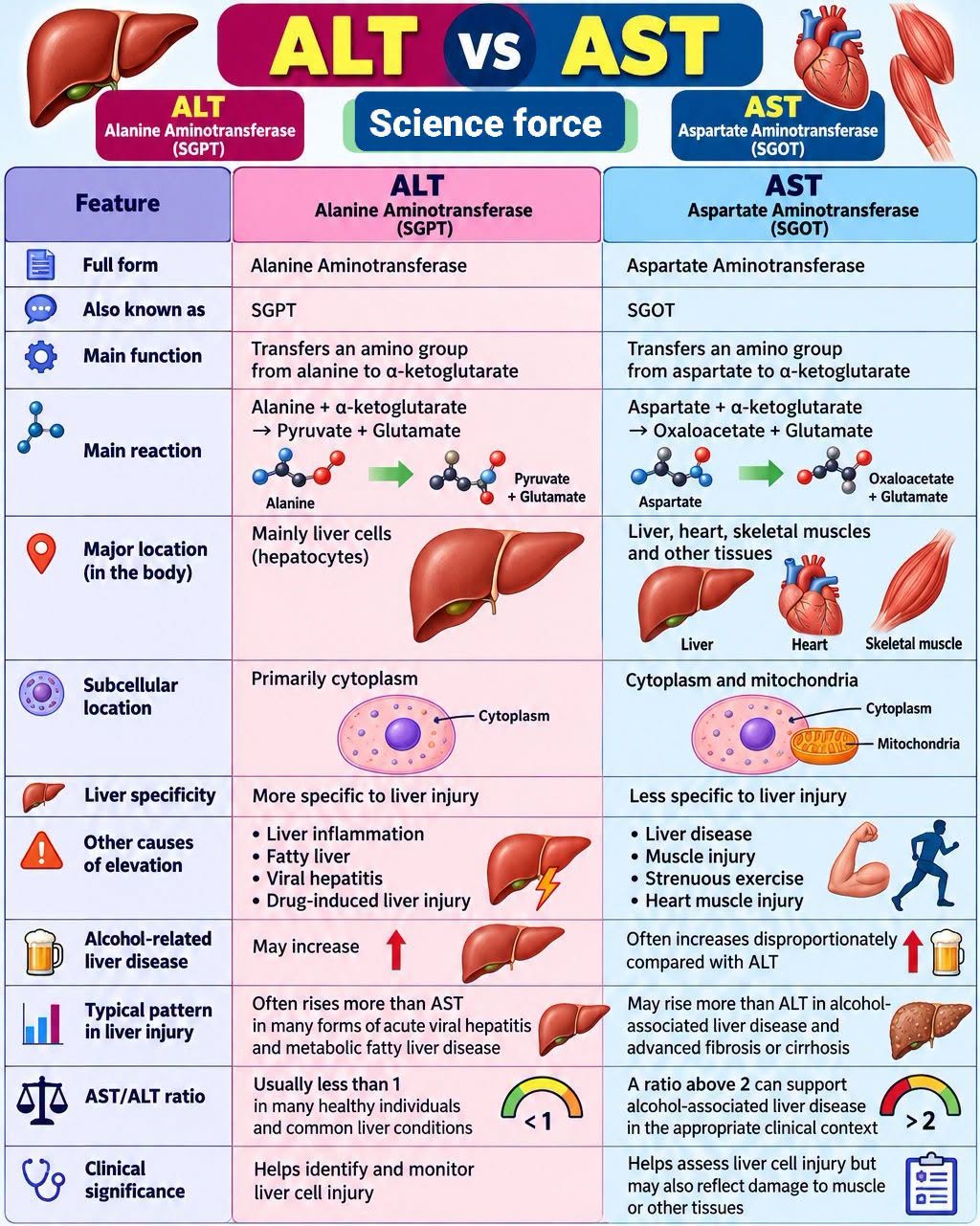
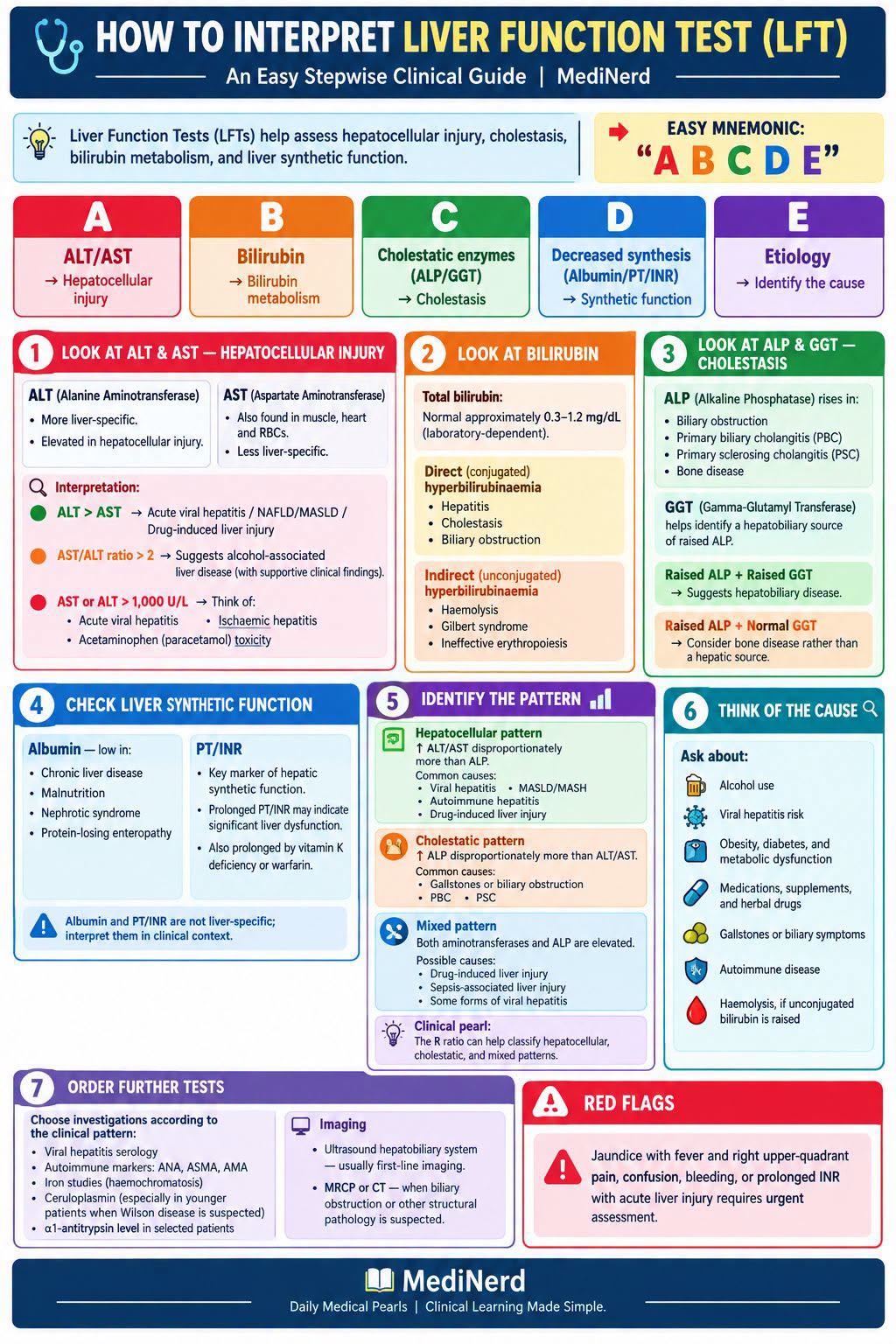
ALT and AST are enzymes that play important roles in amino acid metabolism. They are commonly measured in a liver function test (LFT) to help identify and monitor damage to liver cells and, in the case of AST, potentially other tissues.
Although both enzymes are involved in transferring amino groups, their distribution in the body and their clinical significance differ.
- Full forms and other names
🟢 ALT — Alanine Aminotransferase
ALT is an enzyme that catalyses the transfer of an amino group from alanine to alpha-ketoglutarate. It is also known as SGPT (Serum Glutamic-Pyruvic Transaminase).
🔵 AST — Aspartate Aminotransferase
AST catalyses the transfer of an amino group from aspartate to alpha-ketoglutarate. It is also known as SGOT (Serum Glutamic-Oxaloacetic Transaminase).
Both enzymes are called aminotransferases or transaminases because they transfer amino groups from one molecule to another.
- Main functions of ALT and AST
🟢 ALT function
ALT participates in the conversion of alanine into pyruvate. Pyruvate can enter energy-producing pathways or be used to produce glucose through gluconeogenesis.
🔵 AST function
AST converts aspartate into oxaloacetate. Oxaloacetate can participate in the citric acid cycle and other metabolic pathways.
These reactions are reversible and depend on the metabolic conditions in the cell. Both enzymes require pyridoxal phosphate (PLP), the active form of vitamin B6, as a cofactor.
- Chemical reactions catalysed by the enzymes
🟢 ALT reaction
Alanine+α-ketoglutarate⇌Pyruvate+Glutamate
In this reaction:
Alanine donates its amino group.
Alpha-ketoglutarate accepts the amino group and becomes glutamate.
Alanine becomes pyruvate.
Why is this important? Pyruvate connects amino acid metabolism with glucose metabolism and energy production. In the liver, it can be used for gluconeogenesis, the production of glucose from non-carbohydrate sources.
🔵 AST reaction
Aspartate+α-ketoglutarate⇌Oxaloacetate+Glutamate
In this reaction:
Aspartate donates its amino group.
Alpha-ketoglutarate accepts the amino group and becomes glutamate.
Aspartate becomes oxaloacetate.
Why is this important? Oxaloacetate participates in the citric acid cycle, which supports cellular energy metabolism. AST also contributes to amino acid metabolism and the malate-aspartate shuttle, which helps transfer reducing equivalents into mitochondria.
- Major locations in the body
ALT is concentrated mainly in liver cells, also called hepatocytes. It is present in other tissues too, but its distribution makes it more useful as a marker of liver cell injury.
AST is distributed more widely throughout the body. Important locations include the liver, heart muscle, skeletal muscles, kidneys and other tissues.
This difference helps doctors interpret elevated enzyme levels.
For example, if AST rises after intense exercise while ALT remains relatively normal, muscle injury may be one possible explanation. However, laboratory findings and the person's symptoms must be considered before drawing conclusions.
- Subcellular location
ALT: Mainly cytoplasmic
Much of ALT activity is found in the cytoplasm, the fluid-filled region inside the cell where many metabolic reactions occur.
AST: Cytoplasmic and mitochondrial
AST has cytoplasmic and mitochondrial forms. Mitochondria are the organelles responsible for many energy-producing reactions.
When cells are damaged, enzymes can leak into the bloodstream. Because AST has a mitochondrial form as well as a cytoplasmic form, the pattern of AST elevation can sometimes provide additional clues about the type or severity of tissue injury. It is not, however, a direct measure of mitochondrial damage.
- Liver specificity
🟢 ALT is generally more specific to liver injury than AST.
An elevated ALT often points towards liver cell injury, especially when accompanied by other abnormal liver-related tests.
🔵 AST is less specific to the liver.
AST can increase due to liver disease, skeletal muscle injury, strenuous exercise and some cardiac or other tissue injuries.
Remember that neither enzyme identifies a particular disease by itself. Elevated results indicate possible cellular injury and must be interpreted with the person's medical history, symptoms and other tests.
- Causes of elevated ALT
zoomer
ALT can rise when liver cells are injured and release the enzyme into the bloodstream.
Common causes include:
Metabolic dysfunction-associated steatotic liver disease (MASLD): Fat accumulates in the liver and may cause inflammation and cellular injury.
Viral hepatitis: Infections such as hepatitis A, B or C can injure hepatocytes.
Alcohol-associated liver disease: Alcohol can damage liver cells, although AST may rise more than ALT in some cases.
Medication-related liver injury: Certain medicines and supplements can cause liver damage.
Autoimmune hepatitis: The immune system attacks liver tissue.
Other liver conditions: Bile-related disorders and inherited metabolic diseases may also be associated with elevated ALT.
ALT can also be elevated for reasons unrelated to primary liver disease, and a normal ALT does not completely exclude liver disease.
- Causes of elevated AST
AST can increase in liver disease, but because it is present in multiple tissues, doctors also consider other possible sources.
Liver injury: Viral hepatitis, fatty liver disease, alcohol-associated liver disease and other liver conditions.
Muscle injury: Muscle trauma, muscle disorders or damage caused by strenuous exercise.
Cardiac injury: Heart muscle injury can release AST, although modern cardiac troponin testing is much more useful for evaluating suspected heart attacks.
Other causes: Certain medicines, hemolysis (breakdown of red blood cells in a specimen or within the body) and other conditions may affect AST results.
For example, a person with muscle pain and elevated AST may need a creatine kinase (CK) test to help determine whether the enzyme elevation is coming from skeletal muscle.
- ALT and AST in alcohol-associated liver disease
In alcohol-associated liver disease, AST may be higher than ALT, sometimes with an AST/ALT ratio greater than 2.
Several factors can contribute to this pattern, including mitochondrial injury and reduced ALT activity associated with vitamin B6 deficiency in some affected individuals.
However, this pattern is not present in every case, and a ratio above 2 does not prove that alcohol is the cause. Other liver conditions can also produce AST-predominant elevations.
- Typical patterns in liver injury
The relationship between ALT and AST can help clinicians narrow down possible causes.
In many cases of acute viral hepatitis: ALT may rise more than AST, sometimes substantially.
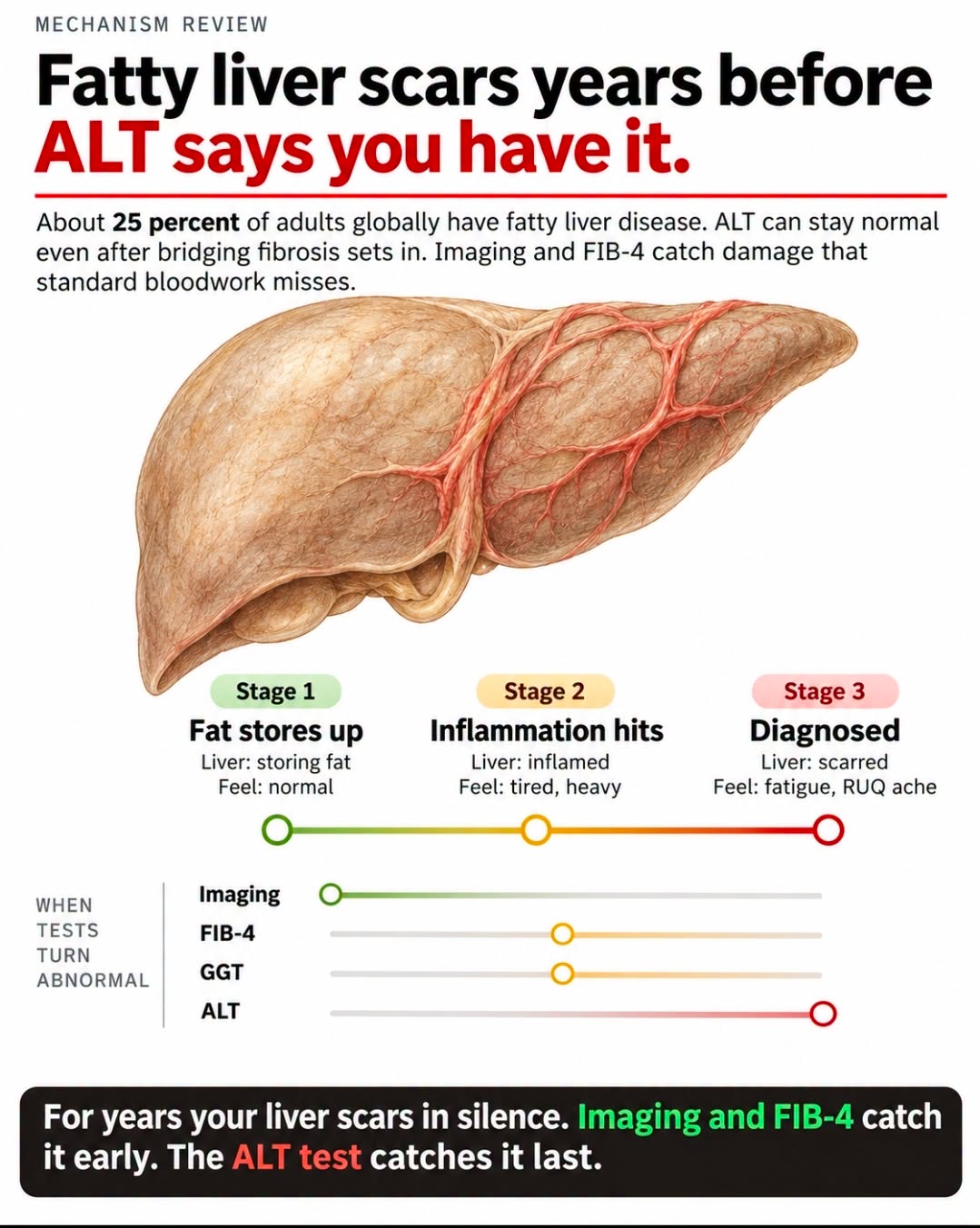
In metabolic fatty liver disease: ALT may be higher than AST, particularly in earlier stages. In advanced fibrosis or cirrhosis, this pattern may change.
In alcohol-associated liver disease: AST may be higher than ALT.
In advanced liver disease: AST may exceed ALT, but this is not universal and should not be used alone to determine disease severity.
The absolute enzyme levels, other laboratory results, symptoms and clinical history are more informative than the ratio alone.
- Clinical significance: What do these tests tell us?
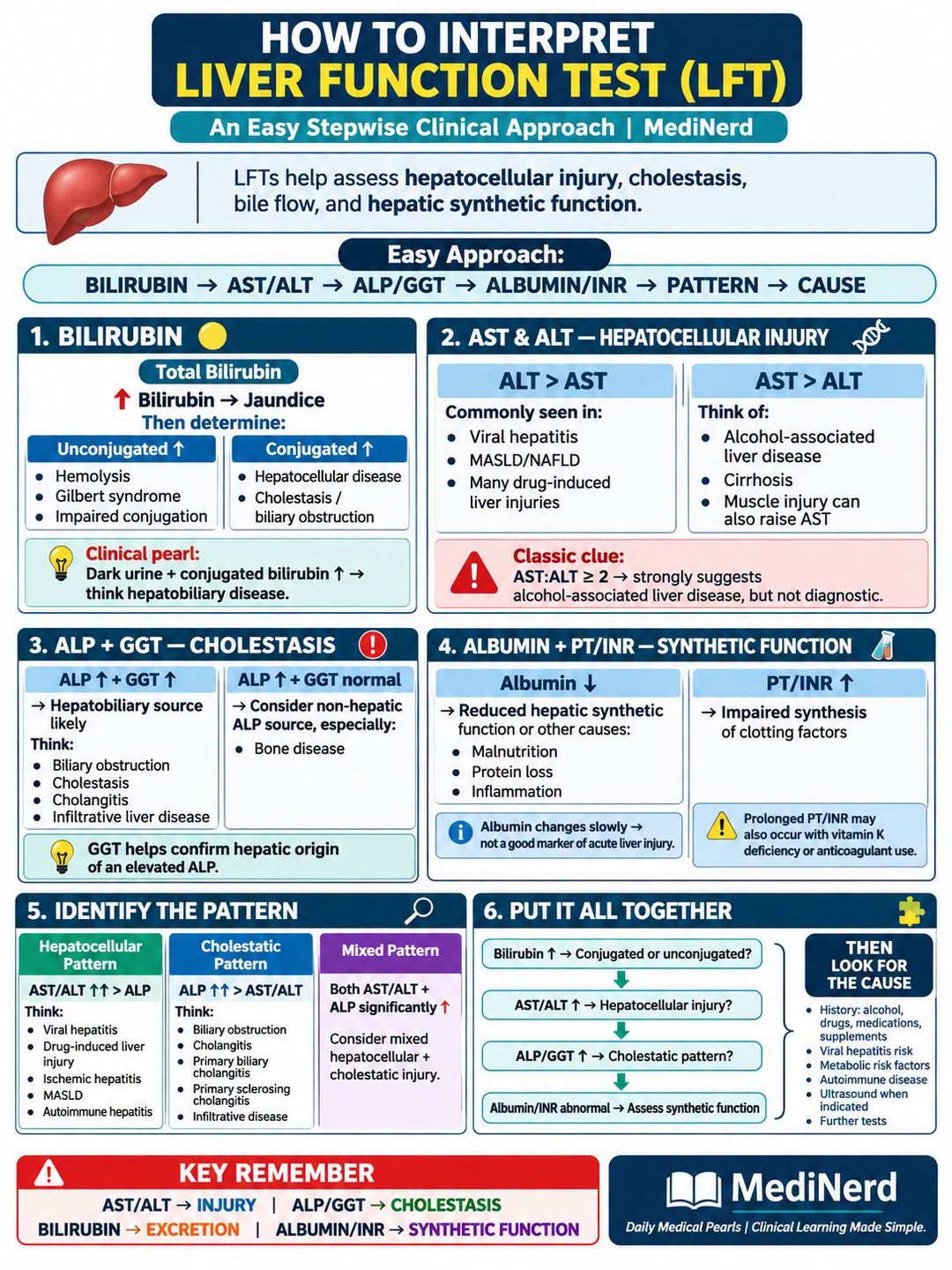
ALT and AST are primarily markers of cellular injury, not direct measurements of how well the liver performs its functions.
When liver cells are injured, ALT and AST may leak into the bloodstream. Their levels can help clinicians detect and monitor injury, but they do not measure the liver's entire functional capacity.
Other tests provide complementary information:
Bilirubin: Helps assess bilirubin processing and excretion.
Albumin: Provides information about protein production by the liver, although other conditions also affect it.
PT/INR: Helps assess blood clotting and may provide important information about liver synthetic function.
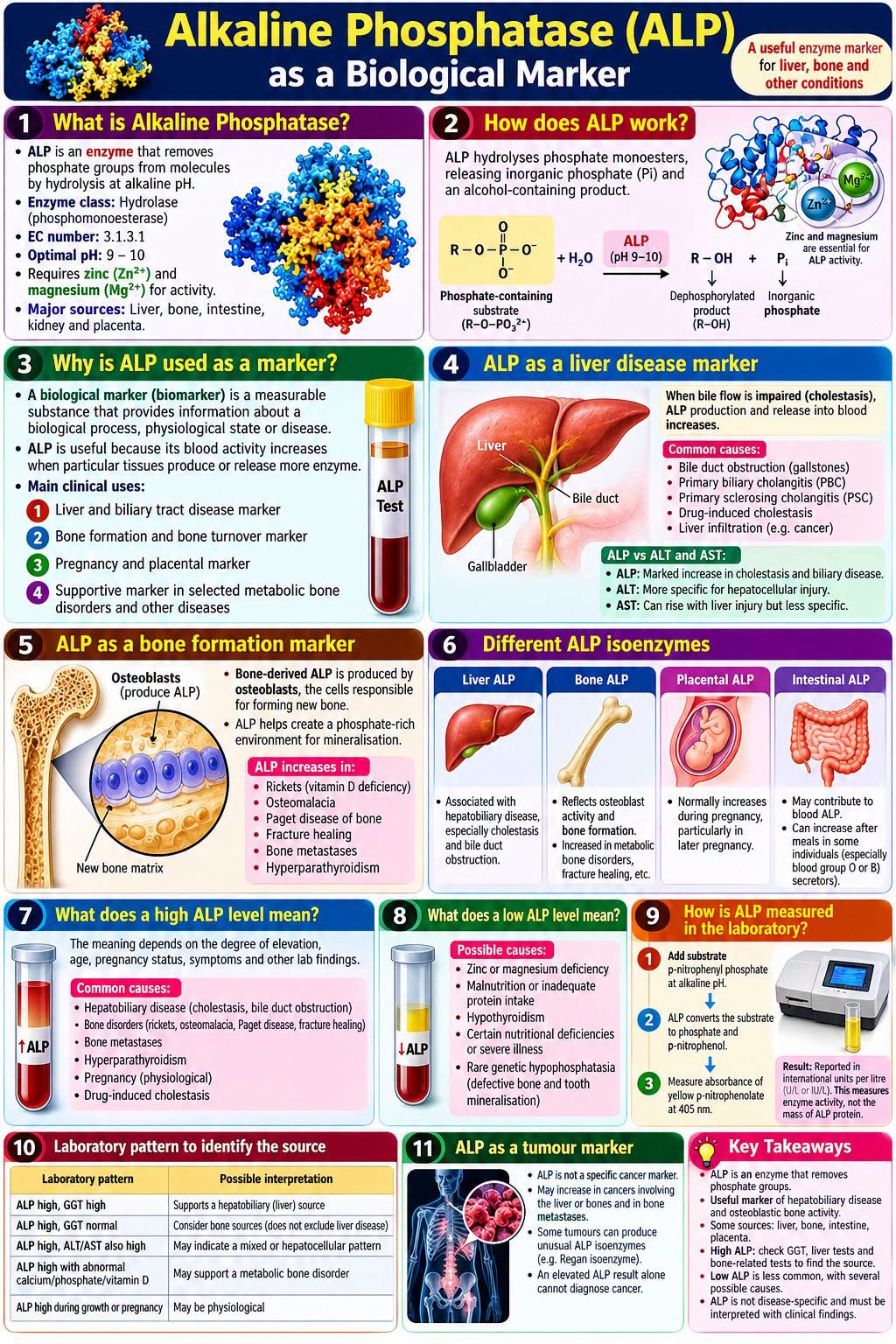
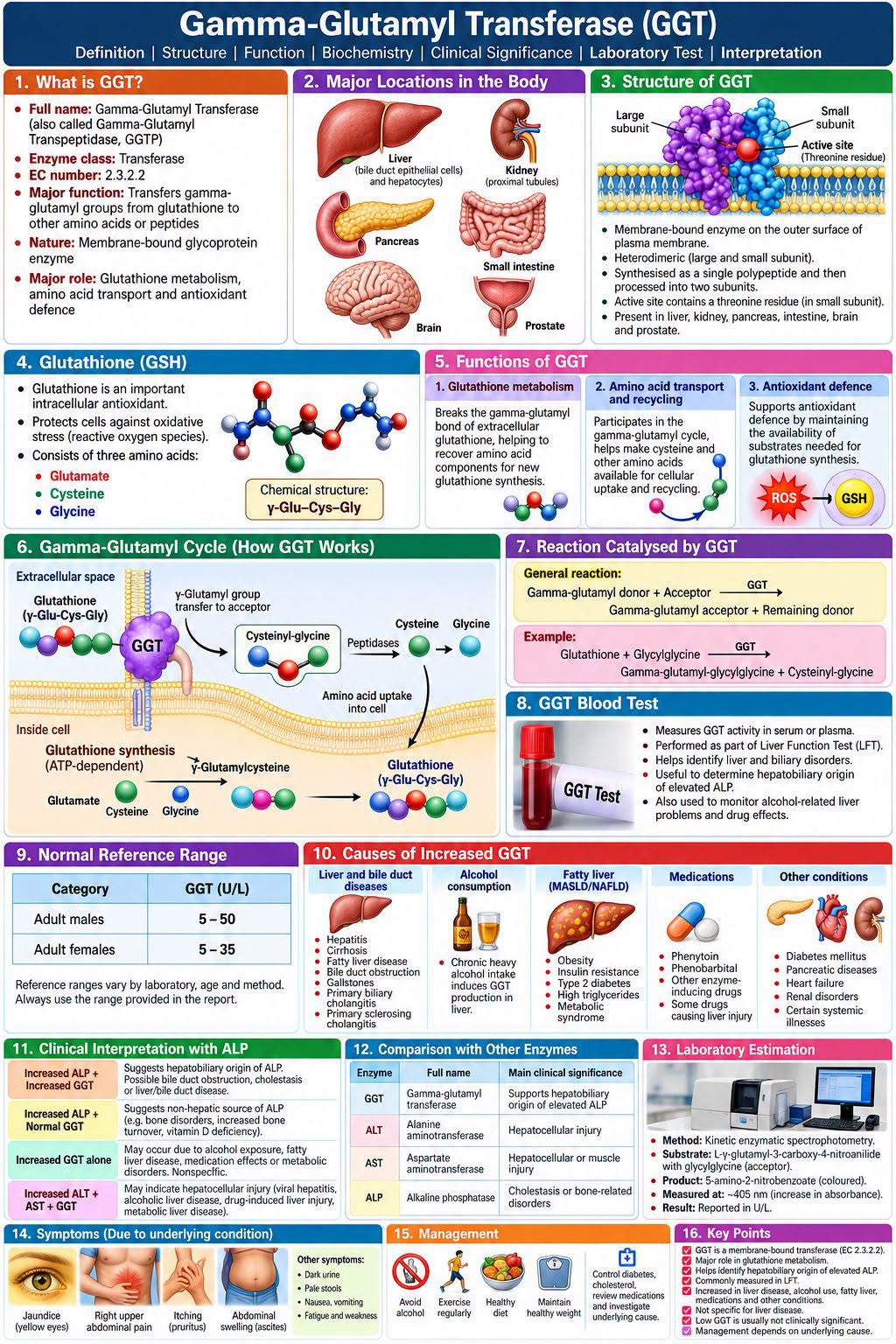
ALP and GGT: Help evaluate certain bile duct and liver-related conditions.
CK: Can help identify skeletal muscle injury when AST elevation may be muscle-related.
A person can have significant chronic liver disease despite normal or only mildly elevated ALT and AST. Likewise, very high enzyme levels do not automatically mean that liver function has failed.
#scienceforce #sciencefacts #facts #biology #biologyfacts #enzymes #clinicalbiochemistry