🧬 Gamma-Glutamyl Transferase (GGT):
Have you ever wondered why doctors request a GGT (Gamma-Glutamyl Transferase) test along with other liver function tests?
GGT is an important enzyme involved in glutathione metabolism, amino acid recycling and antioxidant defence. It is also a valuable biochemical marker used in evaluating liver and bile duct disorders.
1️⃣ What is Gamma-Glutamyl Transferase (GGT)?
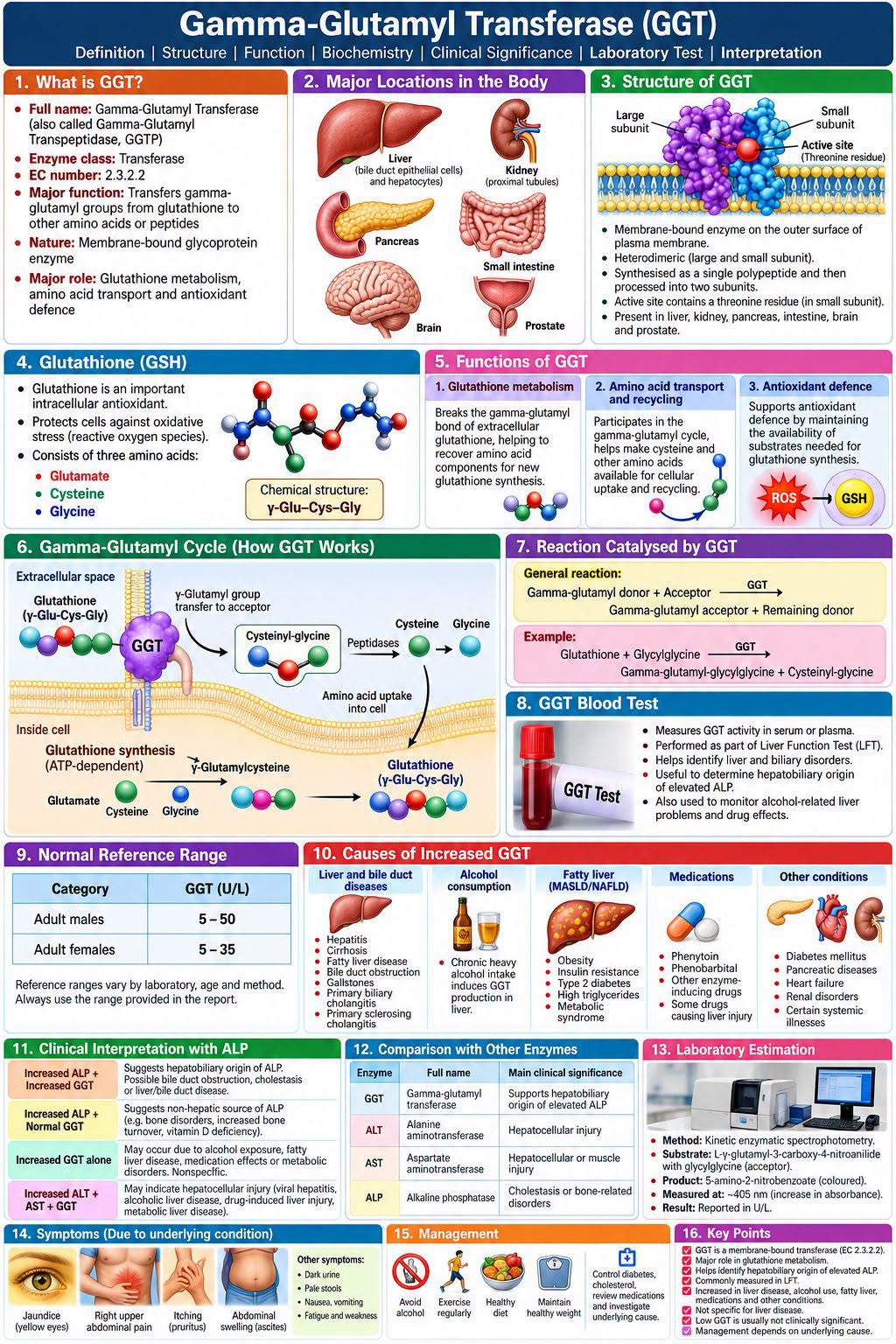
Gamma-Glutamyl Transferase (GGT), also called Gamma-Glutamyl Transpeptidase (GGTP), is a membrane-bound enzyme belonging to the transferase class.
🔬 Important characteristics:
- Full name: Gamma-Glutamyl Transferase.
- Abbreviation: GGT or GGTP.
- Enzyme classification: Transferase.
- EC number: 2.3.2.2.
- Major function: Transfers gamma-glutamyl groups from glutathione to acceptor molecules.
- Major biochemical role: Glutathione metabolism.
GGT is a glycoprotein enzyme attached to the outer surface of the plasma membrane.
It is initially synthesised as a single polypeptide and subsequently processed into two subunits: a large subunit and a small subunit.
The active site contains a threonine residue in the small subunit, which participates in the enzyme's catalytic activity.
2️⃣ Where is GGT found in the human body?
GGT is present in several organs and tissues.
🫀 Liver: Present particularly in bile duct epithelial cells and on hepatocyte membranes.
🫘 Kidneys: Highly expressed in the proximal renal tubules, where it participates in glutathione metabolism.
🧠 Brain: Present in specific brain tissues.
🥗 Small intestine: Participates in extracellular glutathione breakdown and amino acid recycling.
🧬 Pancreas: Contains GGT in its cellular membranes.
Additionally, GGT is found in the prostate.
Although GGT is distributed throughout the body, increased serum GGT is commonly associated with hepatobiliary abnormalities.
3️⃣ What is Glutathione (GSH)?
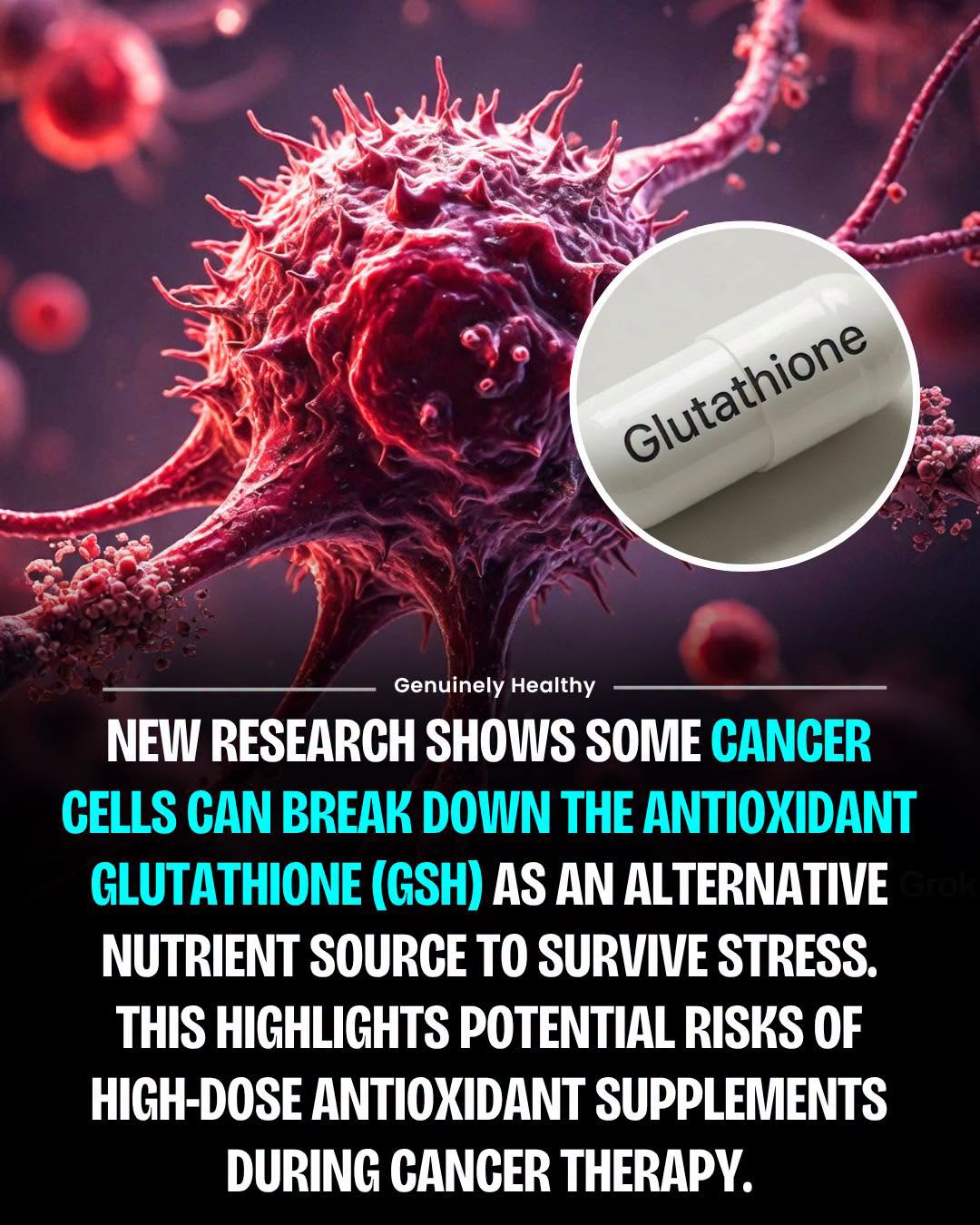
Glutathione is one of the most important intracellular antioxidants.
It protects cells against oxidative stress caused by reactive oxygen species (ROS).
🧪 Glutathione is a tripeptide consisting of three amino acids:
- Glutamate
- Cysteine
- Glycine
Its chemical structure is:
γ-Glu–Cys–Gly
🌟 Major functions of glutathione:
- Protects cells against oxidative damage.
- Helps neutralise reactive oxygen species.
- Participates in detoxification reactions.
- Maintains cellular redox balance.
- Protects proteins and cellular membranes from oxidative damage.
GGT plays an important role in recycling the amino acid components required for glutathione synthesis.
4️⃣ Major Functions of GGT
GGT has three important physiological functions.
🔬 A. Glutathione metabolism
GGT breaks the gamma-glutamyl bond of extracellular glutathione.
This releases cysteinyl-glycine and transfers the gamma-glutamyl group to an acceptor molecule or water.
The resulting peptides can be further broken down to release amino acids.
These amino acids can be reused by cells for glutathione synthesis.
🧬 B. Amino acid transport and recycling
GGT participates in the gamma-glutamyl cycle.
It helps make amino acid components, particularly cysteine, available for cellular uptake and recycling.
Cysteine is an important substrate for glutathione production.
🛡️ C. Antioxidant defence
GGT indirectly supports antioxidant defence by maintaining the availability of substrates needed for glutathione synthesis.
Glutathione helps protect cells against oxidative stress.
5️⃣ Gamma-Glutamyl Cycle: How Does GGT Work?
The gamma-glutamyl cycle is a biochemical pathway associated with glutathione metabolism.
🔹 Step 1: Extracellular glutathione
Glutathione (GSH) is released into the extracellular environment.
🔹 Step 2: Action of GGT
GGT acts on extracellular glutathione and transfers its gamma-glutamyl group to an acceptor molecule.
🔹 Step 3: Formation of cysteinyl-glycine
The remaining cysteinyl-glycine dipeptide is broken down by peptidases.
It produces:
🔹 Step 4: Amino acid uptake
The released amino acids become available for cellular uptake.
🔹 Step 5: Glutathione synthesis
Inside the cell, glutathione is synthesised through two ATP-dependent reactions.
First reaction:
Glutamate + Cysteine →Gamma-glutamylcysteine
Enzyme: Glutamate-cysteine ligase (GCL).
Second reaction:
Gamma-glutamylcysteine + Glycine →Glutathione
Enzyme: Glutathione synthetase (GSS).
Thus, GGT contributes to glutathione component recycling and cellular antioxidant defence.
6️⃣ Chemical Reaction Catalysed by GGT
GGT catalyses the transfer of a gamma-glutamyl group from a donor molecule to an acceptor molecule.
🧪 General reaction:
Gamma-glutamyl donor + Acceptor
⬇️ GGT
Gamma-glutamyl acceptor + Remaining donor
Example:
Glutathione + Glycylglycine
⬇️ GGT
Gamma-glutamyl-glycylglycine + Cysteinyl-glycine
This transfer reaction forms the biochemical basis of commonly used laboratory GGT assays.
7️⃣ What Is the GGT Blood Test?
The GGT blood test measures gamma-glutamyl transferase enzyme activity in serum or plasma.
🩸 Doctors commonly request this test for:
- Investigating suspected liver disease.
- Evaluating possible bile duct obstruction.
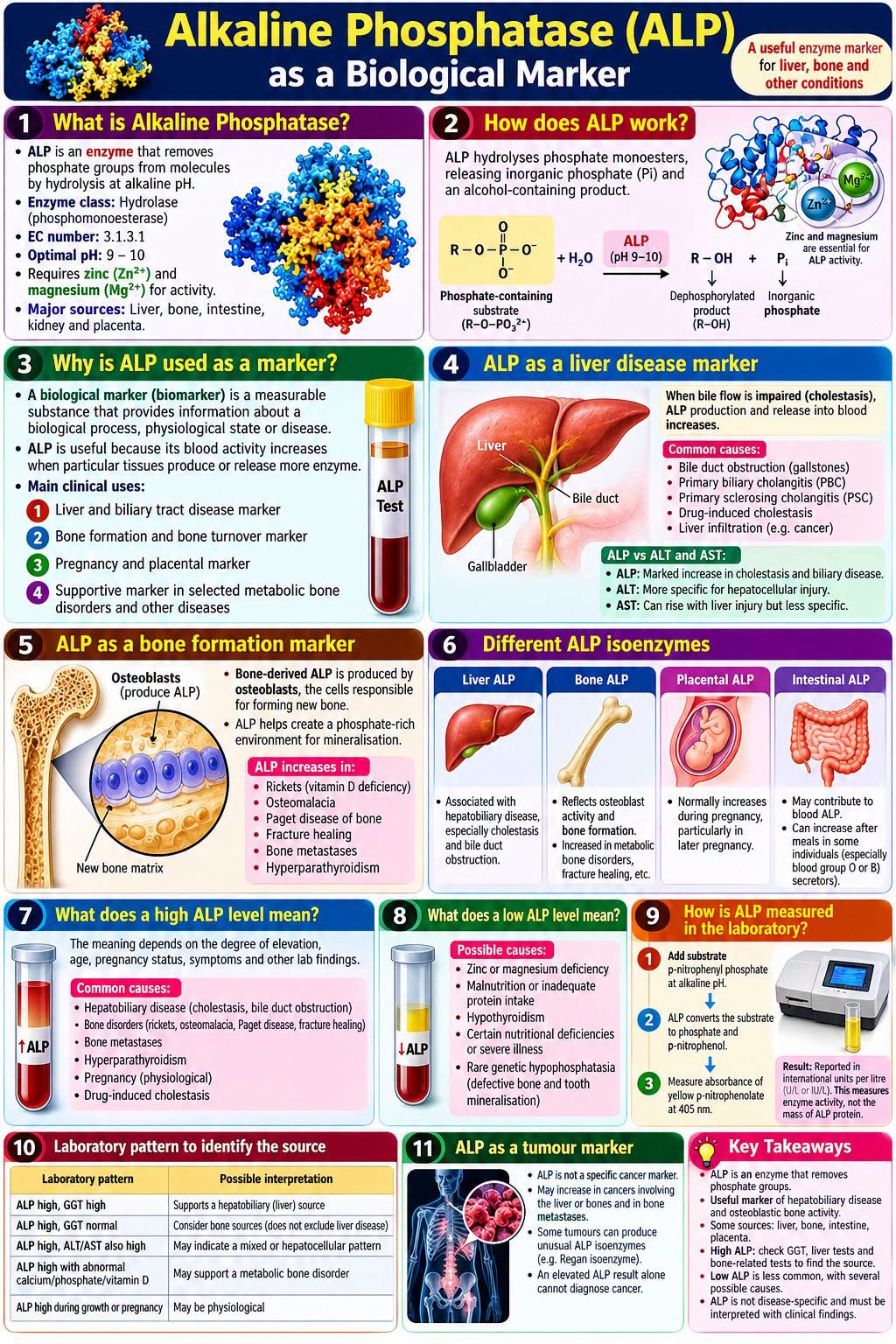
- Assessing elevated alkaline phosphatase (ALP).
- Investigating unexplained liver chemistry abnormalities.
- Monitoring certain patients with alcohol-related liver problems.
- Evaluating possible medication-related liver abnormalities.
GGT is commonly measured along with ALT, AST, ALP and bilirubin as part of liver chemistry testing.
8️⃣ Normal Reference Range of GGT
The reference range varies according to the laboratory, analytical method, age and sex.
An illustrative adult reference interval is:
👨 Adult males: 5–50 U/L.
👩 Adult females: 5–35 U/L.
📌 Unit: U/L (Units per litre).
Always compare the result with the reference interval printed on the laboratory report.
An elevated value does not automatically indicate severe liver disease.
9️⃣ Why Does GGT Increase in Blood?
Increased GGT activity can occur due to several liver-related and non-liver-related conditions.
🫀 A. Liver and bile duct diseases
GGT can increase in:
- Hepatitis.
- Liver cirrhosis.
- Metabolic dysfunction-associated steatotic liver disease (MASLD).
- Bile duct obstruction.
- Gallstones.
- Primary biliary cholangitis.
- Primary sclerosing cholangitis.
When bile flow is impaired, a condition known as cholestasis, GGT activity in blood commonly increases.
🍺 B. Alcohol consumption
Chronic heavy alcohol consumption can increase GGT production through hepatic enzyme induction.
GGT may therefore be elevated in people with alcohol-related liver problems.
However, increased GGT alone cannot diagnose alcohol dependence or alcoholic liver disease.
🧈 C. Fatty liver disease
Fatty liver disease, particularly MASLD, can be associated with increased GGT.
Common associated metabolic risk factors include:
- Obesity.
- Insulin resistance.
- Type 2 diabetes mellitus.
- Increased triglycerides.
- Metabolic syndrome.
💊 D. Medication-related elevation
Certain medications can increase GGT through hepatic enzyme induction.
Examples include:
- Phenytoin.
- Phenobarbital.
- Other enzyme-inducing medications.
Some medications can also cause actual liver injury.
🩺 E. Other medical conditions
Increased GGT can also occur in association with:
- Diabetes mellitus.
- Pancreatic diseases.
- Heart failure.
- Renal disorders.
- Certain systemic illnesses.
Therefore, GGT must always be interpreted along with other laboratory findings and clinical history.
🔟 Clinical Interpretation of GGT Along with Other Liver Enzymes
One of the most important clinical applications of GGT is interpreting an increased ALP level.
🔴 Case 1: Increased ALP + Increased GGT
This pattern suggests that the elevated ALP may originate from the hepatobiliary system.
Possible causes include:
- Bile duct obstruction.
- Cholestasis.
- Liver and bile duct diseases.
Further evaluation, including abdominal ultrasound when indicated, may be recommended.
🟡 Case 2: Increased ALP + Normal GGT
This pattern suggests a possible non-hepatic source of ALP, particularly bone.
Possible causes include:
- Increased bone turnover.
- Vitamin D deficiency.
- Certain bone disorders.
However, additional investigations are required to establish the cause.
🟠 Case 3: Increased GGT Alone
Possible causes include:
- Alcohol exposure.
- Fatty liver disease.
- Medication-related enzyme induction.
- Metabolic disorders.
An isolated increase in GGT is nonspecific and does not automatically mean liver damage.
🔴 Case 4: Increased ALT + AST + GGT
This pattern may occur in hepatocellular injury.
Possible causes include:
- Viral hepatitis.
- Alcohol-associated liver disease.
- Metabolic fatty liver disease.
- Drug-induced liver injury.
The complete laboratory pattern and clinical history are essential for interpretation.
1️⃣1️⃣ Difference Between GGT, ALT, AST and ALP
🧪 GGT – Gamma-Glutamyl Transferase
Useful in evaluating hepatobiliary abnormalities and supporting the hepatic origin of elevated ALP.
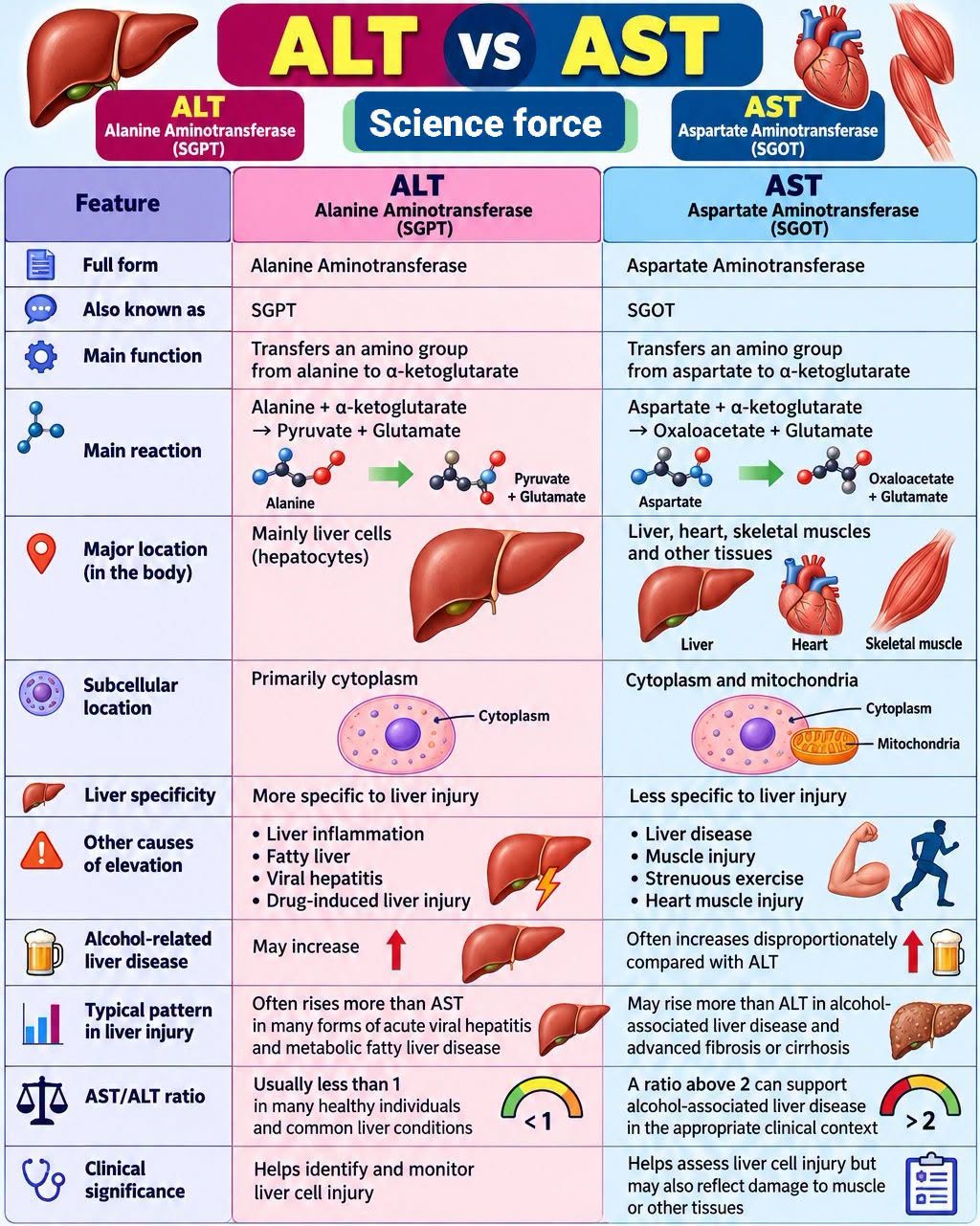
🧪 ALT – Alanine Aminotransferase
Primarily associated with hepatocellular injury.
🧪 AST – Aspartate Aminotransferase
Present in the liver, heart, skeletal muscles and other tissues. Increased levels can occur in liver or muscle injury.
🧪 ALP – Alkaline Phosphatase
Associated with bile duct and bone activity. Increased levels can occur in cholestasis and bone disorders.
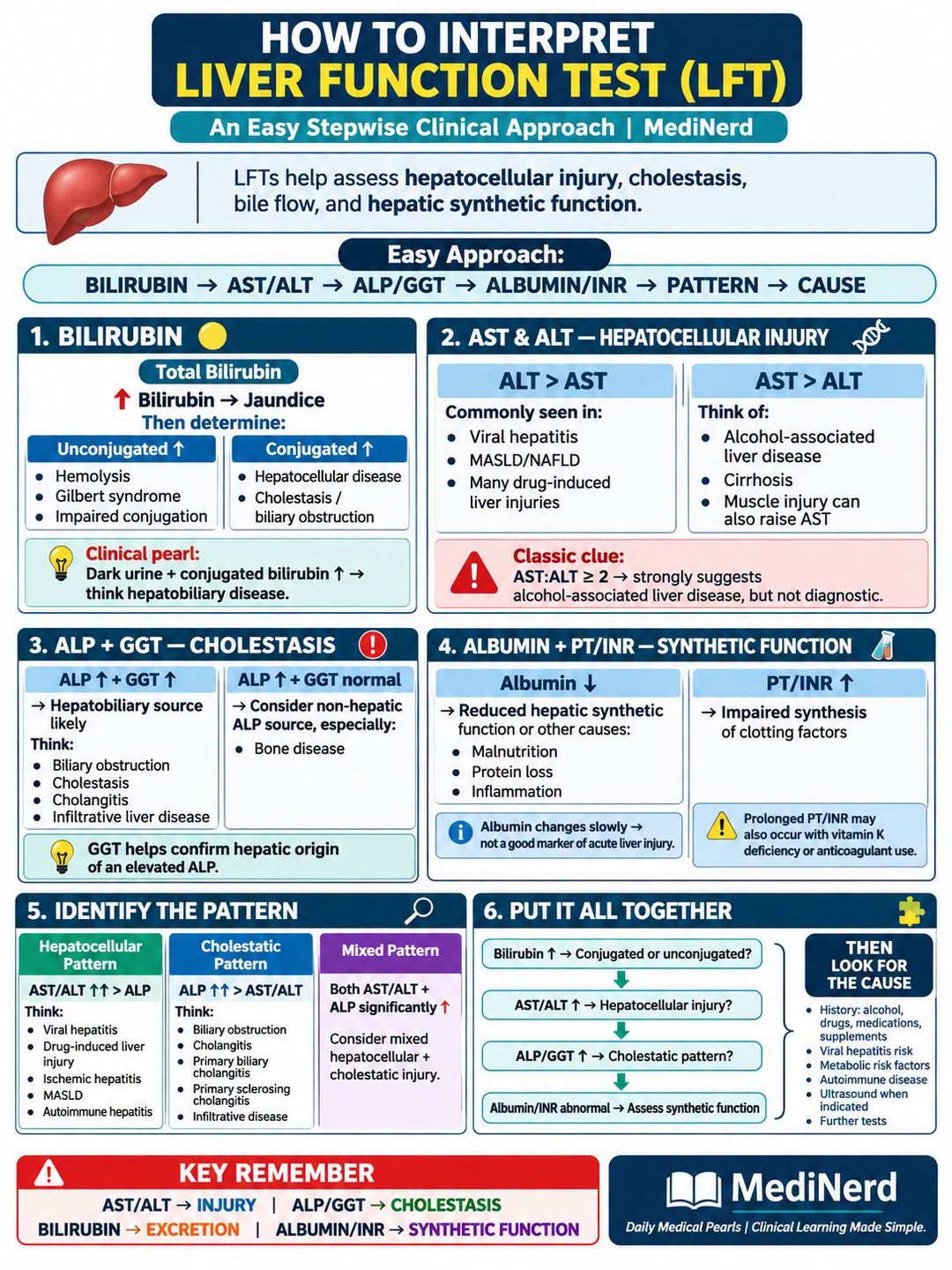
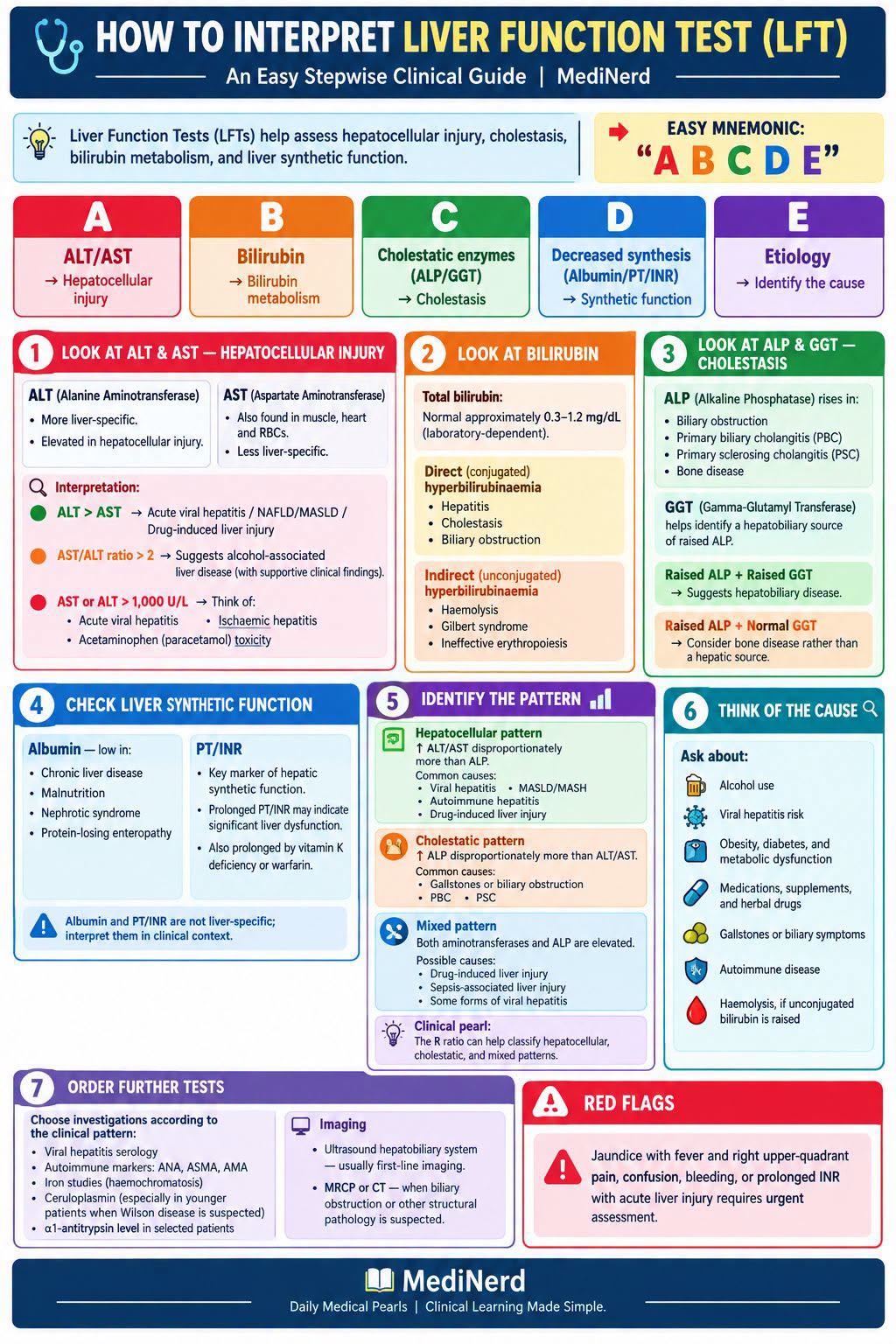
ALT and AST mainly indicate cellular injury, while ALP and GGT help evaluate cholestatic patterns.
Bilirubin provides information about bilirubin production, processing and excretion.
Albumin and PT/INR help assess aspects of liver synthetic function.
GGT itself is not a direct measurement of liver function.
1️⃣2️⃣ Laboratory Estimation of GGT
GGT is commonly estimated using a kinetic enzymatic method based on spectrophotometry.
🔬 Principle:
The commonly used laboratory method employs:
- L-Gamma-glutamyl-3-carboxy-4-nitroanilide as the substrate.
- Glycylglycine as the gamma-glutamyl acceptor.
GGT catalyses the transfer of the gamma-glutamyl group to glycylglycine.
This reaction releases 5-amino-2-nitrobenzoate, a coloured product.
The increase in absorbance is measured spectrophotometrically at approximately 405 nm.
📊 Interpretation:
- Greater formation of the coloured product indicates greater enzyme activity.
- The rate of change in absorbance (ΔA/min) is proportional to GGT activity.
- The final result is expressed in U/L.
The exact reagent formulation and wavelength depend on the analytical method and manufacturer.
1️⃣3️⃣ What Happens When GGT Is Low?
Low GGT levels are generally not clinically significant.
They usually do not indicate a specific disease and do not require treatment.
GGT is mainly useful clinically when its activity is elevated.
1️⃣4️⃣ Symptoms Associated with Increased GGT
GGT itself does not produce symptoms.
Symptoms depend on the underlying liver or biliary condition.
Possible symptoms include:
🟡 Jaundice – yellowing of the skin and eyes.
🟤 Dark-coloured urine.
⚪ Pale or clay-coloured stools.
🩹 Itching of the skin (pruritus).
🤕 Abdominal discomfort, particularly in the upper right abdomen.
🤢 Nausea and vomiting.
😴 Fatigue and weakness.
🫄 Abdominal swelling due to fluid accumulation (ascites) in advanced liver disease.
Some individuals with mildly elevated GGT may not experience any symptoms.
1️⃣5️⃣ How Can Elevated GGT Be Managed?
Treatment depends on the underlying cause rather than the GGT value alone.
🌿 Lifestyle modifications:
- Avoid alcohol.
- Maintain a healthy body weight.
- Exercise regularly.
- Control blood glucose.
- Manage cholesterol and triglycerides.
- Follow a balanced diet.
- Avoid unnecessary medications and unverified herbal supplements.
🩺 Medical evaluation:
Depending on the clinical situation, doctors may recommend:
- Repeat liver chemistry tests.
- Complete liver function assessment.
- Hepatitis screening.
- Abdominal ultrasound.
- Medication review.
- Additional investigations for autoimmune or metabolic liver diseases.
Never stop prescribed medication without consulting your doctor.
1️⃣6️⃣ Importance
⭐ GGT is a membrane-bound transferase enzyme.
⭐ It plays an important role in glutathione metabolism.
⭐ It participates in amino acid recycling.
⭐ It indirectly supports cellular antioxidant defence.
⭐ GGT is present in the liver, kidneys, pancreas, intestine, brain and prostate.
⭐ Increased GGT is commonly associated with hepatobiliary disorders.
⭐ Increased ALP along with increased GGT suggests a possible hepatobiliary origin of ALP.
⭐ Alcohol consumption, fatty liver disease and certain medications can increase GGT.
⭐ Isolated GGT elevation is nonspecific.
⭐ Low GGT levels are usually not clinically significant.
⭐ GGT results must be interpreted along with other liver chemistry tests and clinical findings.
Gamma-Glutamyl Transferase is more than just a liver enzyme. It plays an important role in glutathione metabolism, amino acid recycling and cellular antioxidant defence.
In clinical biochemistry, GGT is particularly valuable when investigating liver and bile duct abnormalities and interpreting elevated alkaline phosphatase levels.
Understanding GGT helps us connect biochemical pathways with real-world clinical laboratory diagnosis! 🔬🧪
📚 Educational purpose: This post is intended for learning and awareness. An abnormal GGT result alone cannot establish a diagnosis. Always consult a qualified healthcare professional for clinical interpretation.
#GammaGlutamylTransferase #GGT #GGTP #LiverFunctionTest #LiverHealth #ClinicalBiochemistry #Biochemistry #MedicalScience #Glutathione #Antioxidants #LiverEnzymes #LaboratoryMedicine #ScienceEducation #ScienceForce