Calcium score went up on a statin? It doesn't by itself mean the statin failed, and it doesn't prove it's working either.
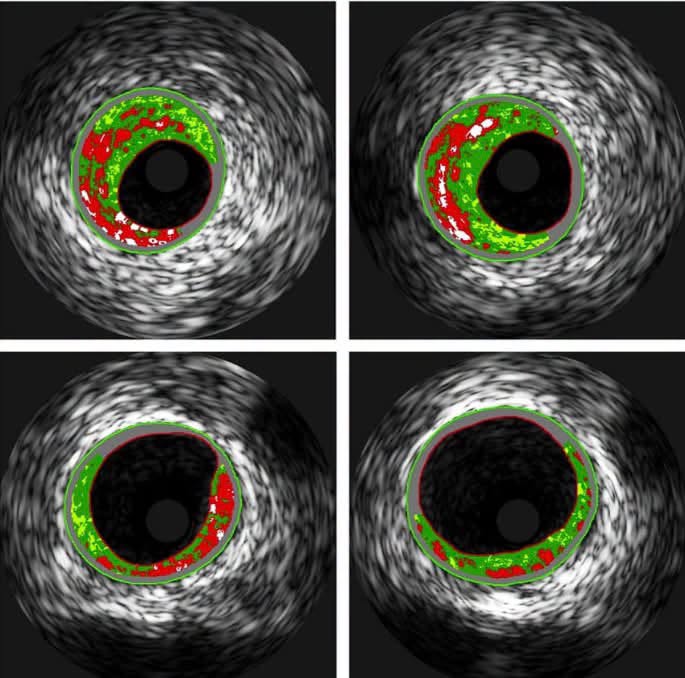
A calcium score only sees calcified plaque. On a statin, plaque tends to pick up calcium as it hardens, and the score counts denser calcium extra. Plaque growing pushes it up too, and a high score still means more plaque, so it still matters. How fast it rose and your LDL matter more than the number alone. In an older study of people who started a statin, a score rising more than 15% a year was linked to a higher chance of a first heart attack (Raggi 2004).
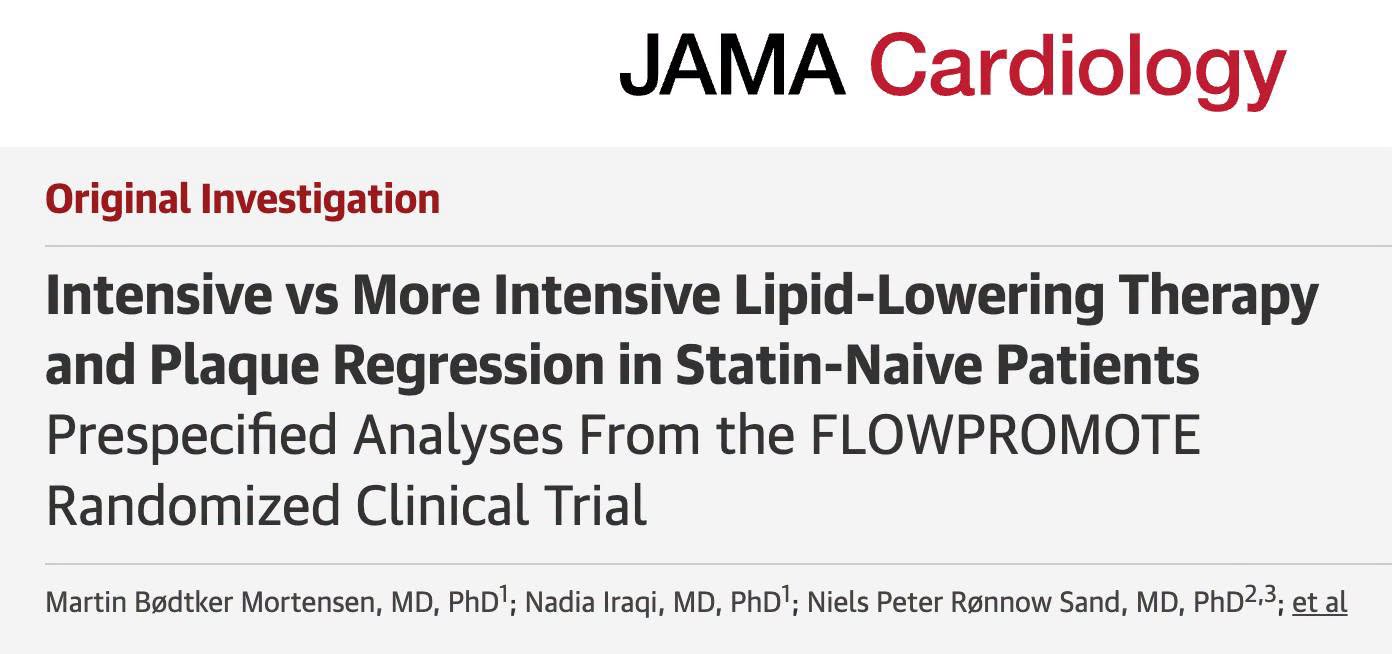
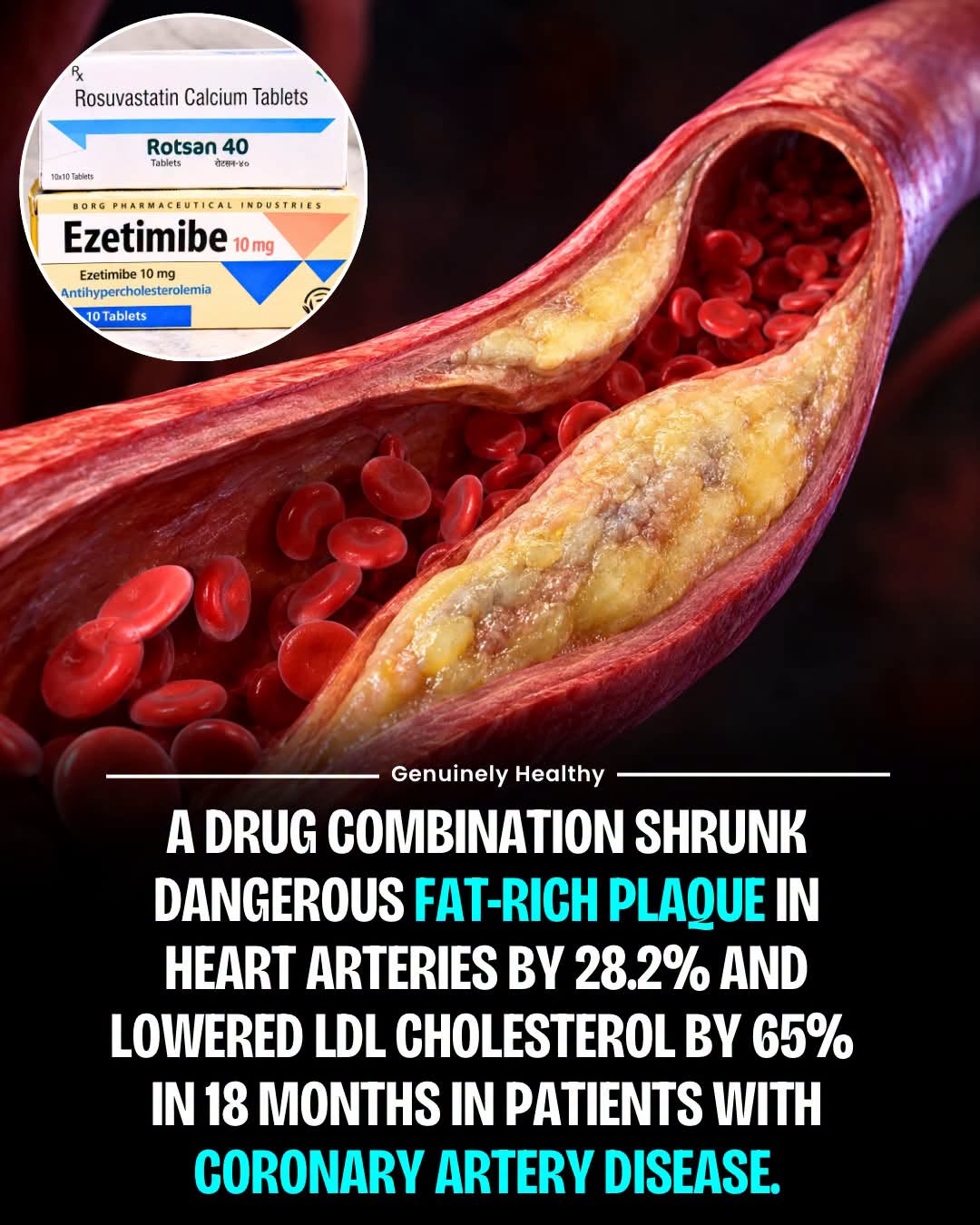
The study: FLOWPROMOTE, JAMA Cardiology, October 2026. 104 people new to statins, mean age 64, 79% men, all with a narrowed artery that limited blood flow. 52 took atorvastatin 40 mg; 52 took rosuvastatin 40 mg plus ezetimibe 10 mg, for 18 months. LDL fell from about 120 to about 70 vs from about 127 to about 42 mg/dL. Total plaque shrank about 14% vs 21% (a difference of about 31 cubic millimeters); soft plaque shrank in 39 of 51 vs 51 of 52. Calcified plaque grew in both groups. People whose LDL went lower tended to see more shrinking. The study measured plaque on CT angiography, not calcium scores. These were secondary results of a small trial, measured on CT, not heart attacks. They don't tell you which drug or dose is right for you.
In a large study, denser calcium was linked to lower risk for the same amount of plaque (Criqui 2014); in people on statins, density didn't predict outcomes (Osei 2021). Whether you need a different scan is your doctor's call.
If you're on a statin, don't stop or change it because a scan number went up. Bring both reports, their dates and your latest LDL to your doctor.
The free LDL guide is in my Free Guides highlight.
Education only, not medical advice.