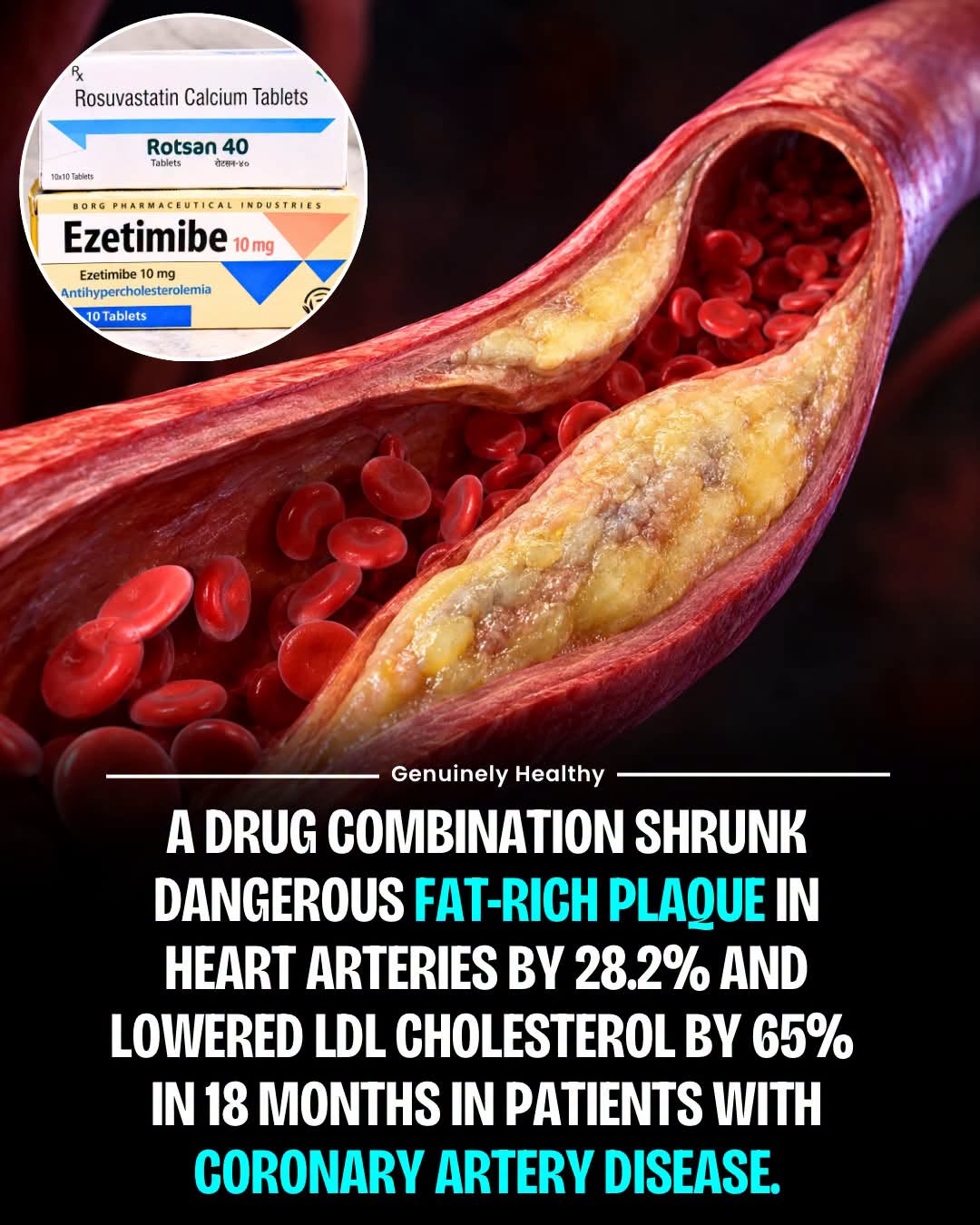
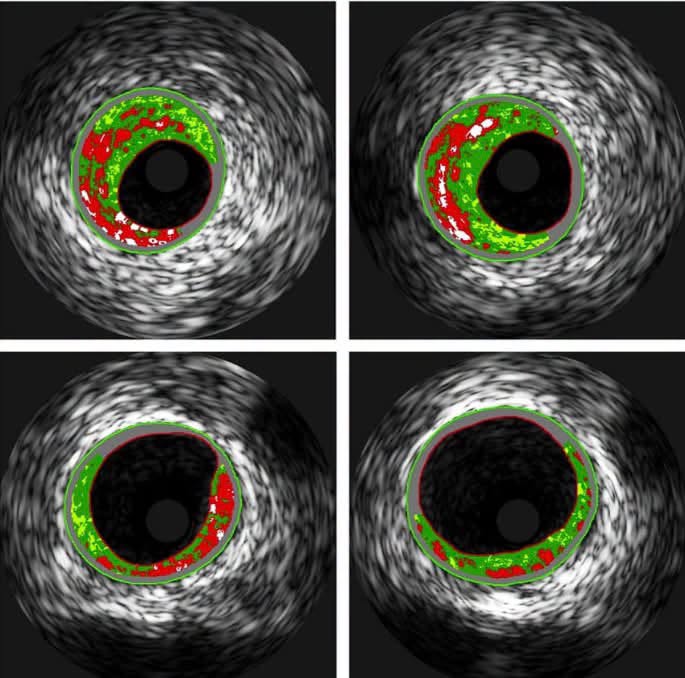
Coronary artery disease develops when cholesterol, fats, and inflammatory cells accumulate inside the walls of arteries that supply blood to the heart, gradually forming deposits called atherosclerotic plaques. Some plaques contain a soft, cholesterol-rich core that can rupture and trigger blood clots, potentially causing a heart attack. Low-density lipoprotein (LDL) cholesterol plays a major role in this process because LDL particles carry cholesterol into artery walls, where it can accumulate and promote inflammation. Although atherosclerosis was once widely considered largely irreversible, modern imaging studies have demonstrated that intensive cholesterol-lowering treatment can reduce the volume of existing plaques. Rosuvastatin is a statin that reduces cholesterol production in the liver, while ezetimibe blocks cholesterol absorption in the small intestine. Combining these medications targets two different pathways, allowing LDL cholesterol to fall substantially further than with either approach alone.
The 2026 FLOWPROMOTE randomized clinical trial, published in JAMA Cardiology, investigated this approach in 104 adults in Denmark with stable coronary artery disease, more than 50% narrowing in a coronary artery, and no previous statin treatment. Participants received either atorvastatin 40 mg daily or a combination of rosuvastatin 40 mg and ezetimibe 10 mg daily for 18 months. Coronary CT angiography scans were performed before treatment, at nine months, and at 18 months to measure changes in plaque buildup. In the combination-treatment group, average LDL cholesterol fell by approximately 65%, from 127.4 mg/dL to 42.5 mg/dL, while total coronary plaque volume decreased by 21.1%. More importantly, noncalcified plaque, the softer, fat-rich type associated with greater rupture risk, decreased by 28.2%, compared with 20% in the atorvastatin group. Overall, approximately 90% of patients receiving combination therapy experienced plaque regression, compared with 75% receiving atorvastatin alone.