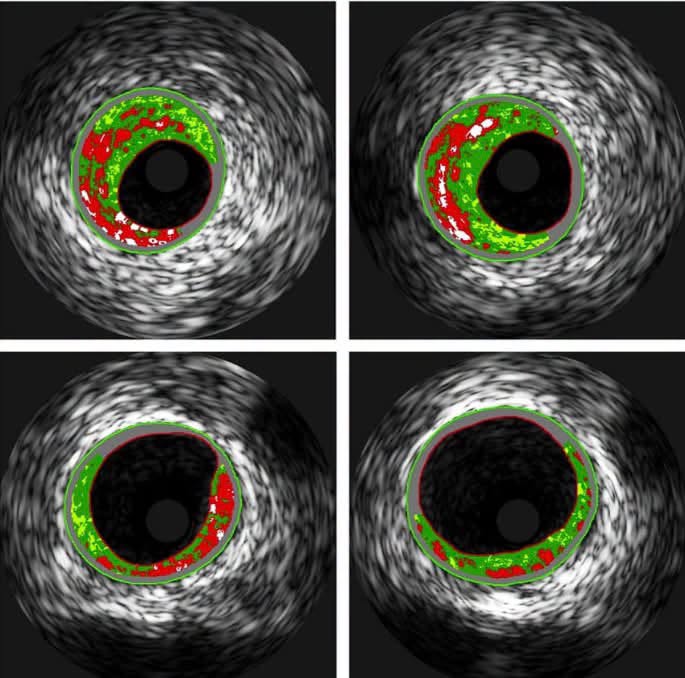
You can see from the images in the post how dramatically the total plaque shrank on rosuvastatin + ezetimibe.
The lumen of the artery opened way up, and blood flow was restored.
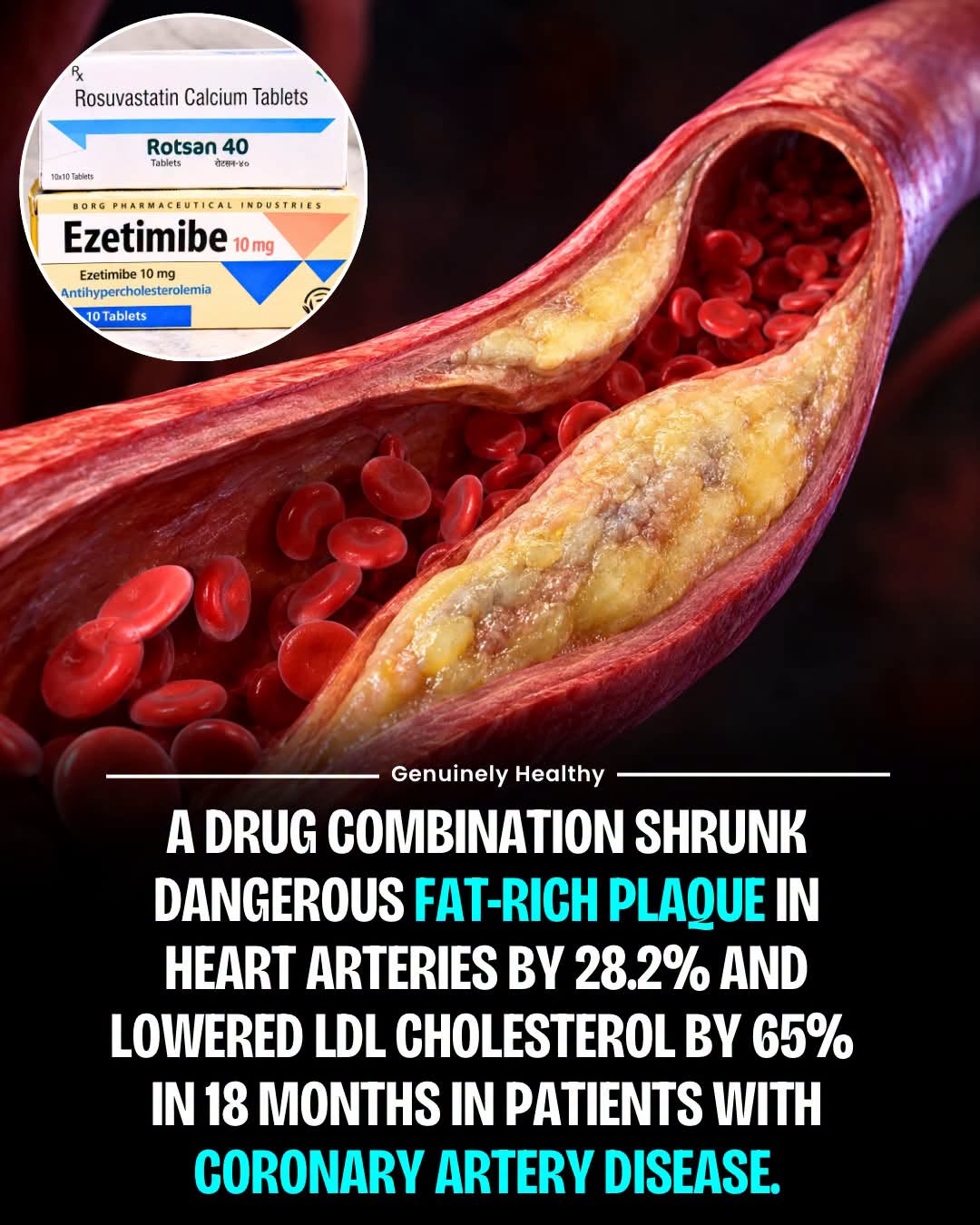
People in the FLOWPROMOTE trial saw major reversals of total plaque in their coronary arteries— big enough to improve blood flow— after only 18 months.
#statinreverseHD #statinsHD #ezetimibeHD #flowpromoteHD #ezetimibereverseHD #reverseHD
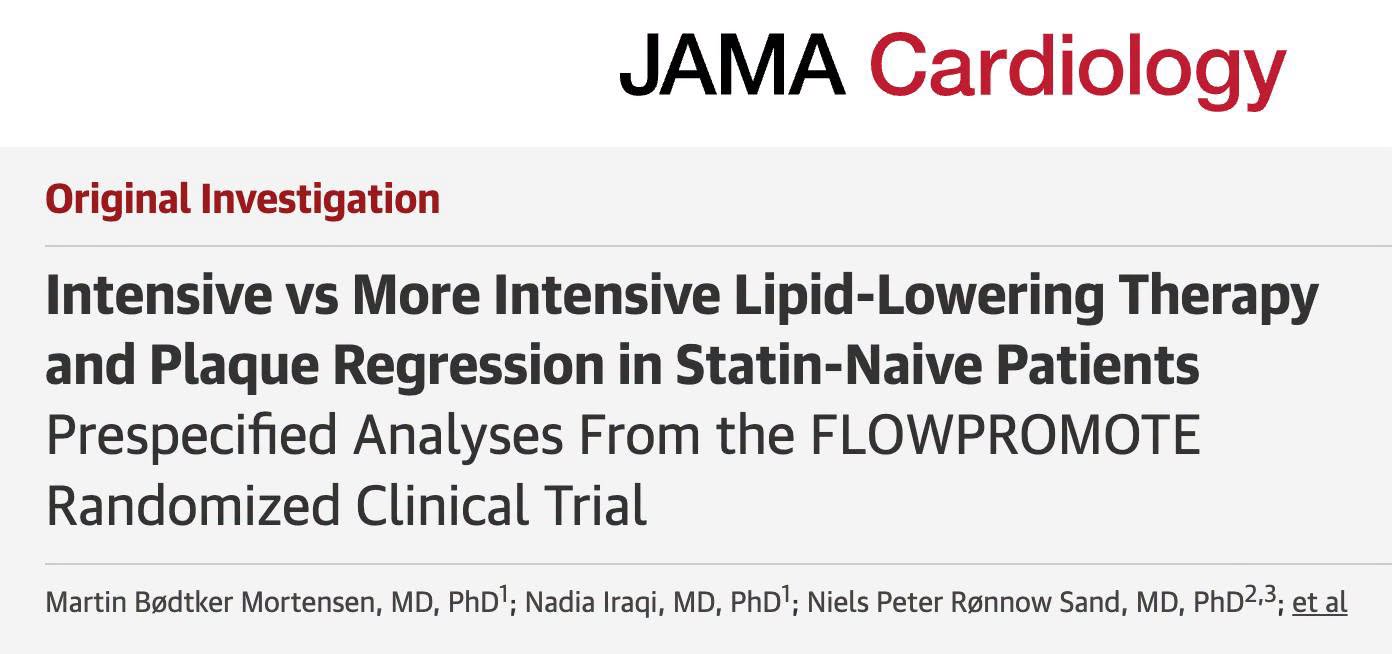
A new randomized study published in JAMA Cardiology looked at 104 patients with well established coronary artery disease, comparing intensive LDL lowering (down to an average LDL of 69.5 mg/dL) with even more intensive lowering (down to an average of 42.5 mg/dL). After just 18 months of treatment, total coronary plaque volume decreased by 13.6% and 21.1%, respectively, while noncalcified plaque decreased by 20% and 28.2%. Especially impressively, 98% of patients in the more intensive group experienced regression of noncalcified plaque, compared with 77% in the other group.
What might this type of regression mean for actual cardiovascular risk?
Previous research suggests plaque regression is strongly associated with significant reductions in cardiovascular events. For example, a 2023 JAMA Cardiology meta-analysis looking at 7,407 patients across 23 studies found that each 1 percentage-point reduction in percent atheroma volume was associated with approximately 19% lower odds of major cardiovascular events after adjustment for cardiovascular risk factors.
Importantly, these are associations, not proof that a given amount of plaque regression directly produces a specific reduction in risk, but there is good reason to think that more plaque regression should lead to even more reduction in risk.
To me, the crucial finding here is that MORE LDL LOWERING LED TO MORE PLAQUE REGRESSION.
This important for multiple reasons. Not only does this suggest we have a clear way to further and further reduce risk, but this also strongly argues against the common narrative out there that LDL is not causal in atherosclerosis. There would be no other plausible explanation for the effects seen here, especially because there were different drug types being used here, so the effects here couldn’t be attributable to some other type of effect a specific drug was having, like an antiinflammatory effect etc.
One additional thought to consider- while this appears to show that, on its own, strong LDL lowering can, on its own, lead to significant plaque reduction and thus risk reduction, we should always remember that atherosclerosis is MULTIFACTORIAL. So LDL plays a crucial role, but not the only role. So if the effects seen here are apparently possible, adding to aggressive LDL lowering to other things like improving diet and lifestyle, certain nutrients, stress, etc should only work even better!!
This is the approach I take in my practice and is also the approach I describe in great depth in my upcoming 6 week group coaching program that starts December 2nd.
For anyone interested, please be aware that tomorrow is the last day for early bird pricing, so please sign up asap. I hope to see you there!
vital-human.comFLOW Method Group Coaching Programvital-human.com
Source:
Paper · JAMA CardiologyJAMA Cardiology articlejamanetwork.com