(no text — see the shared post below)
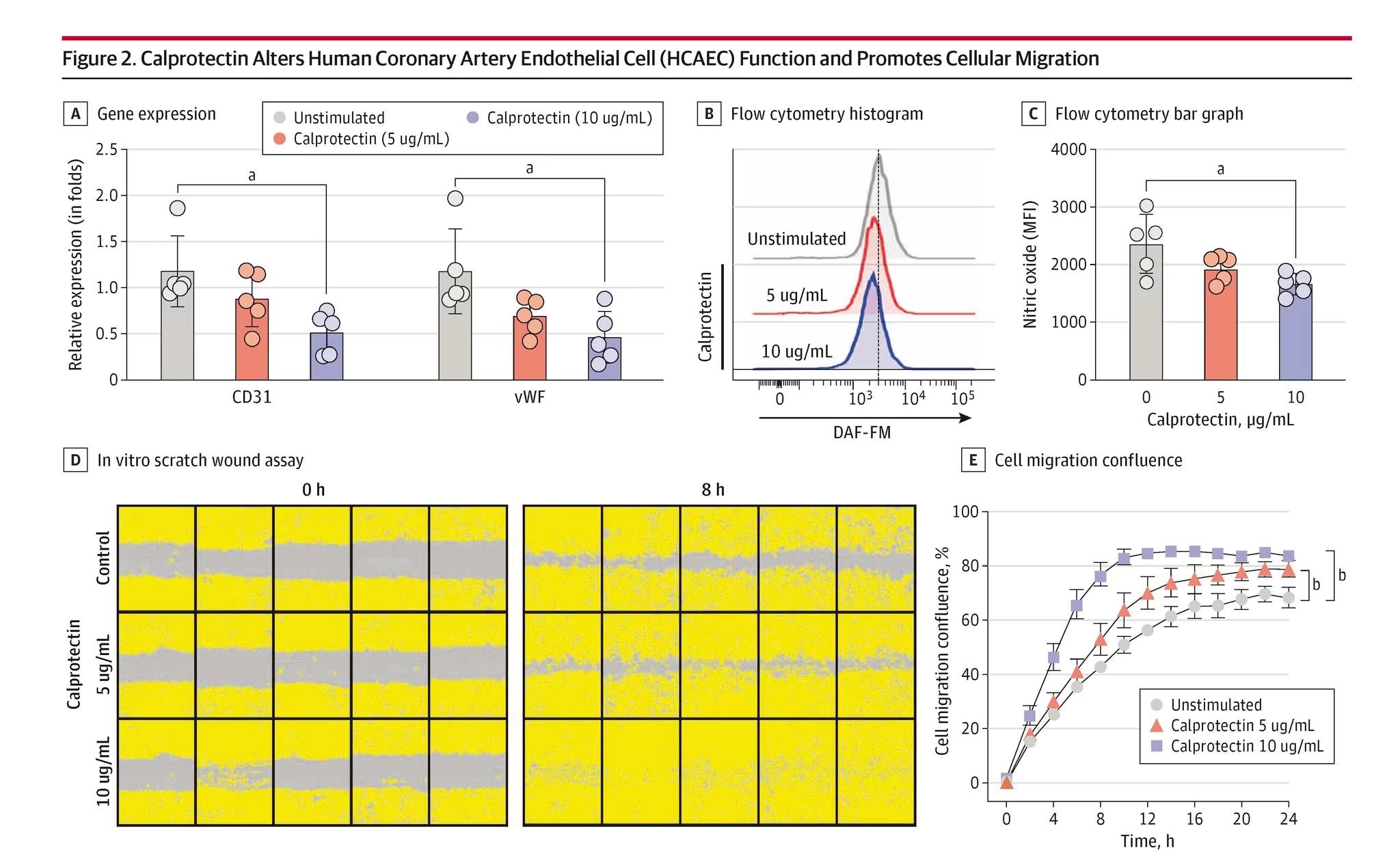
In a classic, 30-year-old study (PMID 7543827), researchers exposed endothelial cells to native, non-oxidized LDL. The cells released about four times more of a damaging molecule called superoxide, with a lot of it coming from an enzyme that's normally supposed to produce something protective (nitric oxide) instead. That extra superoxide then combined with nitric oxide to form an even more reactive, damaging compound called peroxynitrite. So native LDL, all on its own, in sufficient amounts, was enough to push the endothelial cells into a more oxidative, dysfunctional state.
So yes, contrary to some of the misinformation being spread out there on the internet, in a living human being, LDL IS SUFFICIENT to create the conditions necessary for plaque to form. Enough of it exposed to the endothelium can disrupt its function without any help from other things like systemic inflammation, high blood pressure, high blood sugar, high insulin, smoking, etc, making it more vulnerable to plaque forming and building. This has already been known and recognized for 30+ years, and is one of the reasons why there's so much focus on lowering LDL in lipidology.
That said, some people will still understandably then ask: if every artery in the body is exposed to that same circulating LDL, why does disease show up focally, at bifurcations, branch points, areas of disturbed flow, instead of uniformly everywhere?
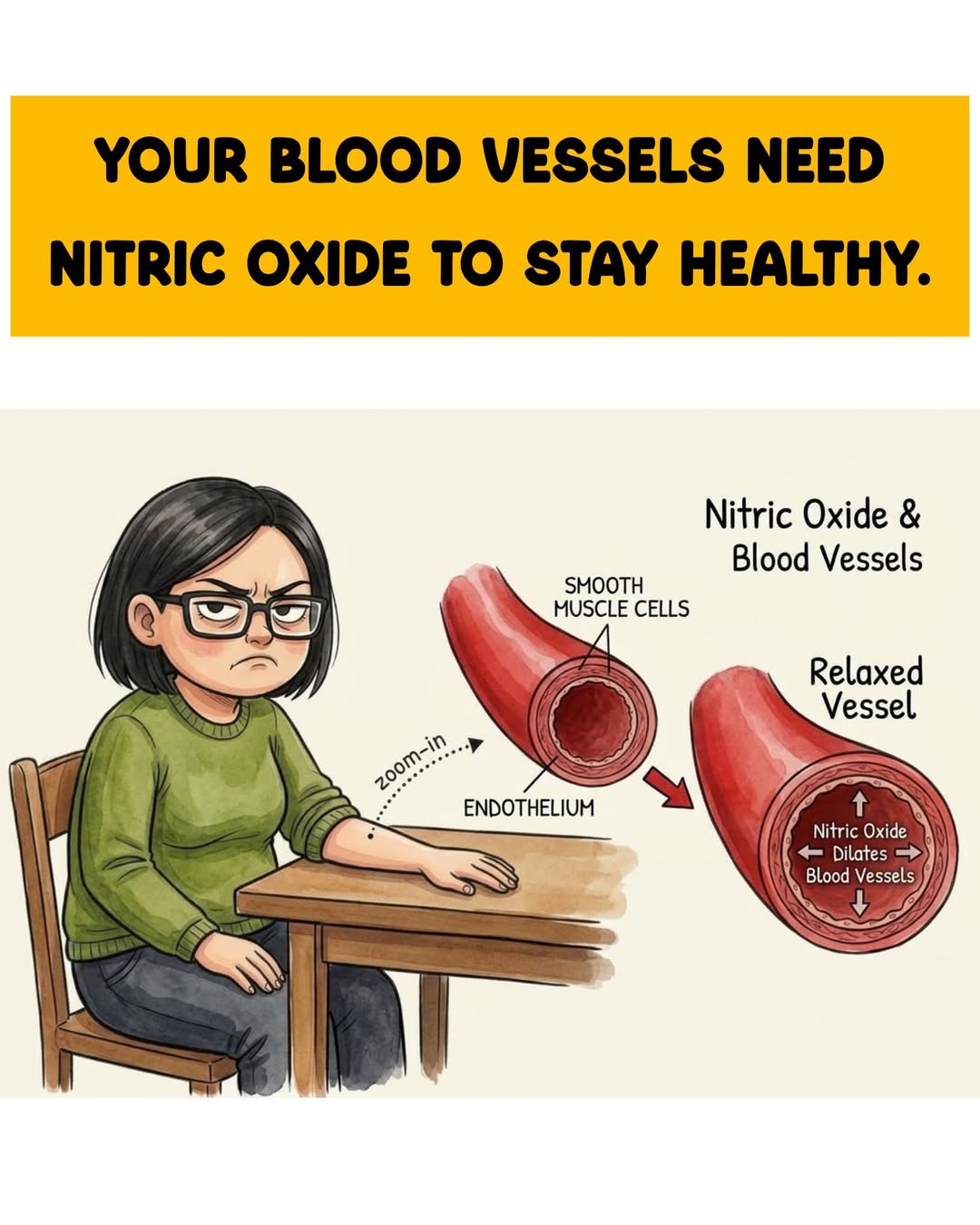
That's where the local environment still matters too, but it's not an absolute shield. Regions in the arterial tree with disturbed flow already have more problems with the nitric oxide related enzyme mentioned above (eNOS), giving them a more oxidative baseline than straight segments with laminar flow. At typical LDL levels, that's a big part of why disease shows up at bifurcations and branch points rather than uniformly everywhere.
But severe homozygous familial hypercholesterolemia shows what happens when LDL exposure is extreme enough. In those patients, plaque even starts forming in straight, laminar segments like the ascending and descending aorta, areas that are normally protected. So the local terrain sets the threshold, but enough LDL, for long enough, can eventually overwhelm even favorable flow conditions.
SO PLEASE BE CLEAR: LDL (technically the apoB and cholesterol it contains) is necessary for plaque to form. And at high enough levels, it alone can cause endothelial dysfunction and speed the development of plaque, making it not only necessary, but also potentially "sufficient" on its own as well. This matters especially if you already have plaque in your arteries, because elevated LDL isn't just providing more substrate for plaque to build up, it's also contributing to the endothelial dysfunction that magnifies the effect and contributes to plaque instability.
Do whatever you can to treat all contributing factors to plaque build-up and instability. JUST DON'T FORGET ABOUT LDL.