HD-OPM Archive
Hashtags

#nutrition

36 posts

Vitamin K2 slows coronary calcium mainly in severe calcification; event benefit unproven

Dec 02, 2025 · Gokhan Can ♥ 18 · 💬 16 ↩ 1 Supplements & vitamins

Review of vitamin K2 (with or without vitamin D) and CAC. A 2023 meta-analysis of 14 RCTs (n=1,533) found a -17.3 Agatston units/year pooled difference. The largest RCT (389 men, 720 ug MK-7 + 1000 IU D vs placebo for 2 years) missed significance overall but slowed CAC at baseline CAC >=400; some CKD trials were null. Not yet a standard therapy.
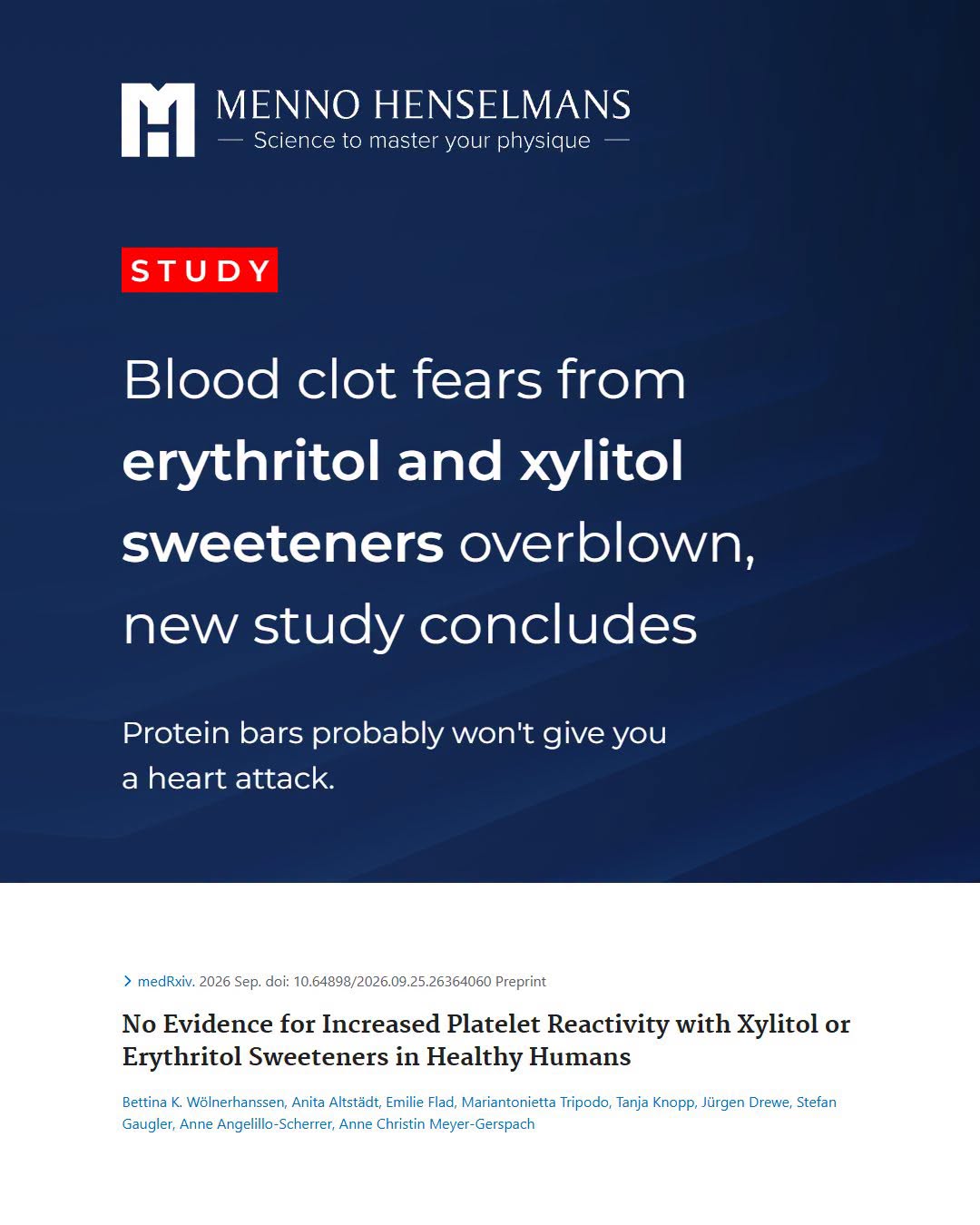
Erythritol and xylitol heart risk is unclear; the Cleveland Clinic studies were limited

Oct 27, 2026 · Louis Nervegna ♥ 7 · 💬 5 Carbs, fiber, sugar & whole grains

Louis notes it is unclear whether sugar alcohols raise CVD risk. A shared post explains that the group linking higher blood erythritol and xylitol to more heart attacks and strokes also showed that 30 g doses made platelets more reactive, but both studies had serious problems, including that the association study did not measure intake.

Claude AI summary: Paleolithic humans were omnivores, not carnivores

May 14, 2024 · Louis Nervegna ♥ 11 · 💬 4 Low-carb, keto & carnivore

Louis uses Claude AI to summarize the totality of evidence on whether Paleolithic humans were carnivores, as a quick fact check on influencer claims. The summary cites coprolites with plant remains, grinding stones, dental and skeletal adaptations, stable isotope data and hunter-gatherer ethnography, concluding they were omnivores. No specific papers are cited, and it is an AI-generated overview.

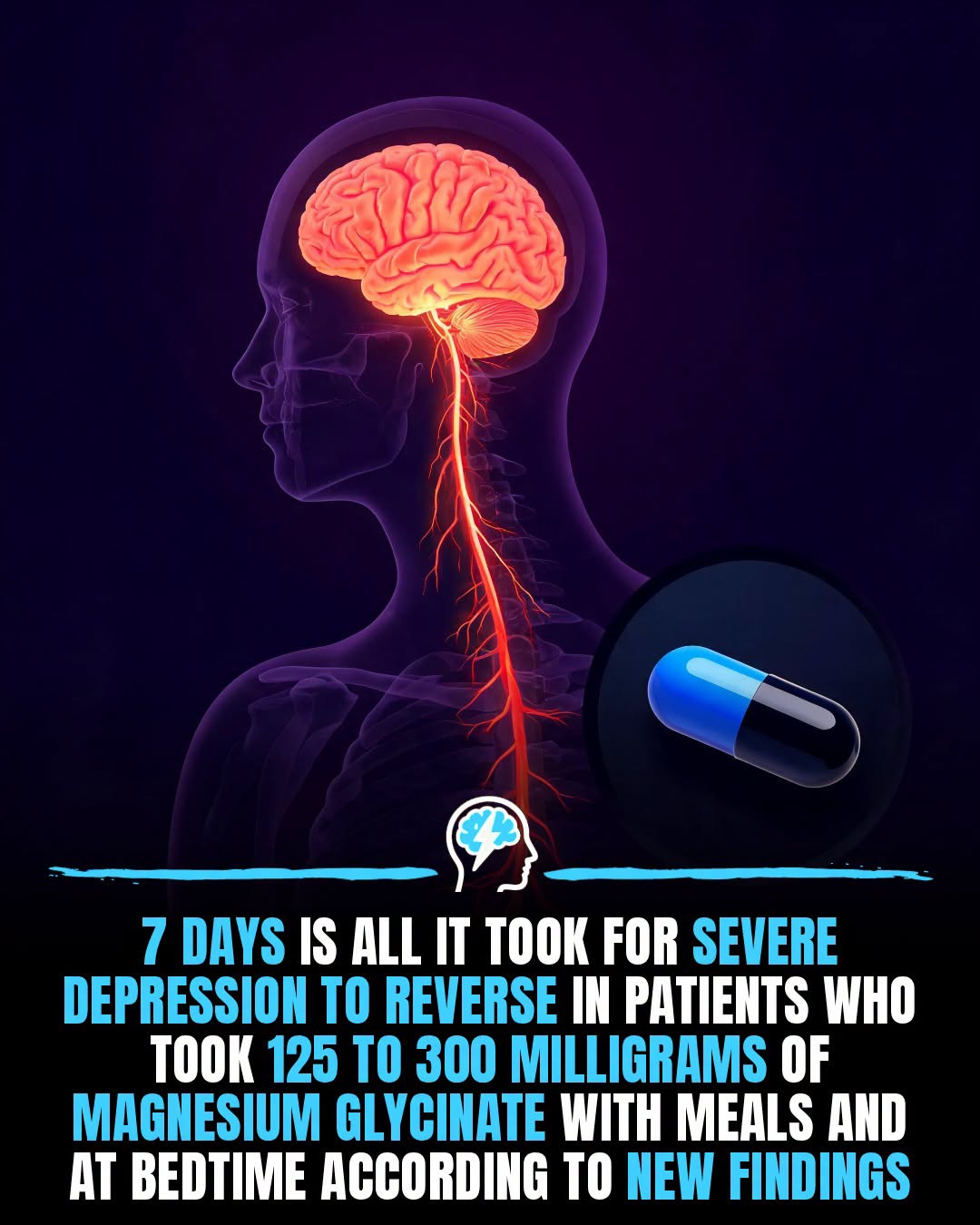
Magnesium glycinate and rapid depression recovery: a 2006 case series, not a trial

Sep 17, 2026 · Louis Nervegna ♥ 11 · 💬 3 Supplements & vitamins

Louis comments on a shared claim that magnesium glycinate (125-300 mg with each meal and at bedtime) produced rapid recovery from major depression. He stresses that the underlying 2006 paper was a case series with no control group, not a randomized trial, so it is hypothesis-generating only. Depression is a major risk factor for CVD, which is why the topic is relevant.

Meta-analysis of 119 trials: nuts did not cause weight gain and modestly lowered LDL

Oct 29, 2026 · Louis Nervegna ♥ 10 · 💬 2 Nuts, fish, coffee, tea, cocoa & other foods

A systematic review and meta-analysis of randomized trials (154 articles, 119 unique RCTs) found adding about 120 kcal/day of nuts did not significantly change weight, BMI or waist; body fat fell slightly and lean mass rose. Nuts were associated with small reductions in total cholesterol, LDL and triglycerides, with no significant effect on HDL.

MIND diet: 20% less grey matter loss per 3-point score rise in Framingham MRI study

Oct 02, 2026 · Louis Nervegna ♥ 14 · 💬 1 Brain health & dementia

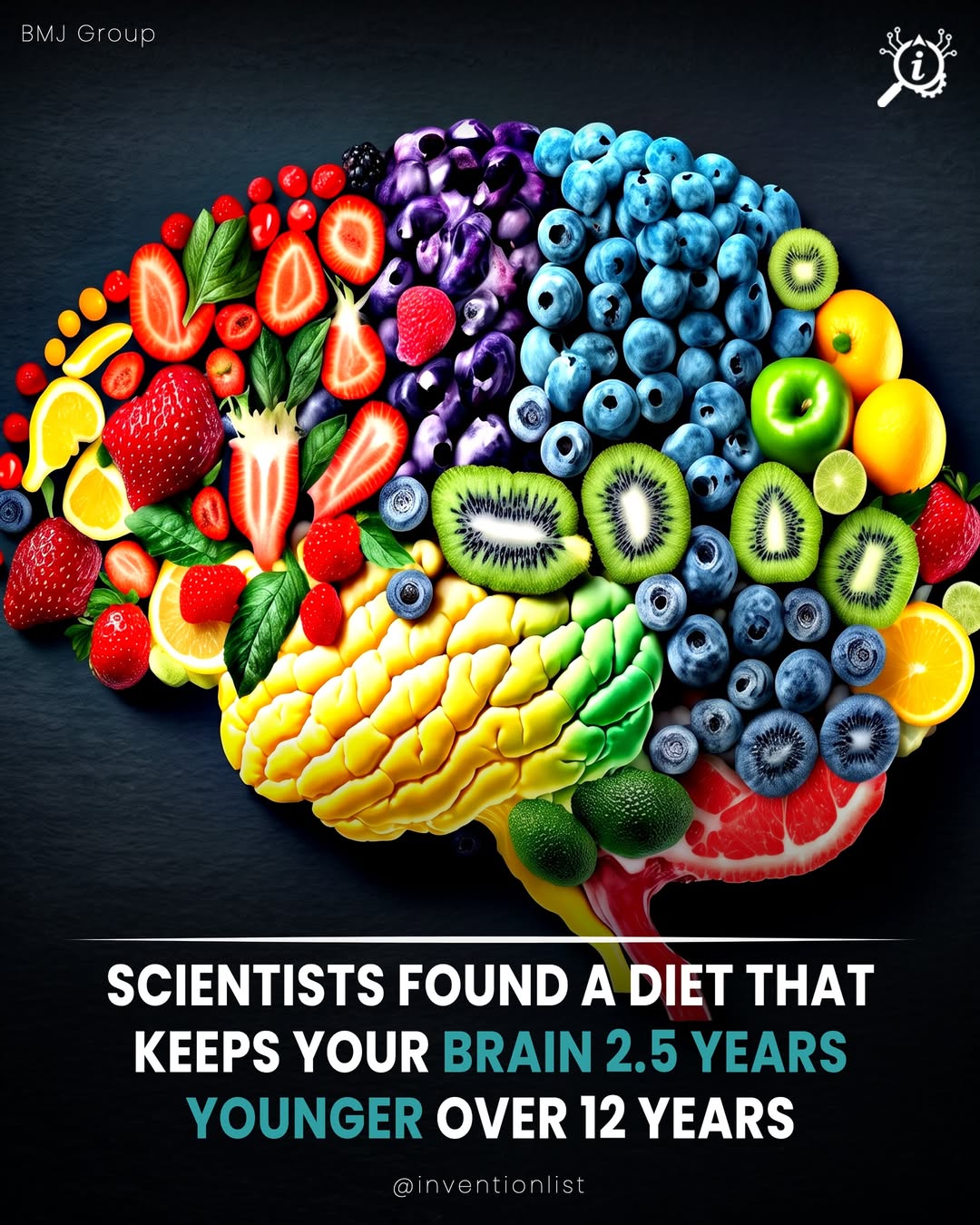
In 1,647 Framingham Offspring participants followed about 12 years with repeated MRI scans, closer adherence to the MIND diet (Mediterranean-DASH hybrid) was linked to slower grey matter loss. Each 3-point rise in MIND score matched 20% less age-related grey matter decline, equal to about 2.5 years of slower brain aging. This is an observational association.

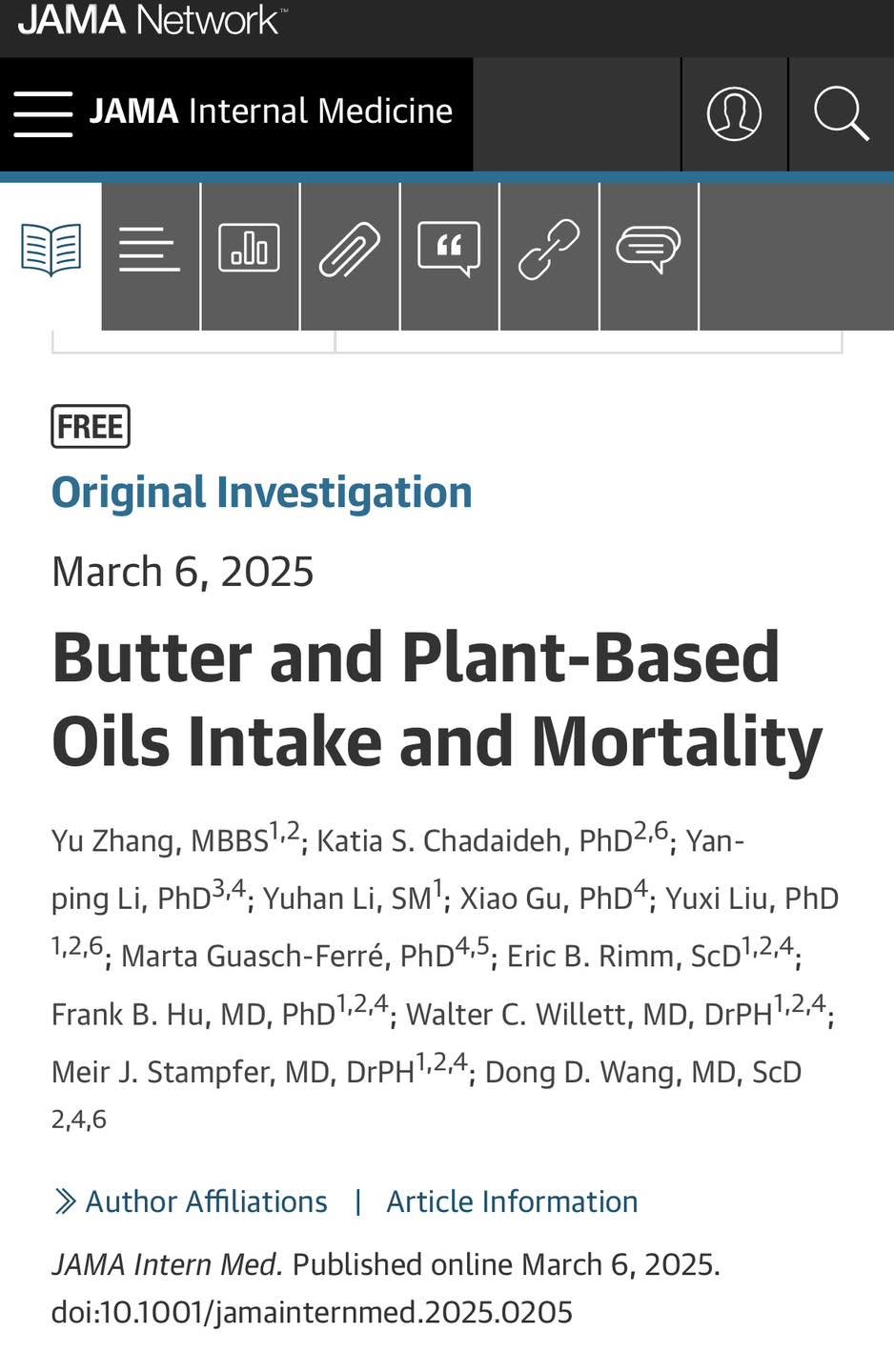
Swapping refined carbs for unsaturated fat lowers LDL: meta-analysis of 60 feeding trials

Oct 08, 2025 · Louis Nervegna ♥ 5 · 💬 2 Fats & oils (saturated fat, seed oils, omega-6, olive oil)

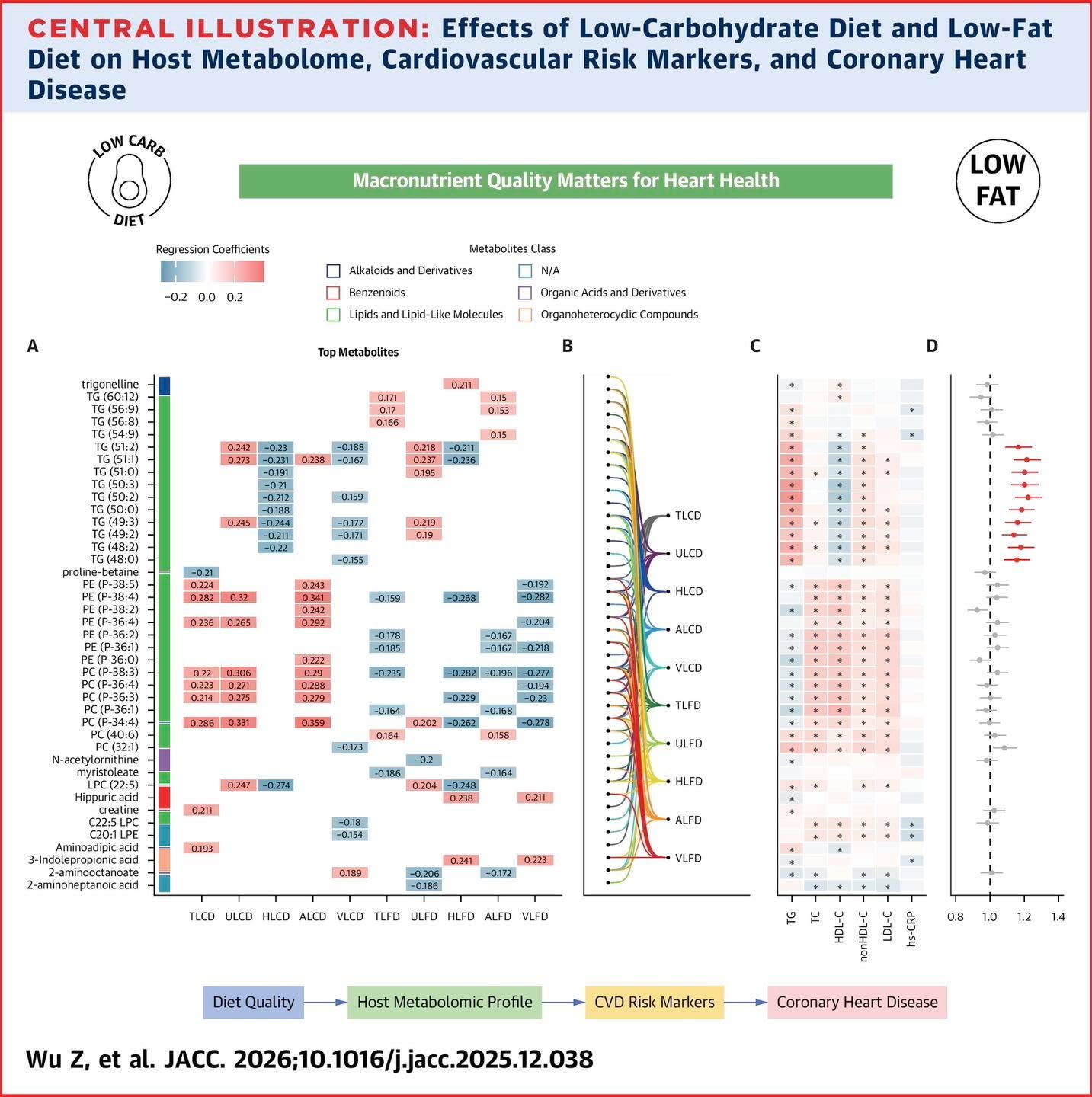
A meta-analysis of 60 controlled human feeding trials found that replacing carbohydrate calories with monounsaturated or polyunsaturated fat lowers LDL cholesterol, while saturated fat raises it. The effect looked largest for polyunsaturated fat, which is why choosing oils and nuts over refined starch and sugar helps the lipid profile.

2026 ACC Scientific Statement: overall dietary pattern matters most for heart disease

Oct 01, 2026 · Louis Nervegna ♥ 11 Mediterranean, DASH, MIND & plant-forward diets

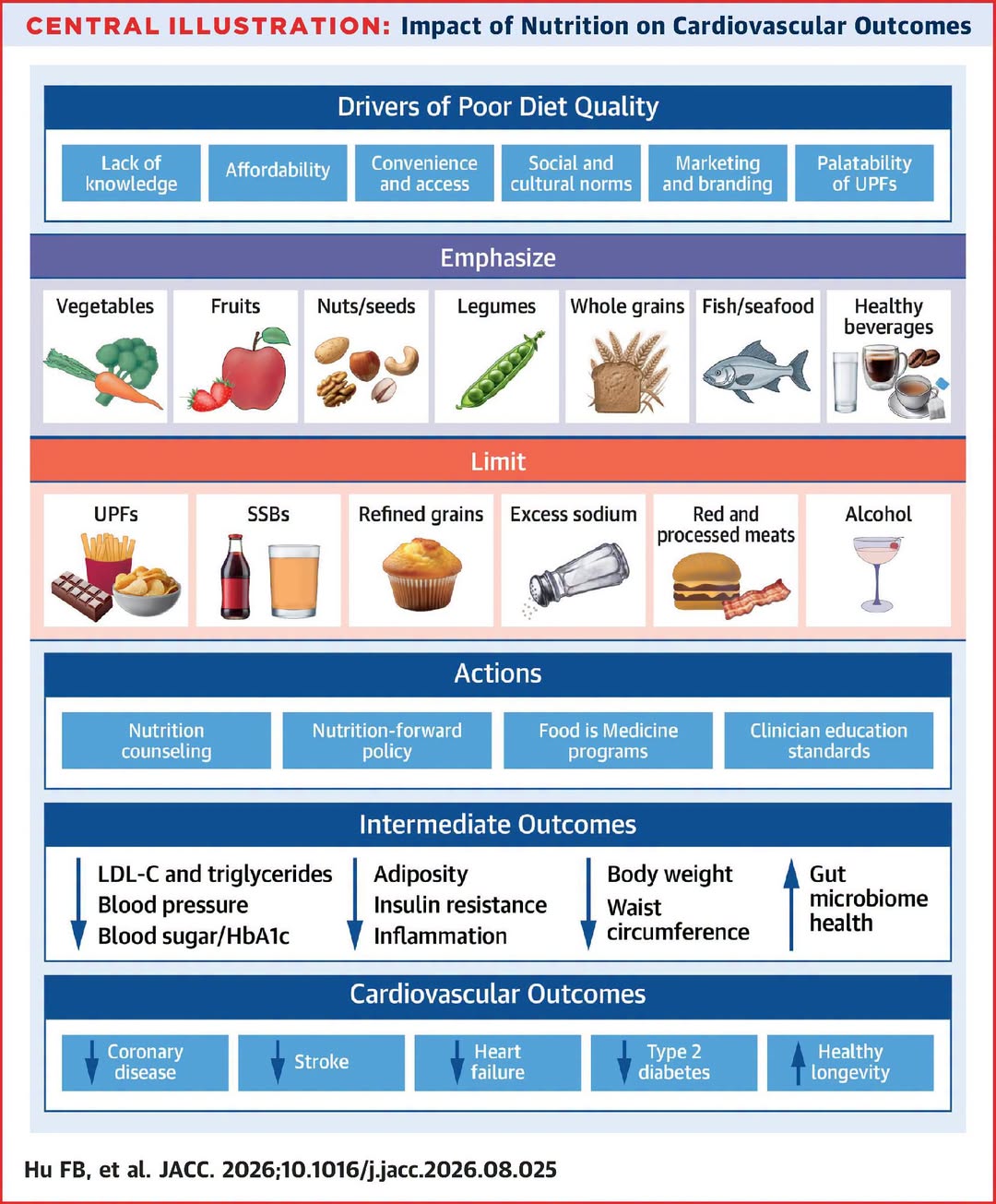
A new American College of Cardiology scientific statement reviews nutrition for preventing and managing cardiovascular disease and stresses overall diet quality over single nutrients. It supports replacing saturated fat with unsaturated fat, more fiber and whole grains, and less sodium, ultra-processed food and sugary drinks. The poster notes it closely matches the group's recommended diet.

Lifestyle and drug therapy have additive benefits, so prevention should combine both

Dec 10, 2025 · Louis Nervegna ♥ 7 Cardiovascular disease: the big picture

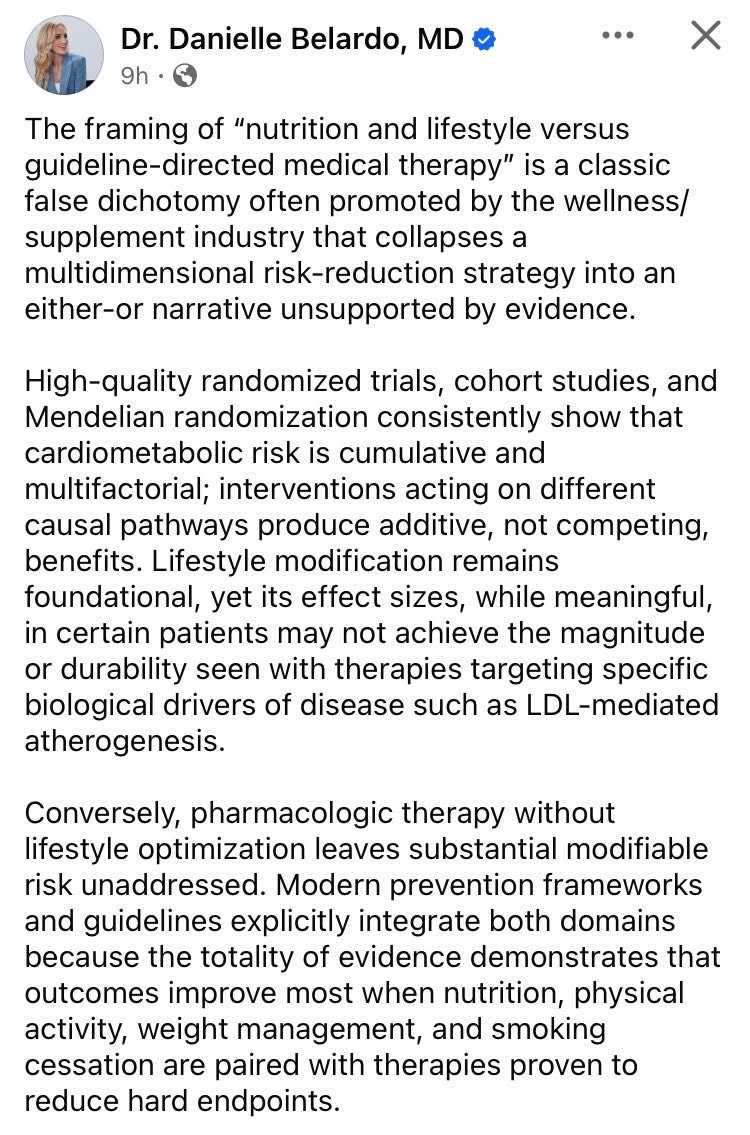
Louis quotes a statement arguing that cardiometabolic risk is cumulative and multifactorial, that interventions on different pathways give additive rather than competing benefits, and that lifestyle remains foundational while drugs targeting LDL-driven atherogenesis can add durable effect. He posts it as a counter to influencers who pit the two against each other.

JACC review: guidelines favor whole-food plant-based diets for CVD and cancer prevention

Dec 08, 2025 · Louis Nervegna ♥ 3 Mediterranean, DASH, MIND & plant-forward diets

Louis quotes a September 2025 JACC: CardioOncology state-of-the-art review noting that AHA, ACC, ACS, NCCN and WCRF/AICR guidelines all recommend a predominantly whole-food plant-based diet, as does the EAT-Lancet consensus. Patterns like Mediterranean and DASH are included, emphasizing fruits, vegetables, whole grains, legumes, nuts, seeds and olive oil while minimizing red meat.

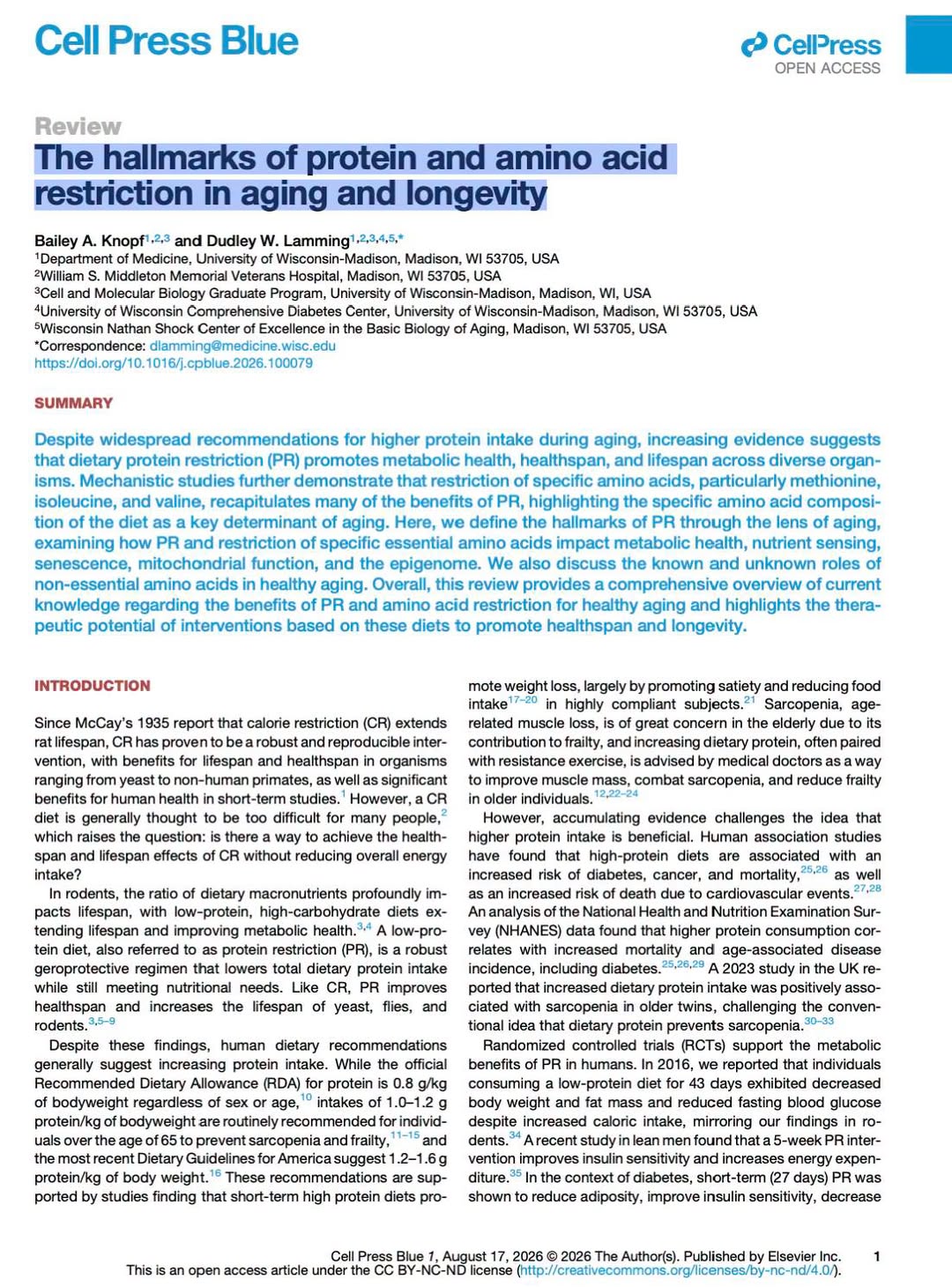
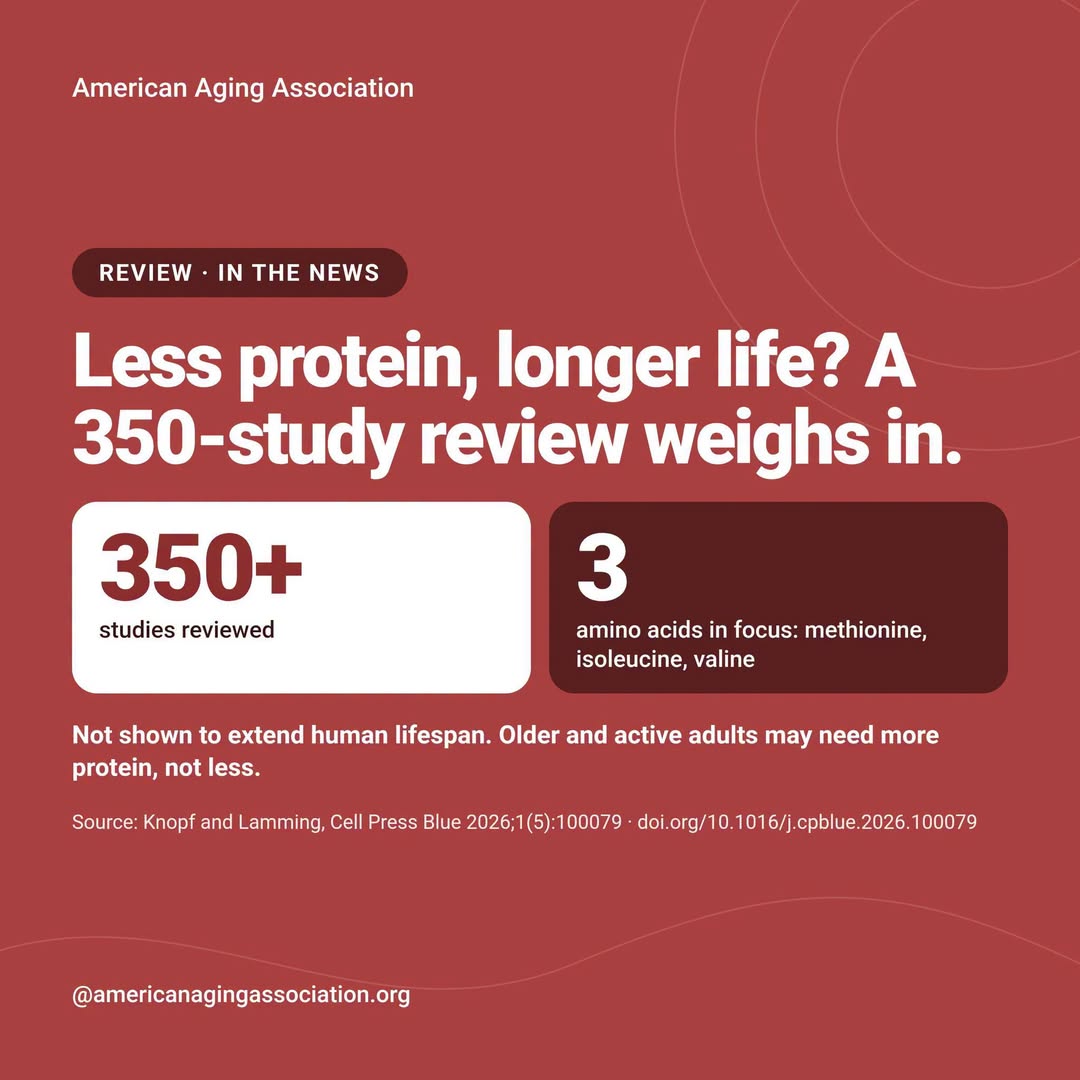
Protein restriction and aging: animal benefits, no proven human lifespan gain

Nov 14, 2026 · Louis Nervegna ♥ 4 Protein

Louis shares a summary of a review (Knopf and Lamming) of protein and amino-acid restriction. Restricting methionine or the branched-chain amino acids isoleucine and valine drives many animal metabolic benefits, FGF21 is involved, but lifespan extension has not been shown in humans. The field is shifting from 'less protein' to which amino acids matter, and older or active adults may need more protein. Louis says protein is complicated and influencers oversimplify it.

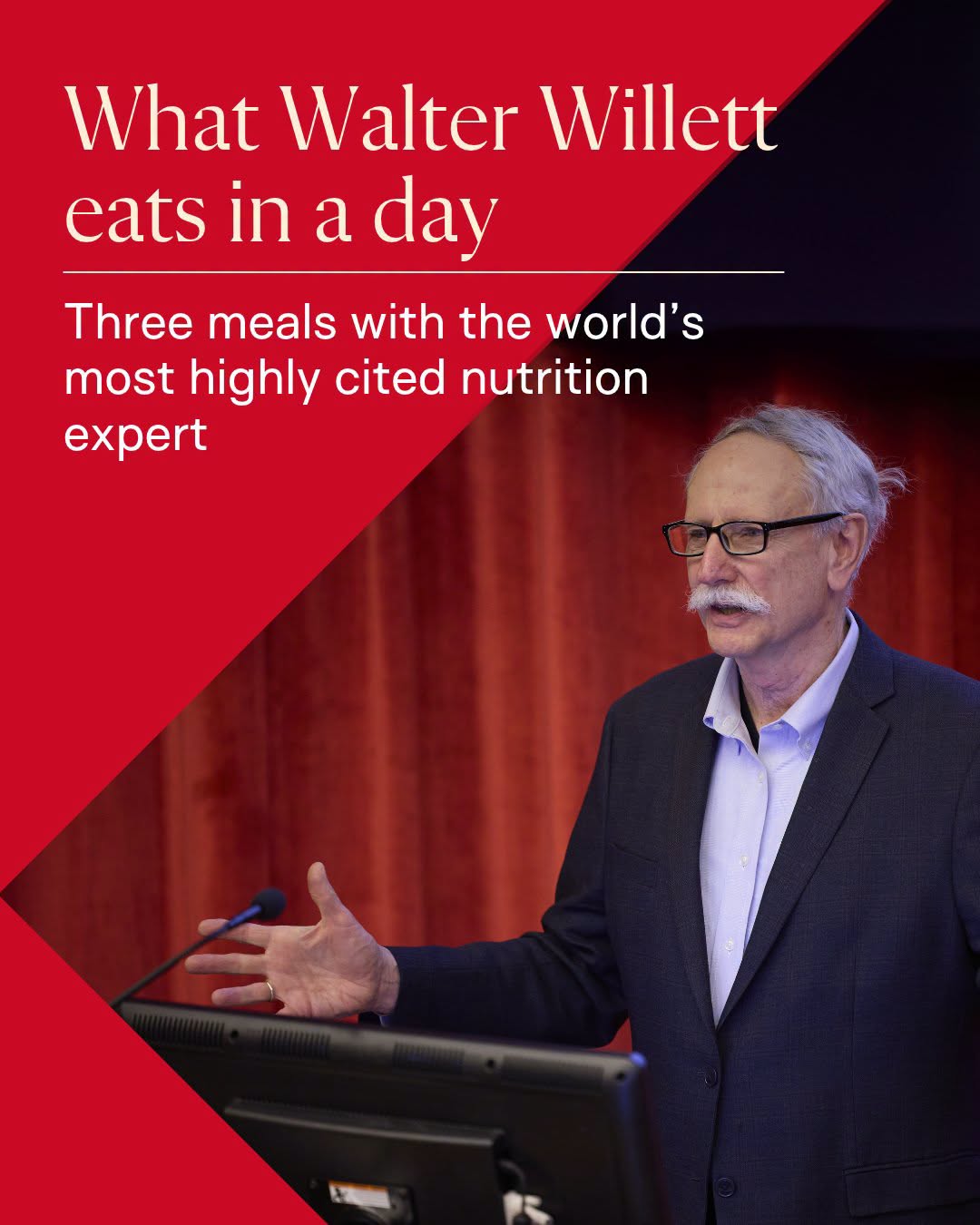
Walter Willett's daily diet: oats, nuts, salad, whole grains, chicken or fish, vegetables

Nov 05, 2026 · Louis Nervegna ♥ 5 Mediterranean, DASH, MIND & plant-forward diets

Louis shares a Harvard Chan School piece on what Walter Willett eats: steel-cut oats with yogurt, nuts and blueberries, a large salad or whole-grain peanut butter sandwich for lunch, and chicken or fish with vegetables for dinner. His summary advice is to eat a variety of healthy, mostly plant-based foods in an enjoyable way.

200+ studies and 2 million participants show LDL drives atherosclerosis dose-dependently

Oct 28, 2026 · Louis Nervegna ♥ 1 LDL, ApoB & lipid panel

A shared post rebuts a claim that LDL research is incomplete and flawed. It cites over 200 prospective cohort, genetic and randomized studies involving over 2 million participants, 20 million person-years and 150,000+ cardiovascular events that consistently show a dose-dependent LDL-ASCVD relationship. It also addresses the U-shaped curve claim and Mendelian randomization.