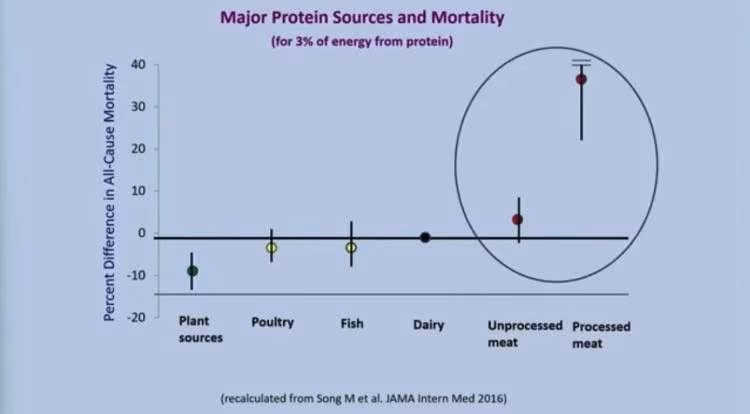
A summary of the latest research on protein and DIABETES from the Harvard School of Public Health.
———-
Quoted:
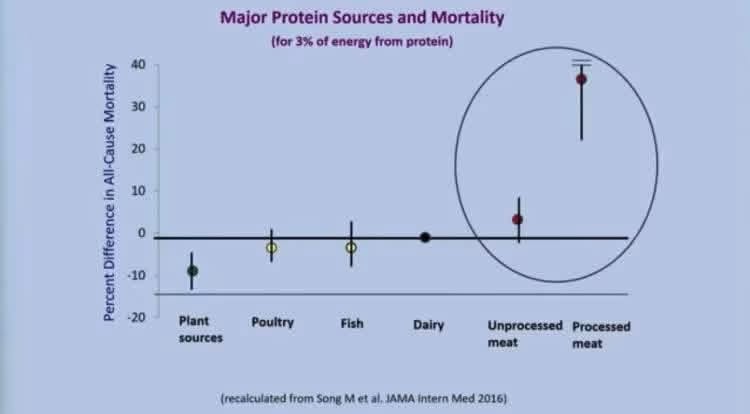
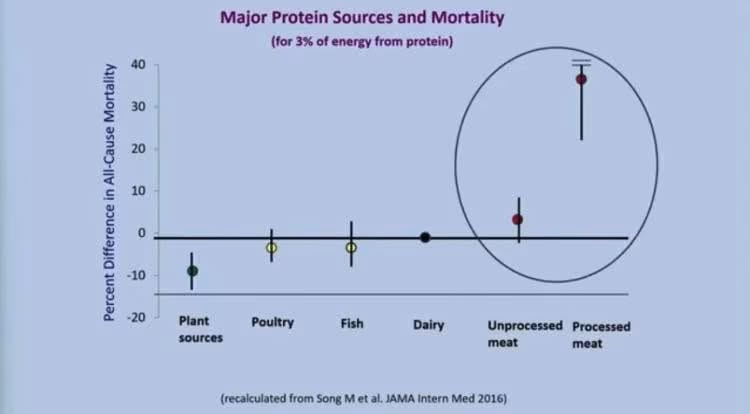
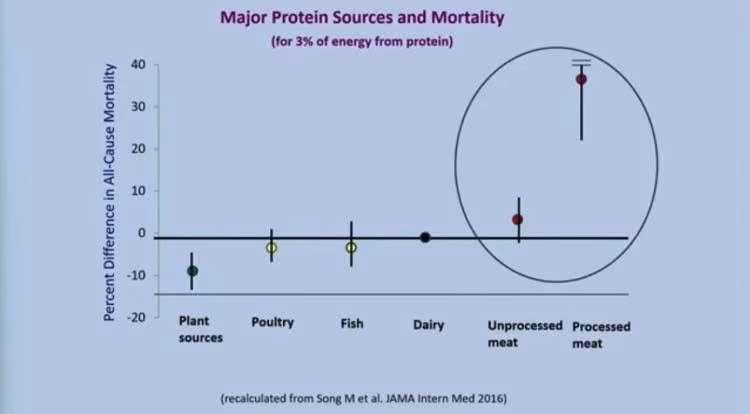
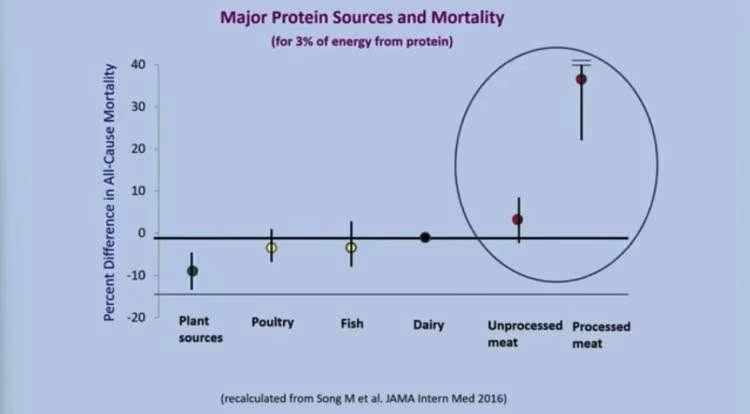
“Again, the source of protein matters more than protein quantity when it comes to diabetes risk. Eating more red meat predicts a higher risk of type 2 diabetes, while consuming nuts, legumes, and poultry is related to lower risk.
A 2011 study found that people who ate diets high in red meat, especially processed red meat, had a higher risk of type 2 diabetes than those who rarely ate red or processed meat. [12] For each additional serving a day of red meat or processed red meat that study participants ate, their risk of diabetes rose 12% and 32%, respectively. Investigators also found that replacing a serving of red meat with one serving of nuts, low-fat dairy products, or whole grains each day was associated with an estimated 16% to 35% lower risk of type 2 diabetes.
A related study also found that people who started eating more red meat than usual were had a 50% higher risk of developing type 2 diabetes during the next four years, and researchers also found that those who reduced red meat consumption had a 14% lower risk of type 2 diabetes over a 10-year follow-up period. [13]
How meat is cooked may also affect type 2 diabetes risk. In a study that tracked the health of over 289,000 men and women, researchers found that individuals who most frequently ate red meats and chicken cooked at high temperatures were 1.5 times more likely to develop type 2 diabetes, compared to those who ate the least. There was also an increased risk of weight gain and developing obesity in the frequent users of high-temperature cooking methods, which may have contributed to the development of diabetes. Of note, this research demonstrated that cooking methods might contribute to diabetes risk beyond the effects of meat consumption alone. [14] Learn more about this study.
More evidence that the source of protein matters comes from a 20-year study that looked at the relationship between low-carbohydrate diets and type 2 diabetes in women. Low-carbohydrate diets that were high in vegetable sources of fat and protein were associated with a lower risk of type 2 diabetes. [15] But low-carbohydrate diets that were high in animal sources of protein or fat did not show this benefit.
For type 1 diabetes (formerly called juvenile or insulin-dependent diabetes), proteins found in cow’s milk have been implicated in the development of the disease in babies with a predisposition to the disease, but research remains inconclusive. [16,17]”
Source:
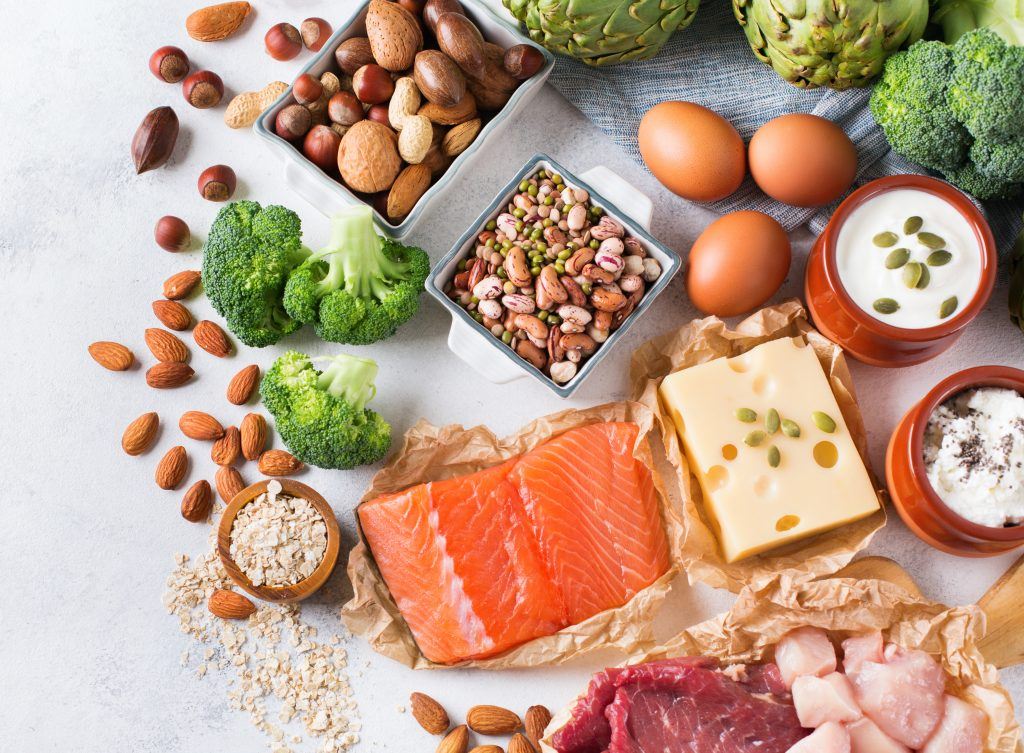 The Nutrition Source - Harvard Chan SchoolProtein • The Nutrition SourceProtein is an essential macronutrient, but not all food sources of protein are created equal, and you may not need as much as you think. Learn the basicsnutritionsource.hsph.harvard.edu
#proteinHD #processedmeatHD #redmeatHD #plantproteinHD #harvardHD #diabetesHD #insulinresistanceHD #metabolicsyndromeHD #proteinsummaryHD #plantproteinsummaryHD