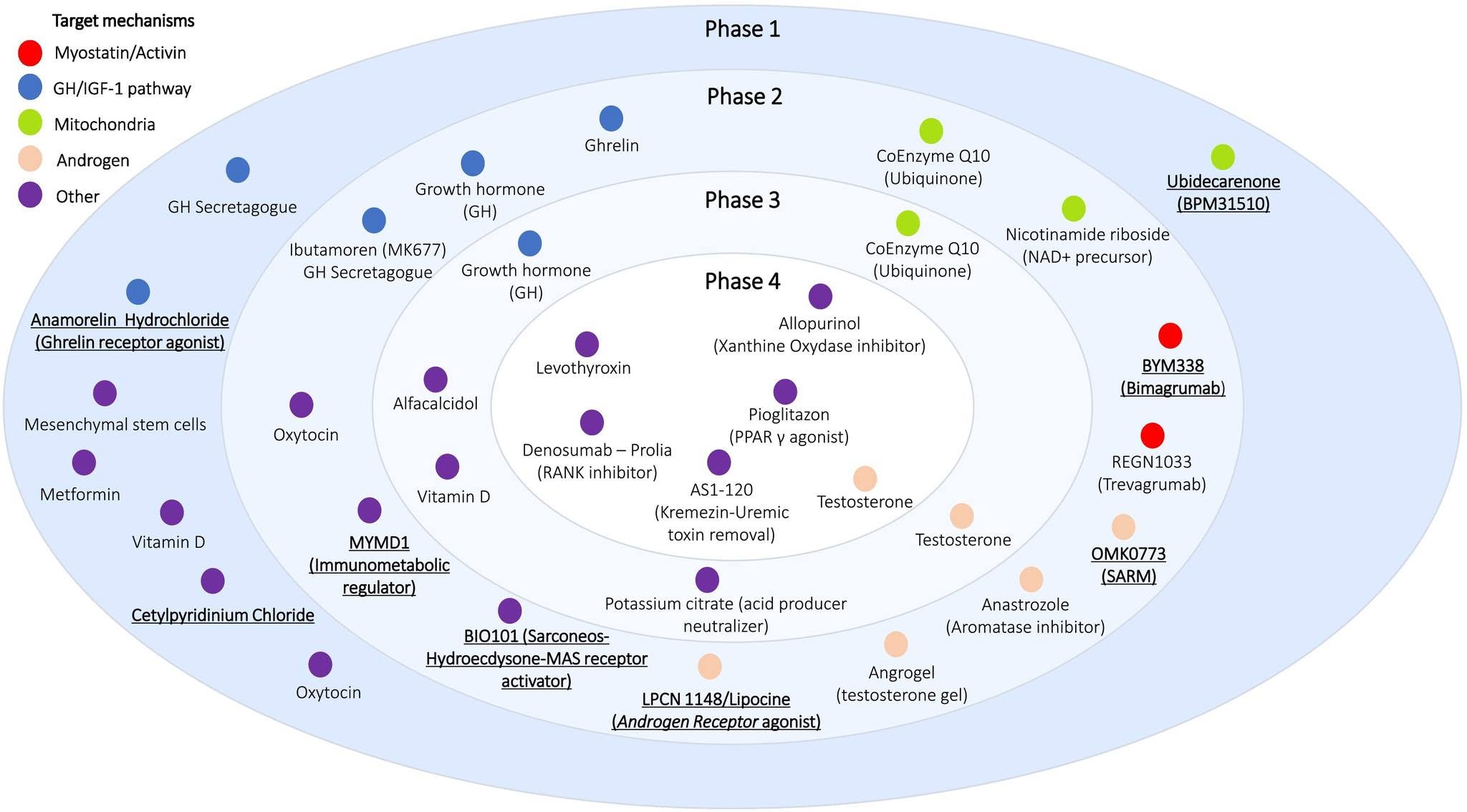
A small randomized controlled trial demonstrated that metformin protects against muscle loss and sarcopenia in elderly non-diabetics.
Quoted:
We saw two things in our study,” Drummond says. “When participants took Metformin during a bed rest, they had less muscle atrophy. During the recovery period, their muscles also had less fibrosis or excessive collagen. That build-up can make it harder for the muscle to properly function.”
Tying these results to senescence, the research team examined muscle biopsies from study participants. They found that the participants who took Metformin had fewer markers of cellular senescence.
“This is the first paper that has made the direct connection between a therapy targeting cellular senescence and improved muscle recovery following disuse in aging,” says lead author Jonathan Petrocelli, Ph.D. He explains that metformin helps muscle cells better remodel and repair tissue during periods of recovery after inactivity.
 University of Utah Health | University of Utah HealthA Common Diabetes Drug Has a Surprising Side Gig: Muscle ProtectorYou might not think of diabetes when you think of muscle function. But a common diabetes drug that regulates blood sugar can also prevent muscle atrophy and muscular fibrosis—which can help the elderly bounce back faster from injury or illness.healthcare.utah.edu